An AP-NORC Center for Public Affairs Research poll released Wednesday found that 53% of U.S. adults are extremely or very concerned about artificial intelligence’s environmental impact, up from 41% last year. Roughly six in ten support limiting the number of new data centers that can be built, and a majority express high concern about electricity prices or water supplies in the communities where those facilities operate. The survey arrives as thousands of centers run and more projects move toward rural areas, where the server hall can be a community’s largest new industrial neighbor.
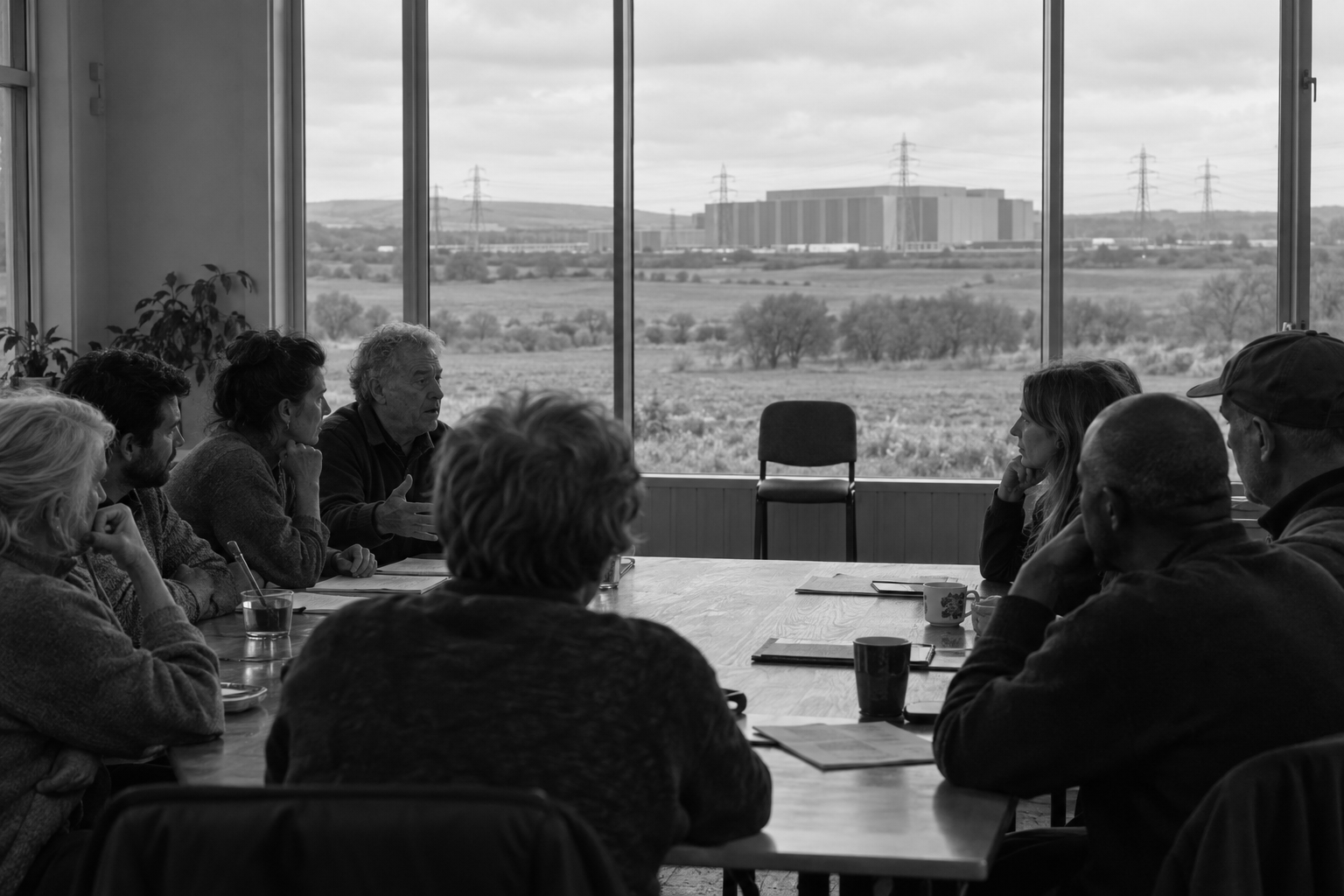
Public opinion does not measure a facility’s emissions or settle a permitting case. It does change the political setting for expansion. A data center’s benefits are usually described in national terms—capacity, jobs, competitiveness—while its costs appear locally as substations, cooling systems, noise and utility bills. The poll gives residents a shared vocabulary for asking who receives the gains, who carries the risk and what evidence a company must provide before construction. The answers will vary by watershed and power market, yet the direction is clear: acceptance can no longer be assumed from the promise of progress. Developers and officials could publish water and power forecasts, disclose how often workloads can be reduced during grid stress, and let communities revisit commitments when conditions change. The machine may run in the cloud; the decision to host it is made at a town meeting.






