Anthropic's Opus 4.6 nearly doubled the score of the previous state-of-the-art AI agents on Mercor's benchmark for professional tasks such as law and corporate analysis, TechCrunch reported on February 6th. The model reached just under 30 percent in one-shot trials and averaged 45 percent after several attempts, up from 18.4 percent for the earlier leader. The result leaves lawyers far from immediate replacement while weakening the comfort supplied by last month's poor scores.
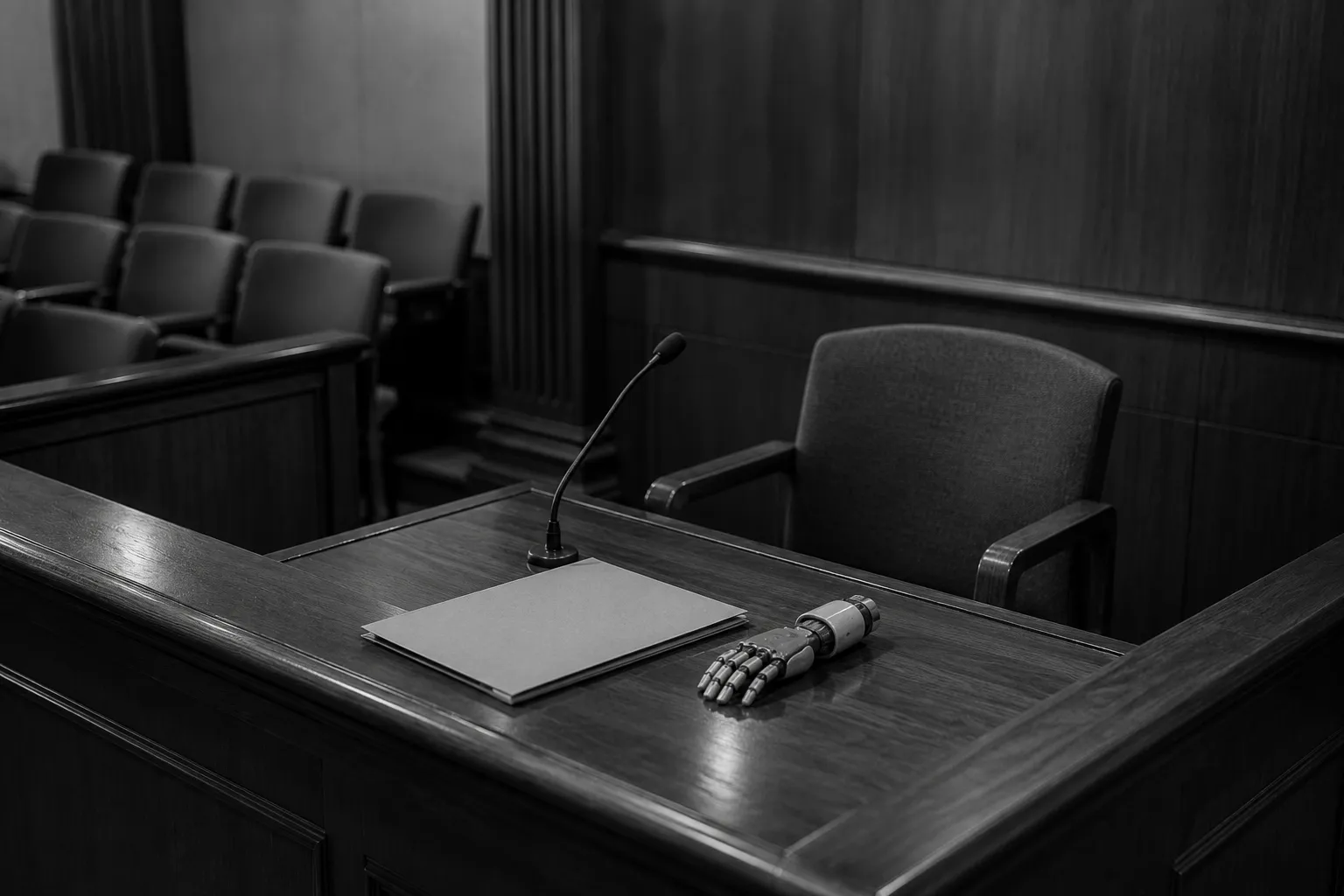
A benchmark turns professional judgment into a series of doors an agent must open. It can measure whether a system finds a clause, follows a chain of reasoning, or completes a legal task under controlled conditions. The courtroom contains other demands. A lawyer has to explain a risk to a client, protect a confidence, recognize what a witness refuses to say, and remain answerable when the advice produces damage. The rising score still changes the office because it gives managers a reason to move more work toward systems that can try again at low cost. The junior associate is measured against a machine that never asks for credit, sleep, or a place in the hierarchy. The empty witness stand waits for whoever will accept responsibility for the answer.






