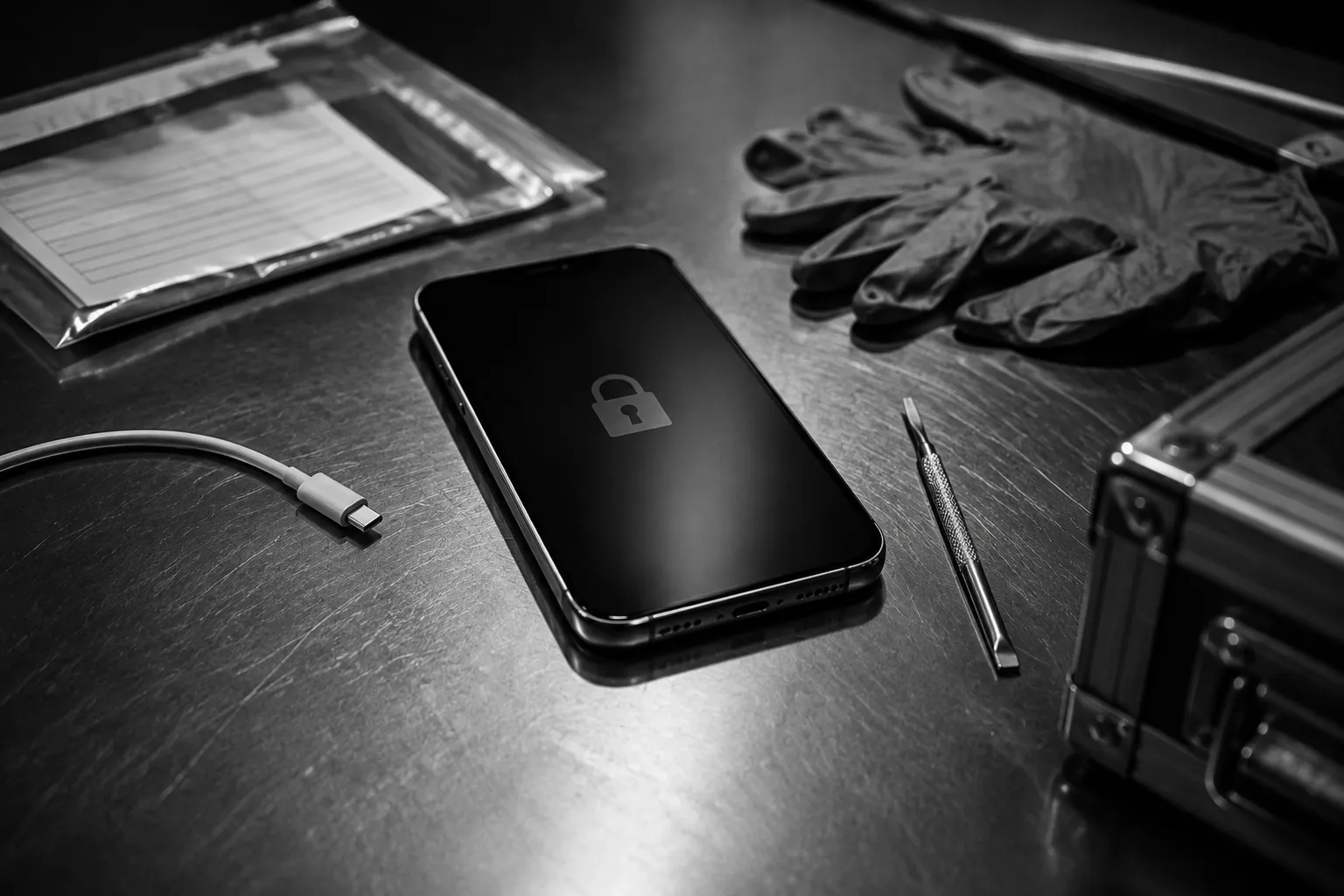
Cellebrite suspended Serbian police as customers after researchers alleged that its phone-unlocking tools had been used to access a journalist's and an activist's devices and plant spyware. The company has responded differently to newer allegations involving Jordan and Kenya, declining to investigate them publicly and saying that high-confidence research is not direct evidence. Citizen Lab found traces of an application linked to Cellebrite on the phones of activists and politicians, TechCrunch reported on February 19th.
A locked phone contains a private geography of contacts, movements, photographs, and unfinished sentences. The company selling the key can therefore become part of the chain of custody without appearing in the police report. Cellebrite says substantiated human-rights abuses can result in immediate disablement, yet it does not disclose the criteria used to approve customers or the number of licenses it has revoked. The difference between Serbia and Kenya is presented as a difference in evidence, but the decision over what counts as evidence remains inside the company. The device is small enough to fit in a hand. The power to open it travels through a global market that rarely appears beside the seized phone.






