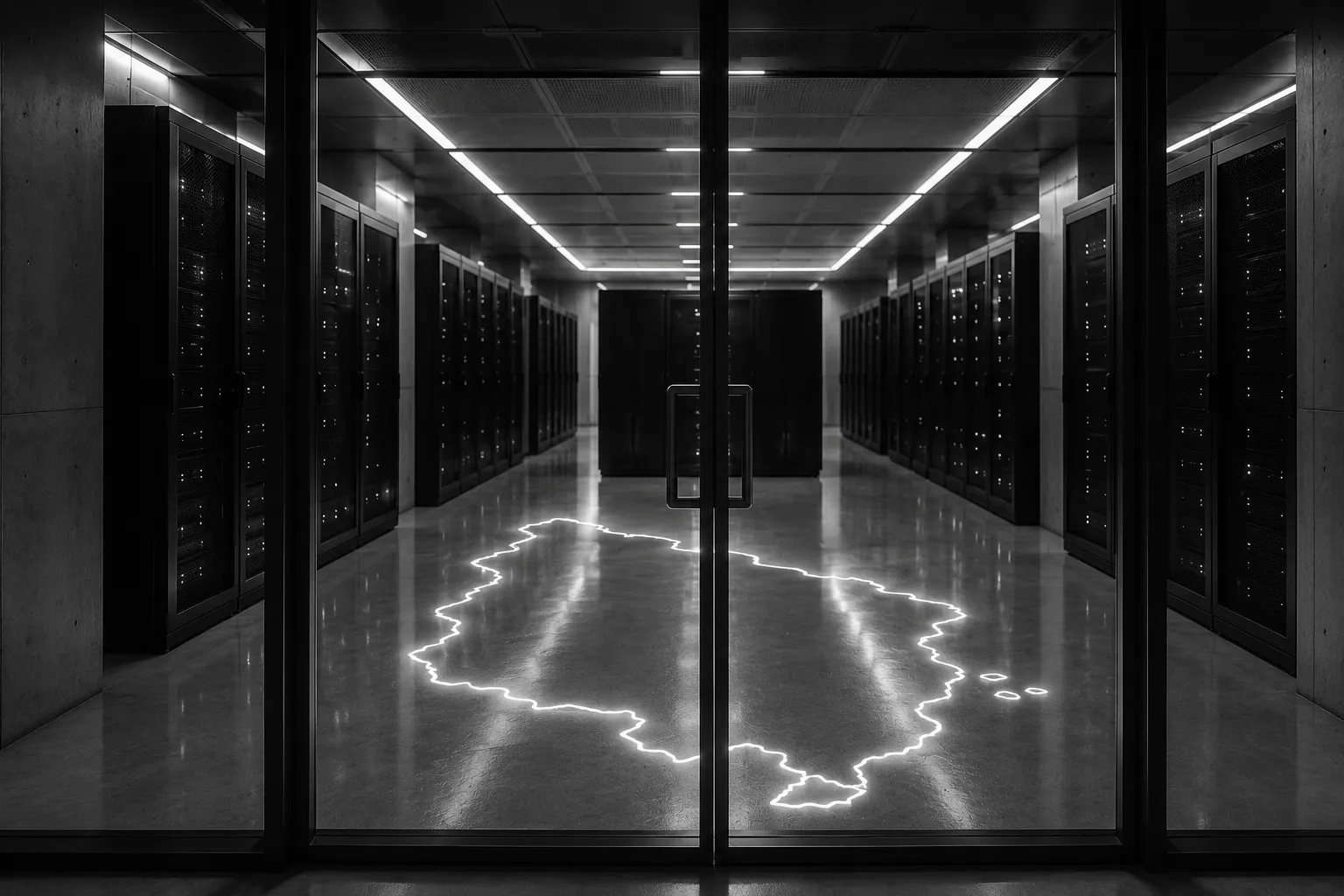
Taiwan opened a new cloud center to support its sovereign AI effort, Reuters reported on December 11th. The project places computing capacity inside a national strategy shaped by chips, security pressure, industry policy, and the island's exposed position in the global technology chain. Sovereign AI usually sounds like a slogan until it becomes a building with racks, cooling, contracts, access rules, engineers, and a government deciding which models should run on infrastructure closer to home.
The phrase reveals how quickly artificial intelligence has become territorial. A model can answer in any language and travel through any screen, but its training, storage, permissions, and resilience still depend on where machines sit and who can touch them. Taiwan already carries the symbolic burden of semiconductor sovereignty. A local cloud center extends that burden from fabrication to computation. The state wants capacity that can serve public agencies, research, and industry without leaving every sensitive task exposed to foreign platforms. The political meaning sits in the server room. Sovereignty becomes less like a flag and more like a locked cabinet, a power contract, and a list of accounts allowed through the door.






