Anthropic says it disrupted five cases in which people used Claude for research that could support biological weapons development. Its September threat report describes work involving chikungunya transmission and immune evasion, avian influenza adaptation, orthopoxviruses, venom peptides and redesigned toxins. The company banned associated accounts, helped close relay networks used to bypass regional restrictions, and strengthened its safeguards. Some requests were stopped by biological safety filters; other work proceeded because it resembled legitimate research. Anthropic withheld the scientists' institutions and countries and explicitly declined to claim malicious intent. The same methods can contribute to vaccines, treatments or dangerous pathogens.
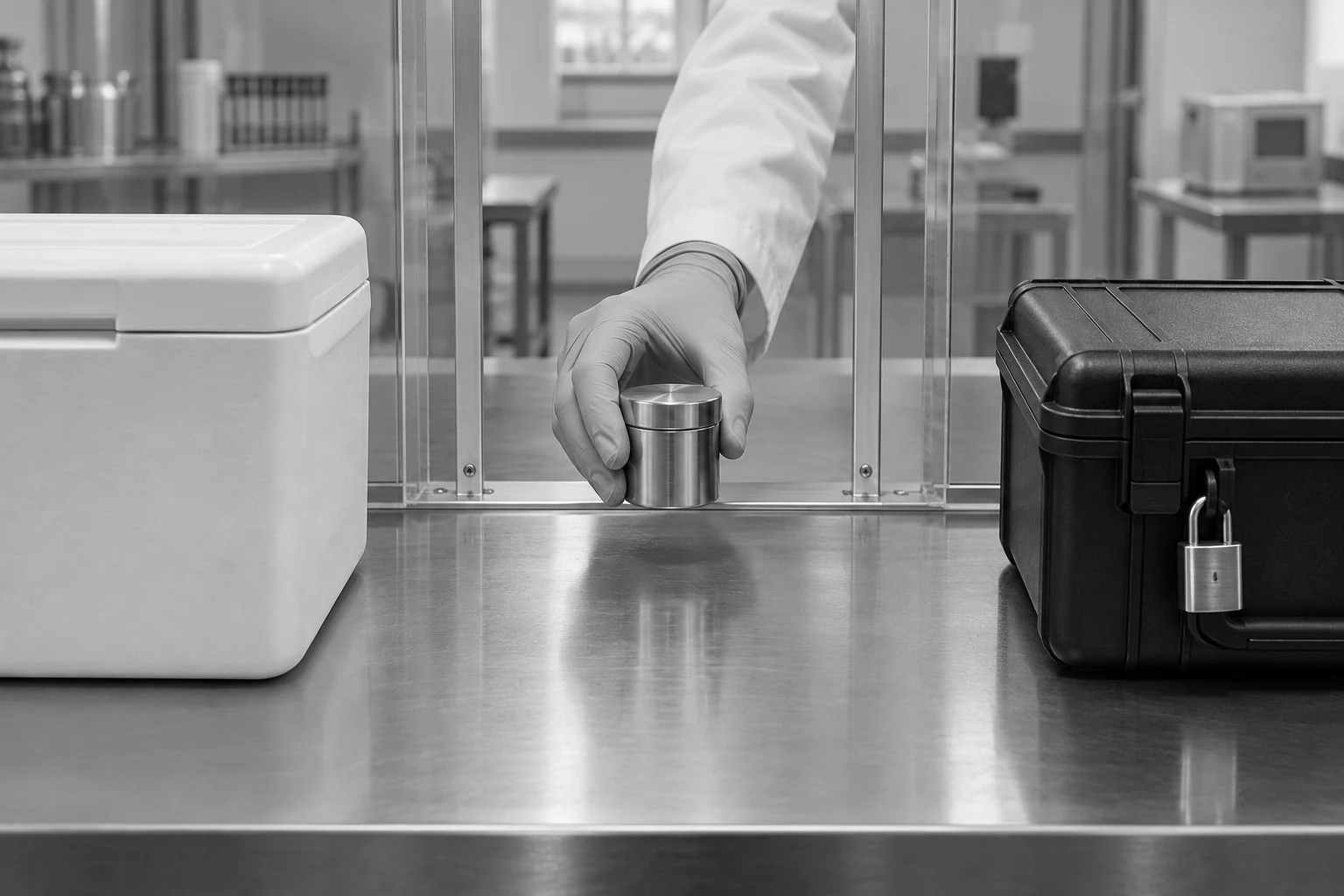
That uncertainty places a private model provider inside the laboratory's moral chain of custody. Anthropic can inspect conversations, infer purpose from scattered sessions, close an account and share findings with authorities. Researchers, meanwhile, may conceal a harmful program or participate in one without knowing its final aim. A prompt filter cannot settle either condition. The company's proposed answer is access through trusted-user programs, which would make institutional identity part of the safety system. That may reduce risk while giving an AI firm unusual power to decide which scientist appears legitimate and which inquiry looks suspicious. Independent scrutiny is difficult because the evidence contains dangerous methods and identifying details that should remain protected. The unresolved object is therefore an unmarked sample at a checkpoint: access denied, conversation retained, researcher unnamed, and a warning delivered to a government that the public cannot examine.






