Wikipedia recorded an 8 percent year-over-year decline in human page views after the Wikimedia Foundation improved its bot detection and reclassified unusual traffic from May and June. Marshall Miller of the foundation attributed the fall over recent months partly to search engines giving direct generative answers and to younger people seeking information through social video. Miller warned that fewer visits could mean fewer volunteers and individual donors. Wikimedia was developing a new attribution framework, assigning two teams to find readers, and asking companies that use its content to send visitors back.
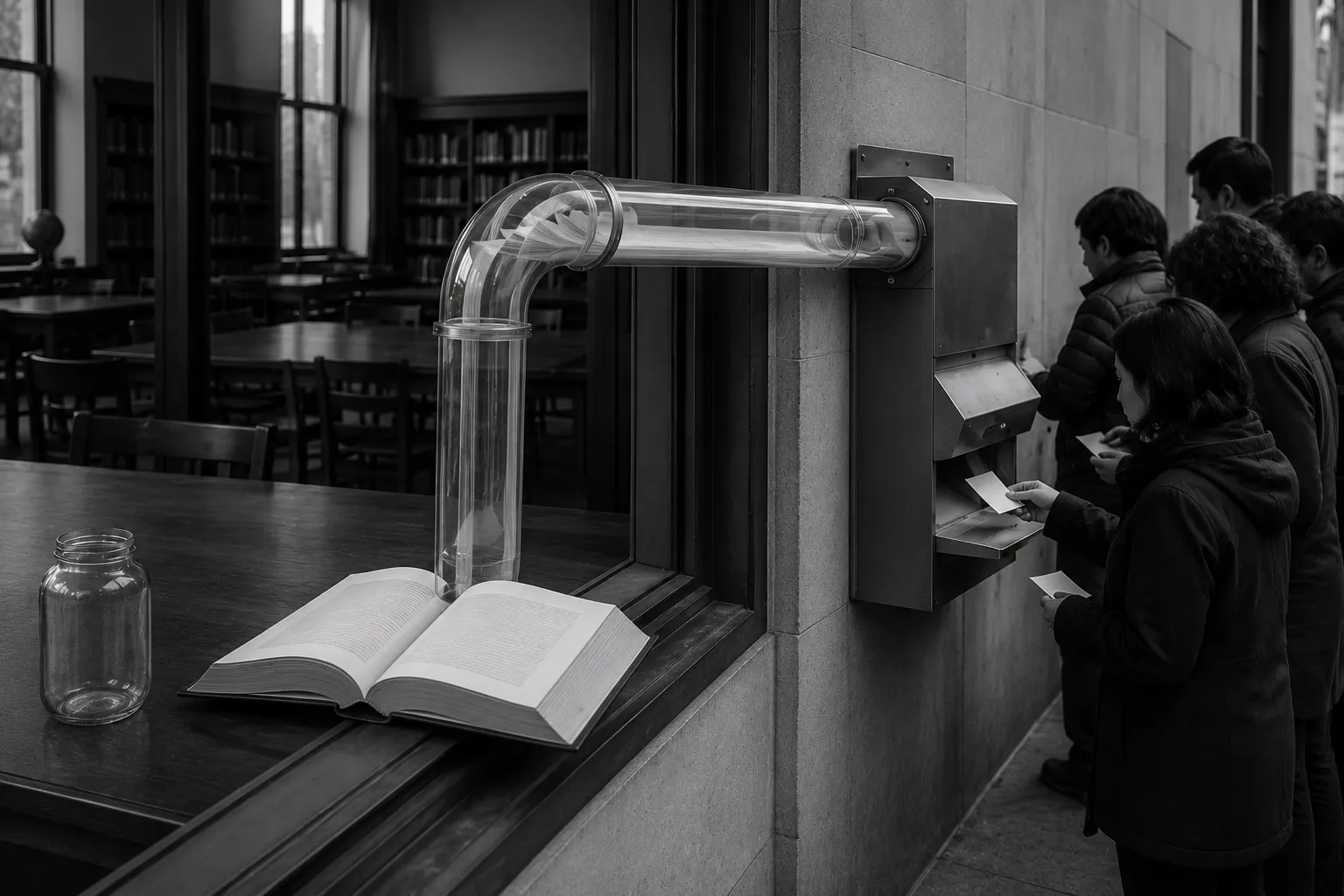
A summary removes the acts that make an encyclopedia legible as collective labor. The reader who lands on an article can inspect citations, notice a disputed sentence, open the history, or correct a date. A generated answer usually delivers the residue of that work inside an interface governed by another company, where provenance may appear as a tiny link or vanish below the response. Traffic is therefore part of the maintenance system, since visits recruit editors, expose errors, and place donation appeals before people who use the resource. Extraction can continue for a while after attention moves elsewhere, much as a reservoir can supply distant taps while its level falls. Wikimedia has identified the practical repair: visible citations that readers can follow, referral links, volunteer recruitment, and a donation button reached before the source disappears from habit.






