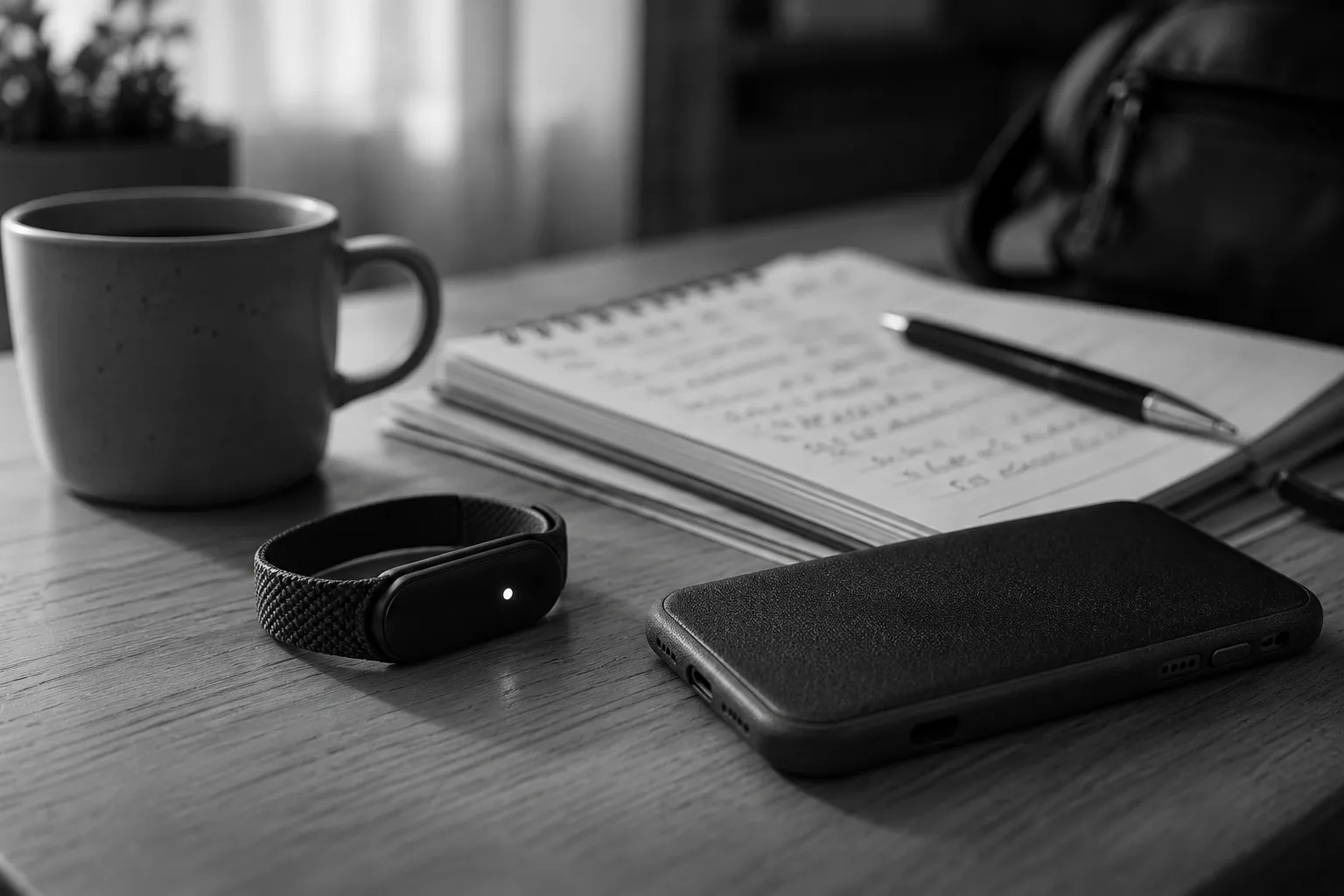
TechCrunch tested Bee, the AI wrist wearable Amazon acquired last year, and found a device built around daily recording. Bee can capture conversations, create transcripts, summarize meetings, and connect to calendar alerts. Its button turns recording on or off, and a light shows when audio capture is active. The reviewer found it useful during a business call, where the app broke the conversation into a readable summary. The transcript still missed pieces and had trouble naming speakers.
The discomfort starts when the meeting ends. To work as a personal assistant, Bee asks for broad phone permissions, including location, contacts, calendar, photos, notifications, and optional health data. Its summaries depend on a cloud record of ordinary speech. Bee says it encrypts user data and uses outside security reviews, but the bargain remains physical and intimate. That makes the device less like a notebook and closer to a tolerated witness on the wrist. Professional memory has an obvious price. Domestic memory asks for something stranger, which is permission to treat private life as material waiting to be indexed.






