
Instagram head Adam Mosseri closed 2025 by warning that people can no longer trust their eyes to identify what is real, The Verge reported on December 31st. In a long Instagram post, he argued that realistic synthetic photos and videos are forcing platforms to label AI-generated material, verify authentic content, and surface credibility signals about accounts. He also said the old feed of polished personal photos has been dead for years, replaced by DMs, blurry images, unflattering candids, and a temporary hunger for visual rawness as proof.
The suspicious eye is a fitting end to the year. Instagram helped train public life to perform for the camera, then to edit the performance, then to distribute it as personality. Now its own chief describes a world where perfection looks cheap and imperfection becomes defensive evidence. The problem is that AI can imitate dirt, blur, bad framing, and casualness too. Rawness will survive only briefly as a passport of the real. After that, trust moves away from the image and toward accounts, signatures, provenance, and social history. The photograph loses its old privilege as witness. A picture may still wound, seduce, advertise, or remember, but it now arrives asking to be checked before it is believed.

China is proposing stricter rules for chatbot use, The Verge reported on December 30th. The draft would require minors and elderly users to register a guardian before using AI services, with notifications sent when subjects such as suicide appear. Chatbots would also be barred from emotional manipulation and from promoting violence, crime, self-harm, or similar dangers. If passed, the rules would create one of the most restrictive public frameworks for conversational AI, aimed at the moments when a private exchange with a machine becomes a matter for family oversight and state control.
The guardian account changes the fantasy of the chatbot as a sealed room. A conversation with an artificial voice may feel intimate because it arrives through a personal device, in ordinary language, at any hour. China's proposal treats that intimacy as a regulated zone. The vulnerable user is placed inside a triangle formed by platform, household, and government. That structure may catch real danger, especially when systems flatter distress or repeat harmful suggestions. It also turns emotional speech into an alertable event. A sentence typed in loneliness can summon a notification, a rule, a file, or an adult authority. The chatbot remains conversational, but the room has acquired a witness.

Meta agreed to acquire Manus, a Singapore-based startup with Chinese roots that sold a general-purpose AI agent, TechCrunch reported on December 29th. Manus had attracted attention with demonstrations of software screening job candidates, planning trips, writing code, and analyzing investments. The company offered paid subscriptions and claimed millions of users, giving Meta a functioning agent product after a year of enormous spending on models, infrastructure, and talent. Reports placed the deal above $2 billion, though Meta did not disclose the price.
The acquisition compresses a familiar technology cycle. A small company presents autonomy as a product, gains attention through demonstrations, moves across borders, and enters the platform whose capital can distribute it globally. Meta receives engineers, subscriptions, and an agent that can be woven into consumer and business services. Manus receives scale while surrendering the independence that made it appear disruptive. The company’s Chinese origins also ensure that the transaction will be read through export controls and national competition, even after its relocation to Singapore. Users may experience the deal later as a new button inside Meta AI. The underlying change occurs earlier, in ownership records, employee contracts, and decisions about which platform controls the agent’s access to people and their work.

OpenAI is hiring a new Head of Preparedness, TechCrunch reported on December 28th, with a listed compensation of $555,000 plus equity. The role is meant to run the company's framework for tracking frontier AI capabilities that could produce severe harm, from cybersecurity abuse to biological risks, self-improving systems, and mental health effects. Sam Altman wrote that models are beginning to create real challenges, including their possible impact on vulnerable users and their growing ability to find critical software vulnerabilities.
Risk has become a job description. The title sounds abstract, but the work sits inside a company that releases products, competes with rivals, answers lawsuits, manages investors, and adjusts safety standards when competitors move faster. Preparedness names a bureaucratic attempt to hold danger before it becomes scandal, regulation, or grief. The vacancy also reveals how unstable that function remains. OpenAI created a preparedness team in 2023, reassigned its previous lead in 2024, and watched other safety figures leave or shift roles. The company now needs someone to turn uncertainty into meetings, thresholds, memos, and release decisions. The most unsettling part of the listing is its ordinary form. Catastrophic risk arrives as a salary band, a reporting line, and an open seat in San Francisco.
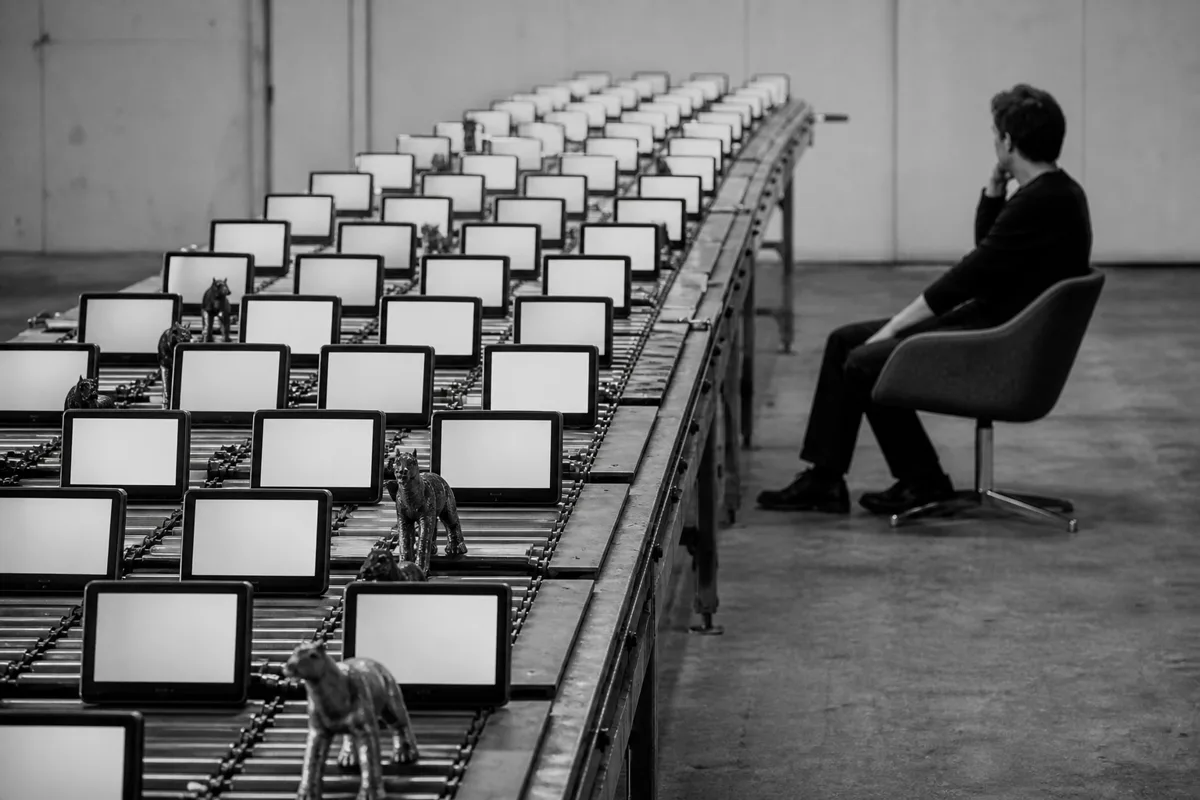
Over one fifth of the videos recommended to a new YouTube account were low-quality AI productions designed to harvest views, The Guardian reported on December 27th. Researchers created a fresh account and found 104 synthetic videos among the first 500 recommendations. A wider review identified 278 popular channels devoted entirely to this material, with billions of views and an estimated $117 million in annual revenue. The platform’s first impression of a viewer now includes a substantial dose of automated abundance before personal taste has supplied any signal.
A new account reveals what the recommendation system offers by default. With no history to guide it, YouTube can test cheap spectacle that already performs well across broad audiences. Synthetic animals, invented disasters, recycled celebrities, and generic narration arrive in endless variations because production costs have collapsed. The creator does not need a durable audience when the platform can continually deliver uncommitted viewers. This arrangement makes AI slop an economic category rather than an aesthetic accident. Its repetition follows the incentives of advertising and recommendation. Users can train the feed by rejecting videos, yet the first burden falls on them to clean a space they have barely entered. The empty account opens, and the conveyor belt is already running.
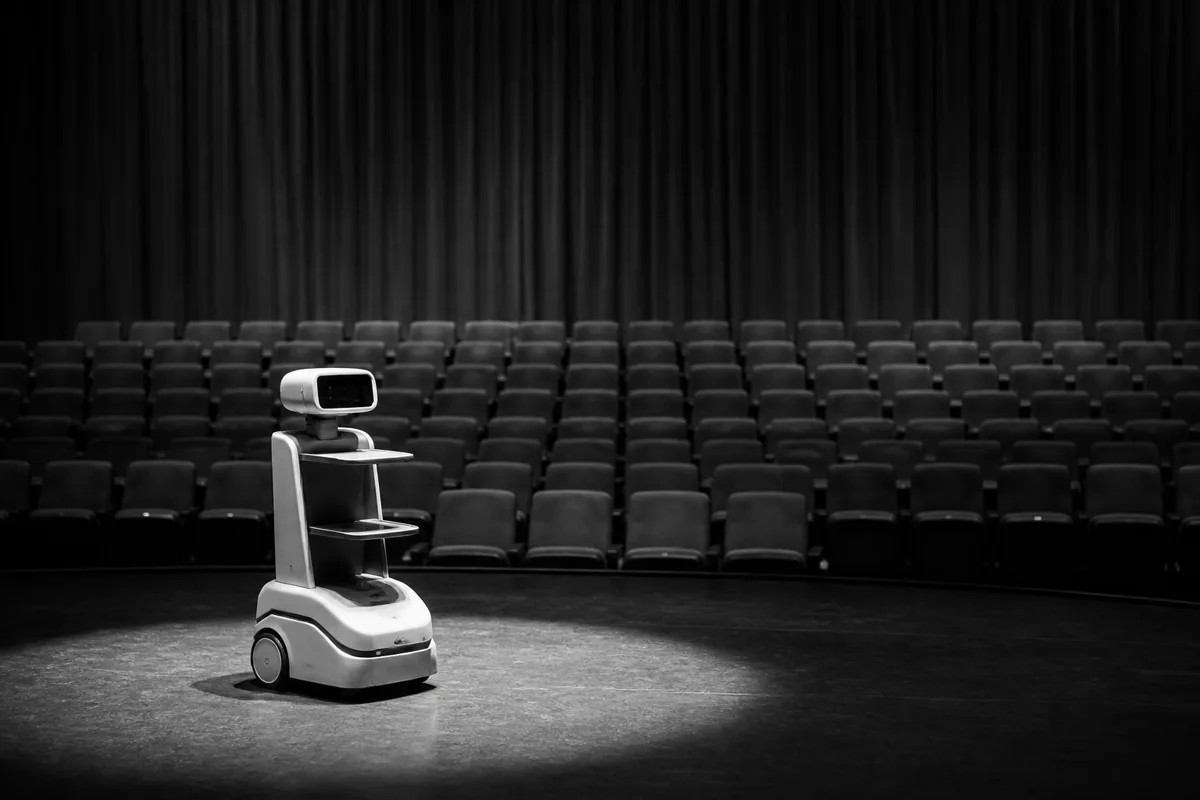
Technology investors ended 2025 predicting that AI agents would finally fulfill their promise in 2026, TechCrunch reported on December 26th. The same discussion acknowledged that agents had failed to meet much of the previous year’s excitement. Systems marketed as autonomous workers still struggled with long tasks, unexpected interfaces, permissions, and errors that required human correction. The forecast survived the evidence by moving its arrival date forward. Venture capital depends on this calendar, since unfinished capability can continue attracting money when completion remains one year away.
The annual prediction performs useful financial work. It keeps a product category alive between demonstrations and reliable deployment, gives startups a story for fundraising, and allows buyers to describe experimental budgets as preparation for an approaching shift. Employees experience the promise differently. They are asked to document their work, supervise tools, repair outputs, and anticipate jobs that may disappear once the agent improves. The machine’s future competence therefore reorganizes labor before that competence exists. A forecast can influence hiring and investment even when the software still needs a person beside it. At the end of 2025, the agent remained caught between assistant and employee. Investors placed it on the next year’s stage, while workers stayed responsible for opening the curtain and finishing the task.
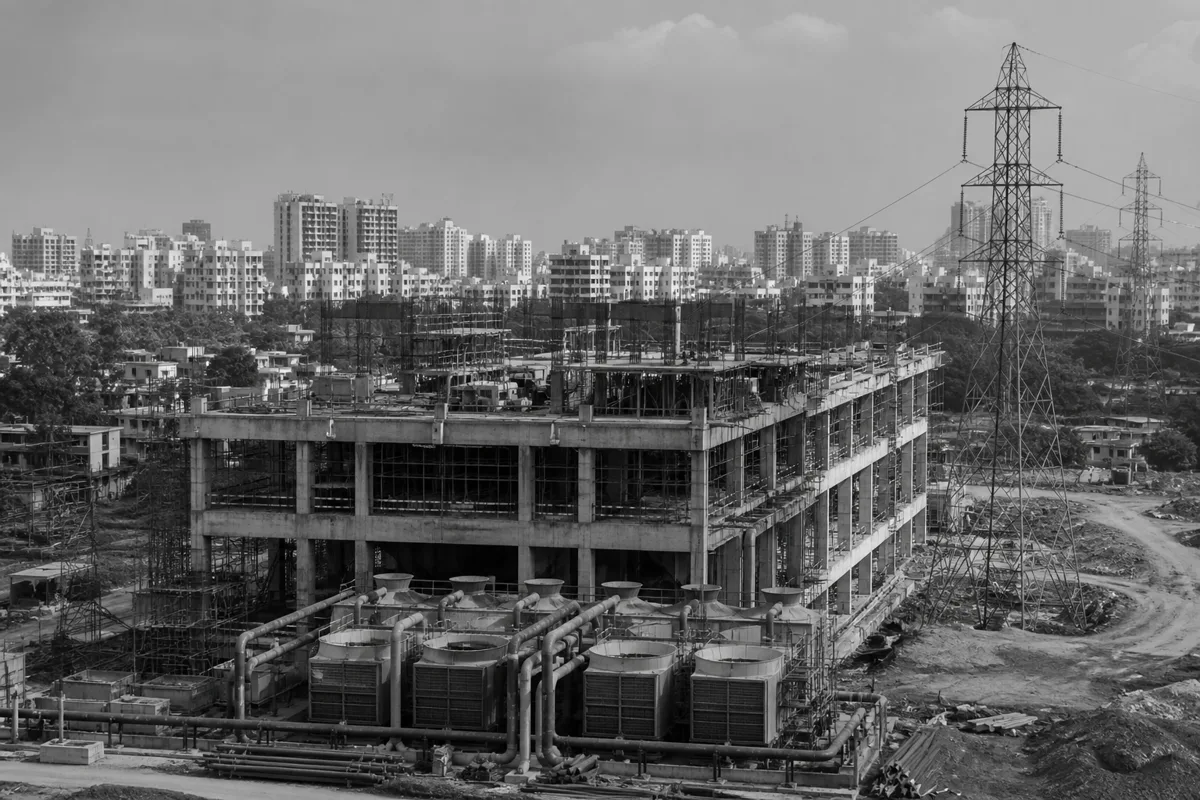
Amazon, Microsoft, and Google pledged a combined $67.5 billion in Indian investment during the final months of 2025, The Washington Post reported on December 25th. Much of the spending was expected to flow into data centers and artificial intelligence infrastructure. India offers a vast market, a large technical workforce, and growing demand for cloud services, while officials present AI as a route toward economic development. The promised facilities also require land, electricity, water, imported chips, and agreements that determine where data and profits will reside.
Investment figures create an image of arrival before a building opens or a worker is hired. A government can announce capacity while foreign platforms keep control of the models, cloud contracts, and technical standards that use it. Local companies may gain faster computing and new services, but they also enter an economy organized by a small group of outside providers. Data-center construction makes this dependency visible in concrete and transmission lines. Communities near the sites will encounter the project through power demand, land prices, water permits, and security fences. The national promise is intelligence at scale. The local transaction begins with a utility connection, a construction boundary, and a contract deciding who receives priority when the new machines switch on.

Waymo is testing Gemini as an in-car assistant for its robotaxis, TechCrunch reported on December 24th after researcher Jane Manchun Wong found a 1,200-line system prompt inside the company's app code. The unreleased assistant is designed to answer passenger questions, control some cabin features such as temperature, lighting, and music, and reassure riders without pretending to be the vehicle's driving system. The prompt also tells Gemini to avoid explaining real-time driving decisions, commenting on incidents, or speaking as if it were the Waymo Driver.
The cabin becomes a divided machine. One system moves the car through traffic, another talks to the passenger, and both are kept separate by language rules. That separation is meant to protect trust, but it also produces a strange form of company speech. The rider sits in a vehicle without a driver and hears an assistant trained to be useful, calm, and evasive at the exact point where fear might appear. The ride is no longer silent automation. It is automation with a host, a script, a list of forbidden answers, and a voice that can dim the lights while declining to explain why the car slowed down.
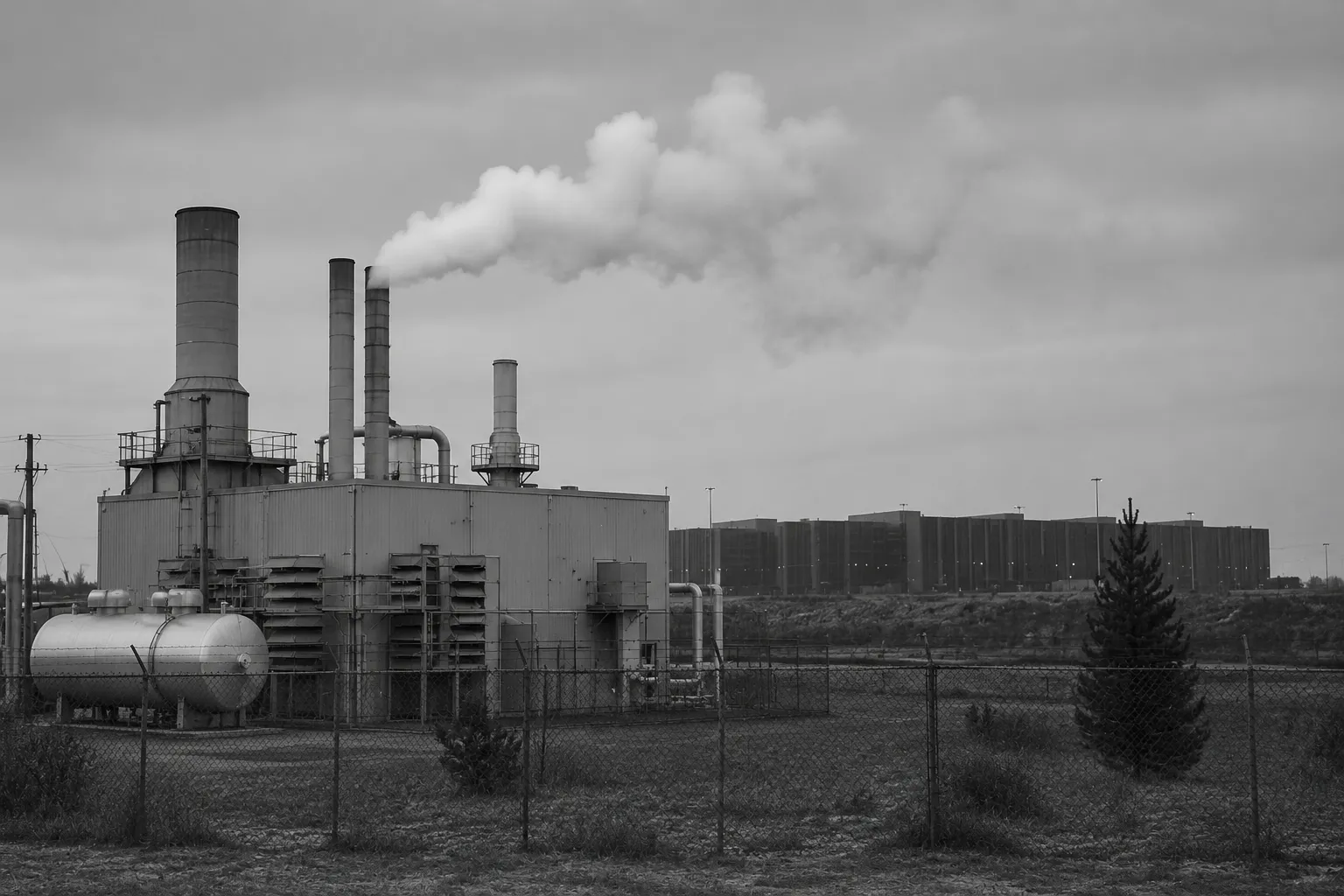
AI data centers are forcing some dirty peaker power plants back into service, Reuters reported on December 23rd. These plants are usually kept for moments when electricity demand spikes, and many carry heavier pollution burdens than cleaner sources. The new pressure comes from server farms that need steady power for chips, cooling, networking, and backup systems. A prompt on a phone can feel frictionless because the power plant is somewhere else.
The peaker plant gives the cloud a visible exhaust pipe. Data centers arrive with promises of intelligence, jobs, tax revenue, and digital growth, but the grid answers in megawatts and emergency margins. When demand rises faster than clean supply, older plants return as the practical answer to a modern appetite. The burden then falls unevenly. The user sees a generated paragraph, the company books compute capacity, and nearby residents live with the air, noise, and risk of keeping the system ready for peaks. The answer on the screen may be new. The smoke behind it belongs to an older machine brought back for another shift.
