In the mid-1990s, I had many printed copies of the Financial Times in my hands. Probably sometime between 1995 and 1997. I was fascinated by its design, the wan salmon of its pages and Ingram Pinn’s illustrations: its visual identity, basically. As for reading it, very little, I confess. It was an almost purely retinal experience, and little else. But it became clear to me that its texts were written for professionals —people who make decisions on the basis of verified information— and that, in this respect, its editorial line had remained consistent since its founding in 1888.
In its August 19, 2026 edition, the FT published a photograph of a jellyfish on its front page. Down below, relegated to some corner? No. Right at the top, in the place normally occupied by tragedy and the horrors of the day.
With some authority I can tell you —because, however superficially, I look through more than thirty news outlets every day— that the lead photograph on the front page of an international newspaper is very rarely devoted to a nonhuman living creature and, moreover, one entirely free of controversy.
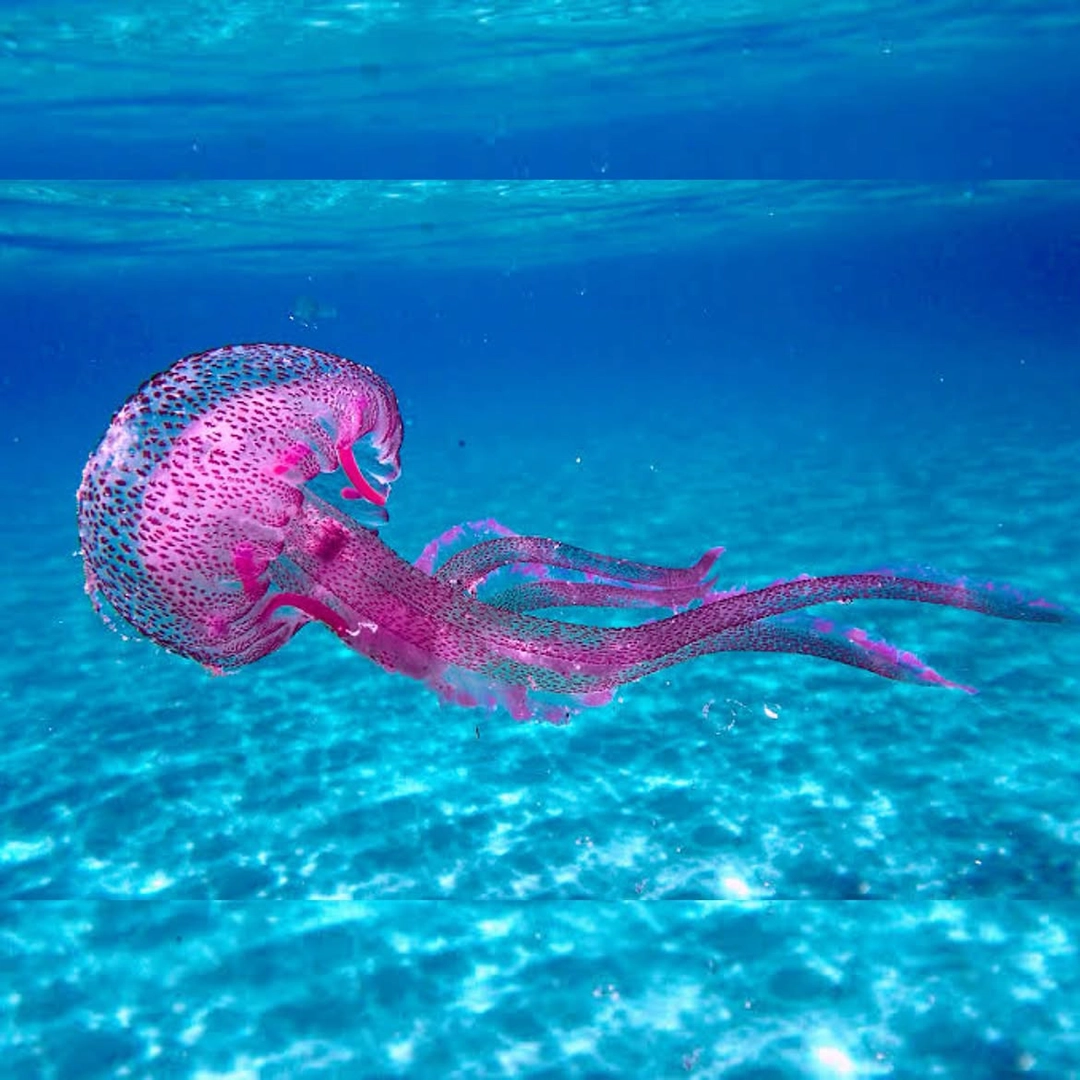
Those of us who live —or have lived— near the sea, and even those who never have, know something about this graceful representative of the kingdom Animalia, phylum Cnidaria. Its lineage is ancient, more than 600 million years old, predating that scandalous first party of the Cambrian. The one illustrating this text belongs to the class Scyphozoa, which contains some of the most beautiful and captivating among them.
Pelagia noctiluca drifting beneath the surface in the waters off Elba Island, Italy.
Photograph by Paolo Barelli.
These translucent beings are among life’s earliest experiments in discovering which way it might prosper. Although composed almost entirely of water, with no brain, heart, lungs or skeleton, they can perceive their surroundings, move, capture prey and reproduce, which is what almost all of us enjoy most. All of this through groups of specialized cells and a rather elementary and ridiculous nerve net. It is as though Creation had tested in them certain solutions that would later prove fundamental to more complex organisms. Sensory organs, coordinated responses, systems capable of linking stimulus and movement, long before handing all control over to a brain.
However astonishing their variety, almost all of them conform to a radial geometry, more or less axisymmetric —like an elastic bell— organized around a central axis. Form unfolds through a rotational repetition that turns, returns upon itself and articulates space from a restless center. The rim comes alive in periodic undulations, while the tentacles extend that cadence through flexible curves, spirals and delicate filamentary systems. Few organisms in nature transform their shape so continuously through regular contractions, their soft surfaces oscillating among different states of curvature.
Man learned very early that beauty generally conceals some danger. Like beauty itself, the medusa simultaneously embodies fragility and threat, risk and transparency, drift and survival. There is something curious in the way the translucency of its body seems at odds with materiality and yet, almost undone by the absence of any firm structure, it can seriously injure and even kill a vulnerable person. Another source of its fascination lies in its lack of everything that ordinarily constitutes an identity, a face or a conclusive and recognizable anatomy. We cannot read intention, will or purpose in it. It is a being that reaches us from a form of life preceding the principle of individuation. And without entering the gender wars, I tend to associate it —following the hackneyed signification— with the feminine and the archaic, the unconscious and the spectral.
What is another reason for my fascination with them? Their unbreakable will —entirely involuntary— to survive the whole history of life without spines, shells, claws or teeth... only through flexibility and a voluptuous attunement to their surroundings: “Be water, my friend.”
I am.
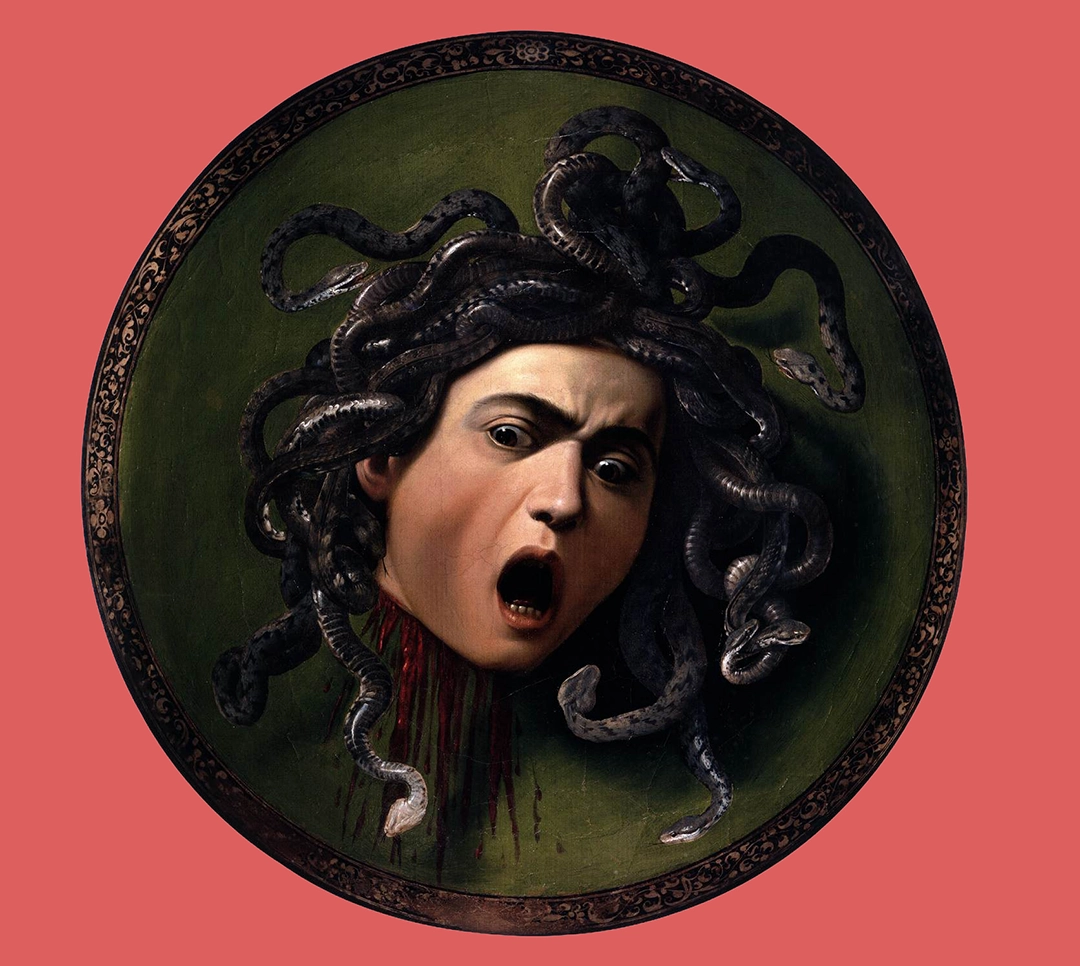
Michelangelo Merisi da Caravaggio
Medusa, c1597-99 | 60 x 55 in
Galleria degli Uffizi, Florence
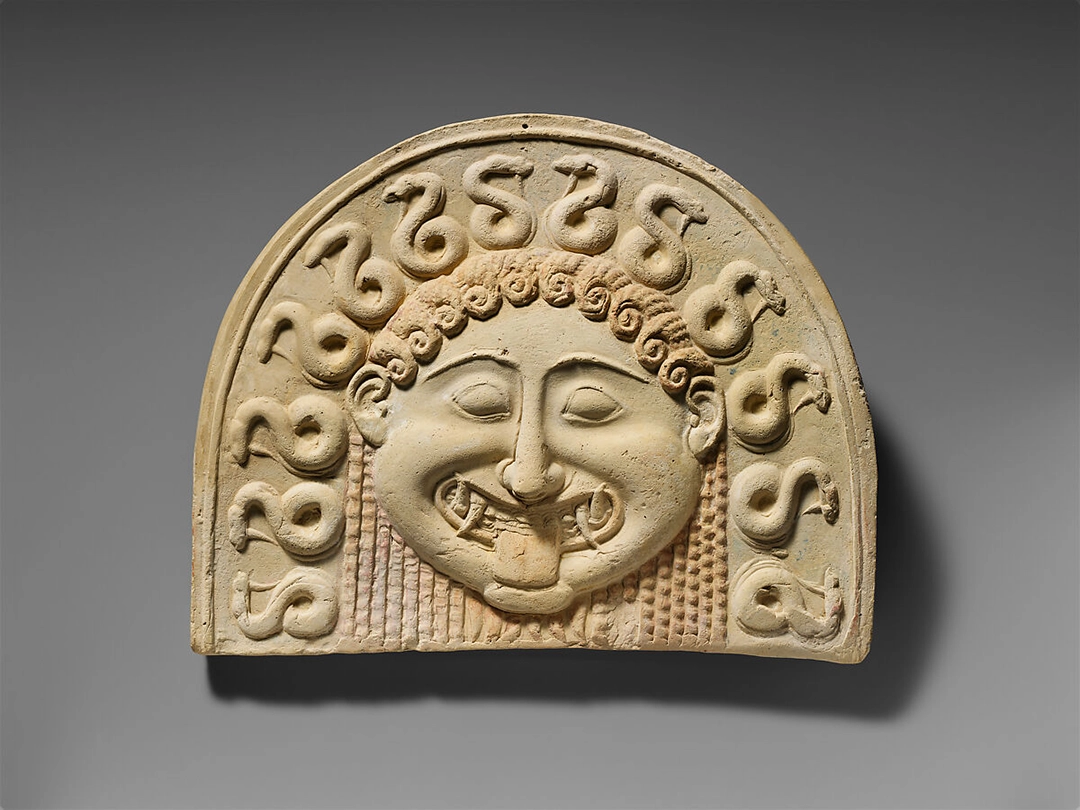
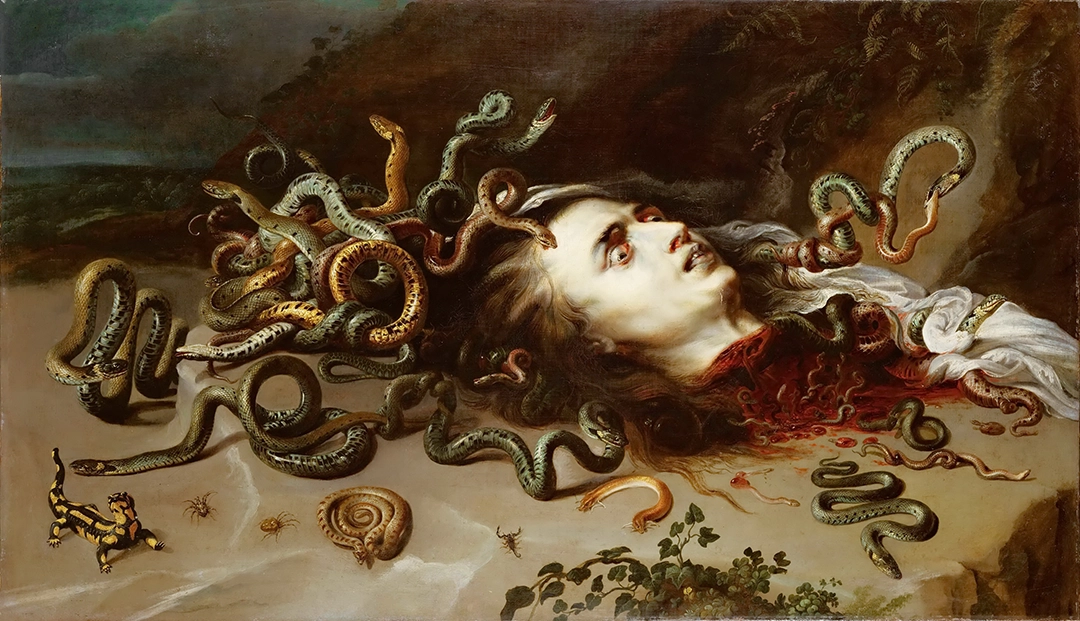
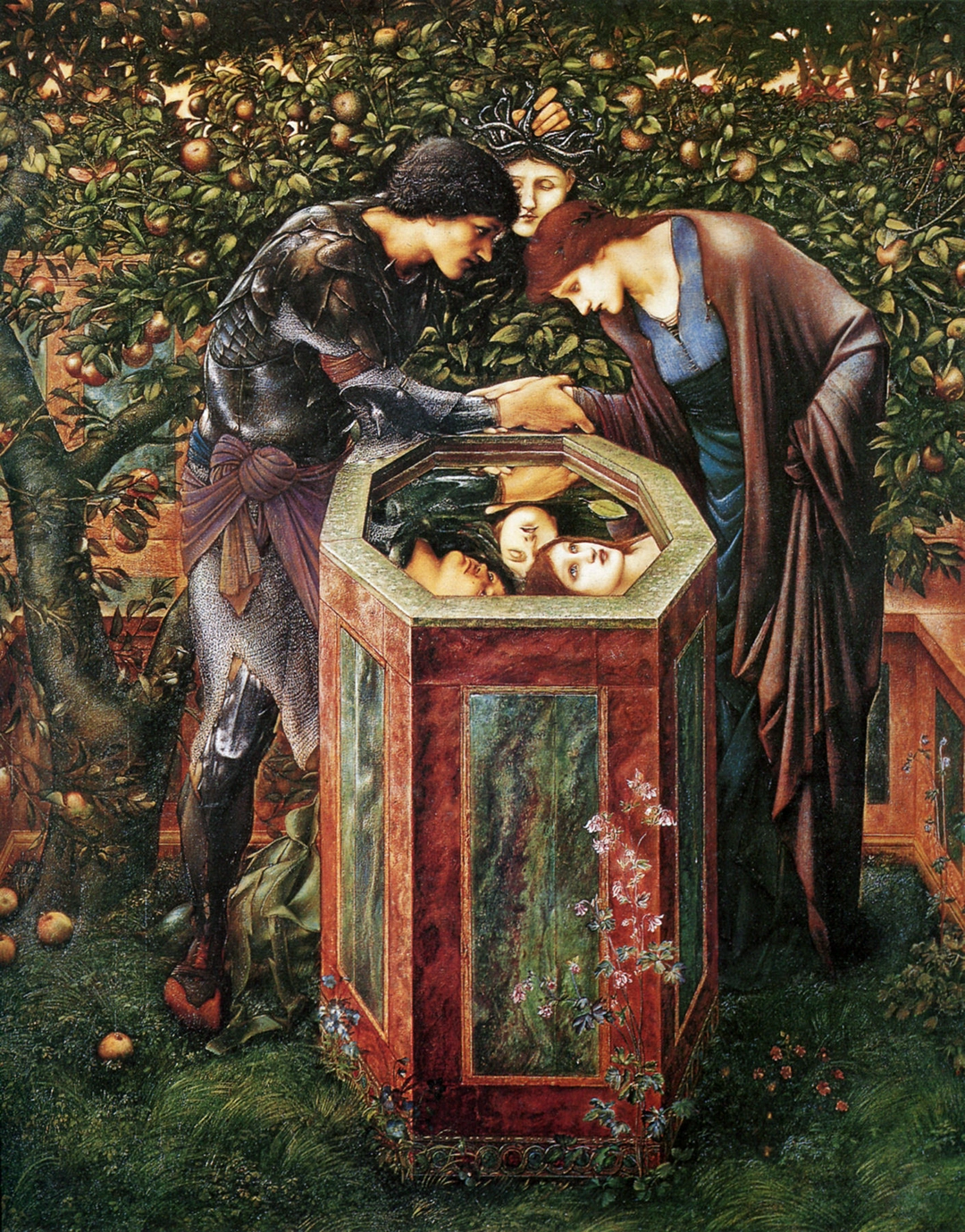
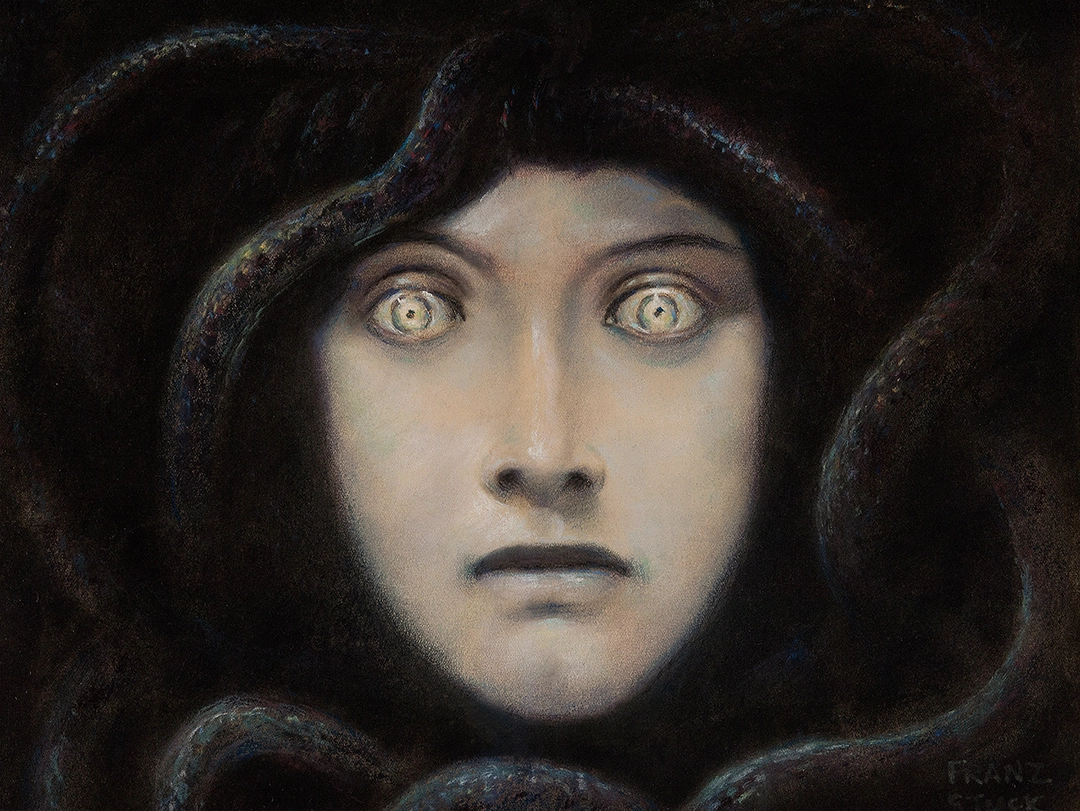
In the middle of one of the summer’s pitched battles —the adaptation of the Odyssey that many consider ill-judged— how could one not think of Medusa, the Gorgon whose gaze turned men to stone. It is true that she does not belong to Odysseus’s own mythological cycle, yet she is explicitly mentioned in Book XI. During his descent into Hades, our hero fears that Persephone might send him the Gorgon’s head from the underworld, a fear that helps send him out of there like a cheap bottle rocket.
The soft-bodied medusa is far older and enters a signifying cultural system that precedes it by a great distance. Through its very form, it activates the idea that despite its fleshy, ambiguous crystallinity, it carries venom with it, while its vague, slow movement produces a false sense of safety. That movement is also a dance, and within its exasperating cadence countless forms of unease and misfortune are born.
Why does something that appears so defenseless and vulnerable produce fear and fascination at once? Sensuality and strangeness at once, latent threat. I think it has to do with what we have already anticipated. Its permeable, poorly delimited identity, its uncontrolled drift and its contempt for the rules that govern the rest of living creatures. If everything in it is visible, where does it hide its danger? Its psychological meaning, however, depends more upon personal experience than upon any shared cultural code.
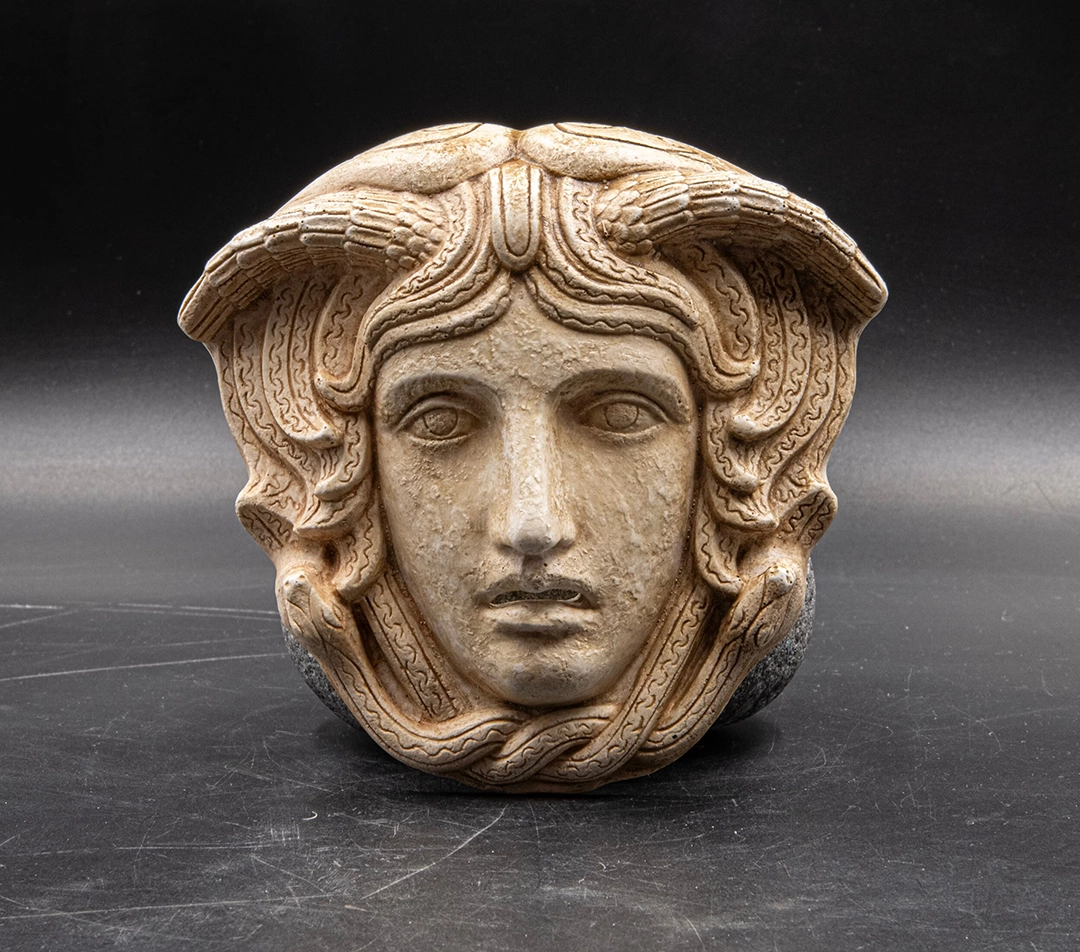
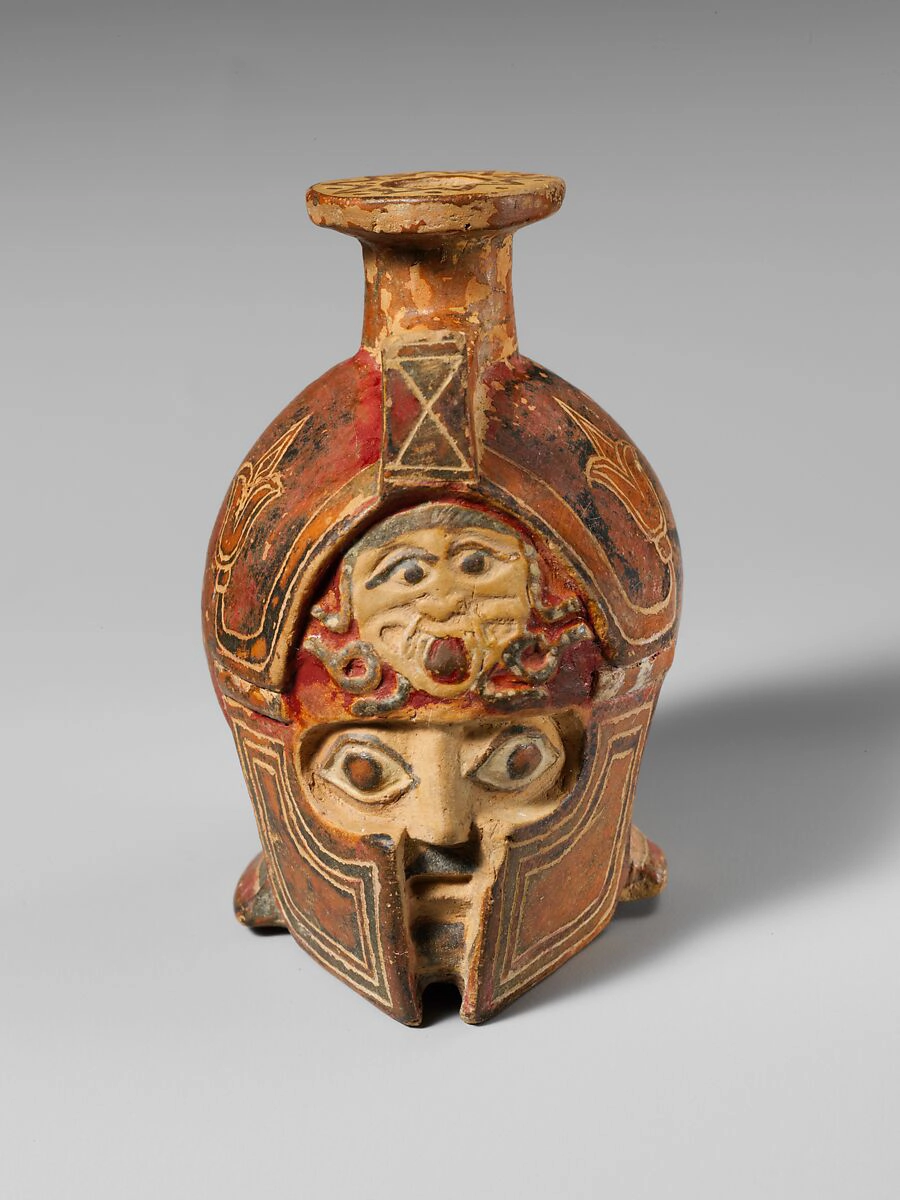
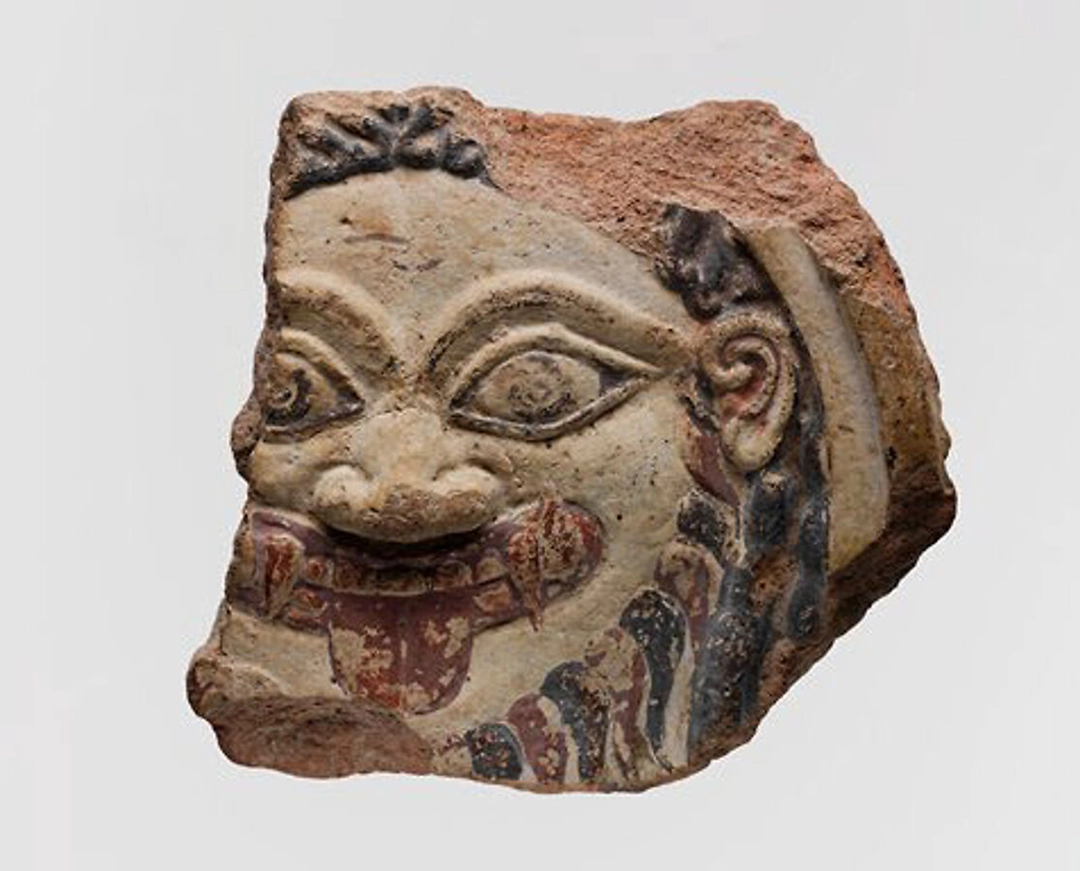
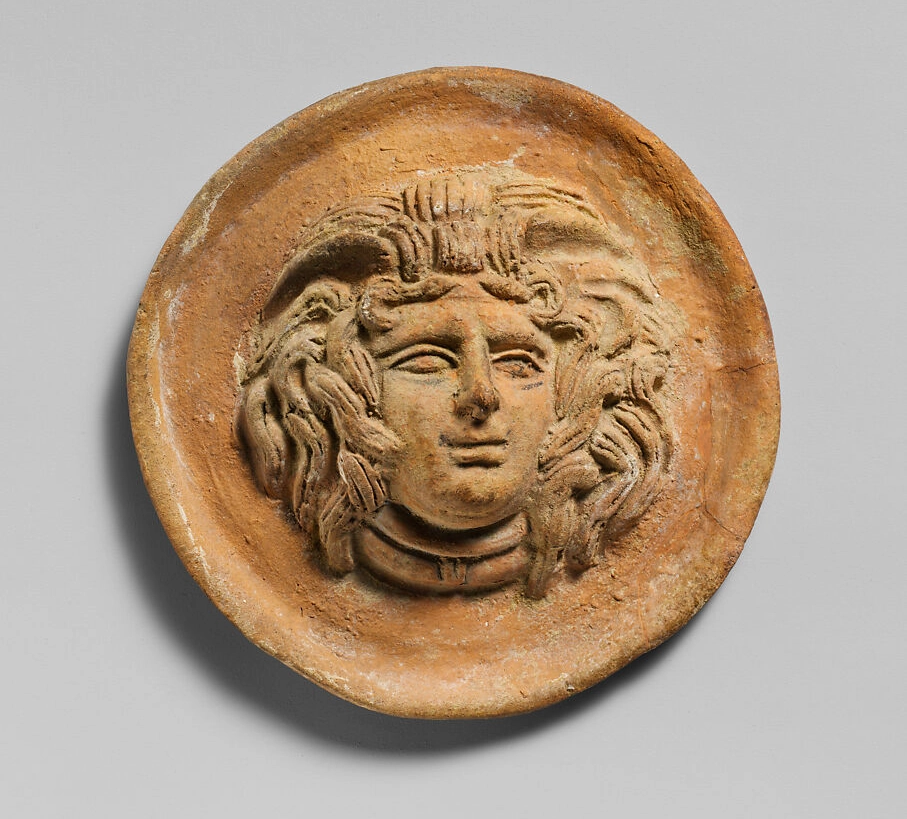
Medusa —the Gorgon I cannot get out of my head— turned to stone anyone who happened to meet her eyes. Could hers have been that kind of forbidden beauty, reserved for the gods or for the powerful alpha male? Beauty carrying its punishment within itself, the monstrosity of a power unquestionably feminine, because I have never in my life heard anyone speak of the medusos. All of this binds beauty to death, as Thomas Mann would do much later with Tadzio in Death in Venice.
What is curious is that in Spanish we now call this semiconscious substance medusa because the word derives from the name of the third of the Gorgon sisters, alongside Stheno and Euryale. What might it have been called before that, before medusa and before its scientific names? A man’s name, or a woman’s?
How did the jellyfish make it onto the front page of the Financial Times? When some executive called the art director or picture editor, he must have replied that it was a manifest sign of climatic and economic transformation. Its proliferation can be read as a visible consequence of the warming Mediterranean, with potentially serious effects on the exploitation of its resources and on coastal industries. Also because, editorially, it works extremely well against front pages ordinarily dominated by debt, inflation, employment and markets. Because it is an extraordinarily attractive image. Because it introduces a visual pause into the newspaper’s sustained pragmatic density.
But I think it is there for the same reason I would have put it there. For its maddening ambivalence, for the slowness with which, like death, it approaches, perfumed, made up, disguised as life in full. For the state of defenselessness we experience when we see otherness cross our path and there is nothing we can do to avoid it.
Notes
Caravaggio painted two versions of the Head of Medusa. The first in 1596 and the other presumably in 1597/8. The first version also known as Murtula, due to the poet who wrote about it (48x55 cm) is signed Michel A F, (Michel Angelo Fecit) and was found on the painter's studio only after his dead. Nowadays it belongs to a private collection whilst the second version, slightly bigger (60 x 55 cm) is not signed and it is in the Uffizi Gallery, in Florence.
The "Head of Medusa" executed by Caravaggio, in 1598, was commissioned as a cerimonial shield by Cardinal Francesco Maria Del Monte, the Medici family's agent in Rome, after seeing, on the painters studio, the first version - The Metula painting. The purpose of this commissioned was to symbolize the Grand Duke of Tuscany's courage in defeating his enemies. For its subject matter, Caravaggio drew on the Greek myth of Medusa, a woman with snakes for hair who turned people to stone by looking at them.















Comments powered by Talkyard.