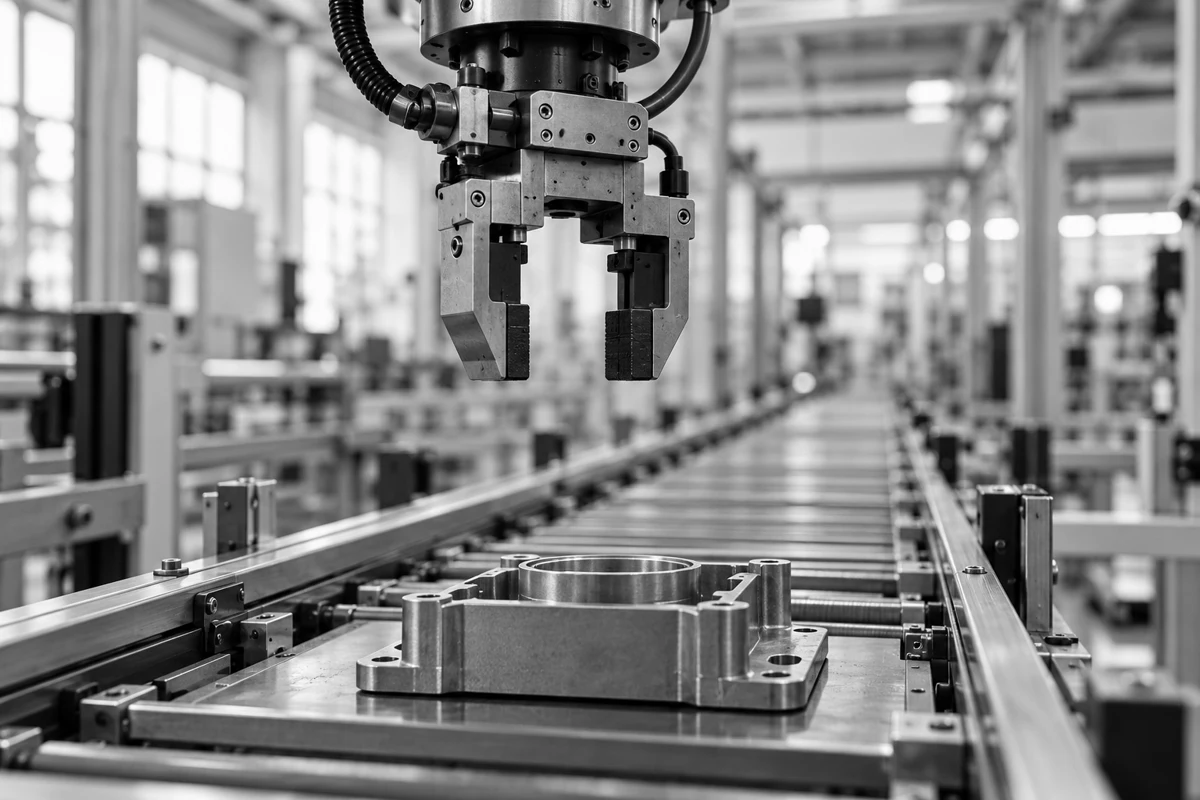
Siemens and NVIDIA are testing AI tools that propose production plans at Siemens’ electronics factory in Erlangen, Germany. Presented on October 19, the system generates alternatives when orders arrive and shows planners how each option performs against selected indicators. Proposals are checked in a digital twin, a virtual representation of the plant, before implementation. Siemens says agent-based planning could cut costs by up to 20%. That is a company claim about potential savings, not a guarantee for every factory. The plant, which makes power electronics and automation technology, employs about 1,000 people.
The indicators chosen by management will shape which plan looks best. A cheaper sequence could still leave a maintenance team too little time to inspect equipment or make an operator repeat a difficult task. Those effects need a place in the comparison. Workers who know the machines should be able to point out what the simulation misses and have that objection recorded. A planner who changes a proposed sequence also needs enough time to explain the decision, without pressure to accept the software’s first recommendation. Testing a plan virtually can avoid costly mistakes on the line. Its value will depend on how objections made in the workshop reach the people approving it. Before a proposal becomes the next shift’s instructions, someone must be responsible for checking it and authorized to stop it.