
Americans are growing wary of the data centers arriving near their homes. A Harvard and MIT poll of 1,000 people found 40 percent supported a local facility and 32 percent opposed one, with an e-commerce warehouse drawing greater acceptance. Two-thirds worried that a data center would raise regional electricity prices. A separate Quinnipiac survey of 1,397 adults found a harsher result, with 65 percent opposing an AI data center in their community and 24 percent supporting it.
The warehouse comparison strips away the polished language surrounding AI infrastructure. A fulfillment center brings trucks, traffic, and difficult jobs, but residents can see the exchange being proposed. Data centers occupy enormous buildings, consume electricity and water, and employ relatively few people after construction. Their product leaves through cables, while neighbors remain with cooling equipment, transmission demands, tax agreements, and possible pressure on utility bills. Promises of innovation have little force at a zoning meeting when the permanent payroll is small and households suspect they will subsidize industrial power use. The backlash turns cloud computing into a local argument over land and rates. Companies seeking new sites will have to persuade elected officials and utility customers who can identify the building behind the service and calculate what it adds to the monthly bill.
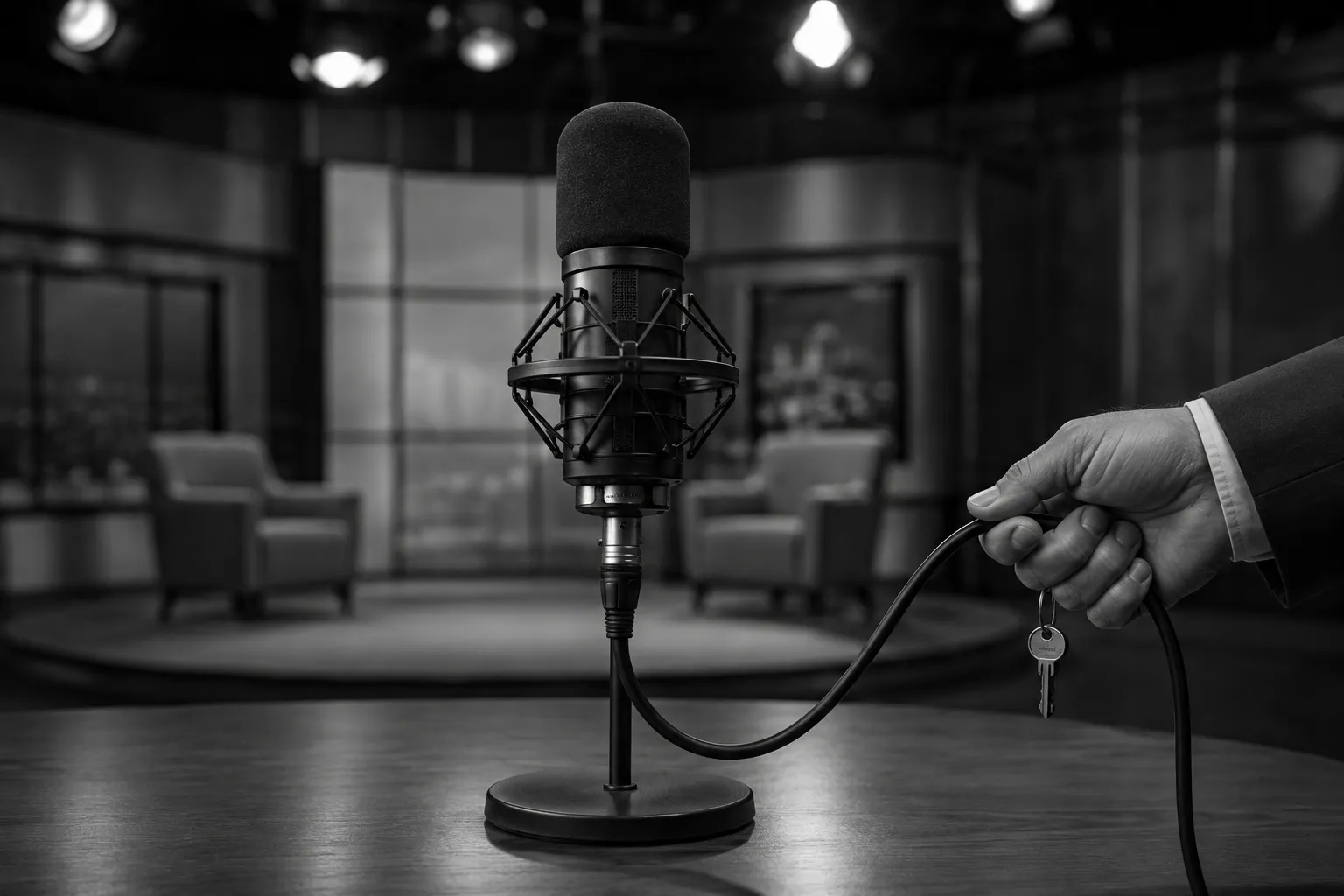
OpenAI acquired TBPN, the daily three-hour business talk show hosted by former founders John Coogan and Jordi Hays. It is the company’s first media acquisition. The program, which airs on YouTube and X, has built a Silicon Valley following by interviewing executives including Mark Zuckerberg, Satya Nadella, and Sam Altman. OpenAI says TBPN will keep its brand, choose its guests, and retain editorial independence, while the show joins OpenAI’s strategy team under chief political operative Chris Lehane.
The arrangement places ownership inside the conversation it seeks to influence. TBPN covers OpenAI and its rivals, and its appeal rests on insiders speaking candidly among peers. After the sale, every criticism of the parent company will carry an extra fact beside it, even when no executive intervenes. Editorial independence can govern decisions in the studio, yet ownership determines salaries, expansion, reporting lines, and the conditions under which the studio continues. OpenAI also plans to use the hosts’ communications and marketing instincts outside the show. A media outlet valued for access thus becomes part of the subject’s communications apparatus. Sam Altman says he expects no gentler treatment, but audiences must now judge each interview through a corporate structure that reports to the political strategist charged with defending OpenAI.

Anthropic accidentally triggered the removal of thousands of GitHub repositories while trying to take down copies of leaked source code from Claude Code. The company’s notice reached around 8,100 repositories, including legitimate forks of Anthropic’s own public repository. Anthropic later said the error came from a fork network and retracted most of the notices. GitHub restored access to the affected projects.
The incident gives open software an uncomfortable legal shape. A repository can be public, copied, modified, and still remain connected to a private claim over one accidental release. The takedown system does not need to understand the code to interrupt its circulation. It needs a notice, an automated route, and a platform willing to act before the dispute has been examined. Anthropic’s mistake was corrected, but the temporary disappearance was already a kind of power. Developers who had done nothing wrong became collateral inside a company’s attempt to protect its product. Public code survives through forks, mirrors, and trust in shared infrastructure. One mistaken notice can turn that infrastructure into a switch controlled by the owner of the source code.
