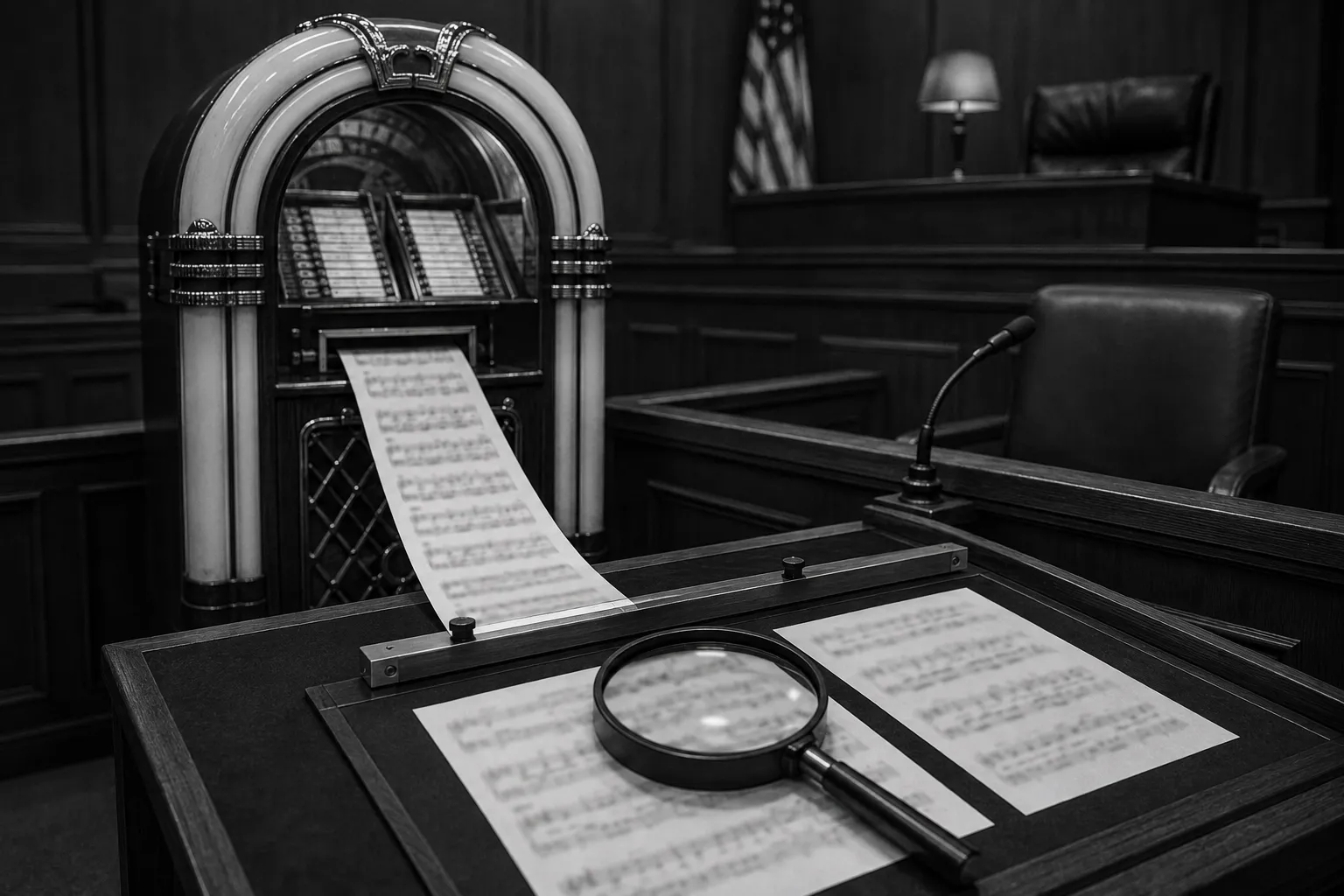
Munich Regional Court I largely upheld GEMA's claims against two OpenAI companies over lyrics from nine songs. Its release says comparison with chatbot responses persuaded the chamber that the lyrics were reproducibly contained through memorization in GPT-4 and GPT-4o. It treated that fixation as a copyright reproduction and separately found infringement when outputs reproduced recognizable protected elements. The court rejected OpenAI's argument that users bore responsibility because prompts produced the responses and the companies operated the models. It awarded undisclosed damages. The ruling was not final. The chamber dismissed a separate personality-right claim concerning altered lyrics falsely attributed to authors.
The case gave judges lyrics and outputs that could be aligned line by line with the prompts that elicited them. From that evidence, the chamber reached a legal finding about reproducible inclusion in these models. The finding does not establish that every training work is stored or that every generated resemblance proves copying. It concerns nine lyrics whose length and complexity led the court to exclude chance as the explanation for their reproduction. OpenAI disagreed and was considering its next steps. If the judgment survives appeal, operators serving protected passages may face licenses and damages even when a user initiated the request. For a songwriter, decisive evidence can include the recognizable lines delivered in a chatbot response and the operator that serves the response.

AI chatbots are being used to hide eating disorders and generate deepfake thinspiration, according to The Verge. The reported behavior includes users asking systems for ways to conceal symptoms, avoid scrutiny, create harmful body images, or sustain private routines around weight and control. The danger does not sit only in a single generated picture. It appears in the ongoing exchange, where a tool can answer practical questions, remember preferences, and make damaging behavior feel planned rather than chaotic. A chatbot can become a private assistant for secrecy.
The mirror in this story is procedural. It is a phone, a prompt, an image editor, a calorie question, a script for hiding evidence, and a late-night answer that does not call anyone into the room. Platforms often respond to visible content after it circulates. Eating disorders thrive in hidden practice, small evasions, and rituals that look ordinary from outside. AI can make those rituals more efficient. A user does not need a public forum to learn how to disappear into a thinner image or a better excuse. The harm can stay inside the account, organized by a system that treats each request as another task.

Wikipedia urged AI companies to use its paid API instead of scraping the site freely, TechCrunch reported. The request sounds technical, but it touches the economics of public knowledge. Wikipedia is built by volunteers, editors, moderators, donors, translators, and people who correct small errors without expecting their names to become infrastructure. AI systems use that work because it is broad, structured, current, and trusted enough to feed answers. The encyclopedia becomes a quiet supply line for products that may never send a reader back to the page.
The conflict is about maintenance. A free encyclopedia is not free to keep alive. Servers run, disputes are moderated, vandalism is removed, citations are checked, and obscure pages survive because someone cared enough to tend them. When AI companies absorb that labor into chatbots and summaries, the public source can lose traffic, context, and support while still carrying the burden of accuracy. A paid API is Wikipedia's attempt to name the pipe and charge for industrial use. The open page remains open to the reader. The machine arriving at scale is being asked to enter through a door that helps keep the building standing.

British services were selling automated help with objections to planning applications when experts warned that widespread use could overwhelm the system. Objector offered policy-based objections for £45, using generative software to scan an application for possible grounds and produce letters or committee speeches. Planningobjection.com advertised a £99 letter. Objector's founders said experience opposing a nearby mosque conversion led them to build it as cheaper access to planning law. Planning lawyer Sebastian Charles said his firm had encountered generated objections citing nonexistent cases. He warned that mass adoption could halt planning work. Charles was forecasting a shutdown of the national system.
The mechanism requires no imagined collapse. A resident uploads an application and receives polished grounds for resistance, while a council officer must check each citation before elected members rely on it. Repeating that transaction cheaply can enlarge consultation volumes without adding local knowledge. The British government was pursuing software in the opposite direction, with Extract intended to speed planning work and Consult analyzing public responses in anticipation that language models would increase their number. This creates a contest between services that manufacture submissions and systems that compress them for officials. A genuine objection may enter through the first tool, then lose its voice in the second tool's summary. Councils facing that volume will need a disclosure rule and a planning officer who verifies each cited case before the committee vote.
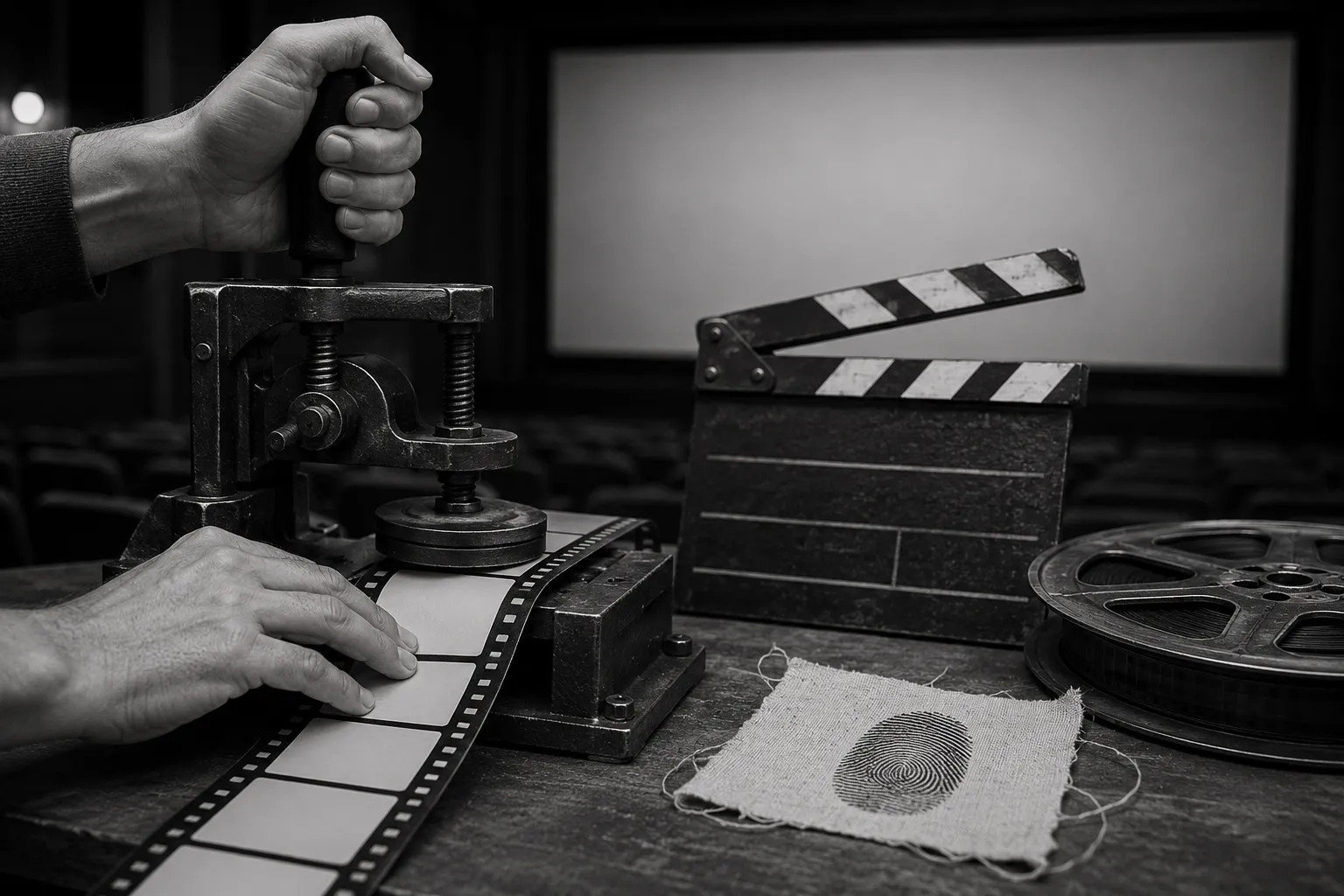
The end credits of Apple TV's Pluribus declare that the show was made by humans. Creator Vince Gilligan reinforced the line in Variety, calling generative AI an expensive, energy-intensive plagiarism machine and expressing his opposition in harsher terms. The series, led by Rhea Seehorn and set in Albuquerque, arrived with two episodes on November 7 after receiving a two-season order. Its statement sits beneath an animal-safety notice, where screen productions already place acknowledgments about working conditions. TechCrunch presented the wording as a possible model for filmmakers wishing to state that generative systems were absent from production. The credit is a claim by the producers and provides no independent proof of that history.
The placement turns human authorship into a provenance label attached after the episode. A viewer can read it, yet the screen supplies no standard for which tools count or who inspected the workflow. Such details become practical when studios market human production as a distinction. Guilds and distributors could demand records from scripts, editing systems, effects vendors, and contracts, with different thresholds for acceptable assistance. Without a shared definition, two productions could display the same sentence after markedly different processes. Gilligan's line still makes production method visible and offers the audience a promise that could be audited. Its credibility will depend on who can inspect the contracts and authorize the end-credit card.

AI translation keeps improving, but The Verge's account of people working across languages points to a familiar unease. A system can make a sentence smoother, faster, and easier to circulate while also shaving off hesitation, accent, joke, register, and local pressure. Translation is never only a transfer of meaning. It is also a decision about how much strangeness to preserve, who gets to sound educated, who sounds blunt, and which mistakes deserve to remain visible. An AI tool can solve one part of that problem while hiding the human argument inside the polished result.
The risk is not bad grammar alone. The risk is a voice made too clean. A migrant filling a form, a worker speaking to a manager, a patient describing pain, or a creator subtitling a video may receive language that sounds correct but no longer carries the same social weight. The machine can flatten discomfort into serviceable prose. That helps when bureaucracy demands clarity. It hurts when the roughness was part of the truth. Translation has always involved compromise, but AI makes the compromise fast enough to feel automatic. The person on the other side hears fluency and may never know what was lost on the way.
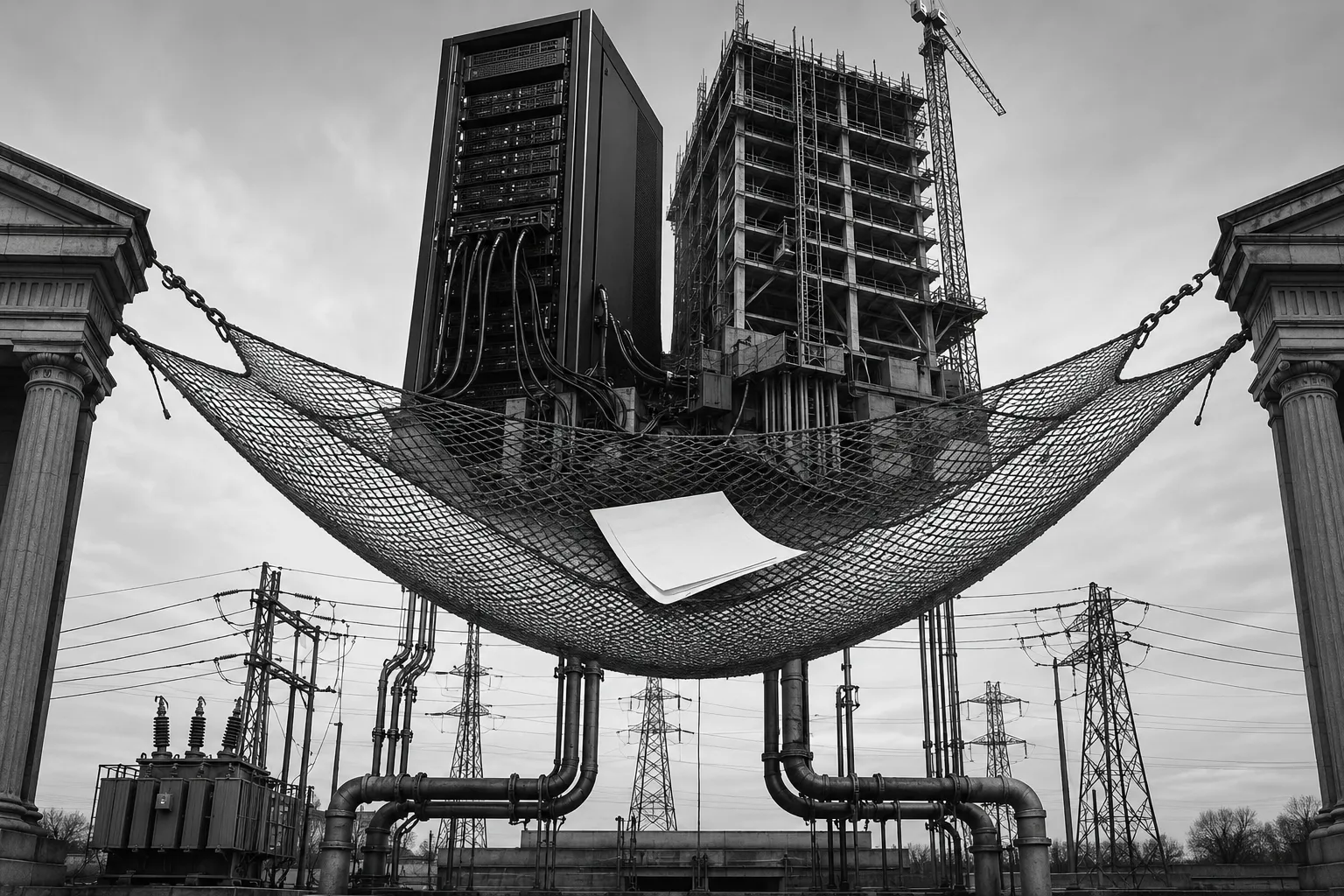
OpenAI chief financial officer Sarah Friar told a Wall Street Journal event that she wanted the U.S. government to backstop infrastructure loans, lowering borrowing costs and permitting greater debt against equity. After criticism, she said the word had muddied her point and denied that OpenAI was seeking such a guarantee. Sam Altman wrote that the company neither had nor wanted government guarantees for its data centers, while government AI adviser David Sacks ruled out a federal bailout. Altman also said OpenAI expected an annualized revenue run rate above $20 billion by year end and had about $1.4 trillion in commitments over eight years.
The financing question survives because the proposed construction still meets government at physical bottlenecks. Sacks said Washington wanted to ease permitting and power generation. Altman said loan guarantees had been discussed for U.S. semiconductor plants pursued after a government call, although OpenAI had made no formal application. Guaranteeing a chip factory differs from rescuing a failed company, yet it can shift financing risk and reduce prices for firms buying its output. Faster permits also place public decisions beneath privately owned computing capacity. OpenAI can reject protection from its commercial failure while supporting state action that cheapens the facilities on which expansion depends. The distinction should remain explicit whenever officials guarantee a fabrication loan or connect a data center to the power grid.

Google Maps began adding Gemini features that turn navigation into a more conversational guide. According to The Verge, the app can answer questions about places along a route, help drivers find stops, understand more natural requests, and use AI to make reporting incidents easier. Maps has always mediated the city, but it usually did so through lines, pins, reviews, traffic colors, and spoken turns. Gemini adds another layer. The user can ask the map for judgment while moving through streets that already depend on ratings, business listings, location histories, and other people's traces.
The change matters because a map is never neutral once it starts talking. A driver asking where to eat, where to park, which route feels safer, or what is worth seeing receives a city shaped by databases and commercial priorities. The old map showed roads and left some uncertainty to the traveler. The new assistant can reduce that uncertainty before the person looks out the window. That may be useful in a strange neighborhood or at night. It also trains movement through a voice that speaks with borrowed local knowledge. The city remains outside, but the first explanation of it now comes from the passenger seat.
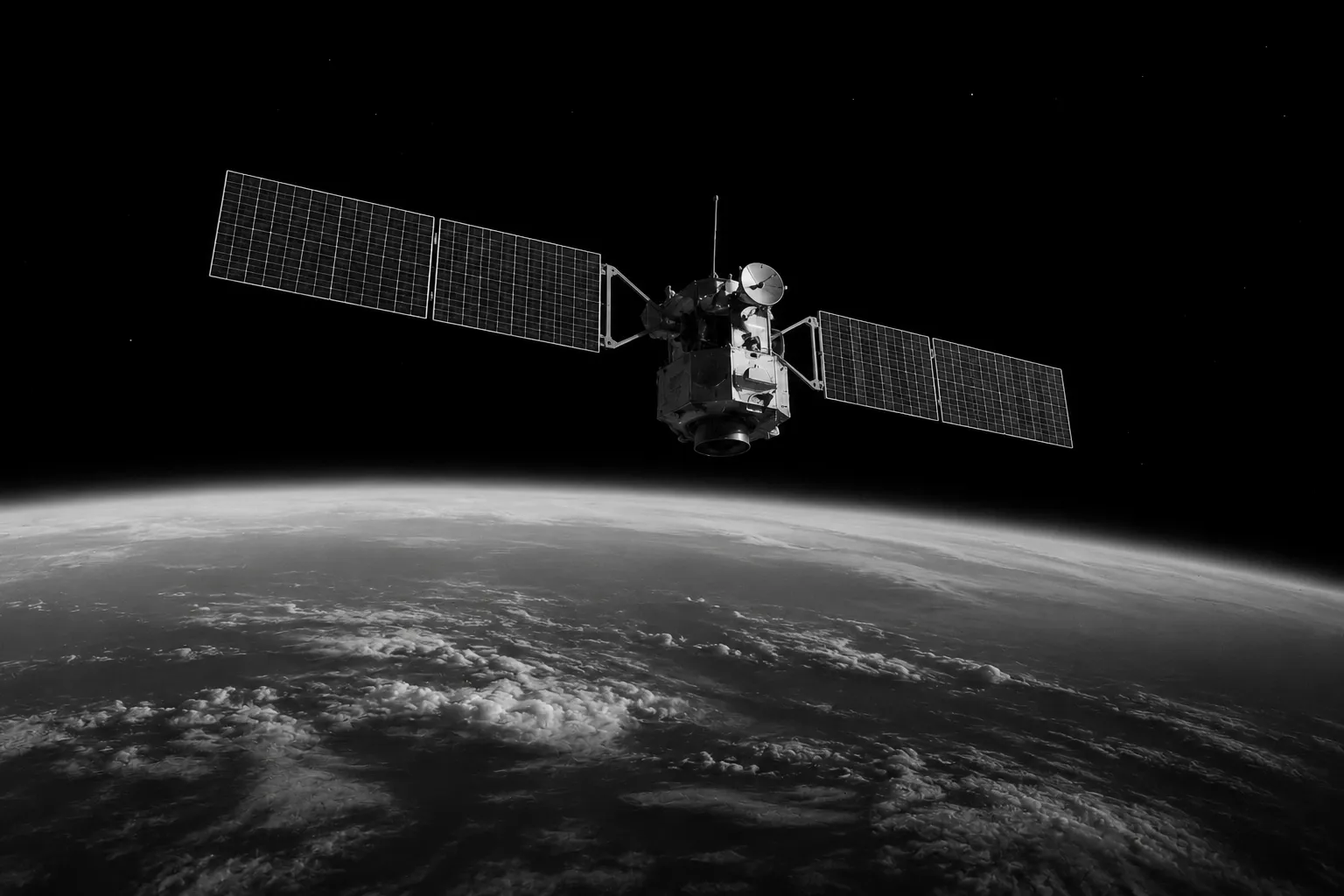
Google has been exploring a moonshot plan for AI data centers in space, according to The Verge. The idea imagines orbital computing infrastructure that could use abundant solar power and reduce some pressure on terrestrial grids, land, and cooling systems. It belongs to the same industrial imagination that already treats AI as a problem of electricity, chips, fiber, water, and real estate. Moving servers into orbit sounds extravagant, but the proposal follows a familiar logic. When local infrastructure becomes strained, the industry looks for a larger outside.
The orbital server turns computation into a geographic fantasy. A data center on Earth has neighbors, permits, substations, heat, noise, tax deals, and arguments over water. A machine above the horizon seems to escape those frictions, at least in the promotional image. The costs do not disappear. Launches, maintenance, debris, latency, ownership, and military proximity become part of the calculation. The cloud was never weightless, and space will not make it innocent. AI begins with a prompt on a desk, then points toward a server room so large that the next room may be the sky.
