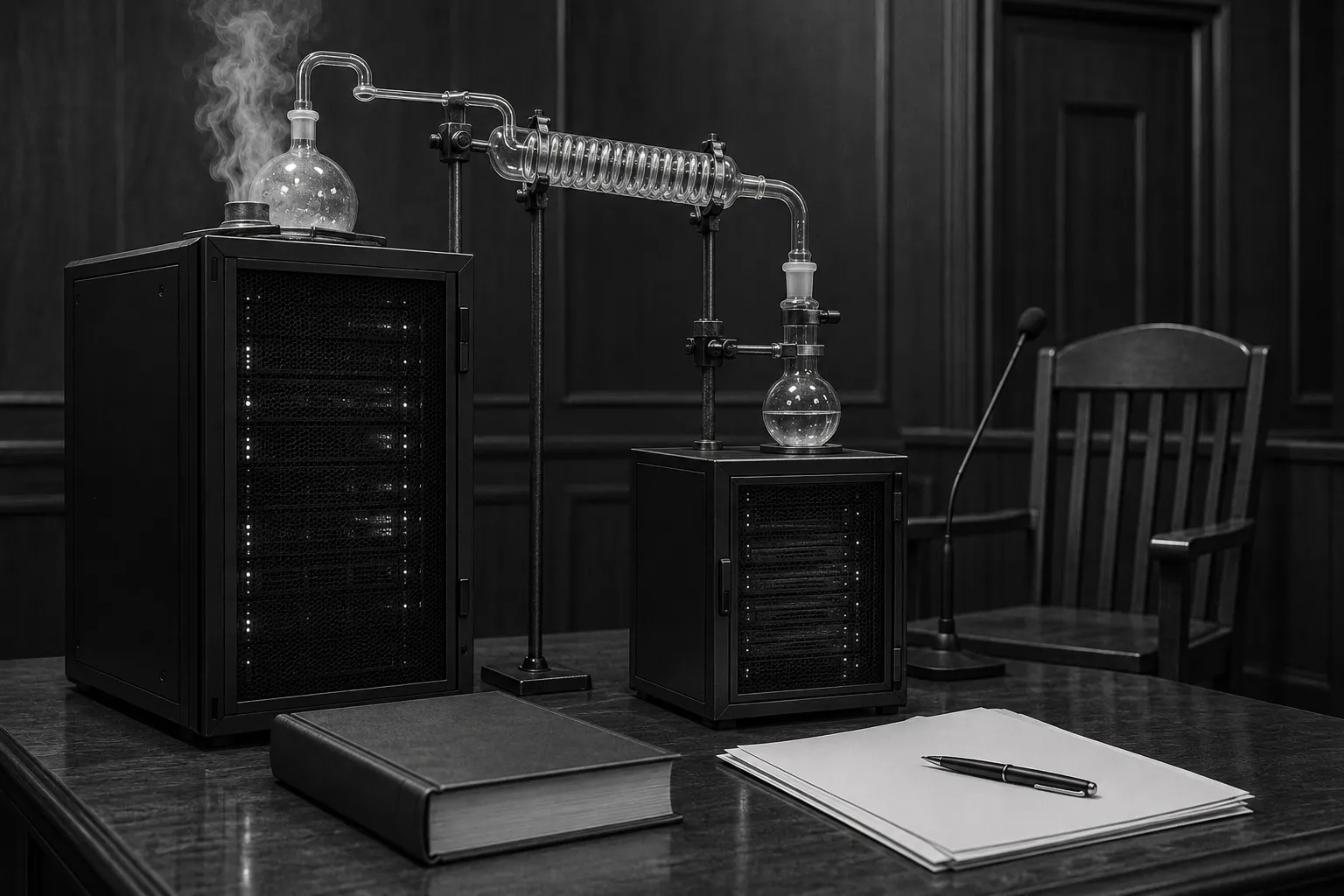
Elon Musk testified in a California federal court that xAI partly used OpenAI models to train Grok through distillation. Asked whether the company had used the technique, he first called it a general practice among AI companies and then answered, "Partly." Distillation can involve systematically querying an accessible chatbot or API and using its outputs to train another model. Musk was on the stand in his lawsuit against OpenAI, Sam Altman, and Greg Brockman over the organization's shift toward a for-profit structure. The legal status of distillation remains unclear, although the practice may violate providers' terms of service. OpenAI did not comment on Musk's admission before publication.
The testimony places imitation inside the history of a laboratory founded years after its rival. Training data has produced disputes over books, images, news archives, and code. Model outputs now become another contested resource. A leading system can supply training examples to a competitor that sends enough carefully designed queries. At the same time, OpenAI, Anthropic, and Google reportedly share information through the Frontier Model Forum to combat distillation attempts associated with Chinese firms. Their defense operates through access rules and detection of suspicious mass queries. Musk's answer turns that boundary into a practical question for every lab seeking protection. Providers must decide which pattern of prompts resembles ordinary use and which account should be blocked as a rival's training operation.
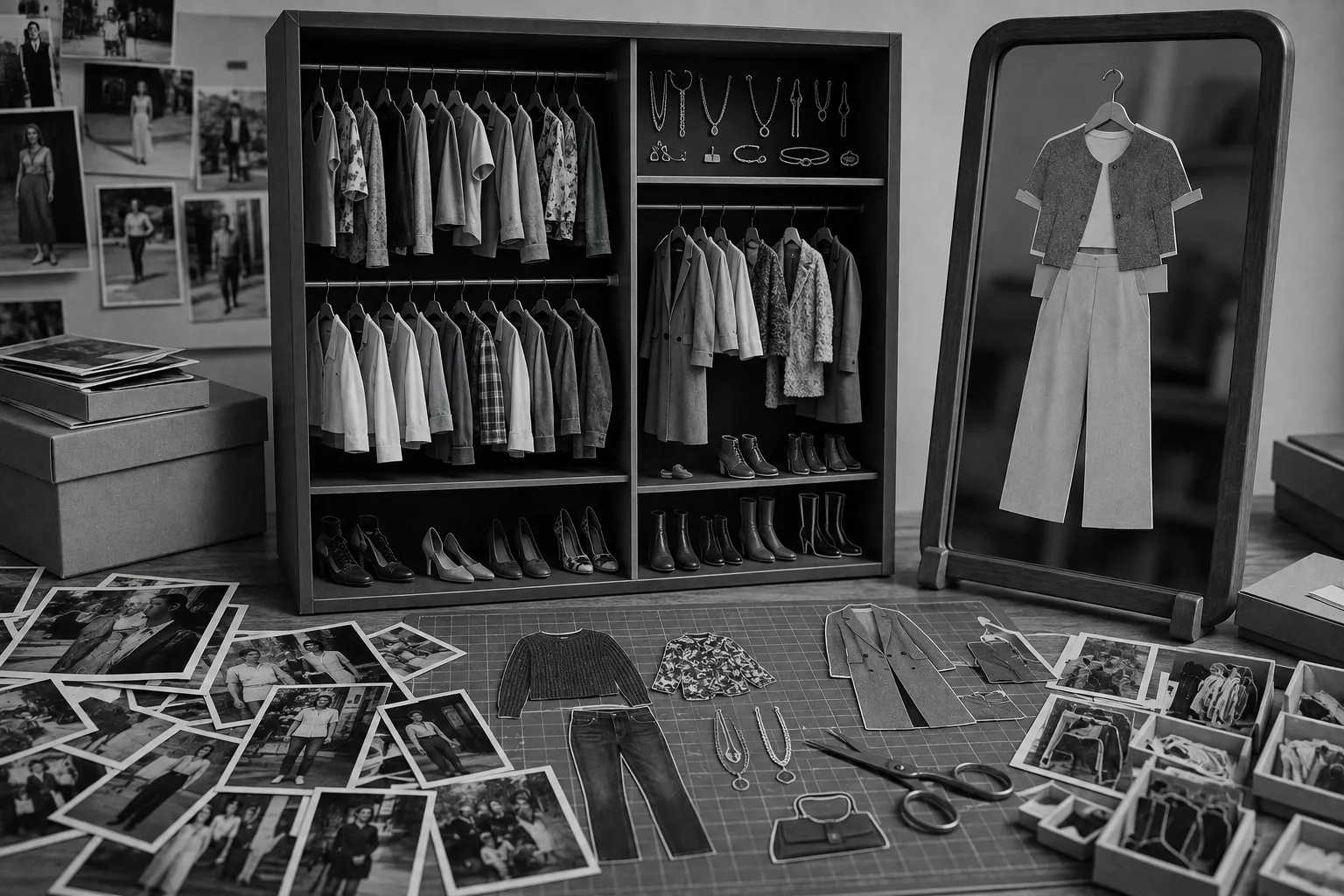
Google Photos announced a feature that will identify clothes and accessories across a user's photo library and assemble them into a digital wardrobe. People will be able to filter items by categories such as tops, bottoms, and jewelry, combine pieces into outfits, save ideas to moodboards, share them with friends, and preview looks through virtual try-on. Google plans to release the feature on Android later this summer, followed by iOS, under Collections. The company gave no technical account of how recognition works. Its reference point is the computerized closet used by Cher in the 1995 film Clueless, an image of effortless dressing built around a wealthy teenager's extensive wardrobe.
The feature assigns a second purpose to photographs made for birthdays, trips, mirrors, and ordinary days. A coat at the edge of an old picture becomes an item in a current inventory. Repeated appearances can supply material for combinations and purchasing decisions. The family archive thereby acquires the organization of a shop, with categories, previews, and moodboards laid over remembered scenes. Google's version also changes the fantasy borrowed from Clueless. Cher had to catalogue garments for her dedicated computer. Google Photos proposes to construct the catalogue from images people have already stored. Its usefulness will depend on the visible clothes in those files, and the company suggests no method for recovering an item the camera never clearly recorded.
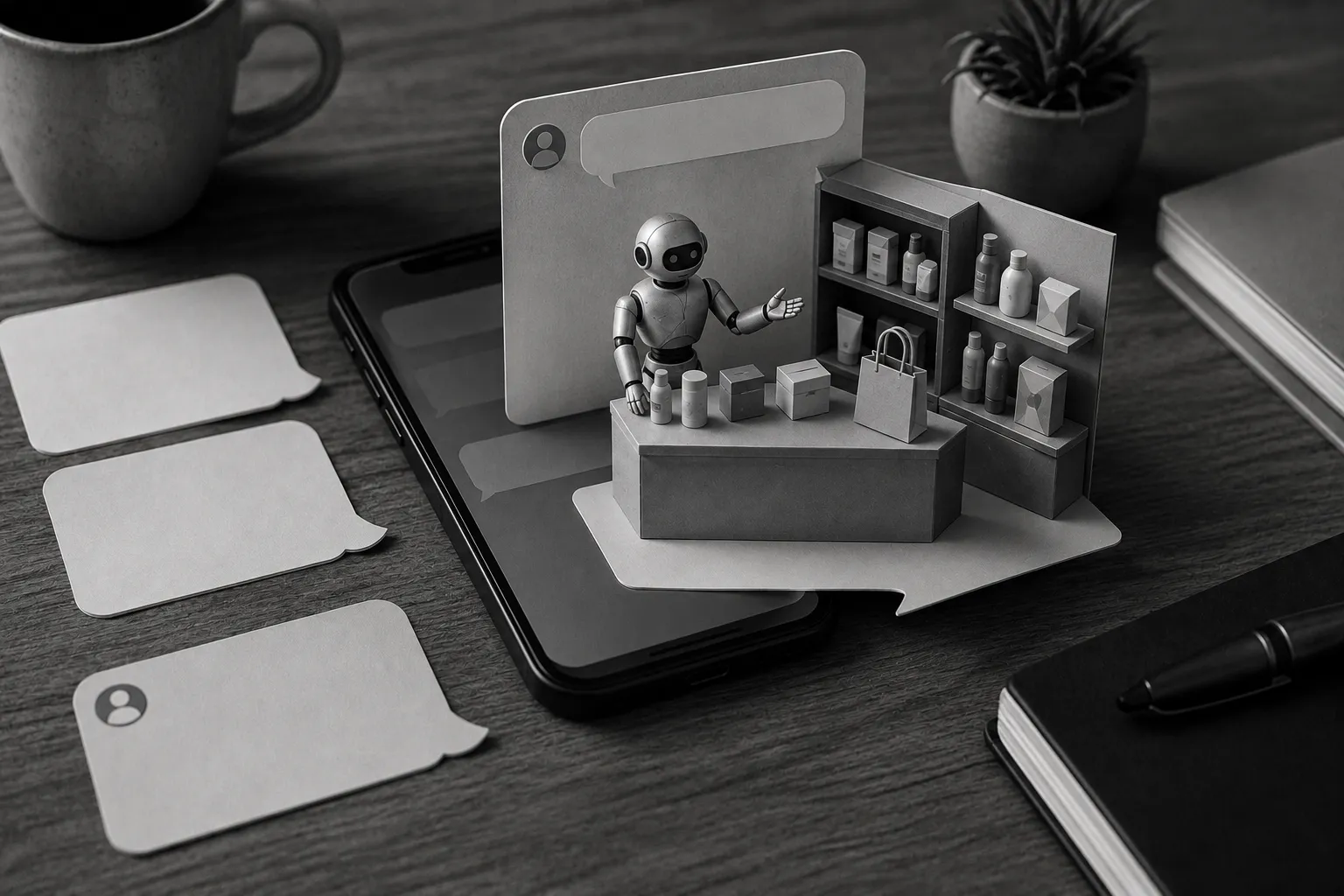
Snapchat is rolling out AI Sponsored Snaps, ads in the app's Chat tab that let users converse with a brand's AI agent. People will be able to ask questions and receive product recommendations, while brands can bring their own agents to the platform. Snap says Snapchat has nearly one billion monthly active users, 85 percent of whom regularly use the Chat feed. Users sent over 950 billion chats during the first quarter of 2026, and over half a billion people have messaged the My AI chatbot since its 2023 launch. The company says existing Sponsored Snaps produce 22 percent more conversions at almost 20 percent lower cost per action.
Placing a sales agent among personal conversations changes the social grammar of an advertisement. A display ad waits for a glance or click, while a conversational ad asks the user to formulate a need, describe a preference, and continue speaking until a recommendation seems usable. The brand occupies the visual position of a contact while retaining the commercial aim of an advertiser. That proximity can make persuasion feel like service when the reply adapts to the question. Snap's figures explain the choice of location. The Chat feed already holds immense volumes of behavior and repeated attention. Brands will judge the exchange through the same concrete measures attached to Sponsored Snaps, counting conversions and the cost of each action generated inside conversation.
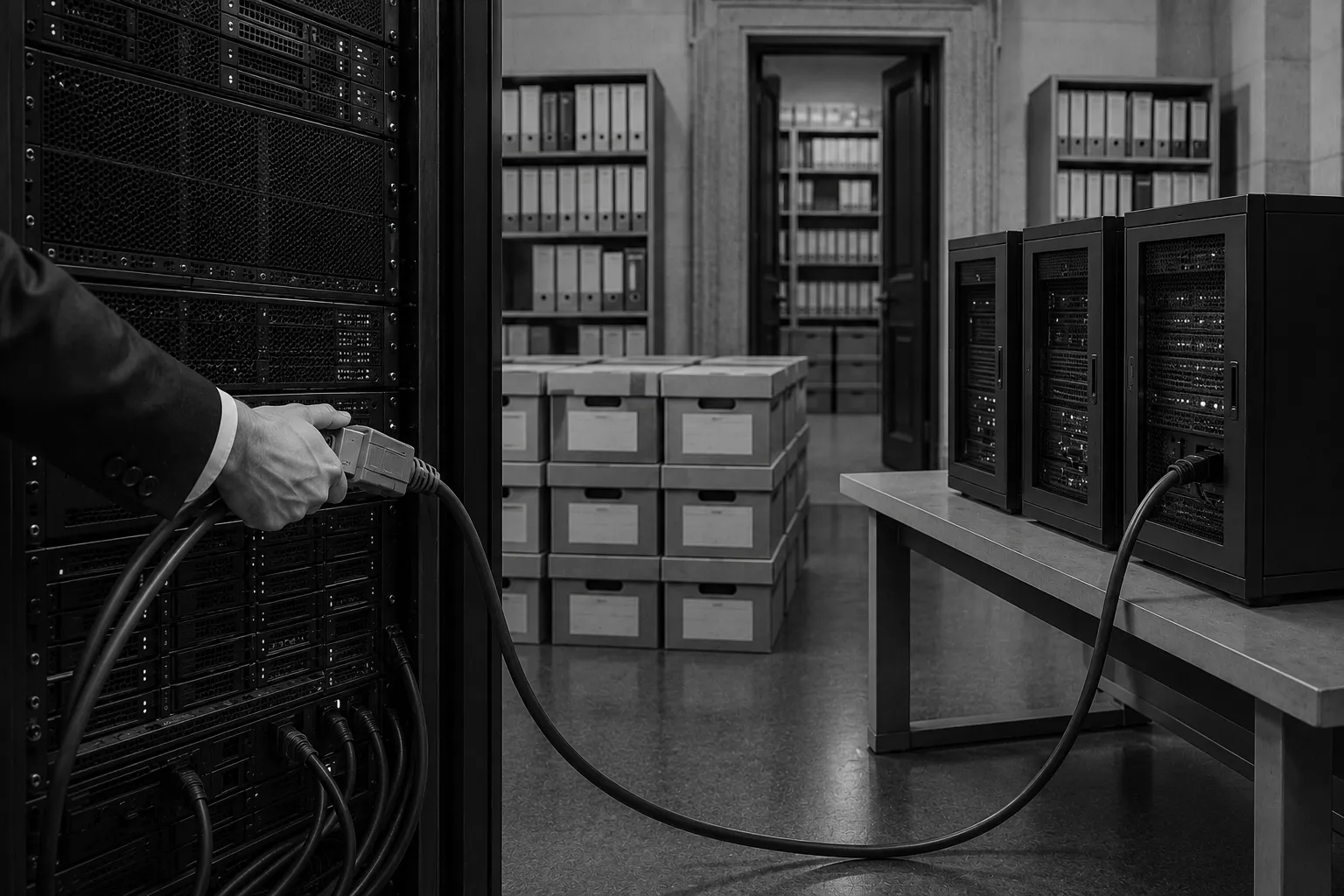
European governments are moving selected public software and data contracts away from American suppliers. France chose domestic provider Scaleway to host its Health Data Hub and is reducing reliance on Windows, while the European Commission awarded a €180 million sovereign-cloud tender to Scaleway, Clever Cloud, OVHcloud, and Germany's STACKIT. The shift responds partly to the 2018 CLOUD Act, which can compel United States companies to provide law-enforcement access to data stored abroad. Yet dependence survives inside some European offerings. One tender winner uses S3NS, a venture between France's Thales and Google Cloud, and French search engine Qwant previously relied on Microsoft's Bing.
Digital sovereignty takes material form in procurement files. A ministry can move records to servers on European soil and still inherit a foreign company's legal exposure, software layer, or search index. Open-source replacements such as Linux and LibreOffice reduce certain vendor ties, while in-house public tools create their own costs and criticism. The political task lies in tracing each service through its owners, subcontractors, licenses, data requests, and update channels. Public contracts can give smaller regional providers revenue and reach, though dividing work among several firms may limit the scale any one of them gains. Independence will be measured clause by clause, including which company receives an official's file and which jurisdiction can order that company to surrender it.

Investment banker Storm Duncan offered a 13-acre property in Mill Valley, north of San Francisco, in exchange for private Anthropic equity. Duncan bought the property in 2019 for $4.75 million and later moved to Miami during the pandemic. He described the proposed trade as a diversification play, pairing his heavy exposure to real estate with an Anthropic employee whose wealth may be concentrated in company shares. Deal terms remain private. Duncan said the buyer would avoid selling the stock outright and retain 20 percent of its upside during the lockup period. He invited interested parties to contact him by email.
The offer makes two Bay Area stores of wealth directly exchangeable. A house normally enters a sale through a listed price, financing, appraisal, and cash settlement. Here, an illiquid stake in an AI company becomes the unit by which land and residence are valued. The arrangement also describes a narrow social circuit. One owner has a large property and wants AI exposure, while a startup employee may have paper wealth and want a house. Each asset carries a different restriction, from a stock lockup to the practical costs of holding thirteen acres. The proposed contract would settle their relative value privately, before either Anthropic shares or the property meet an open market.
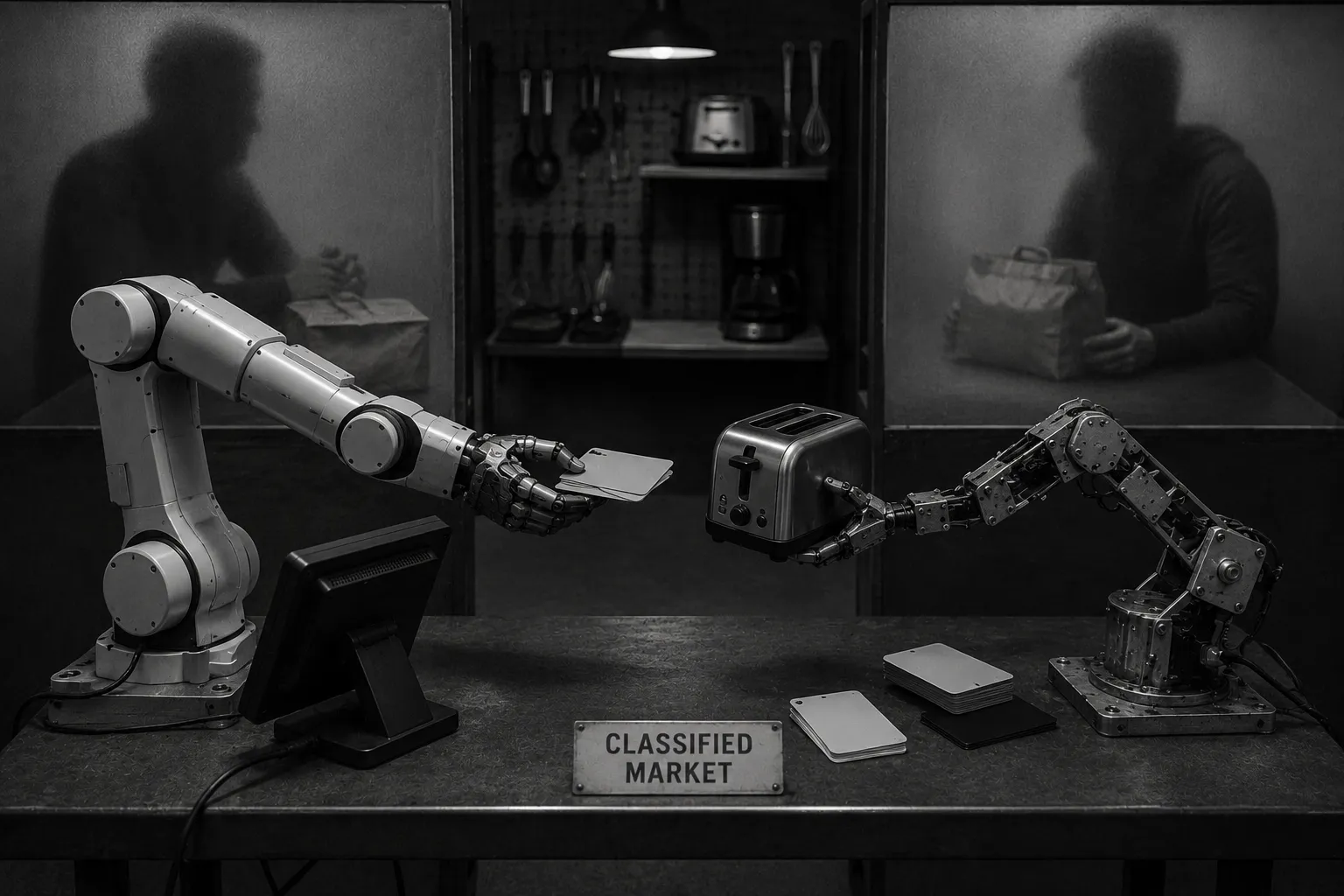
Anthropic built Project Deal, a classified marketplace where agents represented buyers and sellers in transactions involving real goods and money. The pilot involved 69 self-selected Anthropic employees, each given a $100 gift-card budget, and produced 186 deals worth over $4,000. The company ran four marketplaces using different models. One used its most advanced model for every participant and honored the resulting deals, while three served research purposes. Anthropic reported that participants represented by stronger models obtained objectively better results. People generally failed to perceive that disparity, and initial instructions to agents did not appear to change the likelihood or price of a sale.
Delegated shopping can conceal inequality behind a completed purchase. When two agents negotiate, the human principal may see the item, price, and delivery while lacking the exchange needed to judge whether a better model secured an advantage. Project Deal places model quality inside the bargaining position, alongside money and information. If such systems enter ordinary commerce, access to a stronger agent could function like access to a skilled broker, except its failures may remain illegible to the person paying. The pilot's small employee pool limits broad conclusions, yet the mechanism is plain. One buyer opens a package obtained within budget, while another receives a worse bargain and gives the agent equal credit.
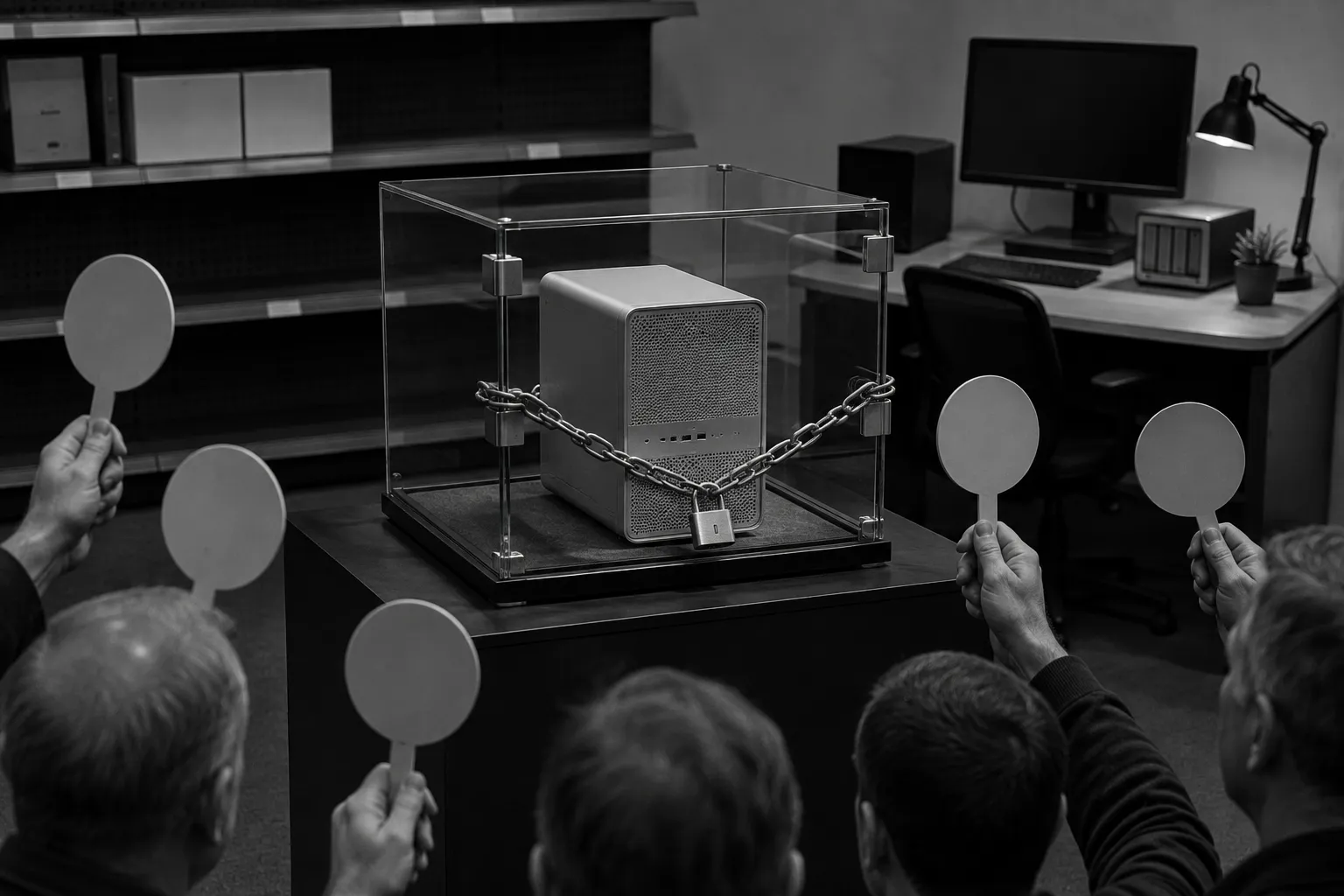
Apple's $599 M4 Mac mini with 16GB of memory and 256GB of storage sold out online in April, with shortages spreading across other base configurations. Models with larger drives were listed for June delivery. The compact desktop has become popular for running local AI software, including OpenClaw and related tools, while the computer industry faces constrained memory supplies. On eBay, new open-box base models were listed around $715 to $795, lightly used units around $700, and one refurbished machine at $979. Several Mac Studio configurations also sold out, while some high-memory MacBook Pros remained available within weeks.
The markup gives a price to a specific desire for private, continuous computation at home. A local model can run on a machine the owner controls rather than depending entirely on a remote service, but that arrangement requires memory, electricity, physical space, and hardware available at retail. Scarcity has turned a modest aluminum box into a speculative object whose resale value reflects both supply pressure and impatience. The episode also corrects the weightless language surrounding personal AI. Every supposedly local assistant occupies chips assembled through a strained supply chain and purchased against other buyers seeking the same components. For now, the choice between waiting for Apple and paying a reseller appears in an eBay listing above the original $599 price.
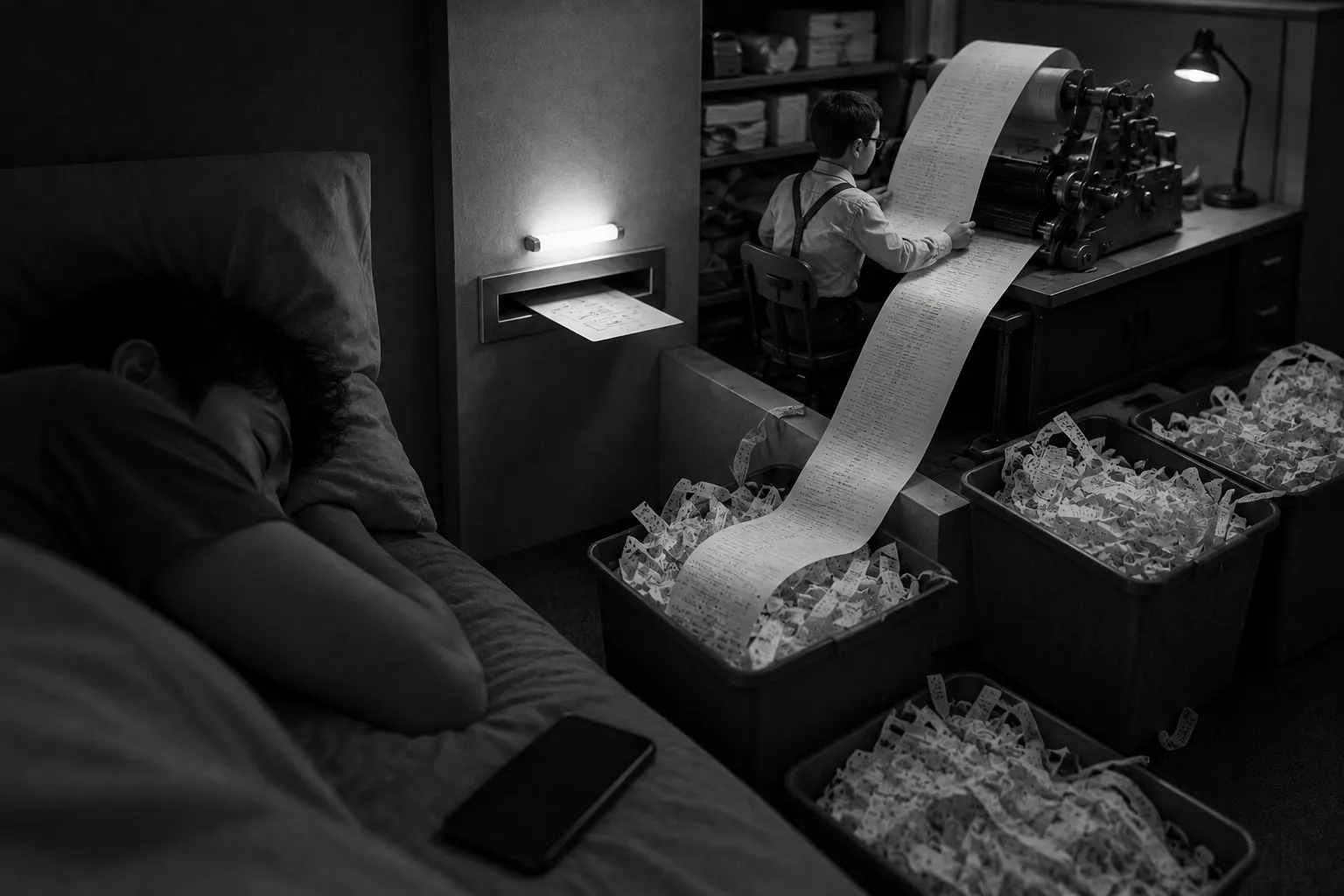
Noscroll offers a bot that browses social feeds, news sites, blogs, Reddit, Hacker News, Substack, and other sources, then sends selected links and short summaries by text. Users connect an X account, giving the service information about likes, bookmarks, followed accounts, and posts, and can specify subjects or sources they want covered. Digests can arrive weekly or several times a day, while breaking items may trigger immediate messages. Founder Nadav Hollander says the bot uses existing models on the company's own infrastructure. After a free sample and seven-day trial, the service costs $9.99 a month.
The product sells distance from the feed while preserving the fear of missing it. Relief therefore depends on delegating two judgments that scrolling once kept together, which events deserve attention and how they should be framed. Noscroll's text message feels quieter than an endless timeline, yet its selection still grows from account history, stated preferences, prompted models, and a company's choices about sources. That can save hours for people required to monitor a subject, including journalists and job seekers. It also makes omission harder to inspect because the discarded material never reaches the screen. The user receives a compact bundle of links and must decide whether its calm reflects good editing or an absent story.
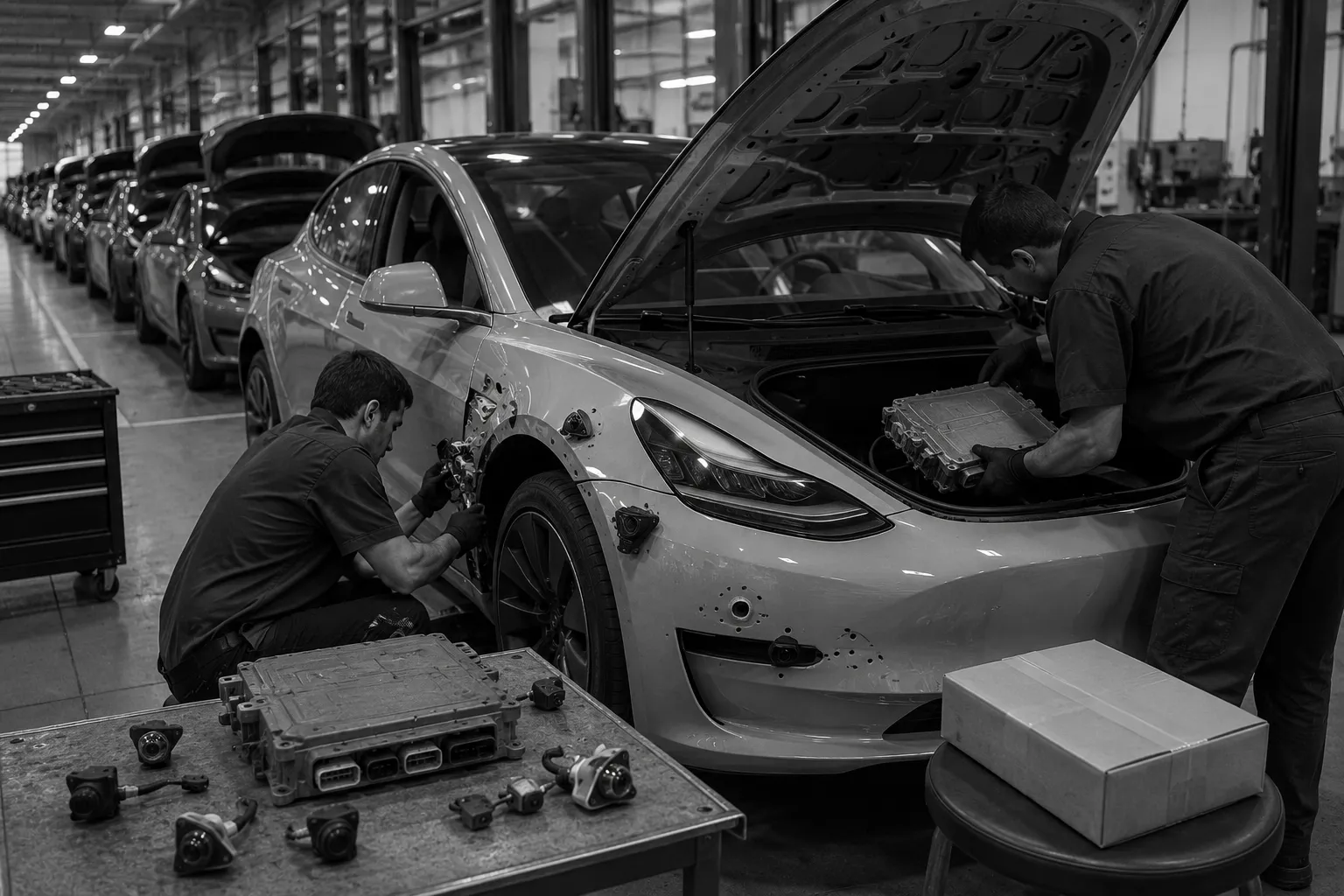
Elon Musk said millions of Tesla owners will need new computers and cameras before their cars can run a future version of Full Self-Driving without human supervision. The affected Hardware 3 vehicles were sold from 2019 through 2023, during years when Tesla promoted autonomy as a capability that could arrive through software. On the company's quarterly earnings call, Musk said Hardware 3 lacks the capacity for unsupervised driving. Tesla still plans somewhat improved supervised software for those cars. Because the retrofit would overwhelm service centers, Musk said the company is considering small production lines in major cities. Tesla has yet to release or prove the unsupervised system.
A software promise encouraged buyers to imagine the car as an unfinished object that would mature after purchase. The admission returns that future to metal, cameras, workshop hours, and urban repair capacity. Owners who paid for Full Self-Driving now occupy an awkward position between customer and early infrastructure provider, having supplied years of road use while the required machine changed beneath the sales claim. The proposed production lines expose the physical debt hidden by update culture. Each retrofit will require parts, appointments, technicians, and a decision about who receives priority. Autonomy arrives here first as a queue of Hardware 3 cars outside a service facility.
