
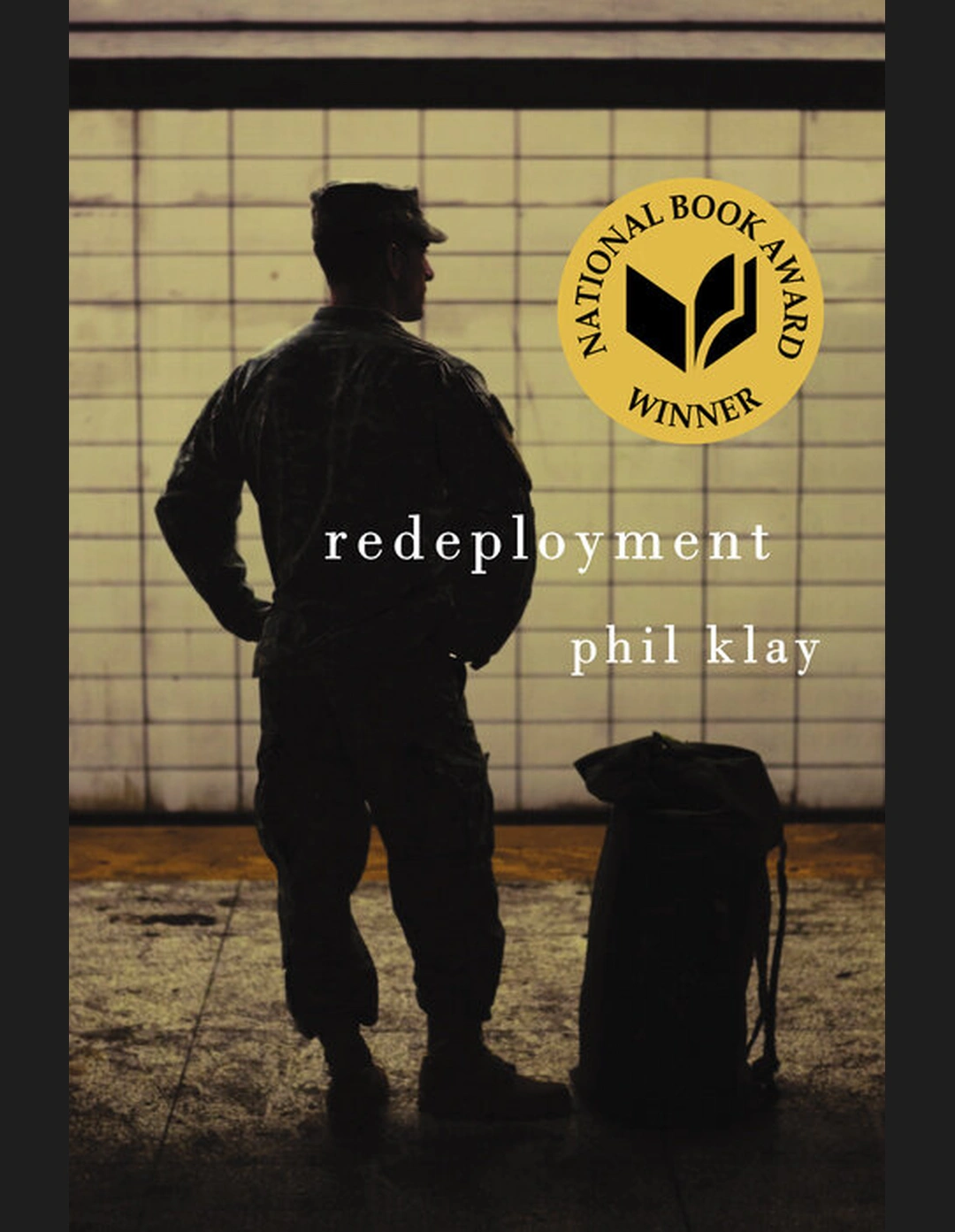
Two recently published books, one fiction, and one non-fiction, have recently come out, and both of them are utterly outstanding in trying to explain what is happening to our soldiers when they come back from either Iraq or Afghanistan. Phil Klay’s Redeployment is a work of unmitigated brilliance, and presents a powerful new talent in Klay. A Dartmouth graduate who joined the Marines and serves tours in Iraq, Klay presents his fellow Marines as human beings, very young ones at that, who almost never lose their basic humanity in spite of the horrors they face in Iraq. By describing his fellow soldiers as human beings first and soldiers second, in spite of the integration of both sides when one become a Marine, Klay is able to have us understand the nature of the extreme bonding that we know that soldiers create when at war. Most books about the Vietnam War, of which there have been many, also describe this bonding as a key element in the dynamics of war, but without the specifics that Klay presents, and which makes his book that much more transcendent. Klay also represents a younger generation of writer as well as soldier, and he is a product of a different education, one which emphasizes diversity, sensitivity to others’ feelings, gender changes, and a differing definition of masculinity. Klay himself is clearly a product of these different, and one might add better ideas of what it is to be human, and that hubris that often pervades the Marines in particular, is rarely in evidence in his splendid Redeployment. Klay is even able to make the chaplain in Iraq an important minor character, a man to whom some soldiers will try to open up to about recent traumas, particularly when it involves their first killings of enemy soldiers or civilians. The chaplain is not made out to be an impotent fool.
So whether soldiers have been blown up in Humvees by roadside bombs, or whether they are breaking down doors of houses looking for insurgents, or whether they have wives who have stayed true or left them, back home, Klay’s men tend to discuss these things with one another, rather than grunt their way through the book, so that we understand how and why the men bond with each other. I have read about twenty novels about the Vietnam War written by former soldiers who fought there, and though Karl Marlantes’ novel Matterhorn comes close to letting us into these friendships, it is probably Kevin Powers’ recent Yellow Birds, the first Iraq War book which Klay’s most resembles in presenting the nature of male friendship in war zones. Somehow, those who survive maintain an intimacy with each other, upon return to America, that is greater than what they will have with their wives and/or girlfriends. When Klay gets into the horror of PTSD, which virtually every soldier has, we actually have the best understanding of it and its impact on the human brain, than we have ever read in any other book, whether fiction or non-fiction, except for Jennifer Percy’s Demon Camp. Klay does not spare us the suicides and other horrors that our soldiers are experiencing at the rate of, I believe, six a day. But his book is still redemptive, and a character which I take to be a version of himself is presented in all its complexities, whether he is in Iraq, or back home, and he allows us into his head with a gentle sensitivity that is extraordinary. Klay is an enormous new talent, I recommend Redeployment without qualification.










Comments powered by Talkyard.