
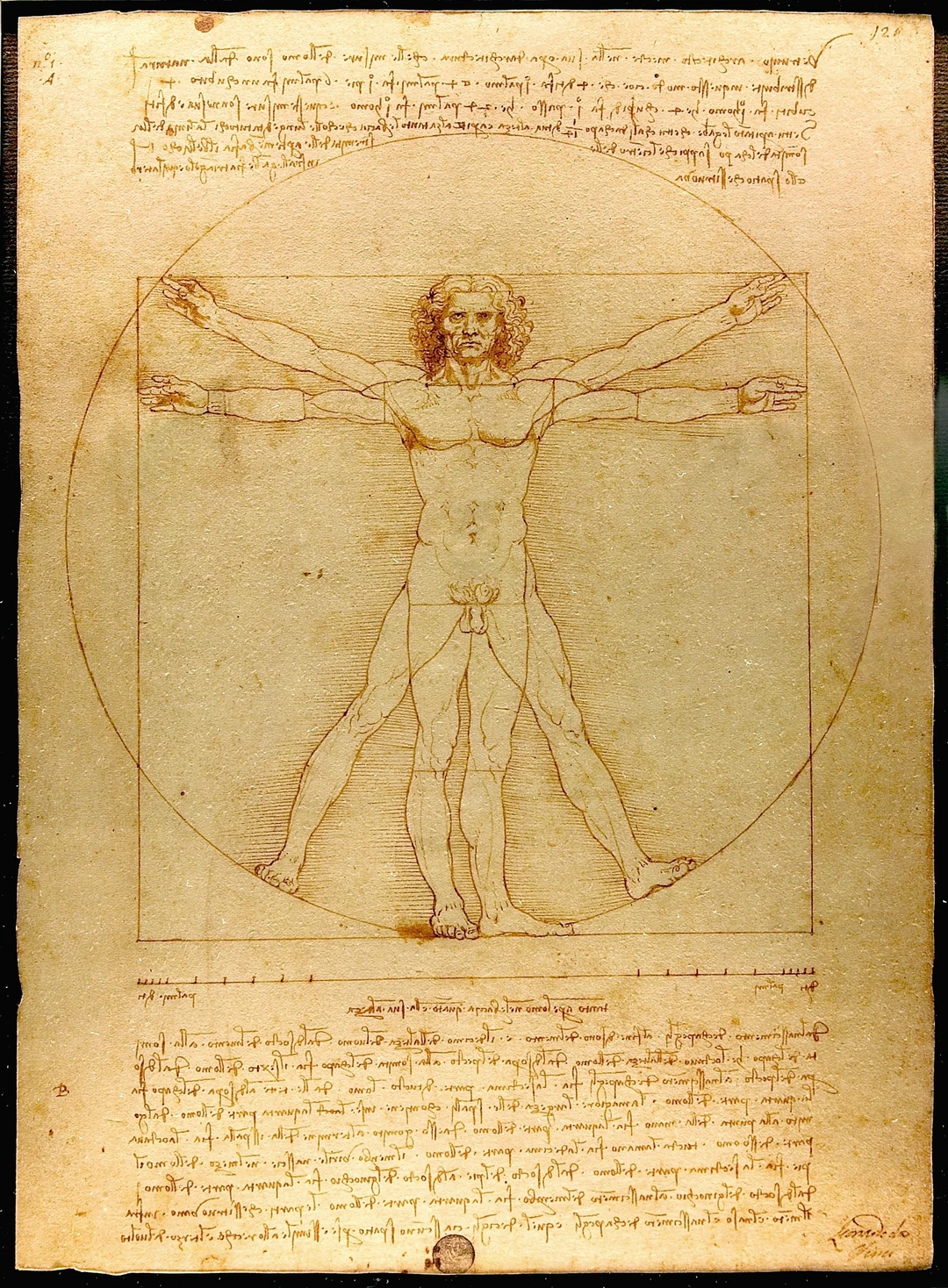
“The most incomprehensible thing about the universe is that it is comprehensible.”
-Albert Einstein
This is my fourth article pertaining to the design field and again it is necessary to distinguish between art and design. Design in essence cannot be accomplished without specific degrees of control, and almost always has a definitive point to make. How well the ‘point’ can be made is attributed to how well the design was carried out. This cannot be said about art. Art can be about anything or nothing at all, which makes design a subdivision of art. In this respect design can be seen as separate from other art forms, in that there is a singular goal in the mind of the designer. In order to understand any art form at its core, the viewer must understand visual acoustics on an elementary level. The level I have chosen to start with is numbers and their relationships with each other through geometry and proportion. Design cannot be truly understood without attaining this knowledge. Not only is this the basis for every art form, but it is also the architecture of the natural world. Also to aide the reader, I will be referencing specific visual instances where the number or geometry in question can be better understood.
As stated in my first article ‘Design Intervention’, the goal of these next articles will be dedicated specifically to understanding our numerical system through the process of Sacred Geometry. I will be breaking down each of the single digit numbers from 1-9, and end with zero. Of course, if we are talking about numbers, the best place to start is technically zero, but I think saving the best for last is appropriate for this kind of approach.
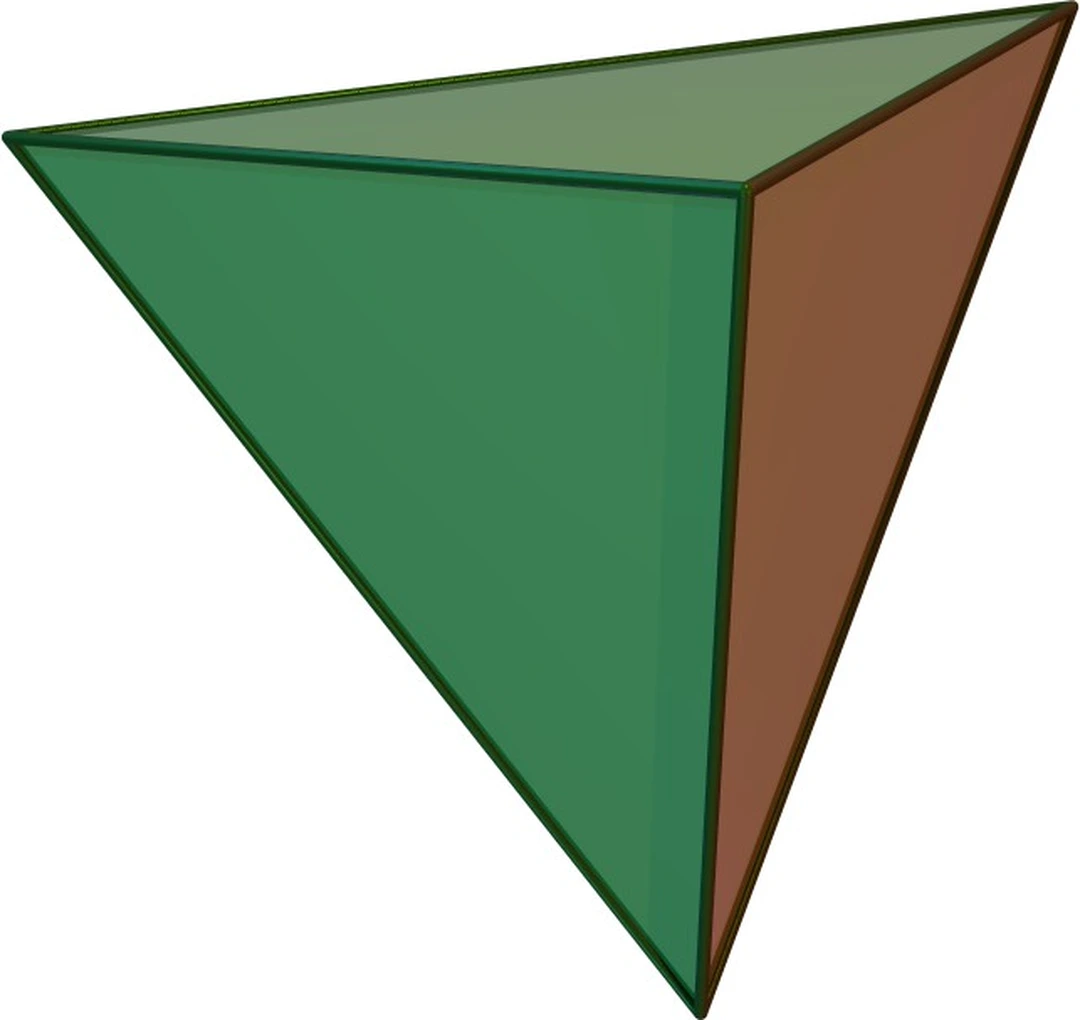
As we further our climb up the ladder of single digits, we come to the number 4. Last month I wrote of the number 3, and discussed its relationship with perception and planar geometry. Keep in mind that as of the last article we have yet to break into what is referred to as ‘physical geometry’, but with the introduction of the number 4 we do just that. If there is one idea that pertains to this number, let it be the very beginnings of physical solidification and stability forming what we call matter. Even the word matter comes from the Latin ‘mater’, meaning mother (which brings the term ‘Mother Earth’ to mind). Unlike the previous numbers, we now have something that is quite tangible. This is due in part to the fact that you need at least four points to manifest any three-dimensional object. The number 3 simply gives us our X, Y, and Z axis without the input of any usable data, but with the number 4 we begin importing data into our ‘reality’. As a simple example take the tetrahedron, which according to the Euclidean philosophers and mathematicians stands in as the first Platonic solid and rightfully represents fire (See Tetrahedron image).
So now that we know the underlying theme surrounding the number 4, where can we see this in artistic expression? All around us. Basically anything that you can sense or think of, which makes the number 4 easy to spot. Even simply thinking of something, although invisible to the naked-eye, creates a tree-dimensional sine wave that protrudes into space. This is why in societies, past and present, there has always been an emphasis on this particular digit (Main examples being North/South/East/West, Spring/Summer/Fall/Winter, Earth/Fire/Air/Water, etc.). The essence of this number provides us with the material necessary to manifest any desired action, but is not the action behind such manifestations. Action itself requires another step up the ladder to the number 5, which we will investigate in the next issue. Think of the 4 as being the canvas, paint, and paintbrush without the influence of the human hand in motion.







Comments powered by Talkyard.