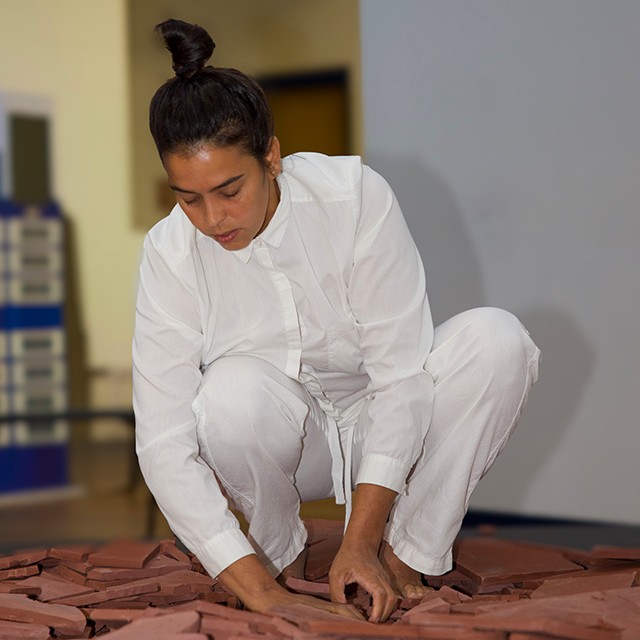
In encounters with certain works of contemporary visual art, perception activates modes of association that situate aesthetic experience in territories where matter, gesture, and time intertwine. Elizabet Cerviño’s (Manzanillo, Cuba, 1986) exhibition The Rhythm of Resilience, recently presented at Gallery 114 in Ybor City, Florida, unfolds within this horizon.
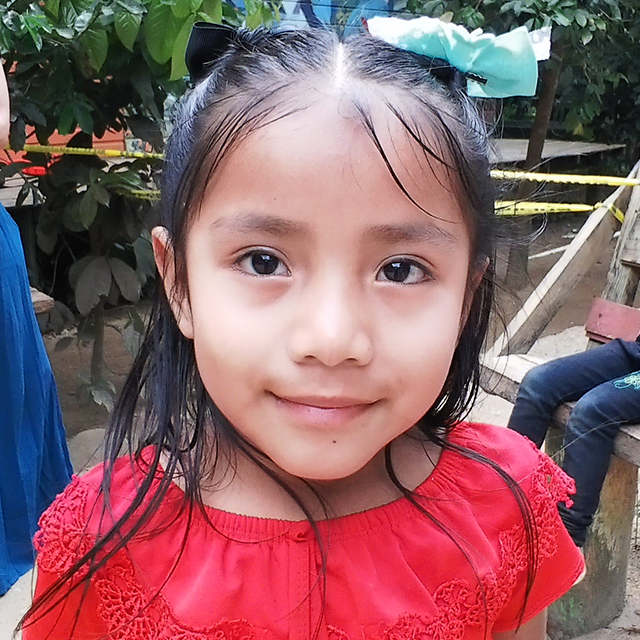
On Saturday, September 12th, The Annex Gallery brought together some forty people for an evening of celebration and fundraising dedicated to advancing the education of children living in some of the world's poorest communities. Jens G. Rosenkrantz and Kay Hurley, mother of Katie Hurley Wales, opened the gallery to host a benefit for Brighter Children, the organization led by Katie, under the banner Gather with Purpose.
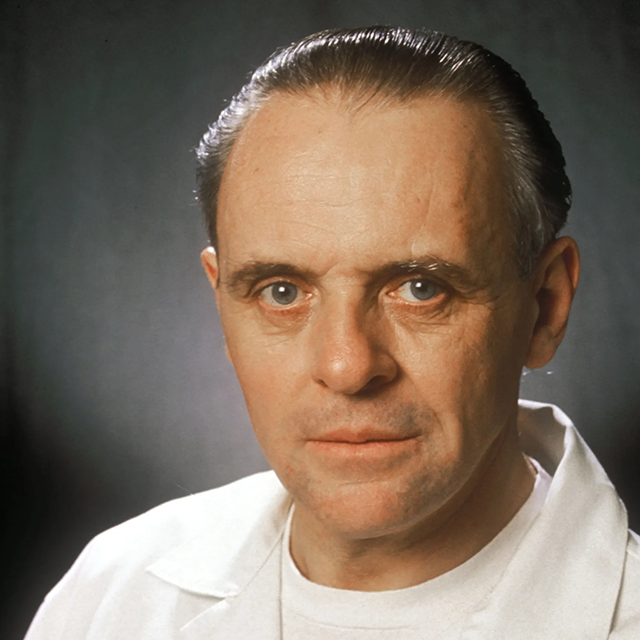
I suppose that, like me, hundreds and probably thousands of viewers developed a dark sympathy for the character of Hannibal Lecter. The two actors who, to date, have embodied him most memorably are Anthony Hopkins and Mads Mikkelsen. The character displays extraordinary intelligence and self-control. He conducts himself according to his own rules and ethical codes.

In a couple of weeks, The Annex Gallery will receive an exhibition by Juan-Sí González. There are several generations of Cuban artists —the younger ones especially— with only a very blurred idea of who Juan-Sí is and what his role has been in Cuban visual arts during the second half of the twentieth century. Some do not know him at all.
Photographer Jens G. Rosenkrantz Jr. opens Crossing the Border next Friday, September 4, in the main gallery of the Museum of Contemporary Art of the Americas in Miami. This is only the second time this body of photographs, taken along an extensive stretch of the southern border of the United States, has been shown publicly. Its first presentation took place in Cuba, at Fábrica de Arte Cubano, in 2019...
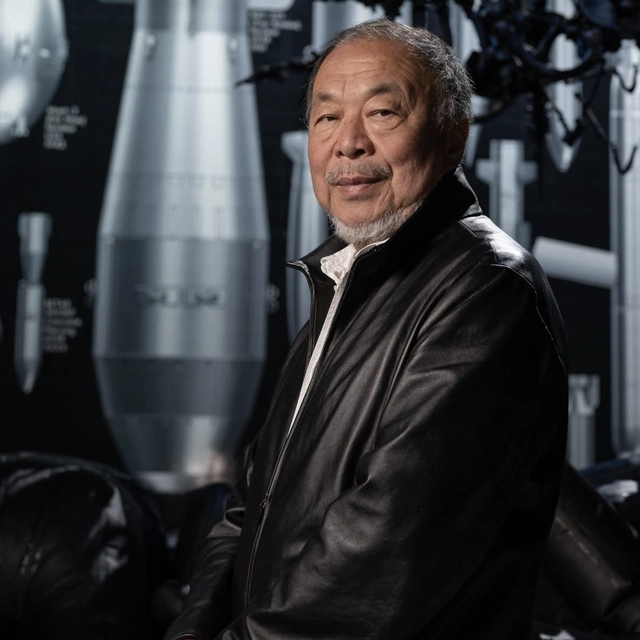
Ai Weiwei's art leaves me with certain reservations. The public figure strikes me as overly polished, burnished almost to excess.
Some years ago he dropped an authentic Han dynasty urn onto the floor. Made sometime between 206 BC and AD 220, its first and only purpose was to shatter. He had bought it in Beijing in the early 1990s, during China's rapid urban expansion...
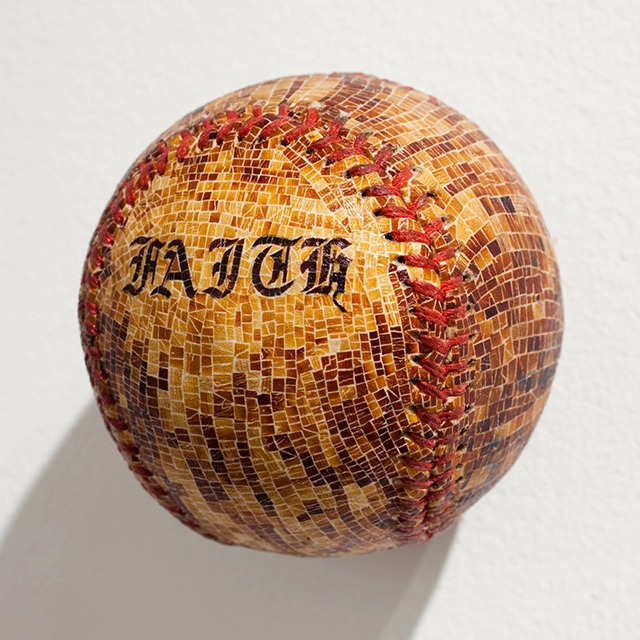
Call Me Ahmel
January arrived, and so did 2025. Halfway through the month it will pierce my head and my body in much the same way 2024 did—with hypersonic calm. Be careful. In Miami everything happens too fast, a good friend warned me, sounding more alarmed than concerned. Another good friend, one we have in common, calls him my fascist friend. Cuba, the way tango does to the men—and to the women—in Borges's magnificent story The Man on Pink Corner, has its own way with him.
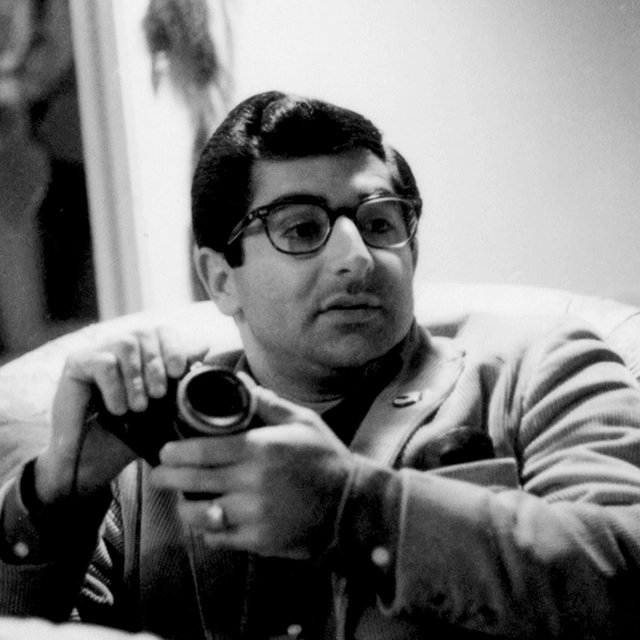
Among the most rewarding things about running an art gallery is the chance to meet extraordinary artists. In the past two months, for instance, I encountered for the first time the work of two important American photographers who share a great deal, Matt Herron and Jim Marshall.
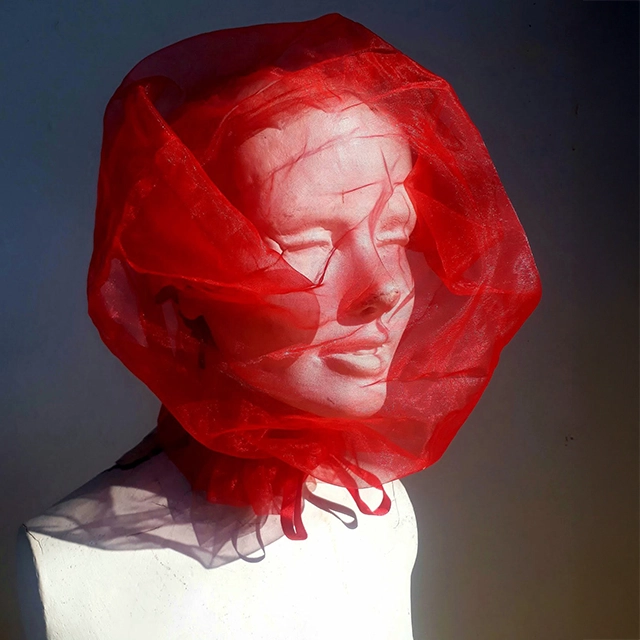
Although I am an avowed admirer of her solo work and have known her for nearly twenty-five years, I do not remember ever having spoken in person with Liudmila Velasco. About her work, about the weather, about how unbearable this or that artist can become. When I left the island, Liudmila was already practically an institution within Cuban women’s photography...

There is a book. Before the exhibition, before the charcoal drawings spread across the galleries of the Contemporary Arts Center, before the viewer crosses the blue thresholds into the dreamworld of Freeman Little...
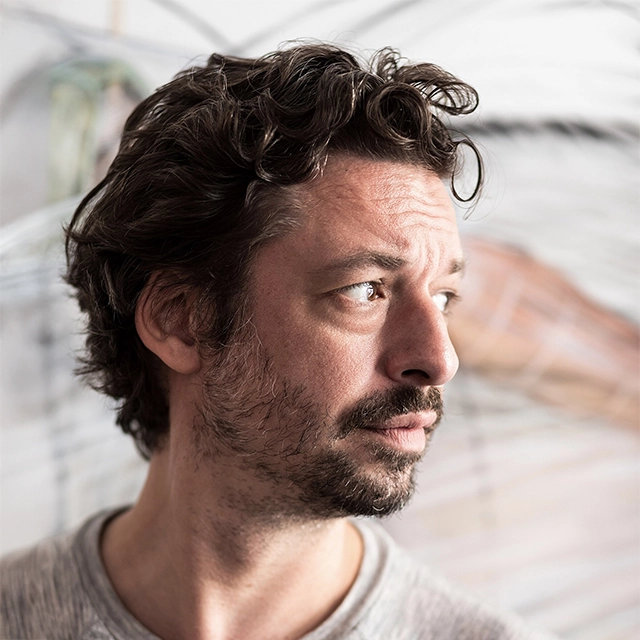
Now and again, chance weaves a concurrence of circumstances that places us before a window opening onto the past. The opportunity to converse, undistracted, with the Austrian artist Stylianos Schicho was a privilege, since what most interests me in art are the sinews that bind it to whoever produces it.

As a worthy walk-on, more than once I have stood inside a still life: the living scene of a dead nature staged with everyday objects. Between Morandi and Chirico — take your pick of Giorgios — lit by the fierce Miami sun or beneath the drizzle of a summer afternoon, I have slipped into the heart of the anomaly, into the "temple of otherness."
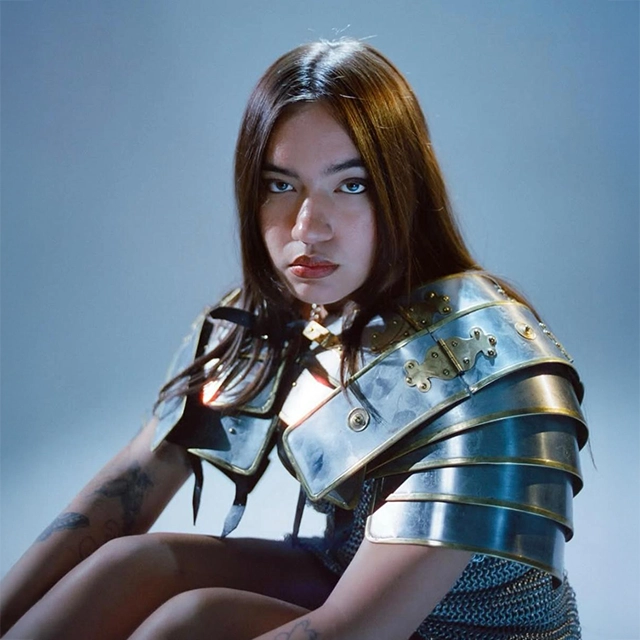
A month ago, during Arte Desobediente Exhibition, I encountered for the first time an artwork by Kerstin Imhoff that has remained with me ever since. It was a visceral piece from her ongoing Bloodline series: a hyperrealistic red vulva rendered in wax-like texture through 3D printing, encircled by a Catholic rosary terminating in a bronze cross. The work was at once devotional and confrontational; an image suspended between martyrdom, sexuality, political violence, and feminine embodiment...
