Brighter Children and its commitment to educating children in vulnerable communities, celebrated at an evening of art and solidarity at The Annex Gallery.
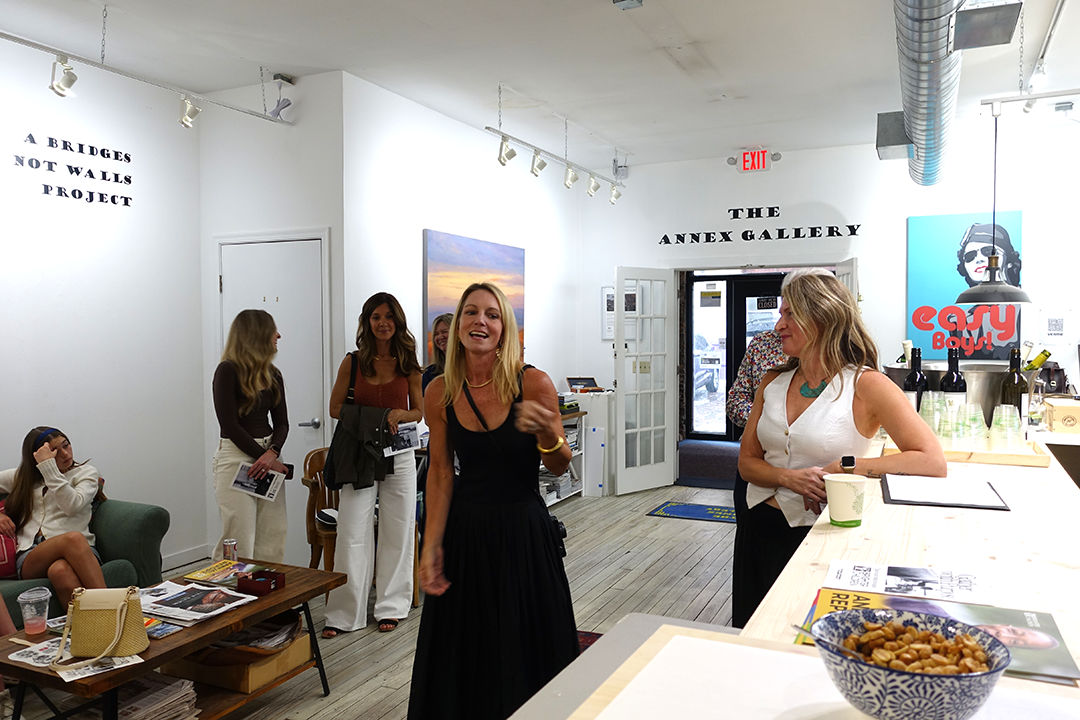
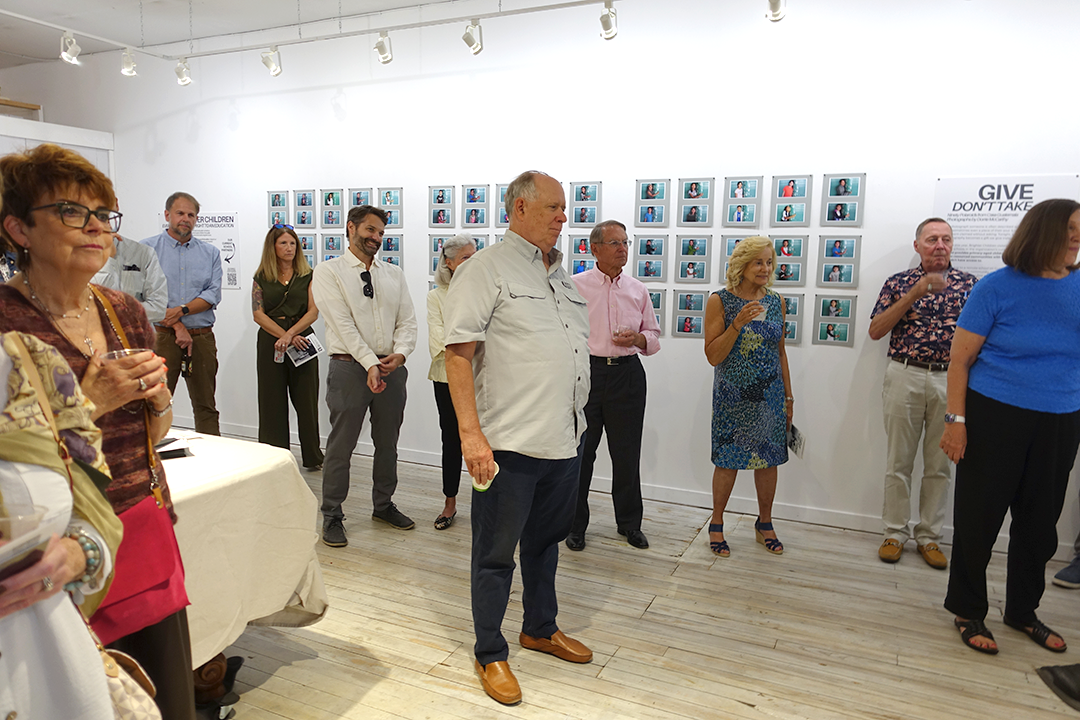
On Saturday, September 12th, The Annex Gallery brought together some forty people for an evening of celebration and fundraising dedicated to advancing the education of children living in some of the world's poorest communities. Jens G. Rosenkrantz and Kay Hurley, mother of Katie Hurley Wales, opened the gallery to host a benefit for Brighter Children, the organization led by Katie, under the banner Gather with Purpose.
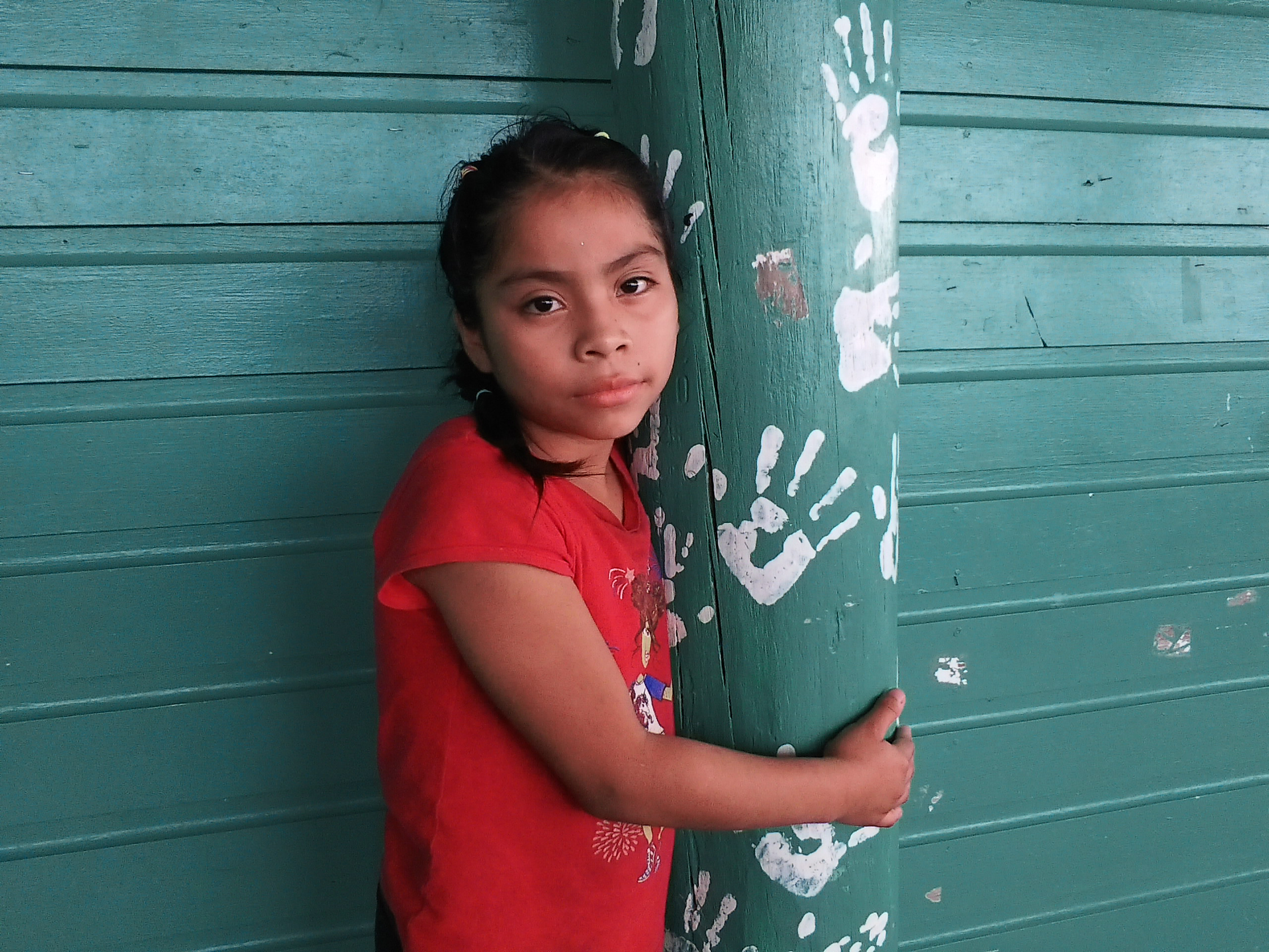
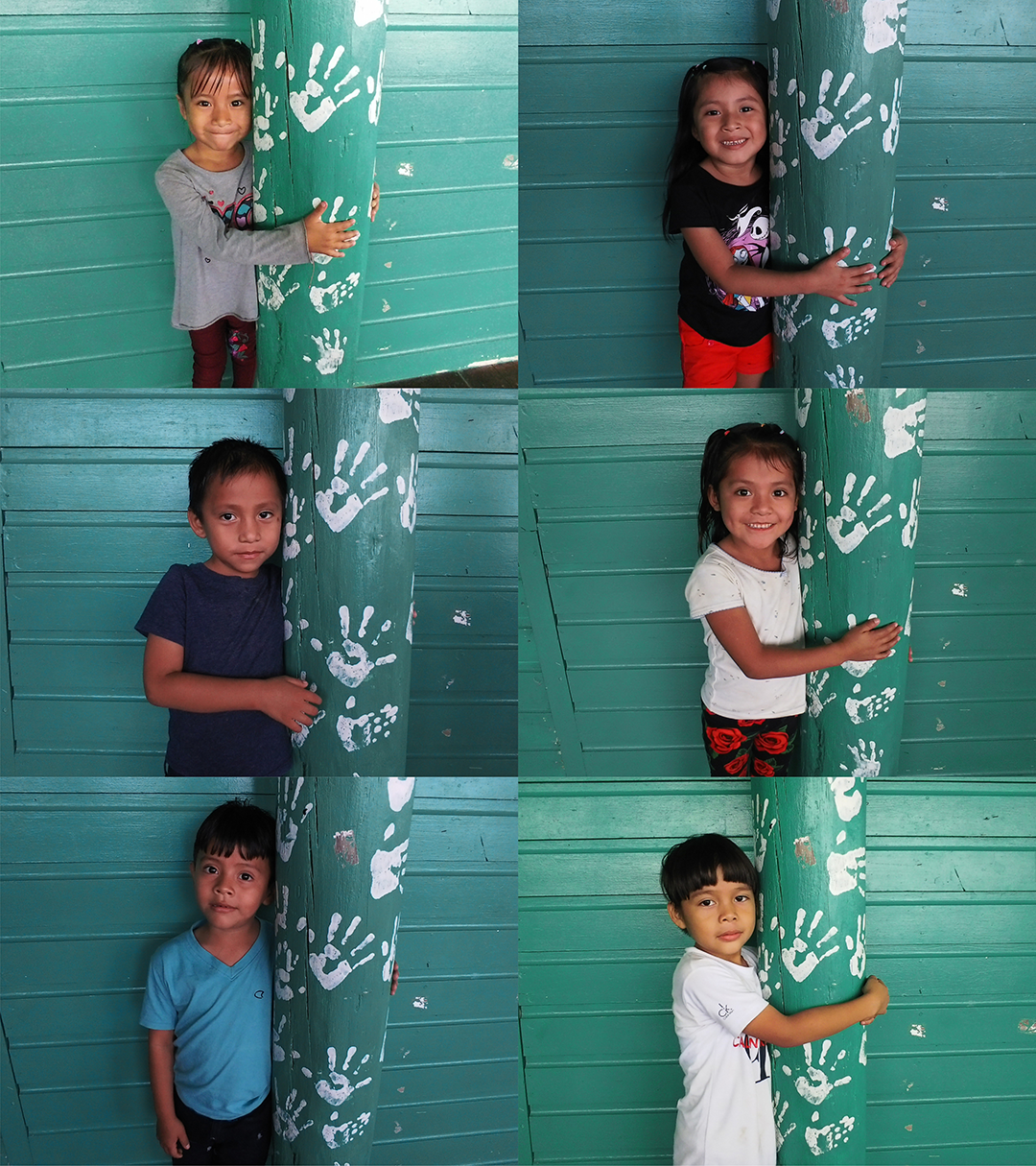
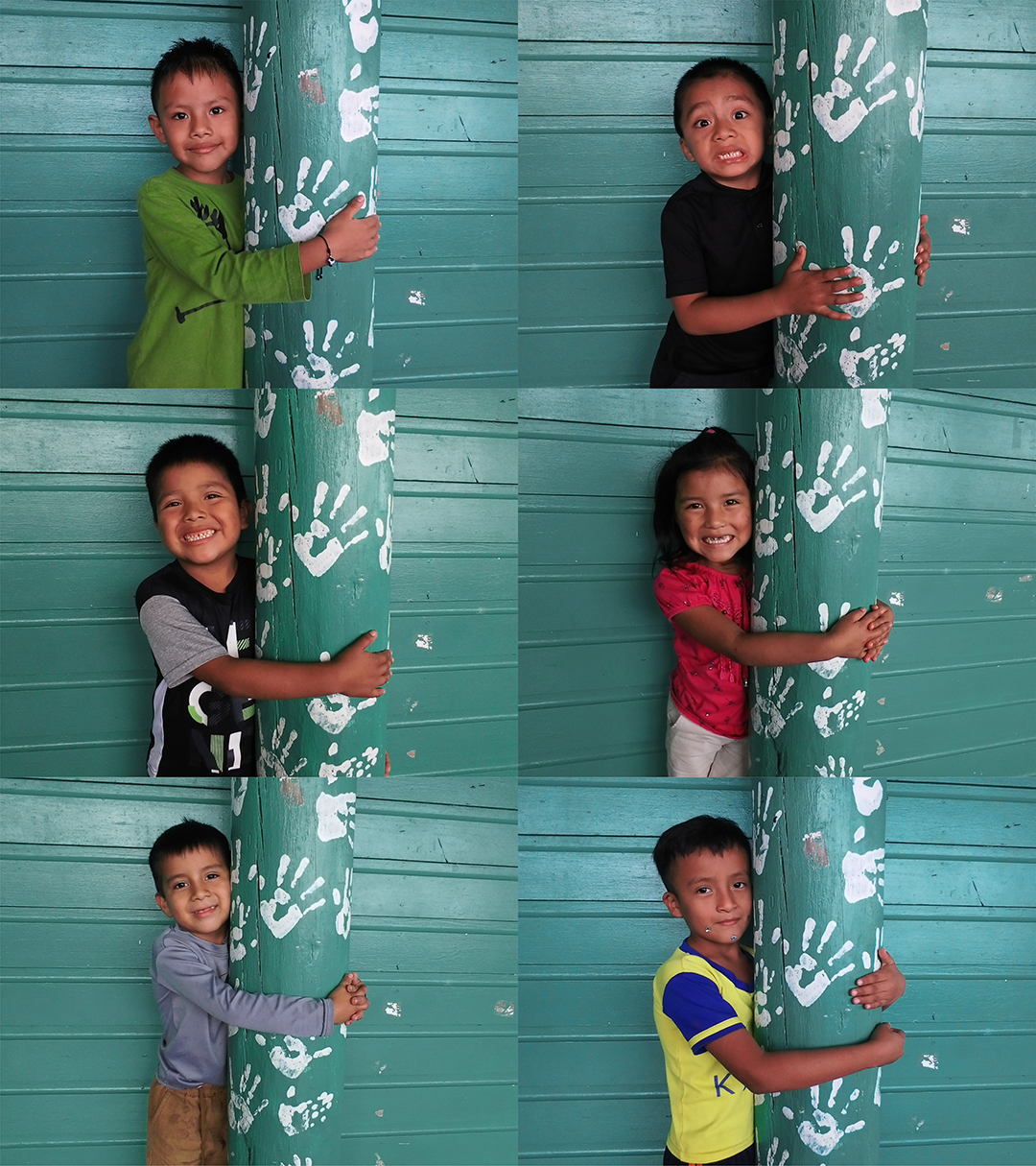
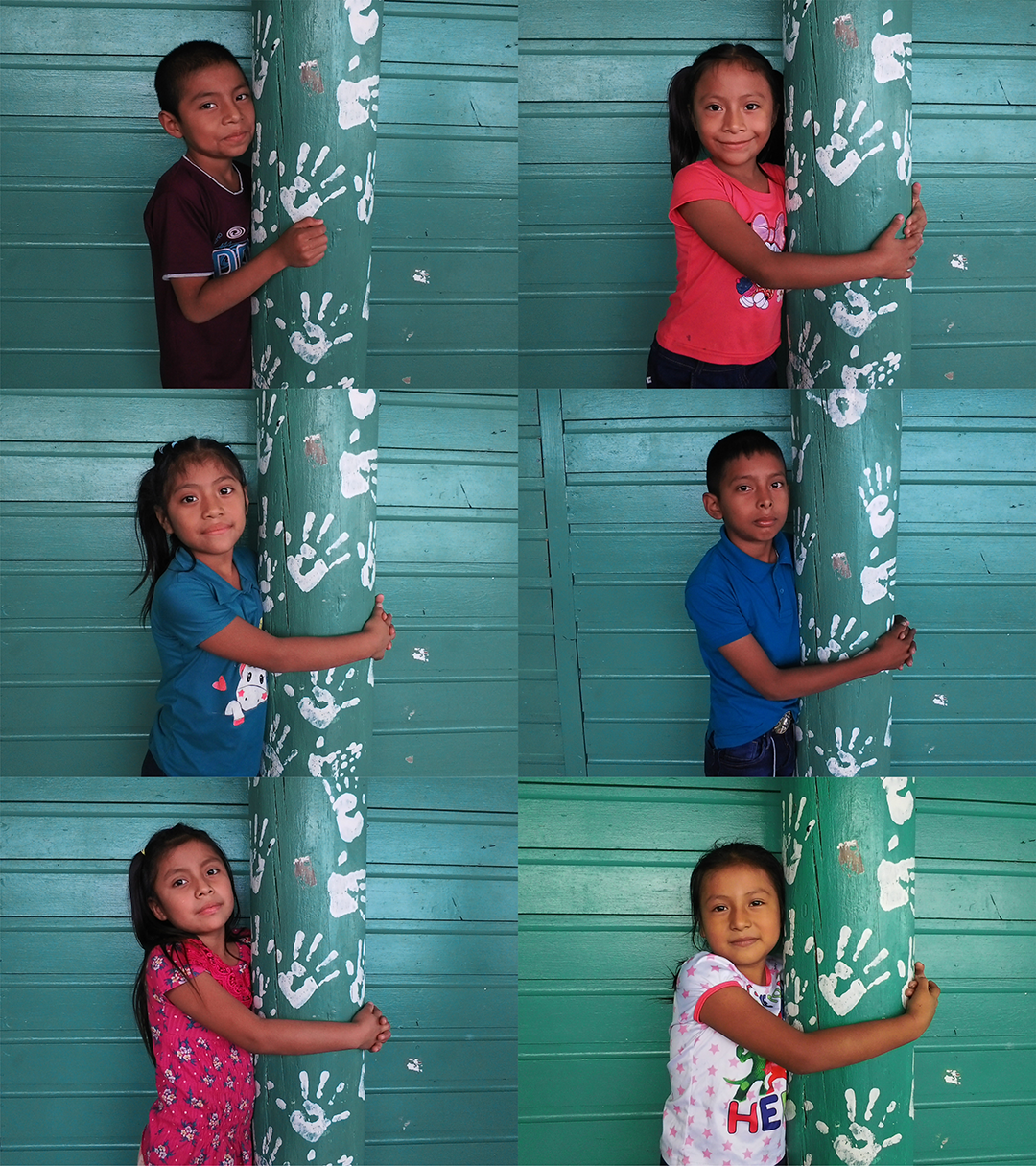
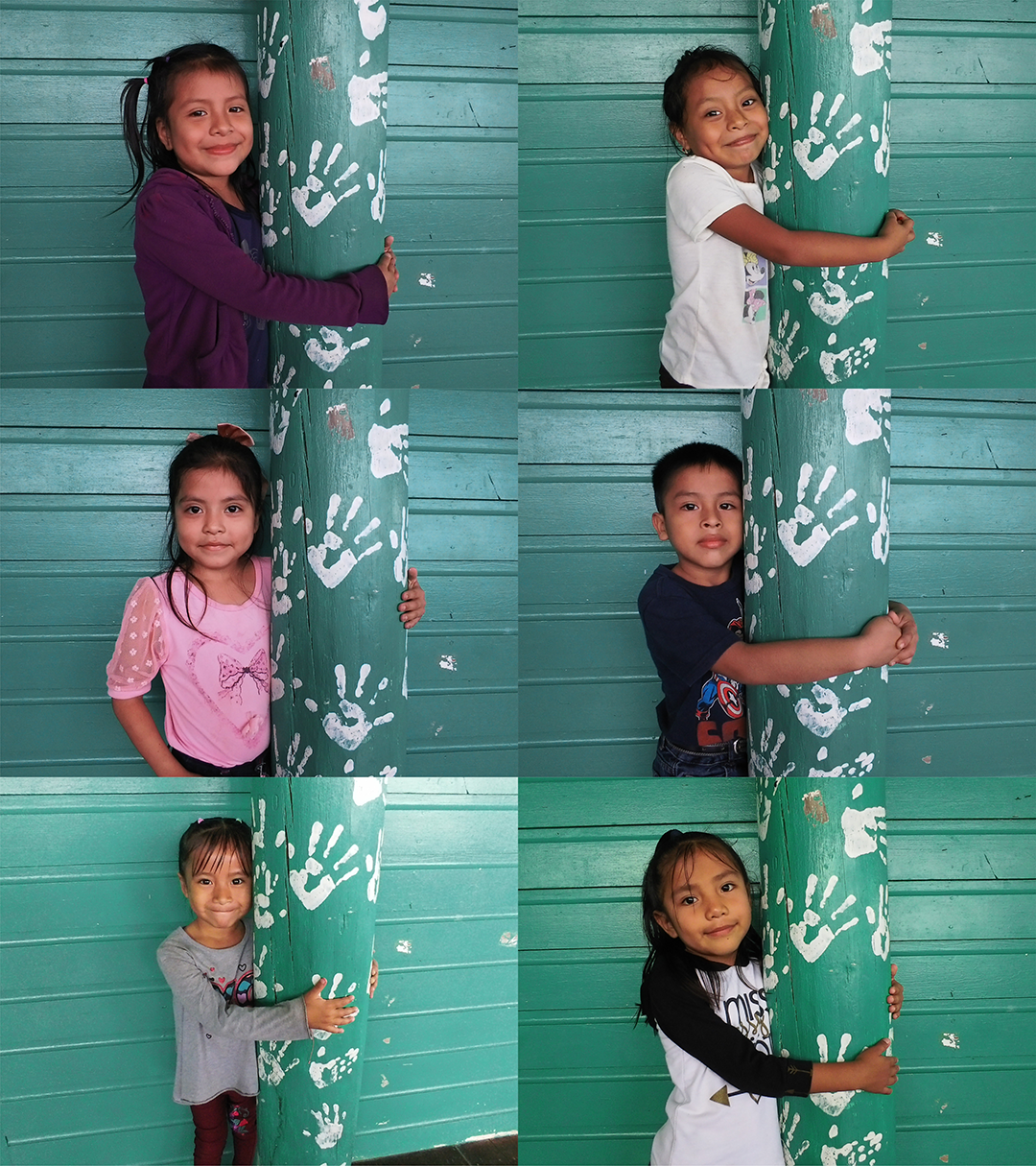
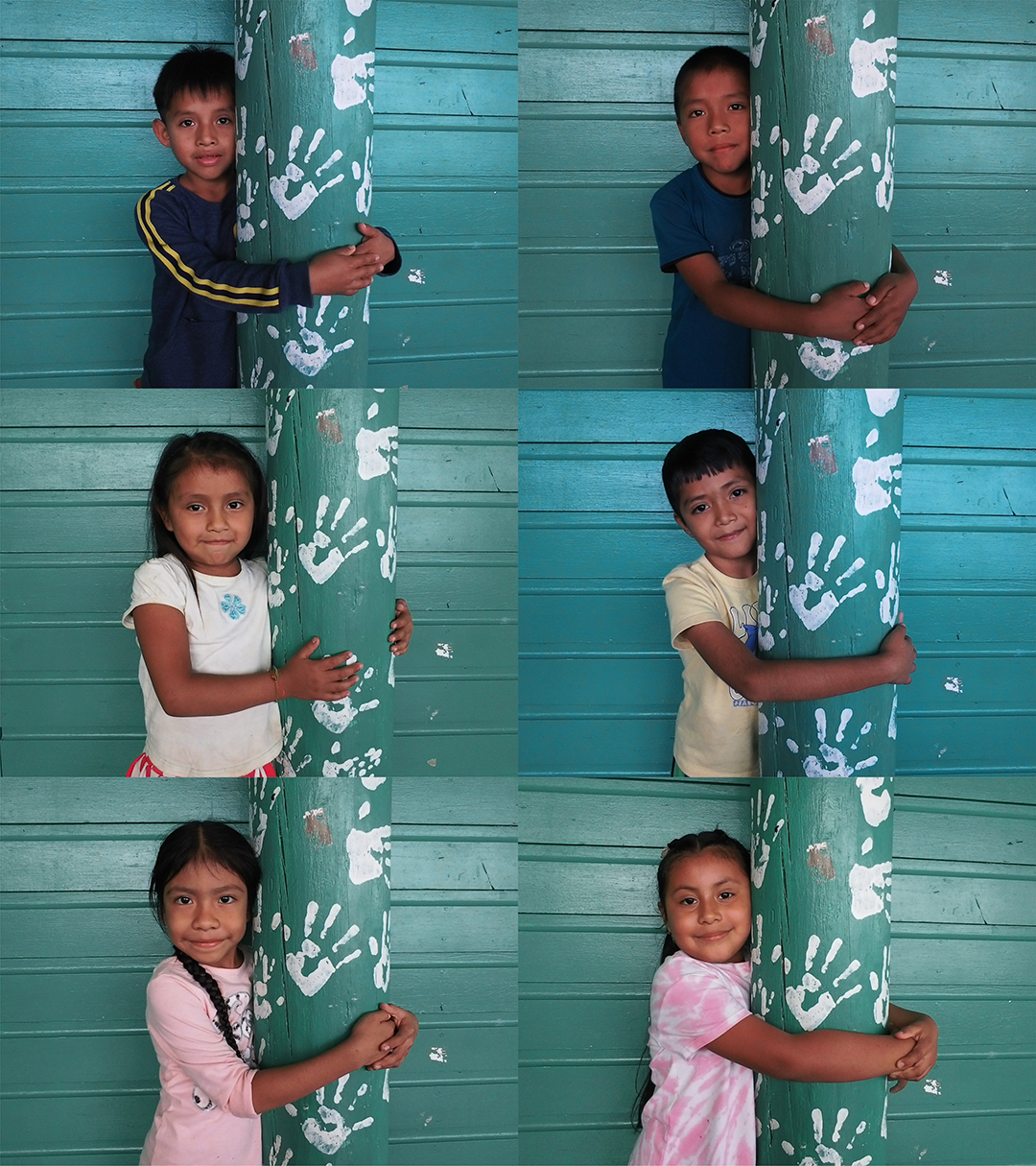
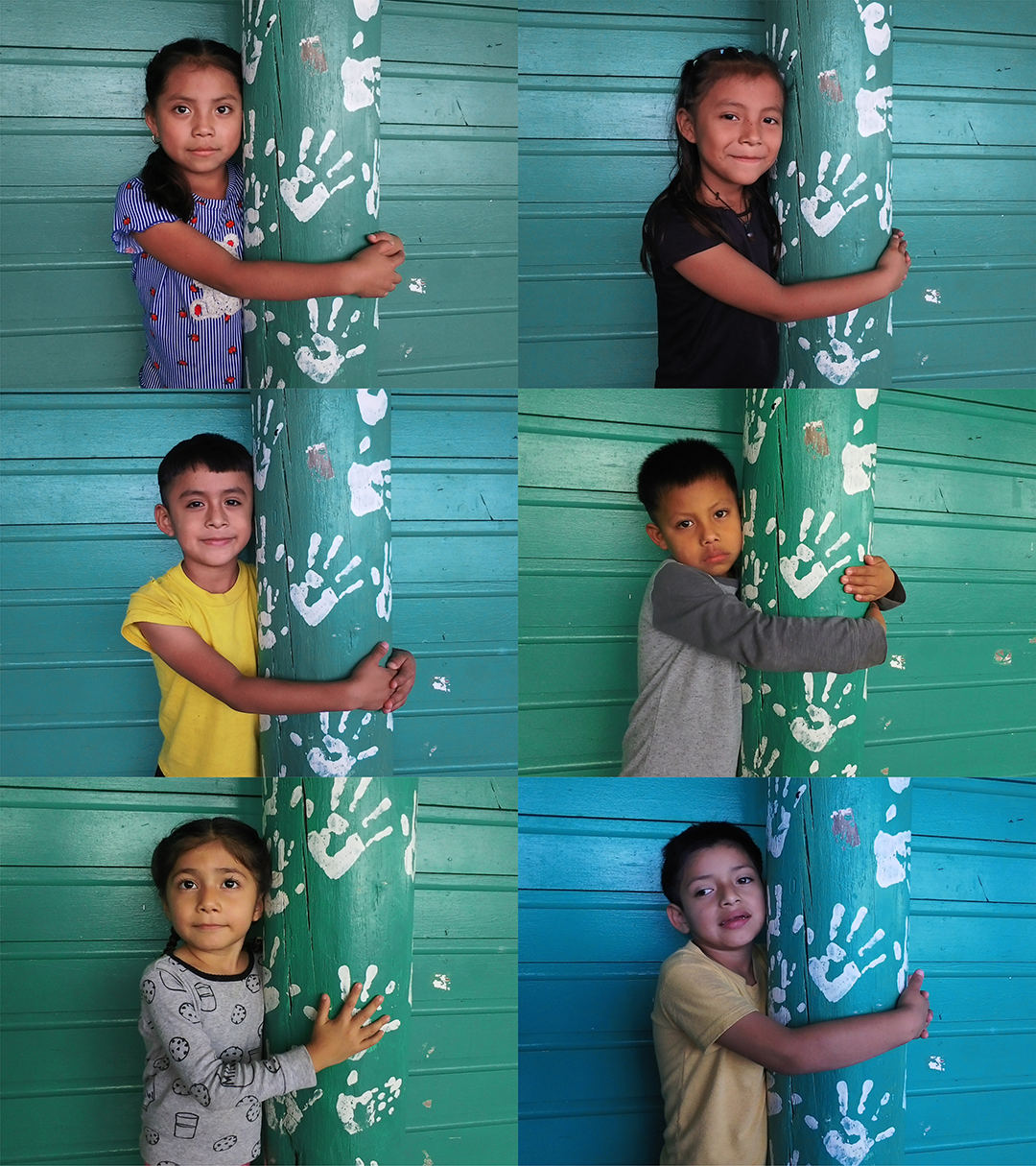
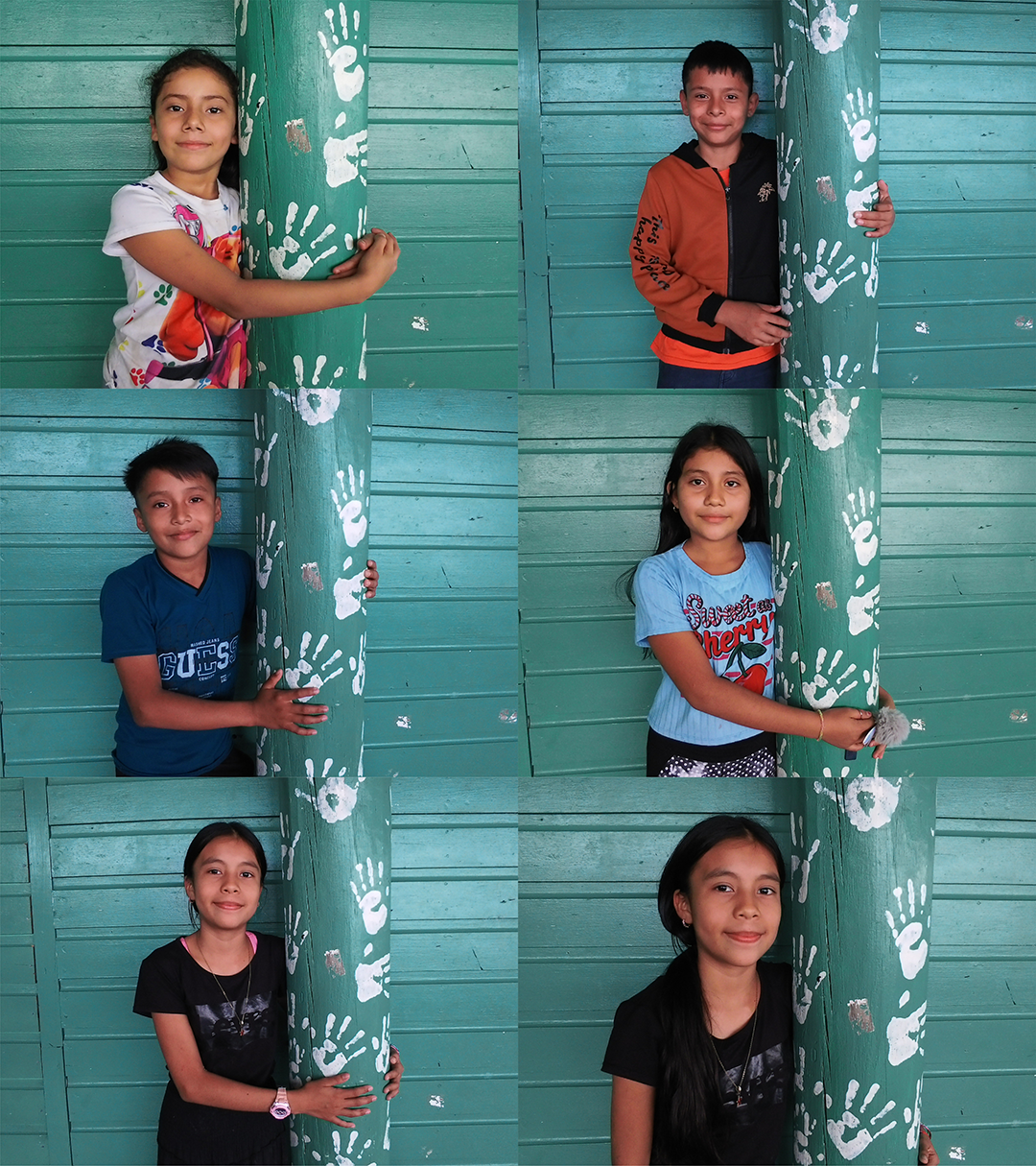
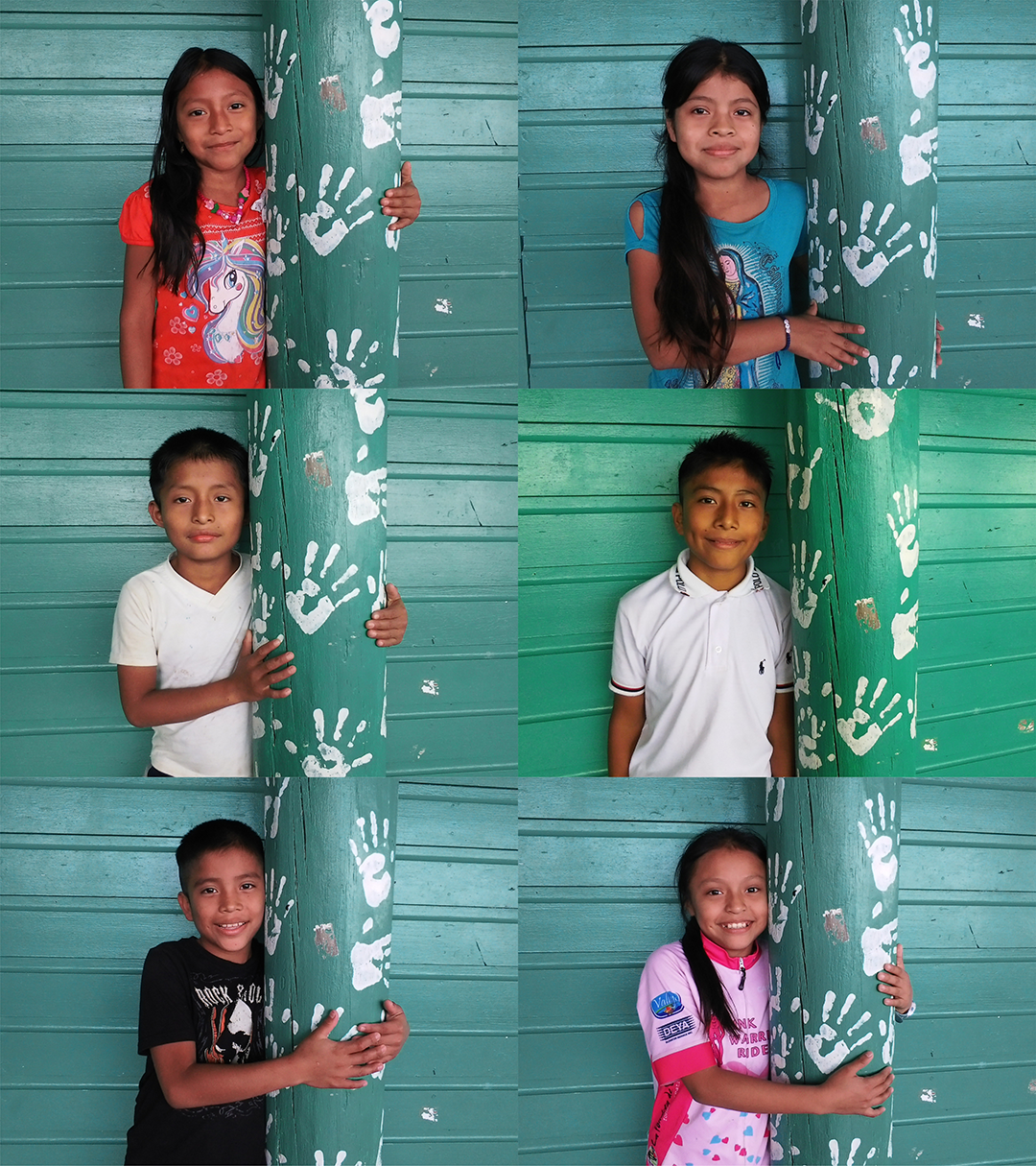
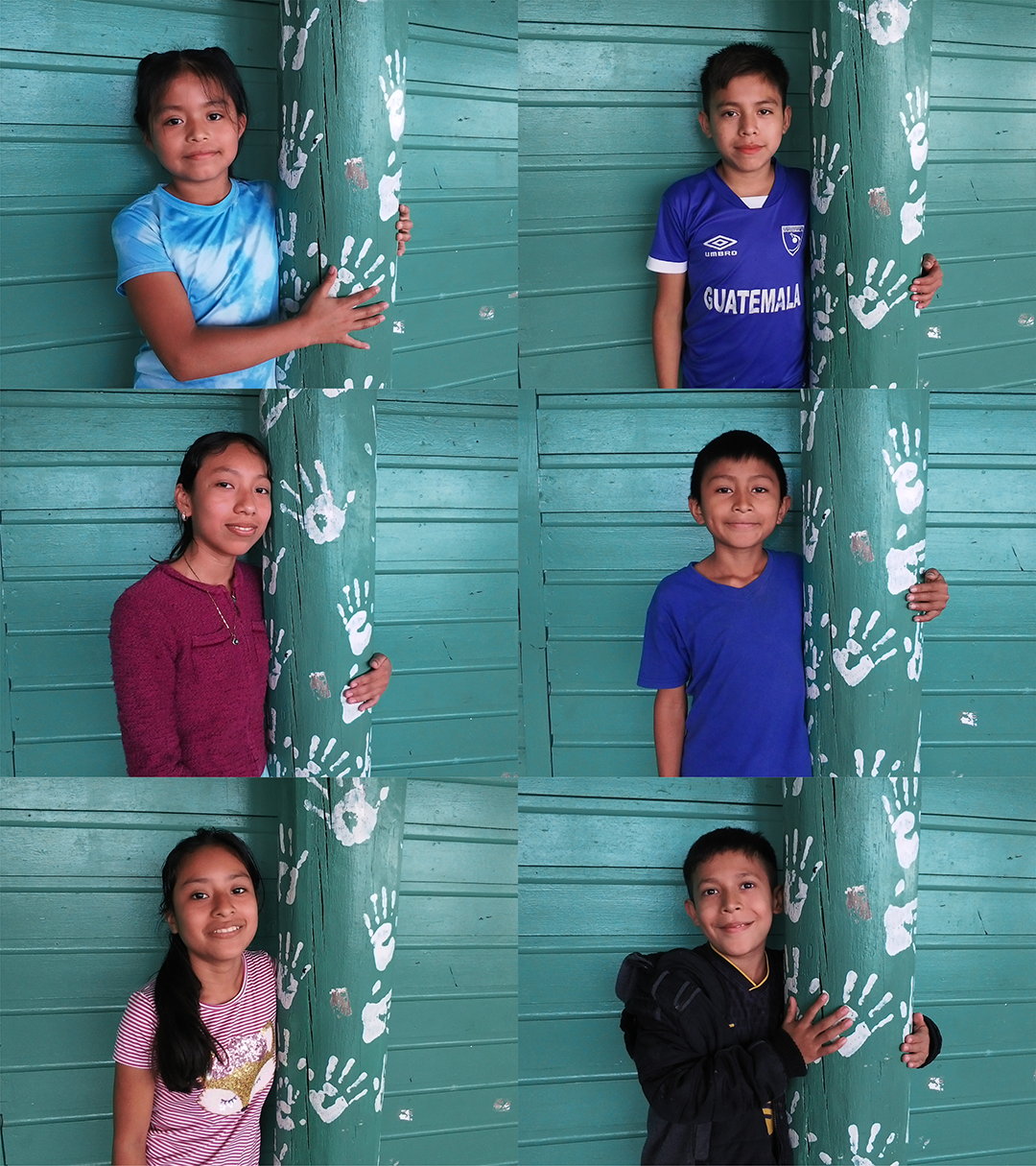
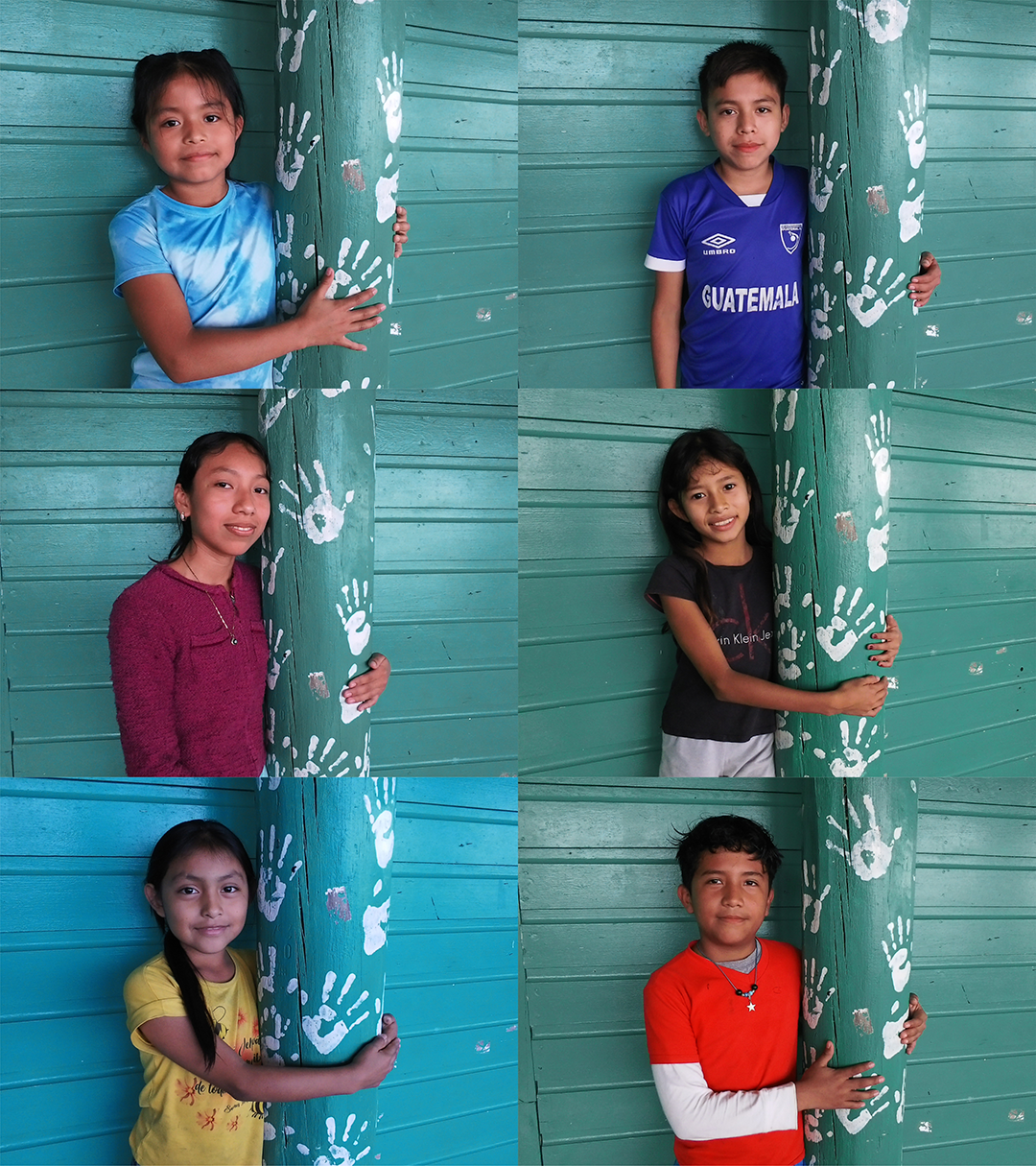
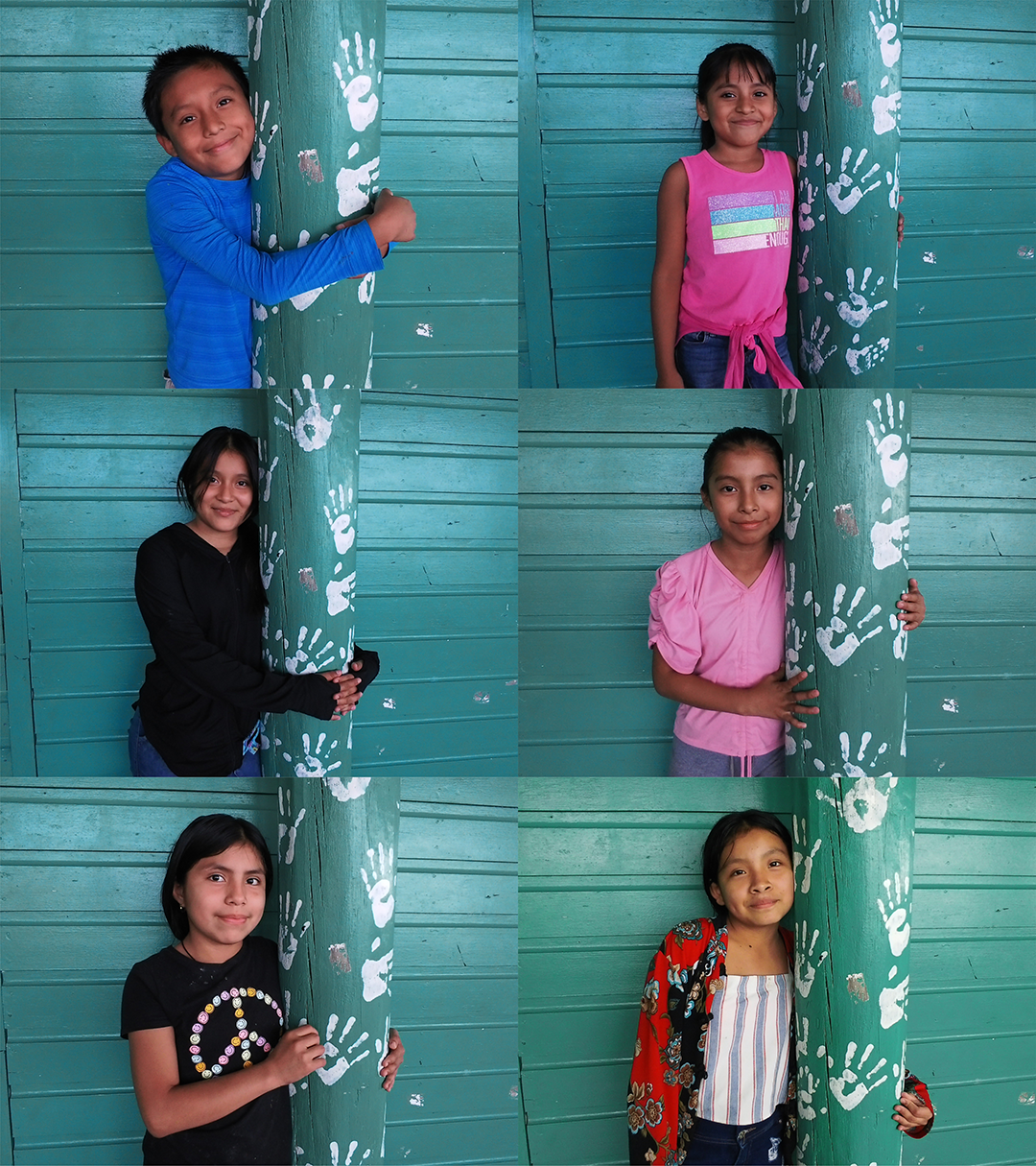
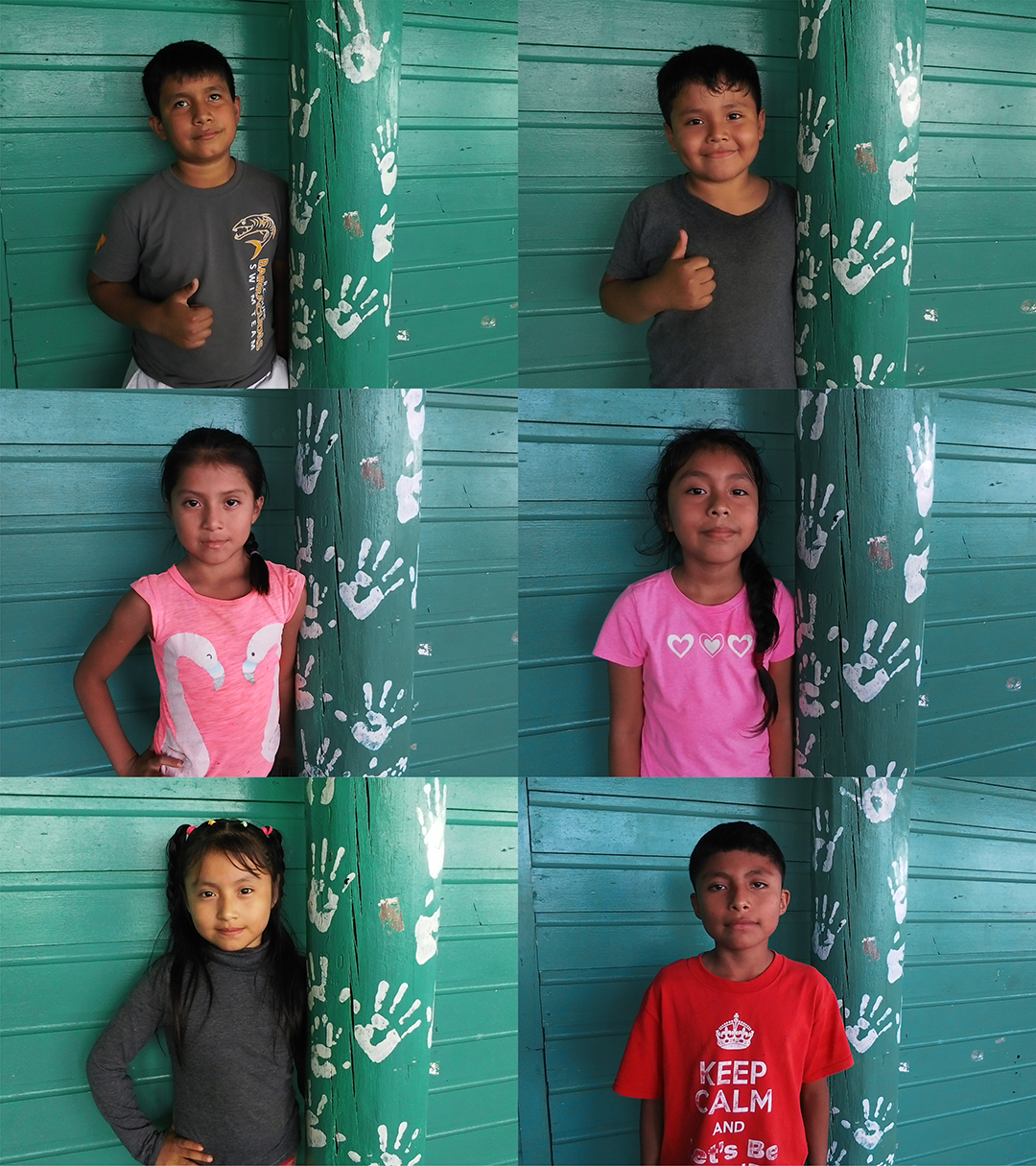
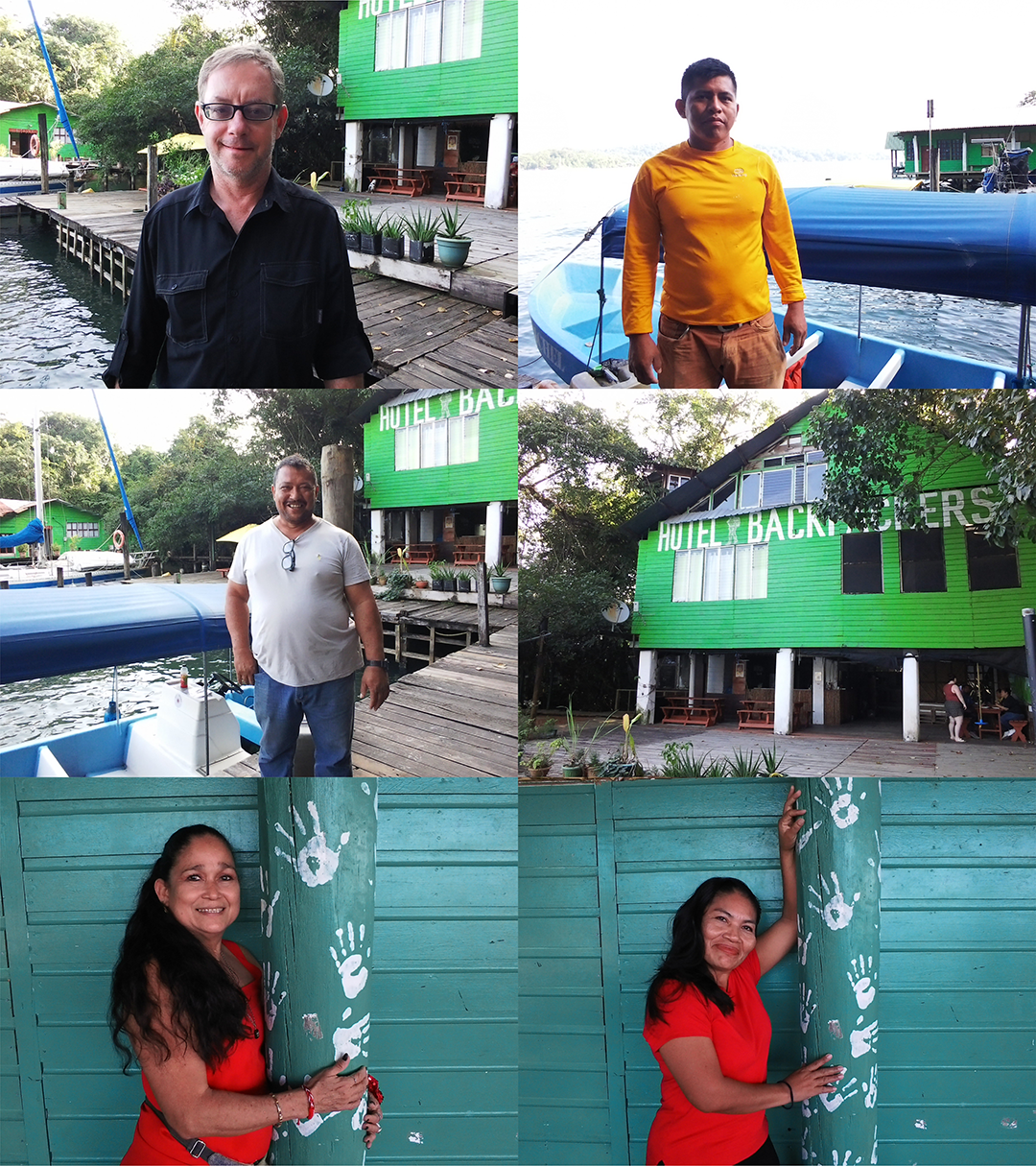
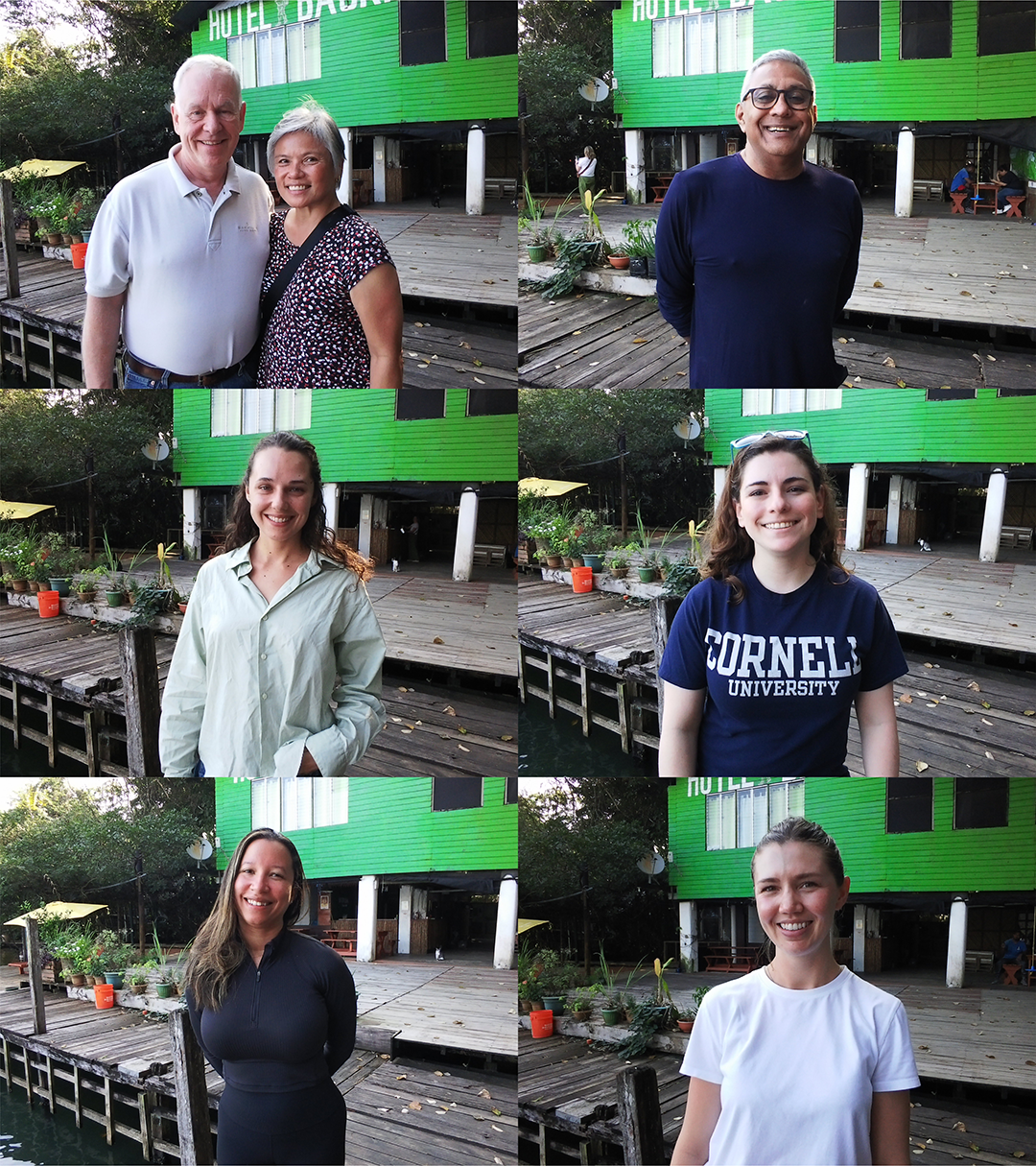
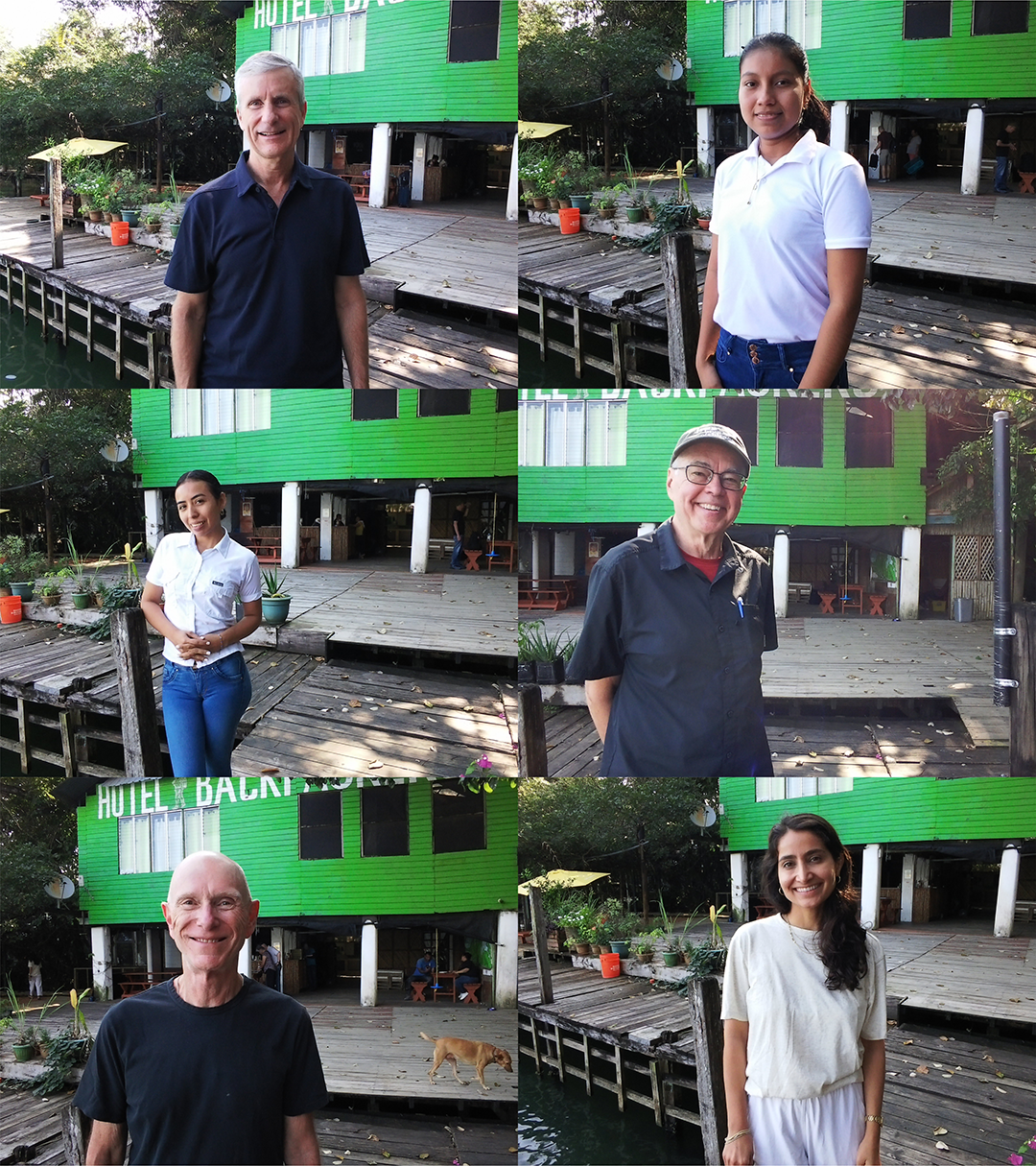
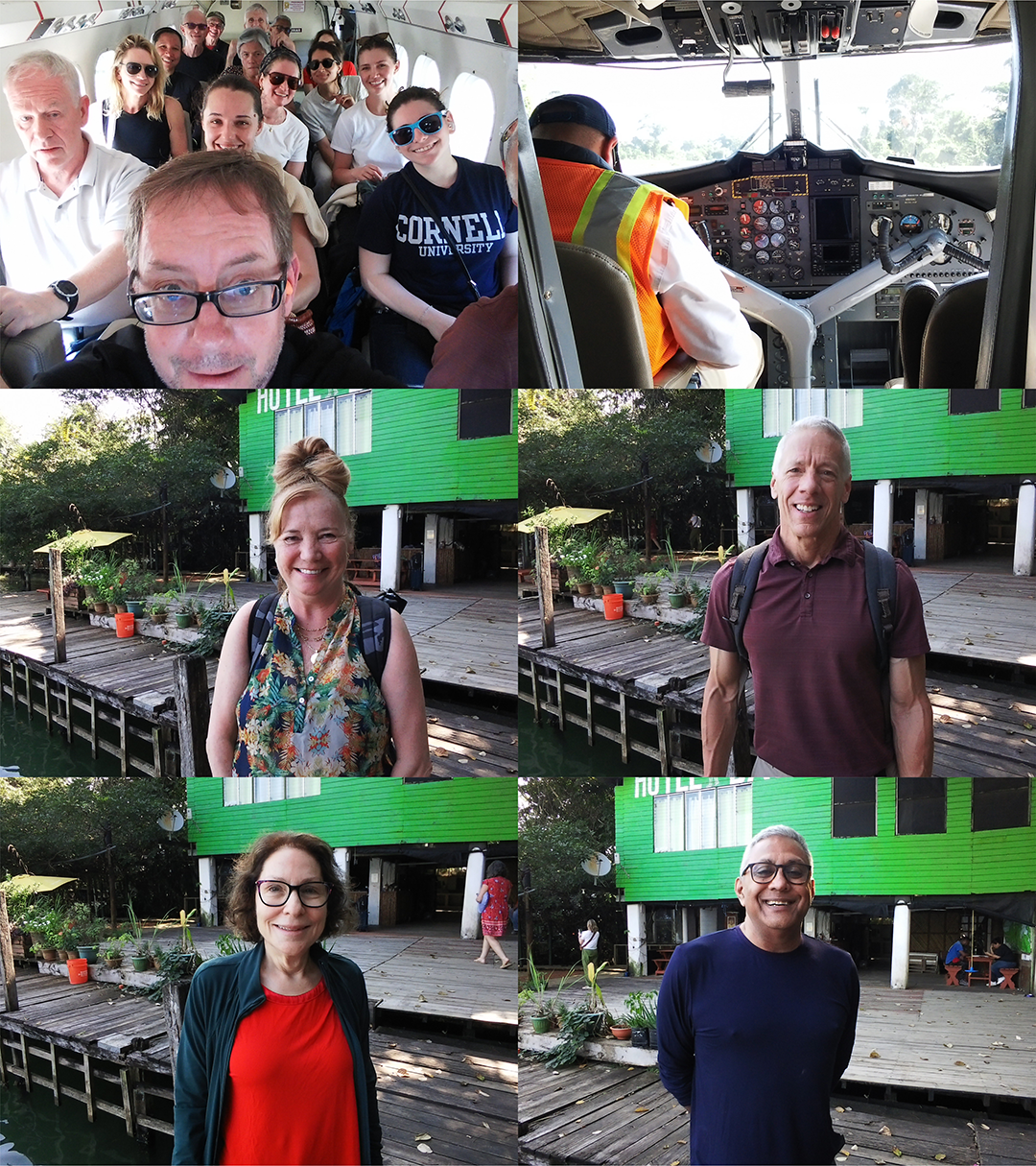
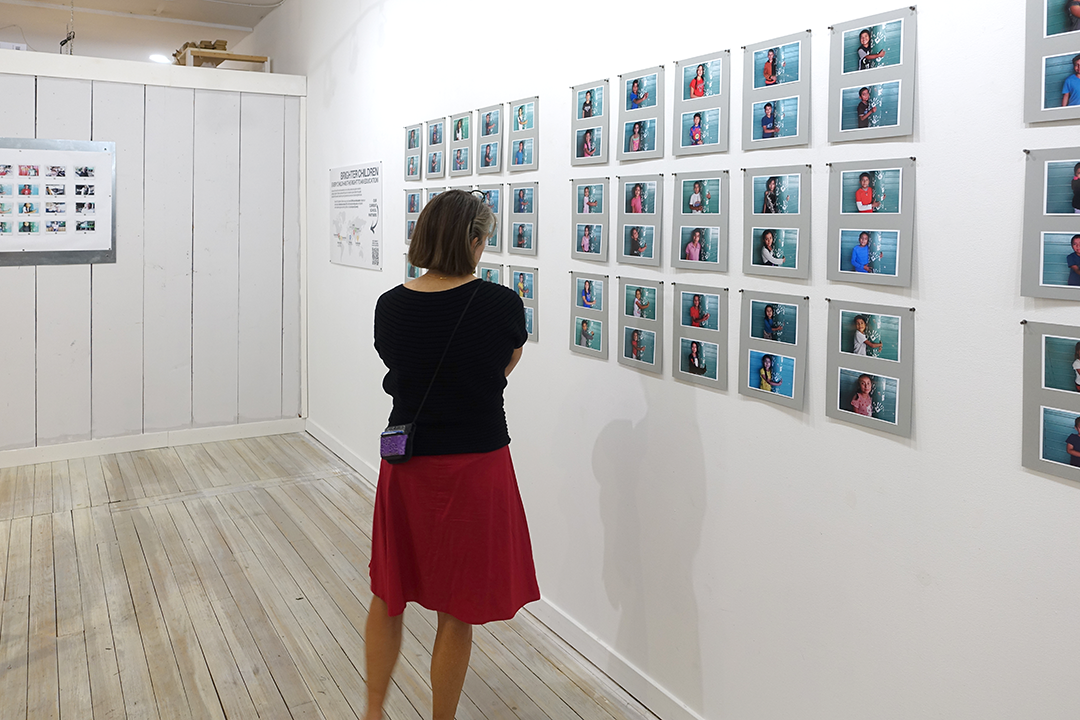
The guests had been personally invited by Katie, someone in her family, or photographer Dorrie McCarthy, giving the evening much the atmosphere of a reunion. Some had not seen one another in thirty years. Dorrie recalled that the high school graduation party she and Katie had shared had taken place in the building next door. On the walls hung Give Don't Take, ninety instant photographs Dorrie had taken in February of the students at Casa Guatemala, a school deep in the Guatemalan jungle.
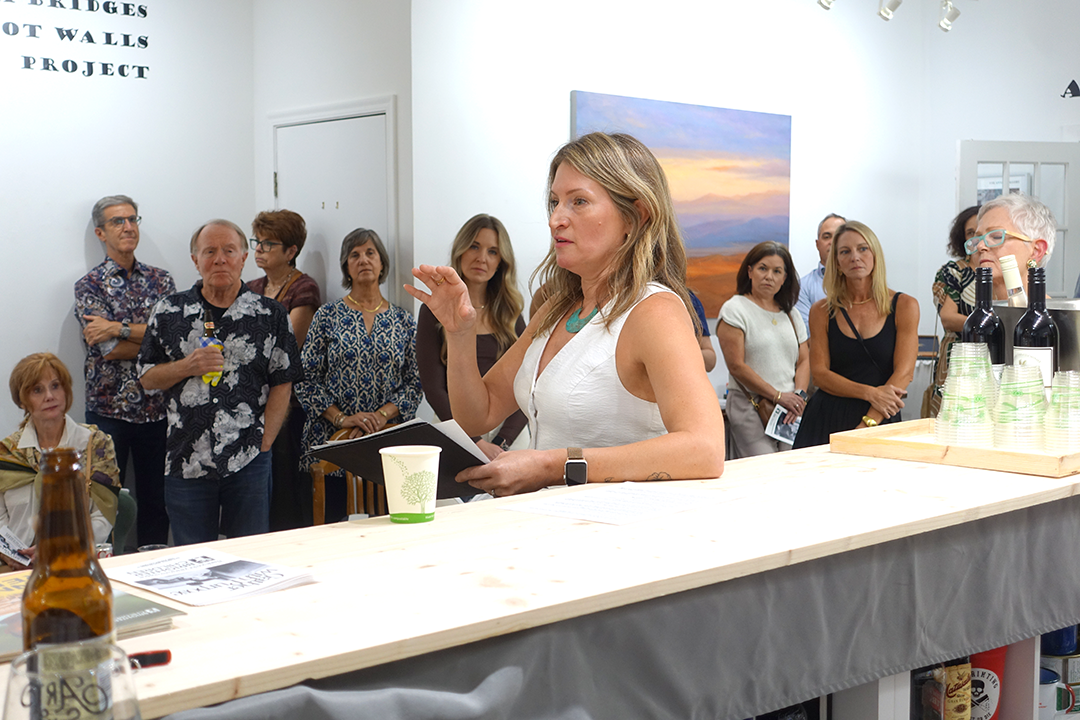
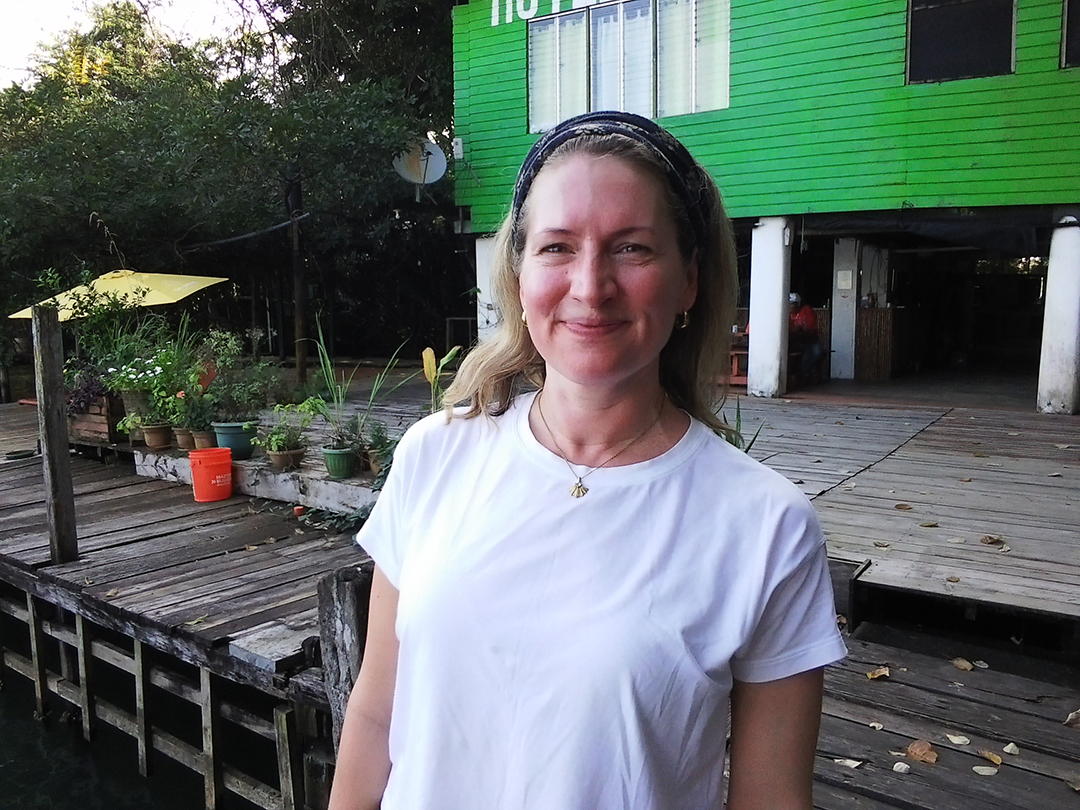
Dorrie McCarthy speaking during the event at The Annex Gallery.
Following the welcome and an introduction to the project's foundations by the hosts, Dorrie spoke at greater length about her journey to Guatemala, and Katie presented the organization through a short video. Dorrie mentioned an idea that, at first, might have struck me as merely illustrative, but which ultimately helped me reconsider and give conceptual and human structure to the ultimate purpose of these efforts. The ancient belief that photography could steal a person's soul.
This is a much older idea, ancient in fact. Hundreds of years before photography, many cultures believed that a person's image was like an exceedingly thin, elastic surface that prevented the soul from spilling away as water does between one's fingers. Like a vessel holding oil or wine. Any image that originated in the physical body, such as a shadow, a reflection on the still surface of a dark lake, and later, more fearfully, in mirrors. Perhaps that is why mirrors are so often covered when someone dies, so that the soul will not become trapped there and may ascend to a place of rest.
James Frazer collected many of these beliefs in The Golden Bough, in 1890. Incidentally, one of the finest books I have ever read. When photography was invented around that time, a new fear emerged, something never experienced before, perhaps because a mechanical device was involved, one that, like a weapon, also "shot." This released the image or reflection from the realm of nature. You can imagine that first terror among impressionable souls, for never before had anyone been able to carry away another person's reflection from a puddle.
The photographer Nadar recounts in his memoirs, Quand j'étais photographe (1900), that Balzac was convinced every human body consisted of superimposed layers of images, like the exquisitely thin leaves of a cordial onion. Each daguerreotype painlessly stripped away one of those layers, so that posing repeatedly would gradually deprive the sitter of their appearance. Nadar tells the story with a certain irony, but it reveals that this anxiety was throbbing in the very heart of Europe.
This idea traveled to the colonies with itinerant photographers and explorers who, forgetting the European superstition, assumed it was somehow inherent to peoples living in less developed societies. Nobody escaped. Neither the Indigenous peoples of North America nor the communities of Africa, Asia, and the Pacific. There were, of course, refusals and genuine displays of alarm, but much of this legend is a story told by the photographers themselves rather than a documented belief. And it is quite likely that, in many cases, what was interpreted as superstition was a perfectly reasonable distrust of foreigners who arrived and took away their faces, along with everything else. Leaving nothing behind.
Against this centuries-old background, a group of Americans arrives in Guatemala today, a country where Mayan communities take a very dim view of people photographing their inhabitants without permission, particularly children. Beyond the matter of respect, there are persistent rumors of child abductions, some of which have been confirmed and ended in tragedy.
Give Don't Take
Give Don't Take was conceived by Jens G. Rosenkrantz Jr., founder and executive director of The Annex Gallery, his wife, the artist Kay Hurley, and her daughter, Katie Wales. The idea was to travel to Guatemala and photograph the children of the community supported by Brighter Children with a Polaroid camera, placing each photograph directly into the child's hands, immediately.
At the last minute, despite their enthusiasm and for reasons beyond their control, Jens and Kay were unable to make the trip. Their two places became available. Katie sent messages to a couple of friends. Dorrie, who had been her friend since school, hardly needed to think about it. But with four children, she first had to consult her husband. Bill replied, "What possible reason would you have for not going?" Seven minutes later, Dorrie had secured her place in the project.
Throughout, it was an entirely voluntary undertaking, with a profoundly restorative character. A gesture that sought to return to a time before distrust, to reverse centuries of suspicion. They brought a Polaroid to give the children their own images, an affirmative testimony and a material confirmation of identity, somehow magnified by the gesture itself. Many of those children held their own photograph in their hands for the first time. Their mothers, of course, also received a copy.
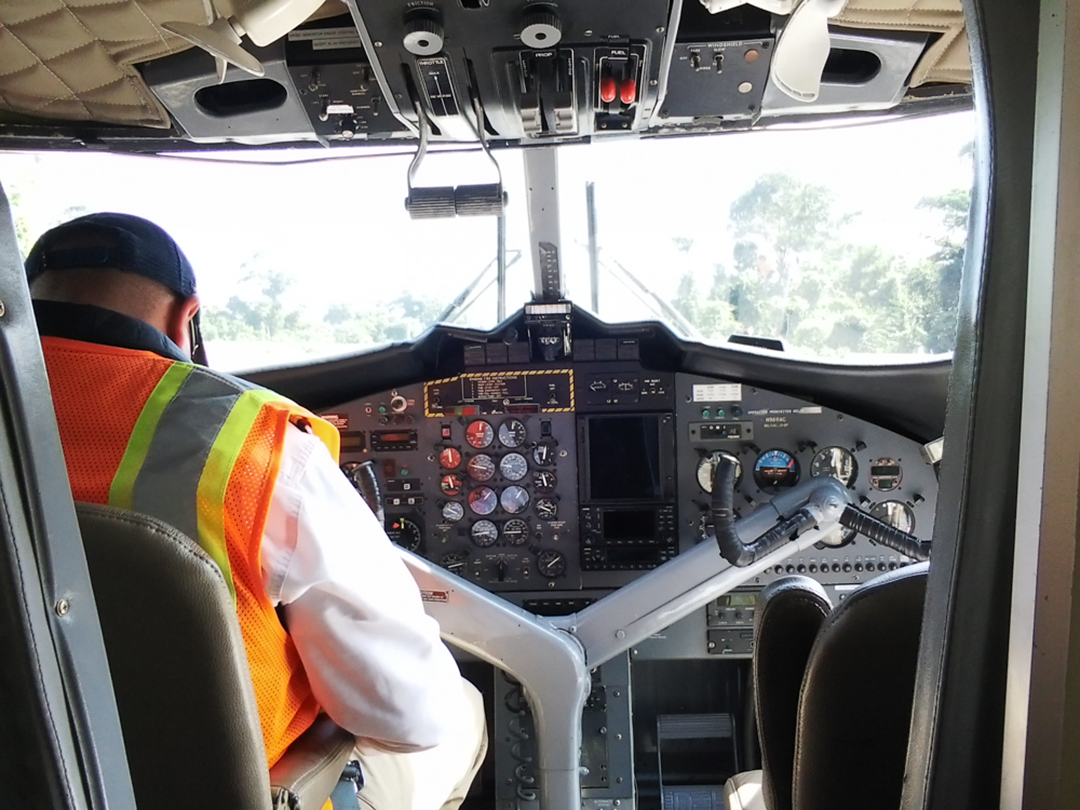
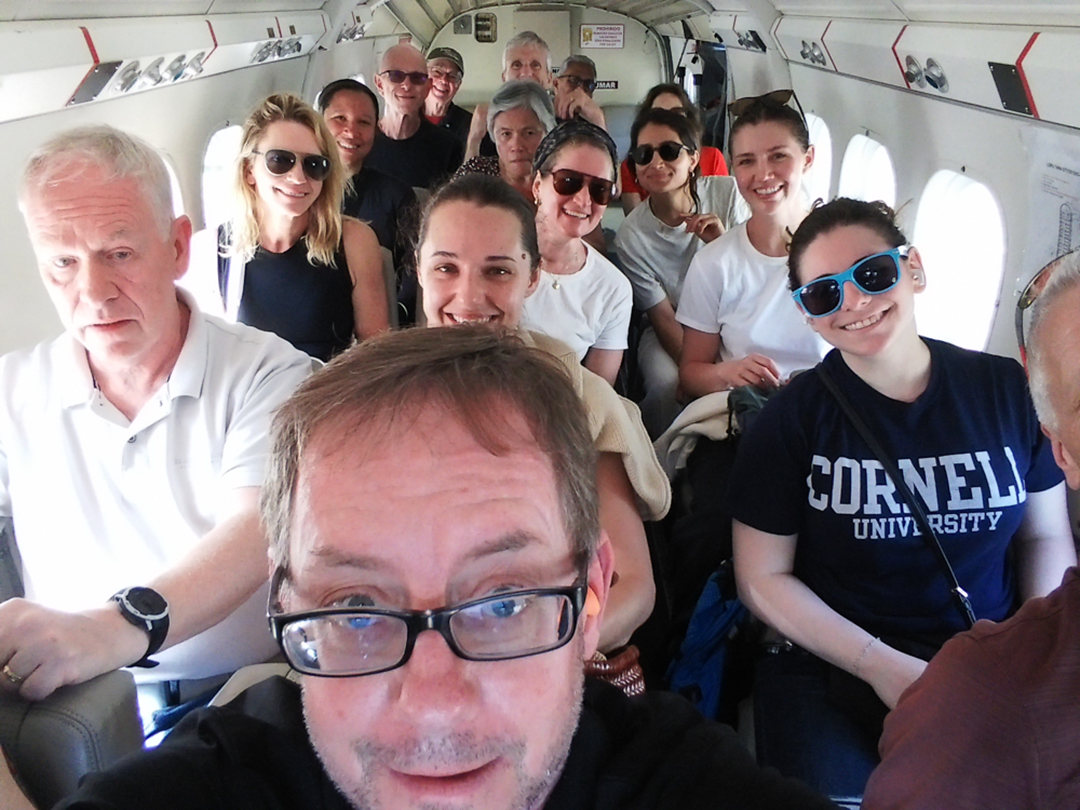
Casa Guatemala, where this artistic intervention took place, lies in the eastern part of the country, deep in the jungle beside the Río Dulce. Getting there requires a flight in a small plane, followed by a journey upriver. The school serves around 200 children from more than thirty villages, almost all of them Q'eqchi' Maya. Nearly half sleep at the school from Monday through Friday because their homes are too far away.
They arrived on February 14th. It was Valentine's Day, and the children were preparing a small celebration with dinner and dancing. They ran to greet the visitors wearing their only clothes for special occasions. The girls wore the only dresses they owned; the boys, their only pair of shoes, sometimes far too large, or went barefoot. Dorrie was struck by how proudly they carried themselves with so little.
They set up the studio in the infirmary. The teachers brought the children in, class by class. Communication was difficult. Their first language was Q'eqchi', their second Spanish, and, with a great deal of luck, a few words of English. At first, they had no idea what to make of the box a foreign woman was pointing at their faces.
They reacted as anyone might to a camera held by a stranger. Some were nervous, others excited; some pretended indifference, although inwardly they found the whole thing extraordinary. The girls approaching adolescence refused to recognize themselves in the photographs, until Dorrie learned to tell them how beautiful they looked in them. For almost all of them, it was the first time they had seen an image of themselves. They had never had a school portrait taken, and their parents did not possess a single printed photograph of them. Something so banal in the developed world was, for them, extraordinary.
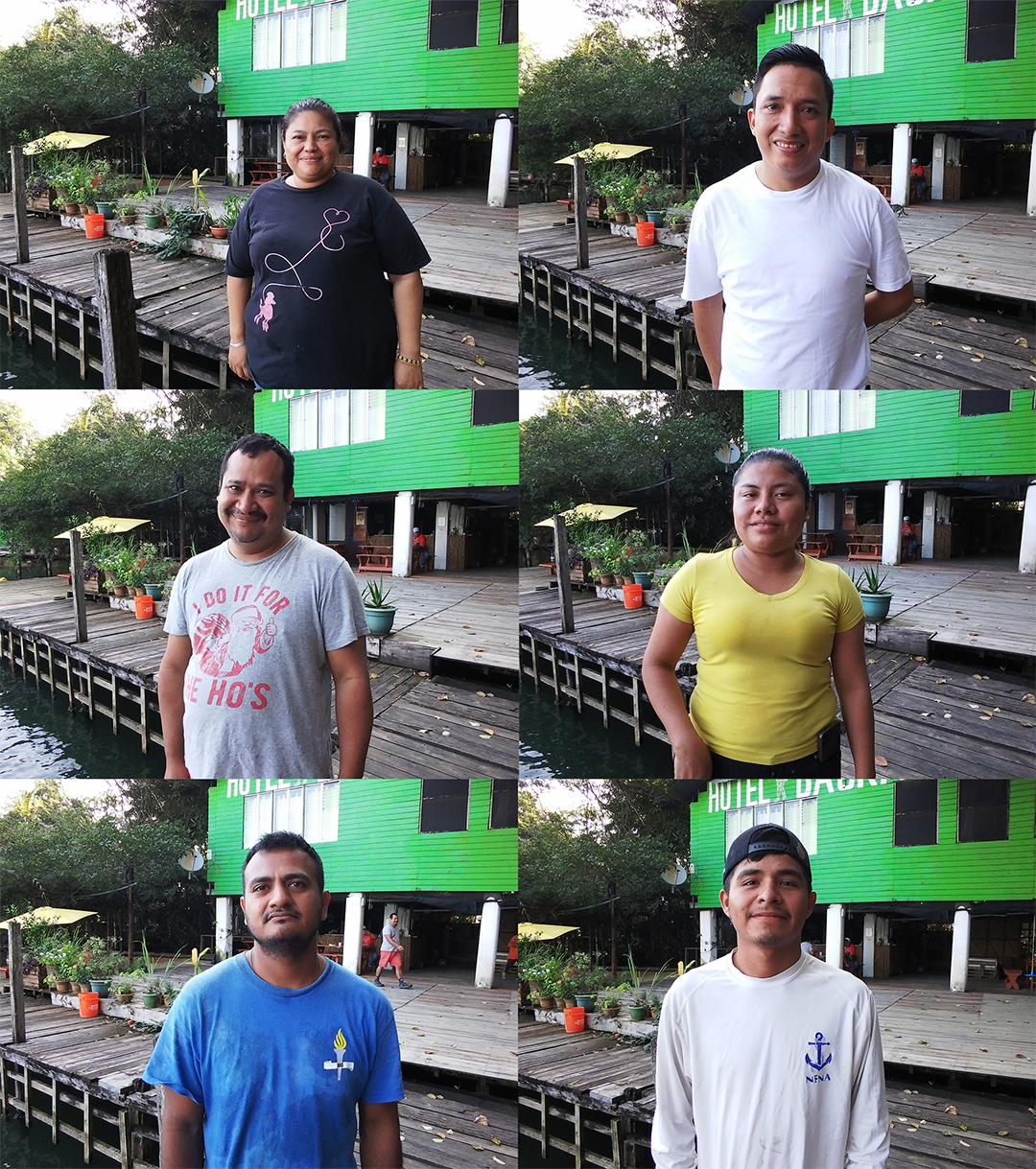
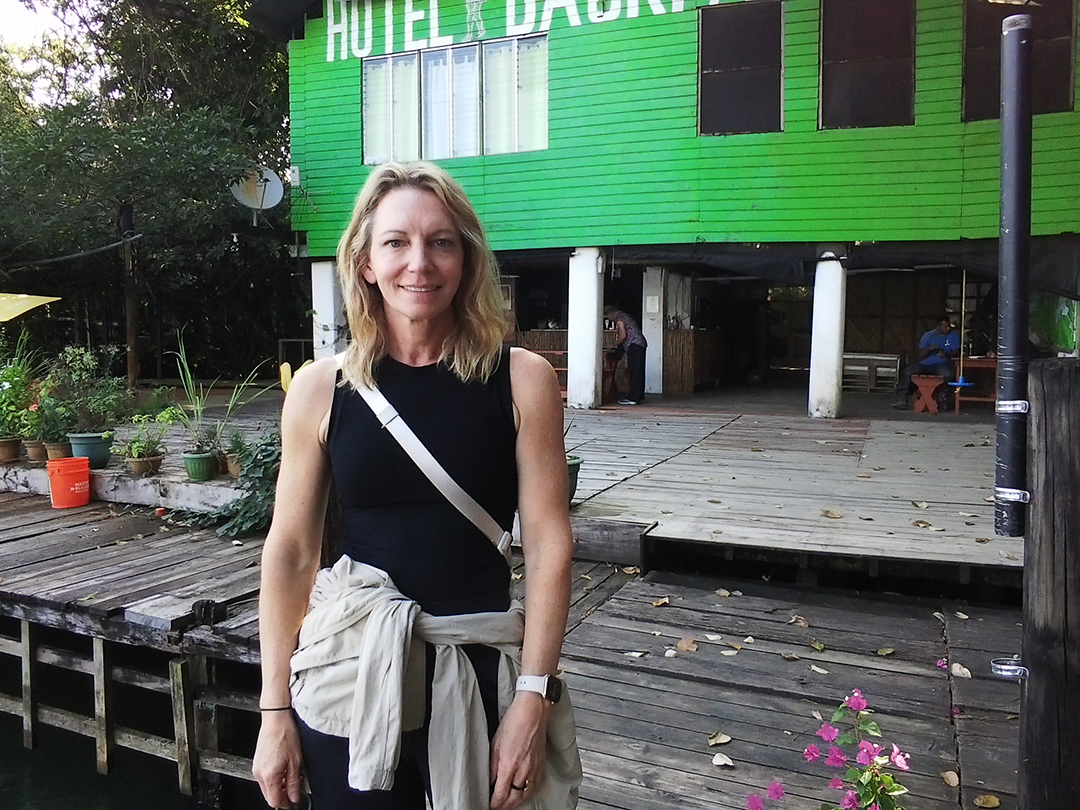
Teachers and school staff also posed, along with the young people working at Hotel Backpackers, a hostel operated by the school where many former students find their first employment. Several asked Dorrie, "Could I have two? I want to give one to my mom."
Dorrie does not speak Spanish, and whenever she tries, the Italian she learned at university comes out instead. As the hours passed, she grew increasingly shy and let her brother shoulder most of the interaction. The children, however, showed no shyness whatsoever. Probably because there, at Casa Guatemala, they learn to fend for themselves. They wash their clothes, help prepare meals, clear the dishes. They assume part of the effort involved in being educated.
One afternoon, Dorrie noticed a tiny girl, about six years old, trying to hang a T-shirt on a clothesline far above her reach. She offered to help as best she could, and the girl gladly accepted. When they finally managed to hang the soaking shirt, the little girl gave her a hug. Despite the difficulties of speaking to one another, they managed to communicate through acts of generosity.
Behind the images that shine in these photographs lies a humanitarian endeavor that the photographs themselves can never fully capture.
No items found.
Katie Hurley Wales speaking during the event at The Annex Gallery.
After Dorrie McCarthy's presentation, Katie Wales told the story of Filomena, a young woman educated at Casa Guatemala since childhood. She arrived at the age of twelve. Her family had been displaced by war, and she had never set foot in a classroom. She could neither read nor write nor count. As happens to many girls in her circumstances, her mother needed her at home to look after her younger siblings. She began first grade as an adolescent, while also struggling with a serious chronic illness that repeatedly brought her to the brink of kidney failure. She took longer than her classmates, but she never stopped trying. She completed primary school at the top of her class. She continued through secondary school and high school, and in 2023 graduated, once again, at the top of her class.
Education allowed her to imagine a better future. She wanted to become a chef and own a restaurant. Today she is one of the two head cooks at Hotel Backpackers, and one of those who prepared the meals Katie and Dorrie ate during their visit. She supports herself and sends money home to her family. With that money, her parents bought a plot of land, built a house, and opened a small shop. They raise pigs and chickens and sell meat and eggs. All of it made possible by a girl who arrived malnourished and illiterate, whose future had seemed all but sealed. Yet she broke the cycle of poverty in a single generation and opened the way to a future for many others.
She might be an exceptional case, of course, like a flower in the desert, like a diamond buried in the rock of a mountain. People like her are treasures. But she is hardly an exception. Many other stories have equally happy and inspiring endings.
It is their power to inspire that mobilizes so many people, because what is at stake is incalculable. In Guatemala—and we can imagine something similar across the rest of the developing world—only 42 percent of children in rural areas, most of them Indigenous, complete primary school. One in four girls between the ages of ten and nineteen is pregnant or already a mother. For them, a school offering three meals a day, a bed, and a safe place is, quite literally, a matter of life and death.
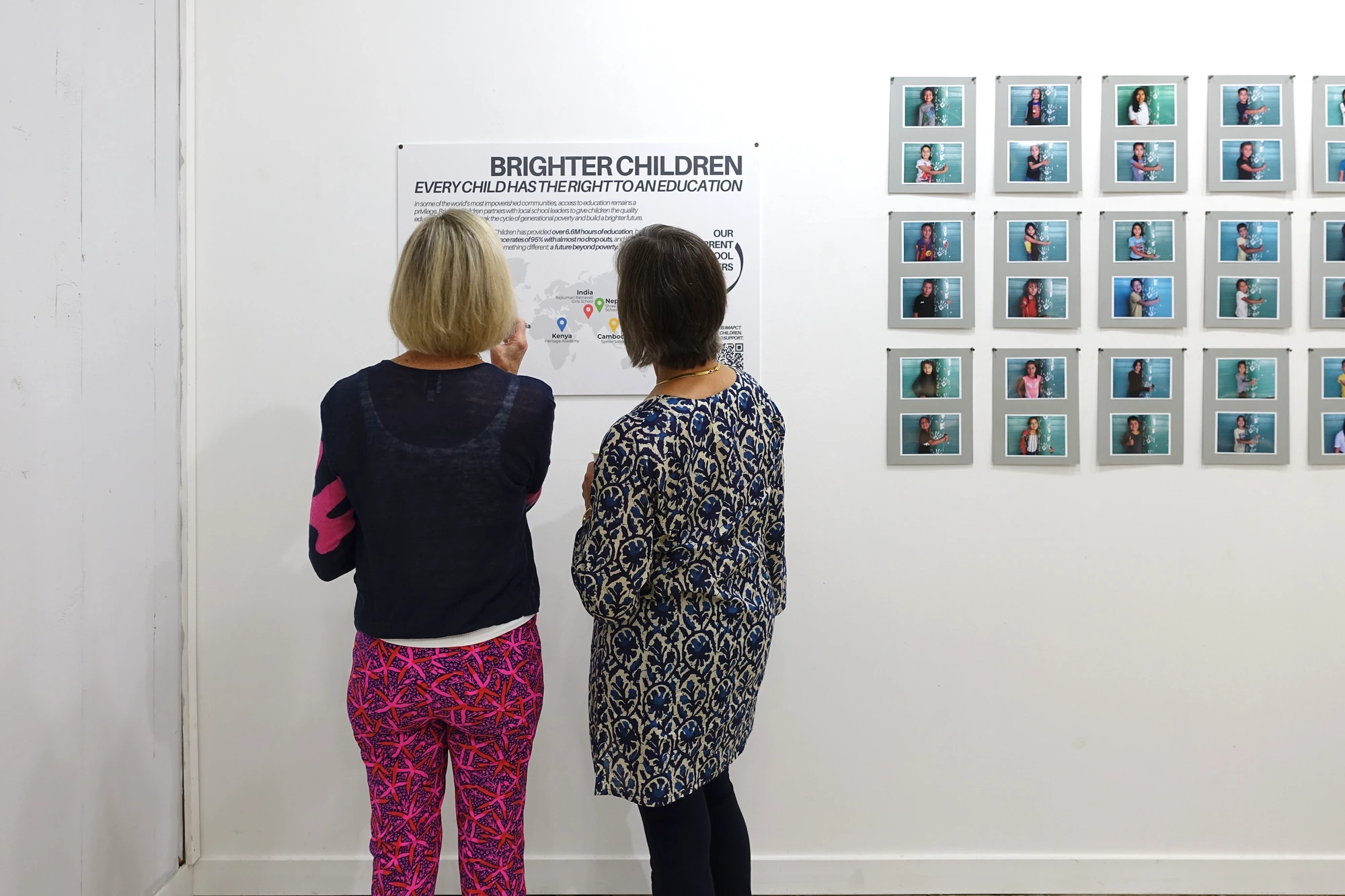
Casa Guatemala is one of seven schools supported by Brighter Children. The initiative began in 2013 with fifty dollars and the simple belief that no child should be denied an education because of where they happened to be born. That first year, its founder, Kunal Doshi, secured scholarships for twelve students. Today, the organization works with seven schools in Guatemala, Honduras, Colombia, Kenya, India, Nepal, and Cambodia, and has funded more than 6.6 million hours of education.
What distinguishes the organization is the way it provides assistance. It defines its approach as venture philanthropy, applying an investment philosophy to charitable giving. It identifies educational entrepreneurs already working on the ground and backs them according to the same criteria used when investing in a business with prospects for growth. These are people rooted in the local culture, familiar with the families and the problems facing their communities, who have devoted their lives to these schools and share the same shortage of resources. Finding them takes time, but it is the foundation of the entire model.
The method has three phases. The first, as already mentioned, is to invest in this kind of leadership and in schools with the potential to truly transform lives. The second is to provide the schools with financial stability and strategic guidance, allowing them to concentrate on teaching while pursuing demanding attendance and graduation targets. And finally, to withdraw. After approximately seven to ten years, once a school can sustain itself, Brighter Children "certifies" it, brings its involvement to a close, and directs its resources to another school. Two projects in India, Educate Girls and Akanksha, have already completed this cycle of collaboration. Educate Girls grew from fifty schools in 2018 to 250. Akanksha, which had an annual income of around $180,000 when the partnership began, now raises more than two million dollars. The slogan "We Believe in Dignity, Not Dependency" perfectly sums up the organization's work.
The seven schools differ enormously from one another. Casa Guatemala, the most recent addition, stands beside the Río Dulce, deep in the Guatemalan jungle. Villa Soleada, in Honduras, was founded in 2012 in one of the countries with the highest homicide rates in the world and maintains a zero percent crime rate among its students. Oasis of Hope has spent twenty-five years working in the poorest neighborhoods of Santa Marta, Colombia. Heritage Academy feeds and educates more than 1,200 people every day in Makutano, Kenya. In India's Thar Desert, Rajkumari Ratnavati School offers many girls in the region their first opportunity to receive a formal education. Shree Sunkhani, in Nepal, and Spitler School, in Cambodia, have recently joined the organization.
They share the extreme poverty surrounding them, along with the conviction that learning is a fundamental right. They also share the ability to extend their influence far beyond the classroom. Partner schools have created more than 215 jobs in their communities, each supporting a household of five to seven people. In Guatemala, Hotel Backpackers trains older students in hospitality and purchases produce from local farmers. In Kenya, a farm with greenhouses, tilapia ponds, and beehives provides employment for families and widows. In India, a women's center beside the school has trained 300 artisans. This is what the organization calls the ripple effect, a multiplying influence that begins with a child, reaches the family, and ultimately transforms an entire village.
The results speak for themselves. The schools report a 95 percent attendance rate, almost no dropouts, and 99.6 percent of their students go on to secondary school. Behind all this are just two people, Executive Director Katie Hurley Wales and Rachel Zembraski. They are supported by three volunteer boards and a network of donors ranging from private individuals to major corporations and foundations.
They aim to bring one new school into the organization every year. To achieve this, they have created the Global Education Champions program, whose donors commit to three years of support, allowing schools to plan their activities with greater financial security. They also have the Scholarship Club, a monthly giving program through which a contribution of $33 a month, approximately $400 a year, covers a child's tuition and basic needs throughout the school year. Thirty-three dollars. An amount that, in the countries where Brighter Children works, can fill a life with hope.










Comments powered by Talkyard.