
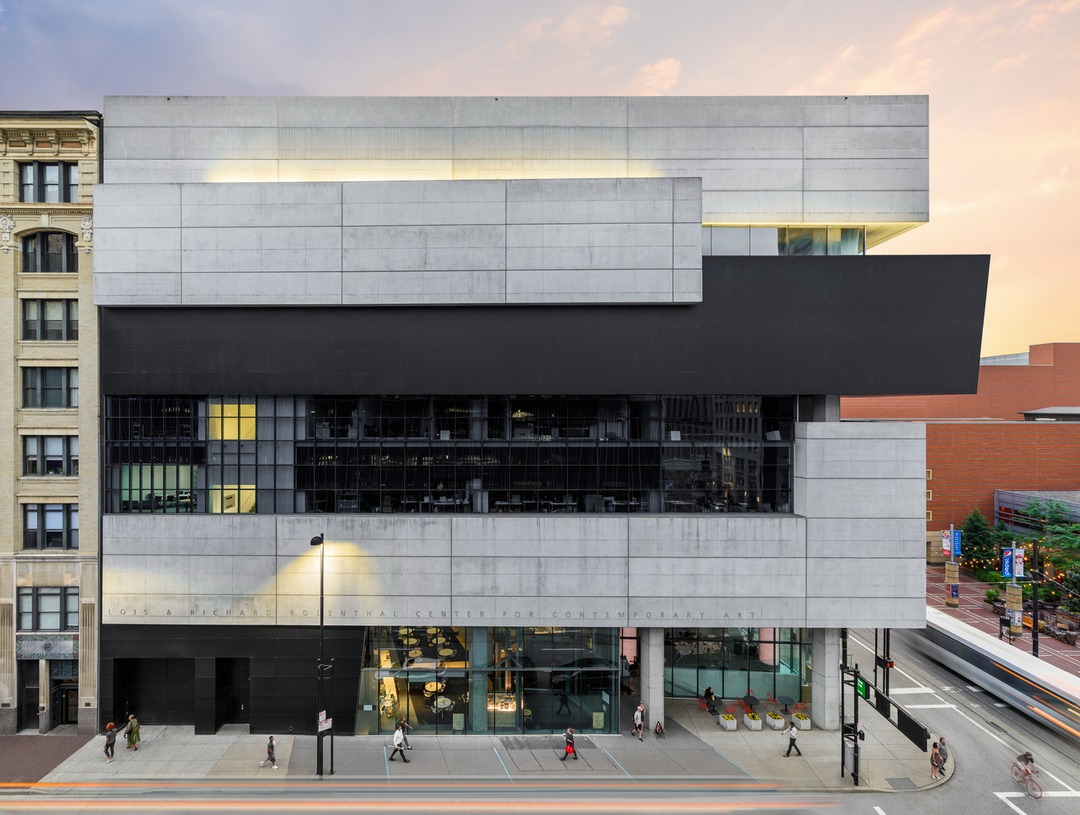
Contemporary art is a moving target. That is as close as I have ever come to hearing a suitable definition of contemporary art. It is also the reason I am still interested in some version of a career in the arts.
Whenever I am confronted with defining contemporary I tend to defer. This is primarily because I don’t typically find my answers all that illuminating. What is “Contemporary”? What is “Art”? Depends on what your definition of “is” is, right? I do think that breaking down the question is helpful.
Are we asking what does contemporary art look like?
Are we seeking some common goal/aesthetic for contemporary art?
Are we defining “contemporary” art in opposition/relation to “other” art? Other modes of expression?
Are we asking for a set of criteria? List of appropriate subject matter?
What did the definition of contemporary art looked like in 1814? 1910? 1956? 1980? Obviously, defining art and movements is easier in hindsight. Obviously, social bias (exclusion based on gender, race, nationality, sexual orientation) plays a significant role in these determinations. Obviously, focusing on any one of these sub-questions yields a dramatically different response.
In my role as a curator* of contemporary art, I am in the position of “deciding” what defines contemporary art. In practice, I am simply trying to organize exhibitions that ask compelling questions. I am interested in asking questions because I don’t know (and you don’t know) what creates great art.
Contemporary art questions social issues, art, process, form, art history…. To me, if the question art asks is interesting, then the show is interesting. I do not need the question answered but the conversations that occur around those objects and ideas should result in some expanded understanding of the human experience. At first blush, this may seem like a low bar, but it is not. Asking a very good question is difficult. And very good art asks very good questions.
I suggest that an abundance of questions and a relatively modest number of answers is what confounds a high percentage of the (potential?) audience for contemporary art. But this is precisely the dynamic that makes this arena so compelling. “Defining” contemporary art only serves to exclude. Defining what is compelling about an object or idea is expansive, generous, and inclusive.
A big question like “What is Contemporary Art?” is fun in the abstract and in bars/classrooms, but I prefer to kickstart a conversation about art with:
Is that interesting?
And follow up with:
Why? or Why not?
This invariably leads somewhere I find more fulfilling.







Comments powered by Talkyard.