
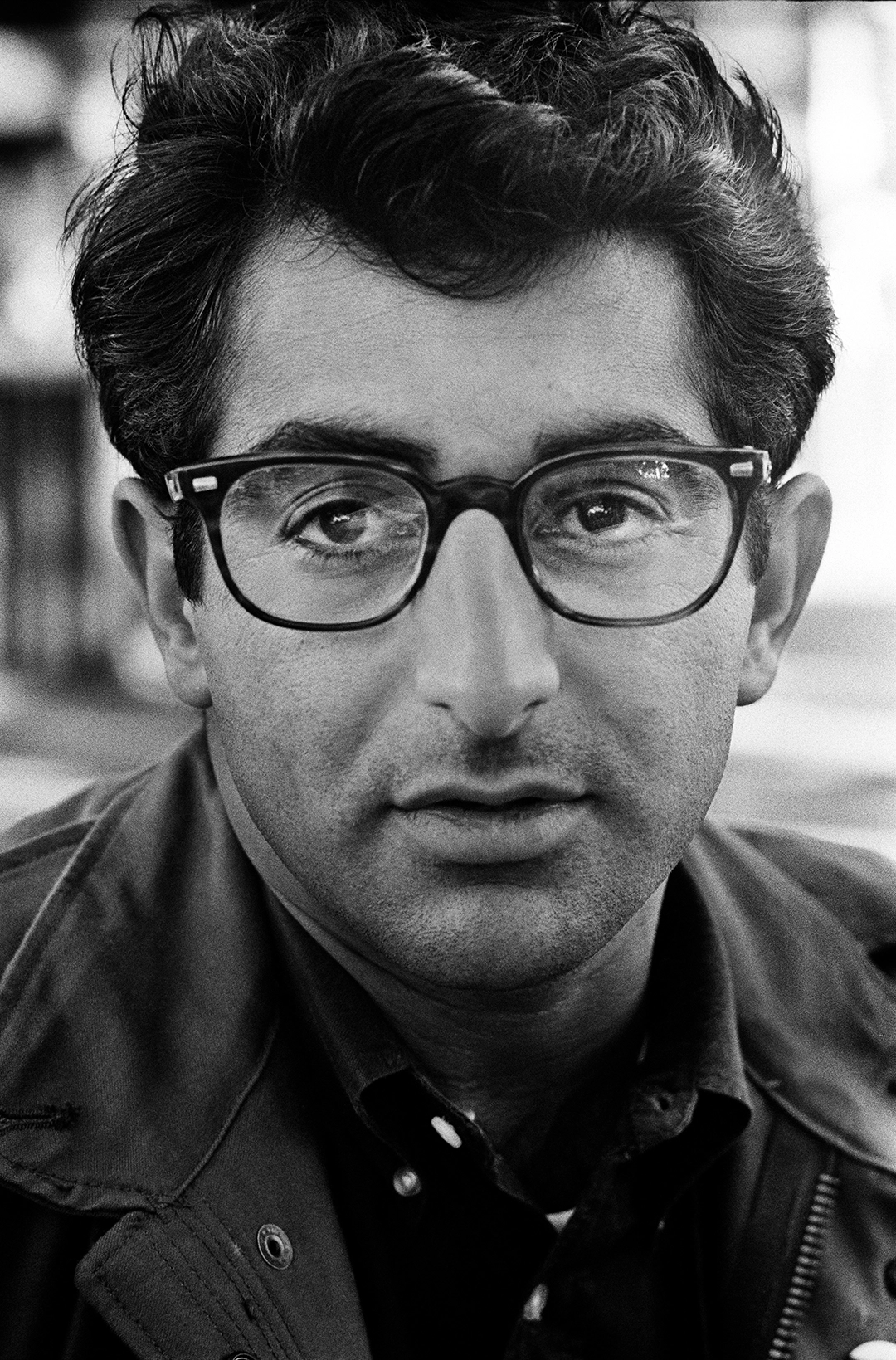
Among the most rewarding things about running an art gallery is the chance to meet extraordinary artists. In the past two months, for instance, I encountered for the first time the work of two important American photographers who share a great deal, Matt Herron and Jim Marshall.
Both shared the intuition that the struggle for civil rights far exceeded its central figures. Both understood that history could be inscribed in improvised marches, in tilted placards, in the crowd, in an anonymous gaze, in the dozens of bodies holding up the scenery of a heroic act.
Herron worked from within the fabric of the movement, while Marshall came to that history through the networks of jazz, folk and the counterculture. Their photographs converge in the intention, or the instinct, to fix what traditional visual narratives would overlook.
In the context of The Sound of Trust, the Marshall exhibition opening at the Annex gallery, I also had the chance to meet Amelia Davis, sole owner, administrator and beneficiary of the legendary photographer's estate. We spoke over Zoom for a little more than half an hour. I was delighted by her stories, by Jim's, by her absolute command of his life and work, and by the history the two of them built together. By her extraordinary kindness as well.
In 2010 Amelia inherited more than a million negatives —his children, as Jim Marshall called them—. For thirteen years she was his assistant, his friend, the person who endured his shouting and returned it with firmness, the only one Marshall trusted to keep his archive from scattering once he could no longer protect it. Amelia sustains that legacy today, decides which photographs come to light, and she is, of course, the one who organized the exhibition bringing to Cincinnati that part of Marshall's work few have seen.
Marshall was born in 1936, the son of an Armenian house painter and an Iranian mother who emigrated to the United States with her sisters. He grew up in San Francisco, in a poor family, with an alcoholic, violent father who eventually abandoned them. He discovered photography in high school, when someone took his picture with a Baby Brownie and he wondered what kind of magic box could produce such a thing. In 1960, at twenty-four, he bought his first Leica, on installments, because his heroes were the Magnum photographers and all of them shot Leica. He went out into the street and taught himself, with no school and no master, to read the dance of the light, to hold a camera steady, to enter a place with nothing preconceived and wait for "that decisive moment" so many talked about.
North Beach was then the center of jazz in America. There he met Miles Davis and John Coltrane and built with them bonds that lasted his whole life. The trade took him to New York, where he lived between 1962 and 1964. From those days comes the portrait of Bob Dylan rolling a tire down a street. He returned to San Francisco and, between 1965 and 1967, documented the Grateful Dead, Jefferson Airplane and the brief, luminous burst of the American counterculture. That musical side is precisely what made him famous, and what nearly everyone thinks of on hearing his name.
Marshall hated being reduced to a photographer of musical events. He saw himself as a reporter documenting episodes that would likely be pushed to the margins of history. It may well be that we owe to his work several pages of what history tells us today.
In 1963 he traveled to Hazard, Kentucky, a town sustained entirely by the coal industry. He photographed a family of miners. He lived with them and went down into the mine, portrayed their faces marked by lesions that looked like smudges of soot when they were in fact the sores produced by inhaling the mineral. The magazine that had commissioned the photo essay was going to publish a text blaming the miners for their own misery. Faced with that insolent, contemptuous article, Marshall demanded his photographs back and took them to Jubilee, the magazine of the New York archdiocese. He dictated the definitive text himself, because he had been there, had lived it, and knew better than anyone what went on down below
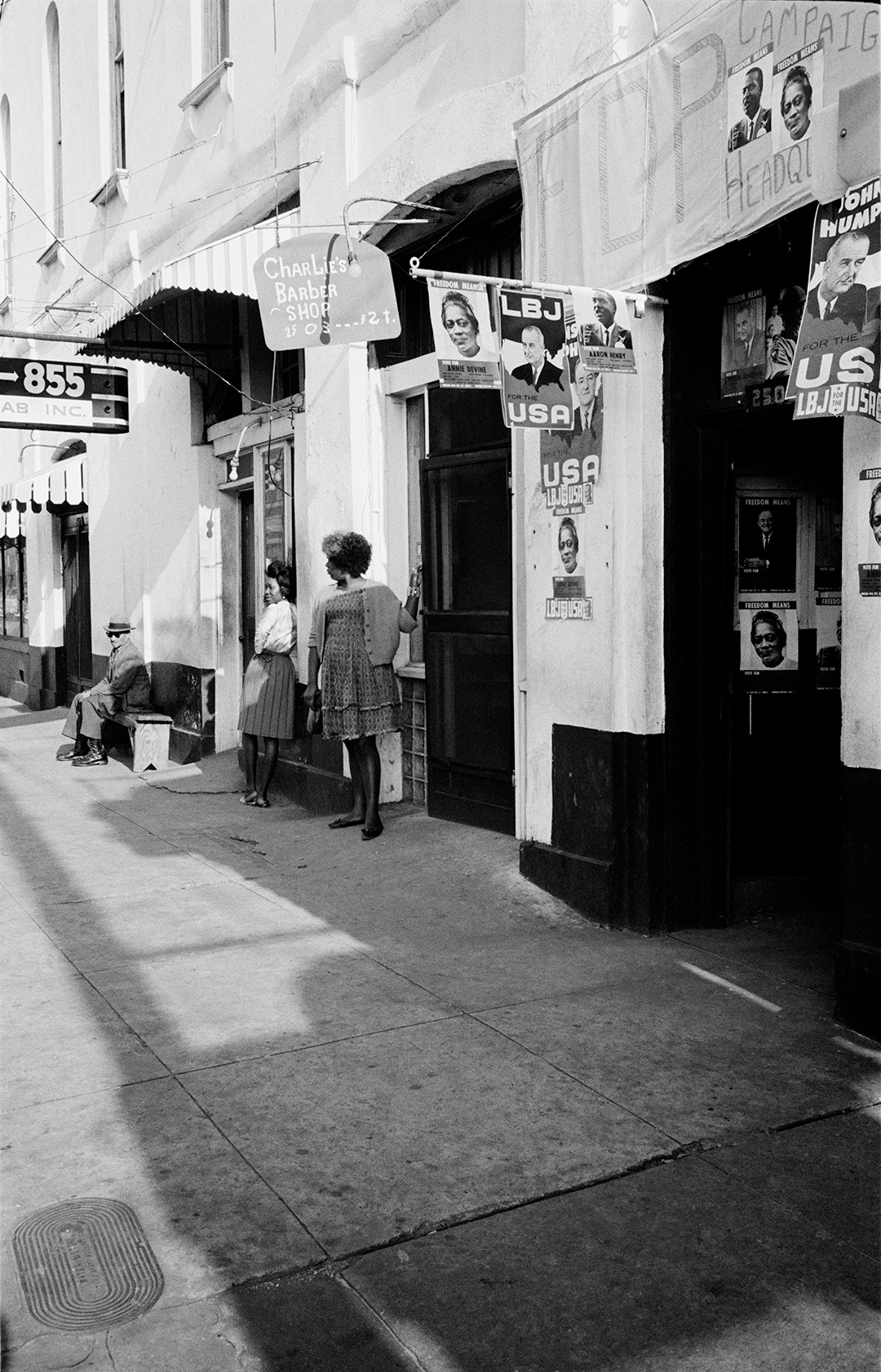
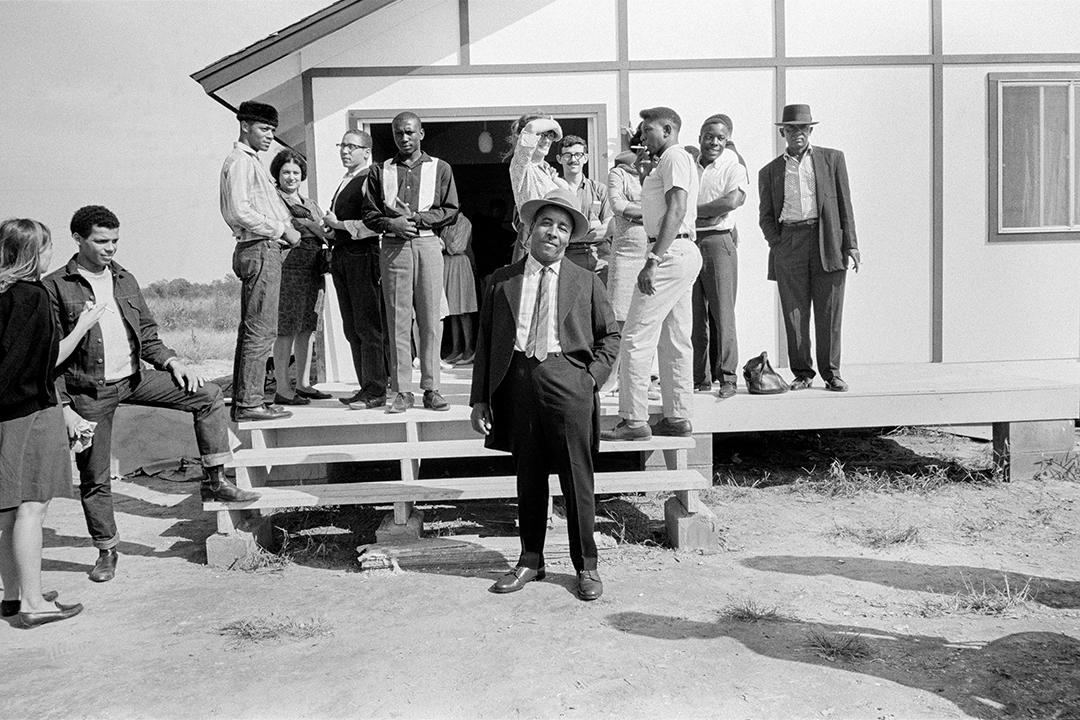
That same year he was in Newport, where, in a controlled space, Joan Baez and other organizers rehearsed what would become the March on Washington. Marshall photographed the rehearsal in a laundromat, with James Forman and Cordell Reagon, and marched with them to Touro Park. No other photographs of that moment are known. Shortly afterward he traveled to Mississippi, on his own and on no one's assignment, to document the work of SNCC and CORE registering African American voters. Of that campaign almost no historical record exists beyond the one he left. There are Bayard Rustin, a very young John Lewis, Andrew Young, and also the posters, the buildings, the children playing in the street, everything surrounding the event that most photographers would have left out of the frame. He returned in 1964 for Freedom Summer.








Comments powered by Talkyard.