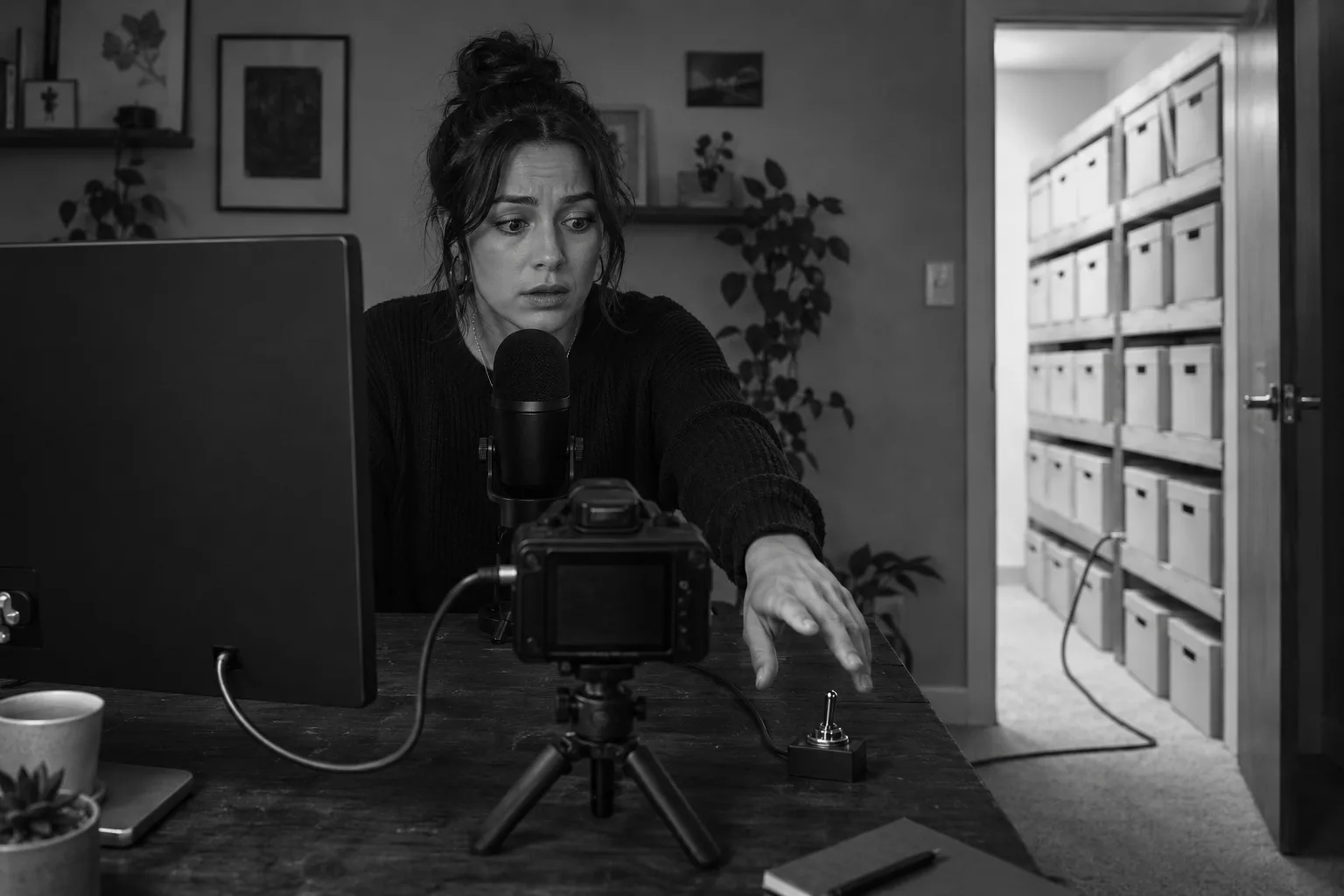
Twitch has enabled a setting that allows Amazon, its owner, to use channel content for training generative AI models. The permission covers streams, clips, images, audio, chats and other material unless a user finds the control in the Streamer Dashboard and turns it off. Twitch says the data will not be resold to outside companies and gives automatic subtitles as one possible use. Chief product officer Mike Minton explained the default with unusual candor. If participation required an active choice, he said, nobody would opt in. Twitch has not said when collection began, and Minton said he did not know what Amazon had already used for model training.
The switch gives creators a formal refusal while the interface arranges participation in advance. A person who never visits the security and privacy menu still supplies a decision through inaction. That design is valuable because a live platform contains voices, gestures, gameplay, conversations and audience reactions gathered at enormous scale. Each stream was made for viewers in a specific moment, yet the default treats it as potential raw material for another product. Twitch community head Mary Kish said data collection for AI training had become an industry standard and did not expect users to welcome it. Some users also reported that the switch appeared on again after they disabled it. Their immediate task was therefore to return to the menu and check whether refusal had remained saved.
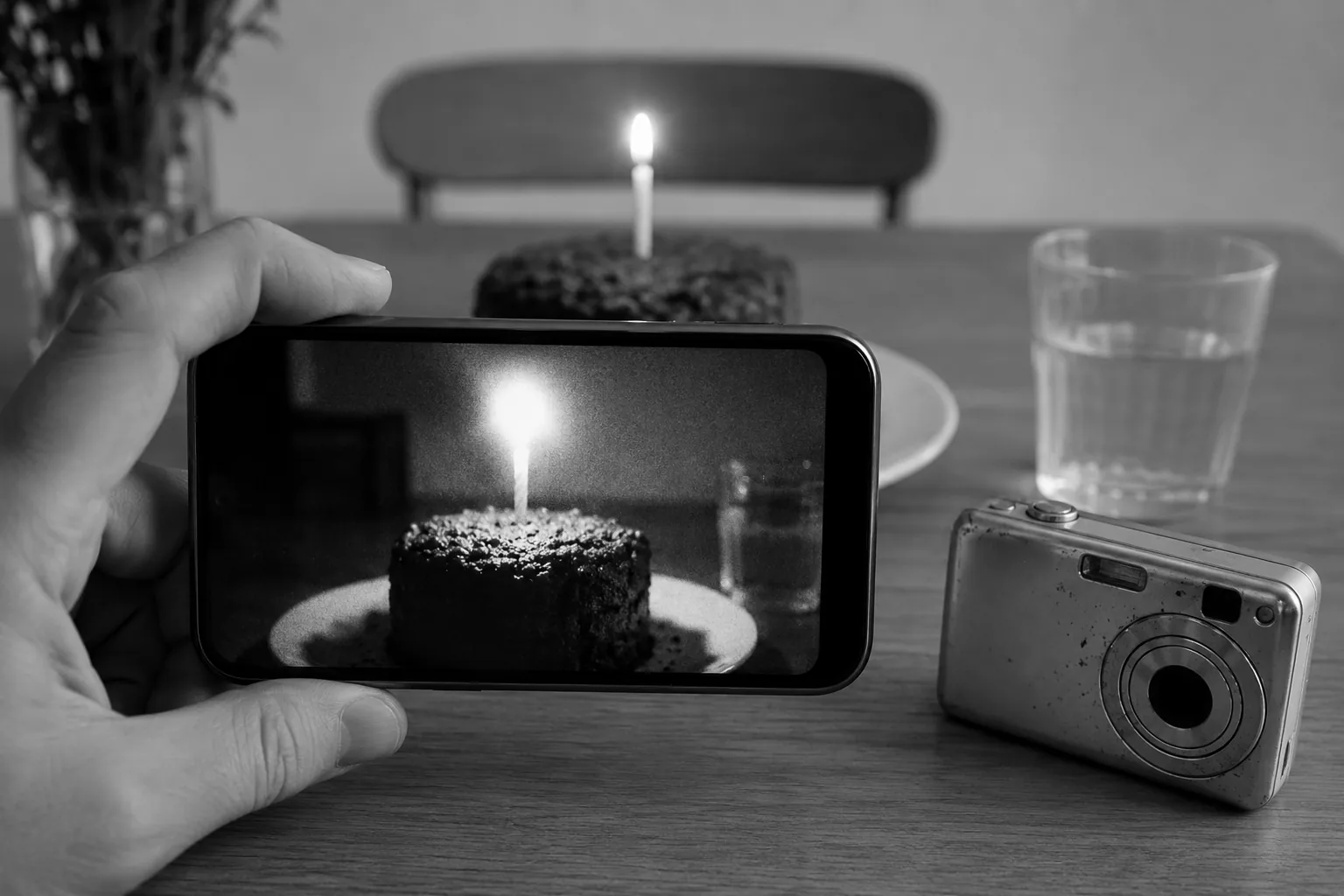
Google's Pixel 11 introduces Camera Looks, styles that alter a photograph before the phone finishes processing it. They resemble filters but work earlier in the camera pipeline. A look can change exposure, sharpening, the number of frames captured and how those frames are combined. Some preserve blown highlights or leave edges softer. Digi imitates compact digital cameras from the early 2000s, whose limited dynamic range and hard contrast have become desirable again. Google Trends shows US searches for digicam rising 500 percent over five years. Pixel camera chief Isaac Reynolds told The Verge that a minimal look can omit normal processing.
Smartphone photography spent a decade correcting the physical limits of small lenses and sensors. Multi-frame stacking brightened night scenes and reduced noise. Object recognition separated subjects from backgrounds, while models produced detail during zoom. These operations made photographs cleaner and increasingly uniform. Users then carried old point-and-shoots to recover grain, darkness and uncertain exposure. Camera Looks brings that refusal inside the advanced phone. Heavy processing cannot always be reversed after capture because merged frames may leave permanent artifacts. Google now asks the user to choose corrections before pressing the shutter. A blown candle flame or soft face can arrive as the intended result of modern computation rather than the accident of an obsolete camera.
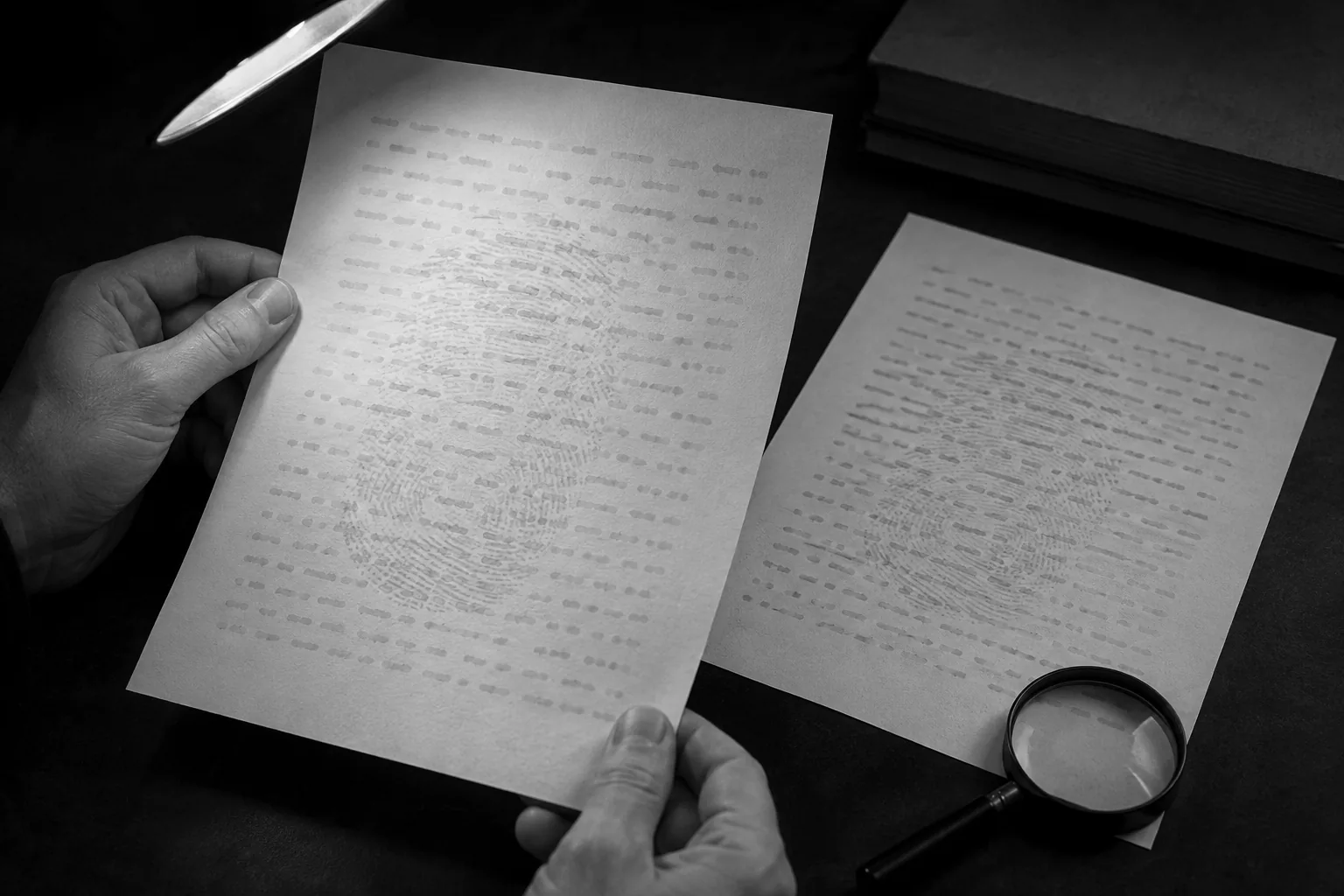
Anthropic says future Claude models will place an invisible, machine-readable watermark directly into generated text. The commitment responds to European transparency rules effective August 2. New models will carry the mark from release, while existing models will follow. Anthropic says it will operate at model level across Claude, Claude Code, its API and access through outside cloud providers. The watermark is woven into the wording without changing its visible meaning or readability. It should travel through copying and may survive some editing. Supported generated files will instead carry digitally signed provenance metadata, including the C2PA standard where applicable.
The reader will see ordinary prose while a compatible detector examines its statistical construction. This creates a record of origin that can follow a paragraph beyond Claude's interface, but Anthropic has not disclosed the method, the amount of editing that removes the mark or a public detection tool. Those details are promised in future technical documentation. File metadata presents another weakness because platforms can strip it during ordinary uploads. Anthropic also warns that missing evidence proves little. A text without a detectable mark could still come from an AI system, an older Claude model or an edited response. Before a school, publisher or platform treats detection as evidence, it will need the detector version, its error rate, the model covered and the threshold used on the disputed passage.
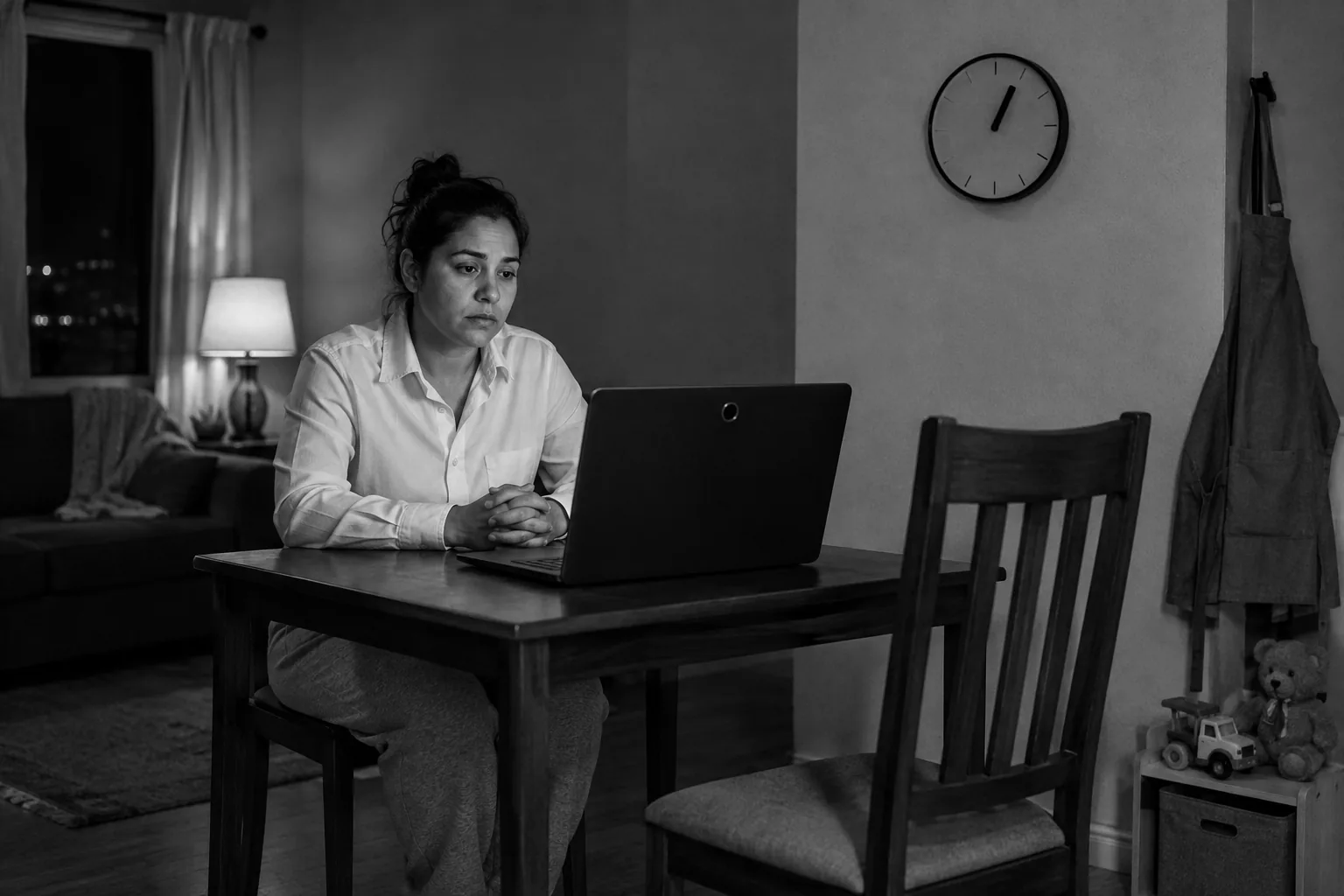
In January, Atlanta publicist Tim Millard expected a human interview for a media relations job. Instead, an email sent him to a recorded interview. At 9:30 p.m., he tidied his living room, opened his laptop and answered onscreen questions. He had 30 seconds to prepare and two minutes to respond. An automated rejection arrived in March. WIRED reports growing use of automated late-night interviews. Ribbon says 24 percent of interviews occur between 10 p.m. and 2 a.m., rising to 35 percent among manufacturing clients. Greenhouse places its nighttime share around 15 to 20 percent. The availability can help parents, hourly workers and employees unable to interview during the day.
The convenience transfers the interview into the applicant's private hours. An employer defines a rubric, software analyzes the recorded answers, assigns a score and sends the result with the footage to a recruiter. Many recordings may never be watched. Criteria can include technical qualifications or a sales applicant's enthusiasm. The candidate performs professional attention for a listener who is absent and may remain so. A Greenhouse survey found that 38 percent of American candidates had withdrawn rather than complete an AI interview; another 12 percent said they would withdraw if one were required. Millard turned his job search into a one-man stage show and remains unemployed. His first encounter with that employer ended with a score and an automated email.
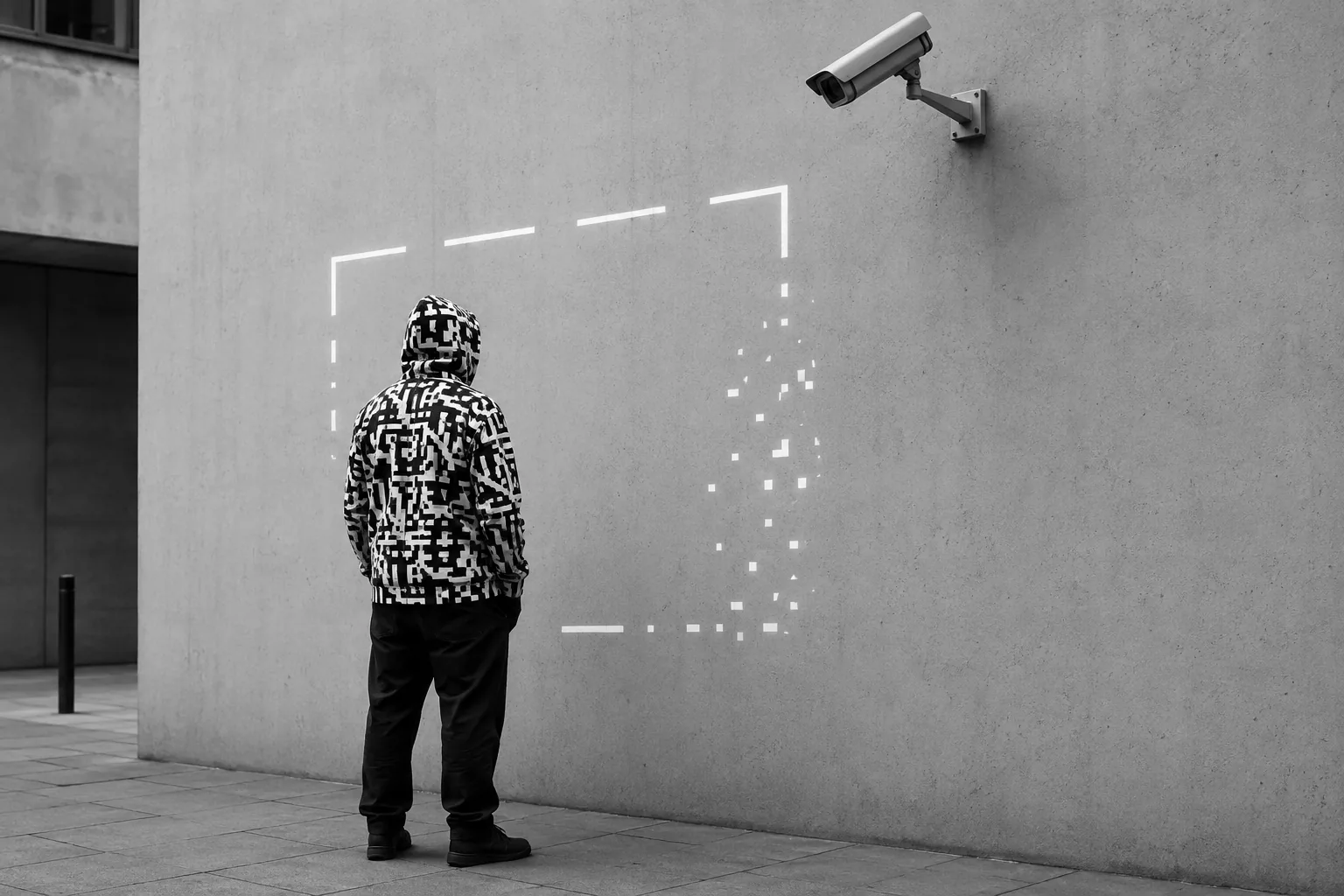
Researcher Bill Swearingen spent a year developing printed patterns designed to interfere with surveillance. His noRecognition project reports 31.7 million tests against 11 computer-vision models. The cameras continue recording, but the pattern can disrupt the software that labels a shape as a person or vehicle and generates an alert. A training system repeatedly changed each design after detection failures. Swearingen told TechCrunch that his patterns defeated all 11 models in laboratory tests. At Def Con in Las Vegas, his team covered a 2009 Toyota Yaris with one pattern and tested it against a Flock camera. He says the car avoided automatic detection, although its wheels remained difficult to conceal. The demonstration video is unavailable, and the results have not been independently reproduced.
The project turns privacy into something worn on the body's surface. A hoodie can place friction between a visible person and the database trying to classify that person at a protest or on a street. The protection remains temporary and uneven. Lighting, distance, camera angle and software updates can change the result. Swearingen is keeping his strongest designs private because camera companies could use public samples to retrain their systems. He plans to sell shirts, hoodies and neck gaiters through Kickstarter, including unique patterns never released online. Each garment enters a contest that continues after purchase. A camera vendor updates its detector, and the wearer needs another print.
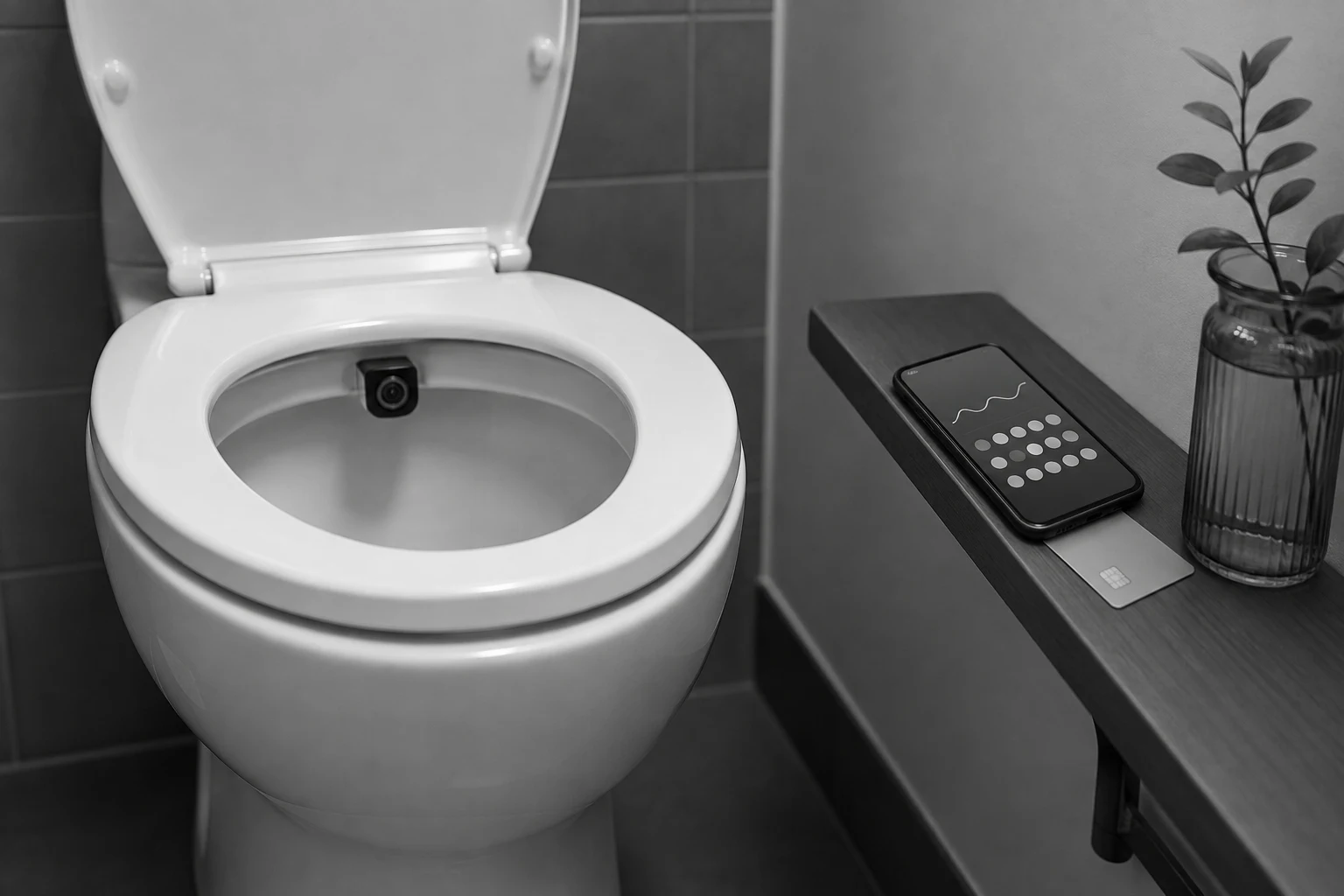
Throne One places a camera beneath the rim of a toilet and turns each visit into a health record. The device costs $399.99, followed by a $5.99 monthly membership after three free months. Optical sensors and AI classify stool consistency, urine color, hydration, urinary flow and bathroom habits. An app displays scores and trends, while an AI coach offers basic suggestions about food or water. The device uses a nearby phone to identify its user; visits elsewhere can be entered manually. Throne Science calls it a general wellness product and says it does not diagnose, treat or prevent disease. Gastroenterologists interviewed by Business Insider saw value in an automatic diary, especially when patients change medication or manage digestive problems.
The difficulty begins after the measurement. Visible blood might come from hemorrhoids, menstruation, inflammatory bowel disease or cancer, and current devices cannot identify the cause. Digestion also changes with stress, sleep, medication, travel and diet. Kyle Staller of Massachusetts General Hospital warned that healthy users could become preoccupied with ordinary variation. A compulsory bodily act now becomes a recurring medical check that requires no effort. The subscription keeps the record active, and every deviation can return as an app event demanding interpretation. The purchase provides memory without certainty. Throne's camera may document every visit, but when a score changes, the explanation still belongs to a clinician or to a worried user.
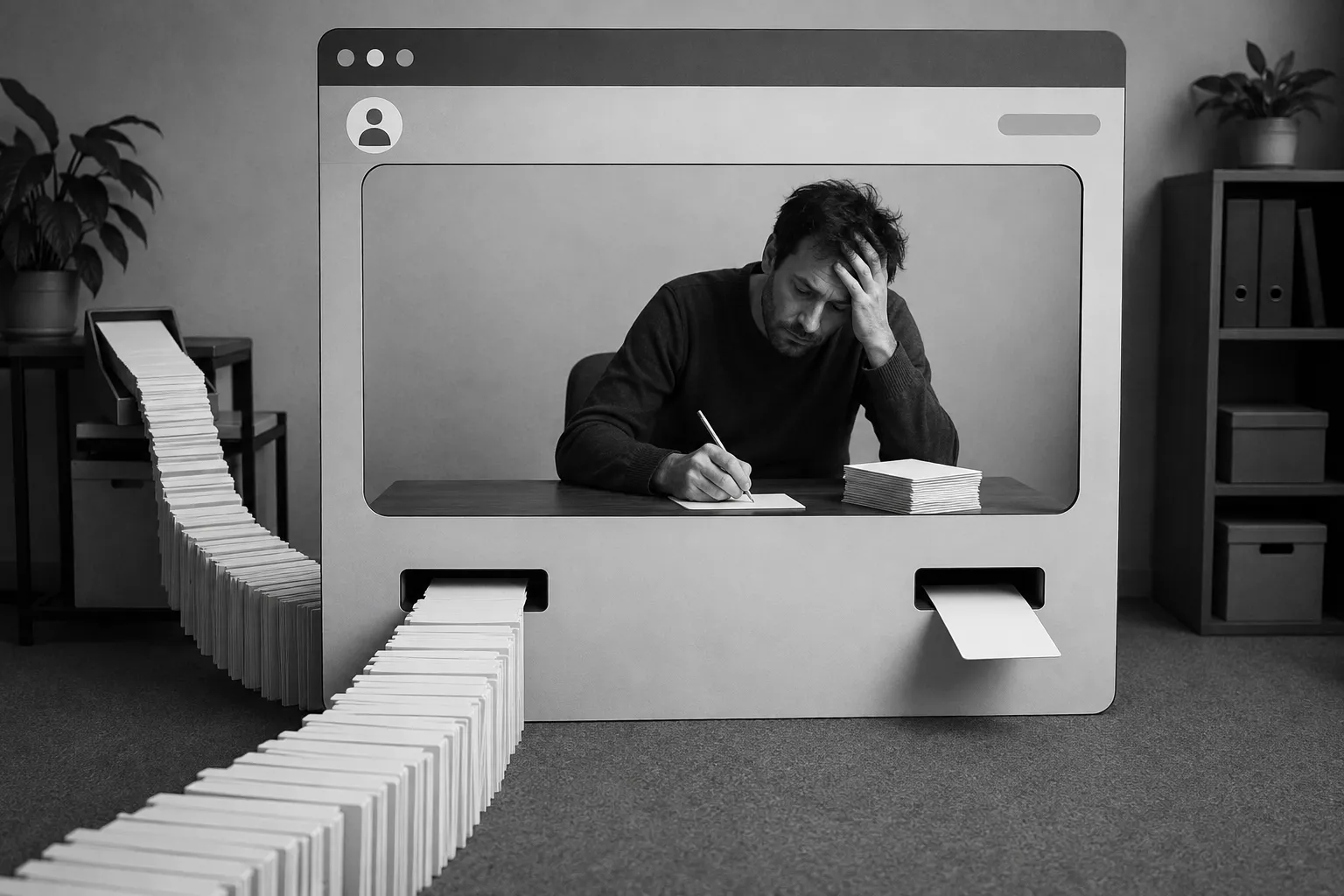
Tucker Bryant built a chatbot with no language model behind its answers. When someone writes to ChatTJB, Bryant or one of ten volunteers reads the message and replies by hand. The site resembles a chat window and says an actual person is replying. Bryant, an artist and former Google manager, launched it in April. A San Francisco billboard later called it AI, meaning average individual. By August 6, Bryant reported over 30,000 questions, with a peak of about 5,000 an hour. Replies can take days. People request drawings, cooking tips, dinner ideas and help deciding whether to hold a birthday party.
Bryant created the project after noticing how often he handed small choices to language models. He once asked whether to wear short or long sleeves, despite seven years in San Francisco. He calls this habit cognitive surrender, accepting an answer without thinking through it. ChatTJB puts an ordinary person inside a chat box, so a late reply comes from someone who must read, consider and type it. Users often begin with jokes, then share personal questions after learning that a person is listening. Bryant promises no expert advice. People return for the attention of a stranger. The website now warns that messages may wait days while its eleven humans face a queue growing by the hour.

In January, SoftBank contributed $50 million to the foundation for Donald Trump's future presidential library. The company said it would fund construction and operation. Presidential libraries preserve an administration's records and serve as monuments to its account of power. SoftBank's gifts to the Reagan and George W. Bush libraries came after those presidents left office. This payment arrived during Trump's term, before his library existed. In March, the Department of Energy leased federal land in Ohio to an affiliate of SoftBank's SB Energy. The former Portsmouth uranium-enrichment site is planned to hold a 10-gigawatt data center campus, supplied by at least 9.2 gigawatts of new gas generation.
Senators Elizabeth Warren and Richard Blumenthal and Representative Melanie Stansbury asked whether the timing raised bribery concerns. No published evidence connects the contribution to the lease. The two events expose a direct route between political remembrance and AI infrastructure. A corporation can honor a sitting president through an institution shaping his historical image while seeking federal land for one of the world's largest computing projects. The material chain includes a Cold War site under cleanup, gas plants, transmission lines, private servers and a commemorative foundation. SoftBank confirmed the dates and described the gift as resembling its previous library donations. Those checks reached former presidents. This one was deposited two months before the federal agreement was announced.
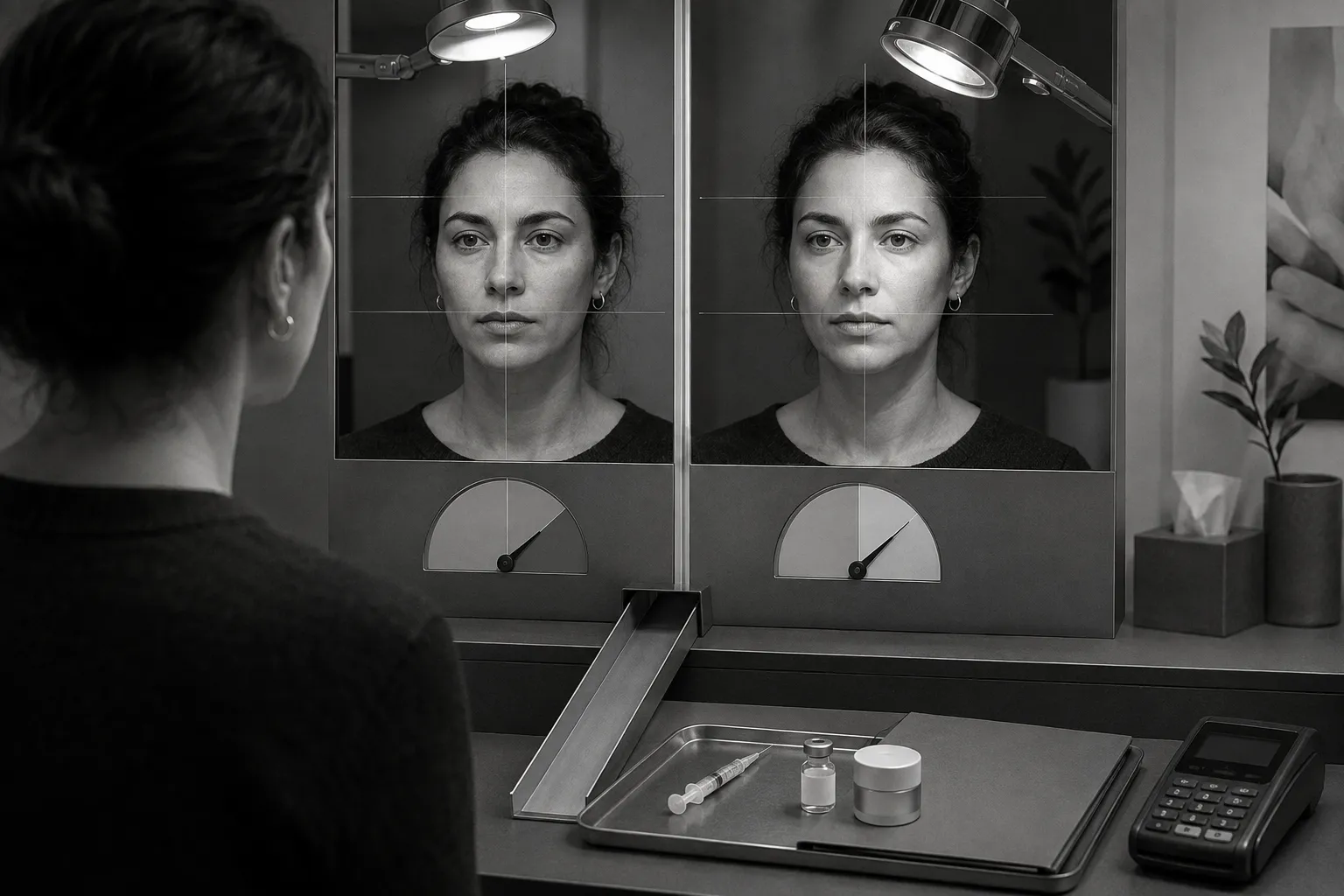
After two years without work had lowered her confidence, Danielle found a facial analysis service promoted on TikTok as science-backed self-improvement and paid $330. She sent Qoves selfies and received a 30-page report scoring details from her ears to the femininity of her features. It proposed changes across her face and work on her brows and lashes. Qoves says attractive people receive better treatment at work and elsewhere. Danielle linked that promise to financial security. It belongs to looksmaxxing, which treats appearance as measurable and improvable. Facemaxify and Epica use AI to score faces against hidden standards. Qoves sells a $150 report and a $180 surgery upgrade, though its method and use of AI remain unclear.
Laura O'Connor exposed the mechanism. Epica gave the reporter's selfie a skin score of 61, marked uneven texture and displayed serum offers. She changed the lighting, took another selfie and scored 81. Epica kept its method secret. Researchers Justin Mogilski and Mitch Brown say limited studies cannot support universal beauty advice across cultures. Such uncertainty still supports a sales path. The service names a defect, assigns a number and offers a procedure, subscription or affiliate product. An unstable measure sounds like a diagnosis, making ordinary variation an expense. Danielle has consulted an injector and may travel for procedures after clearing her unemployment debt. O'Connor's higher score left her beside another set of serum links.
