1,942 reviews and essays published in ÆQAI between 2010 and 2017. Each bar is a month and its height shows how many articles it holds: choose one, browse the pages below, or meet the authors.
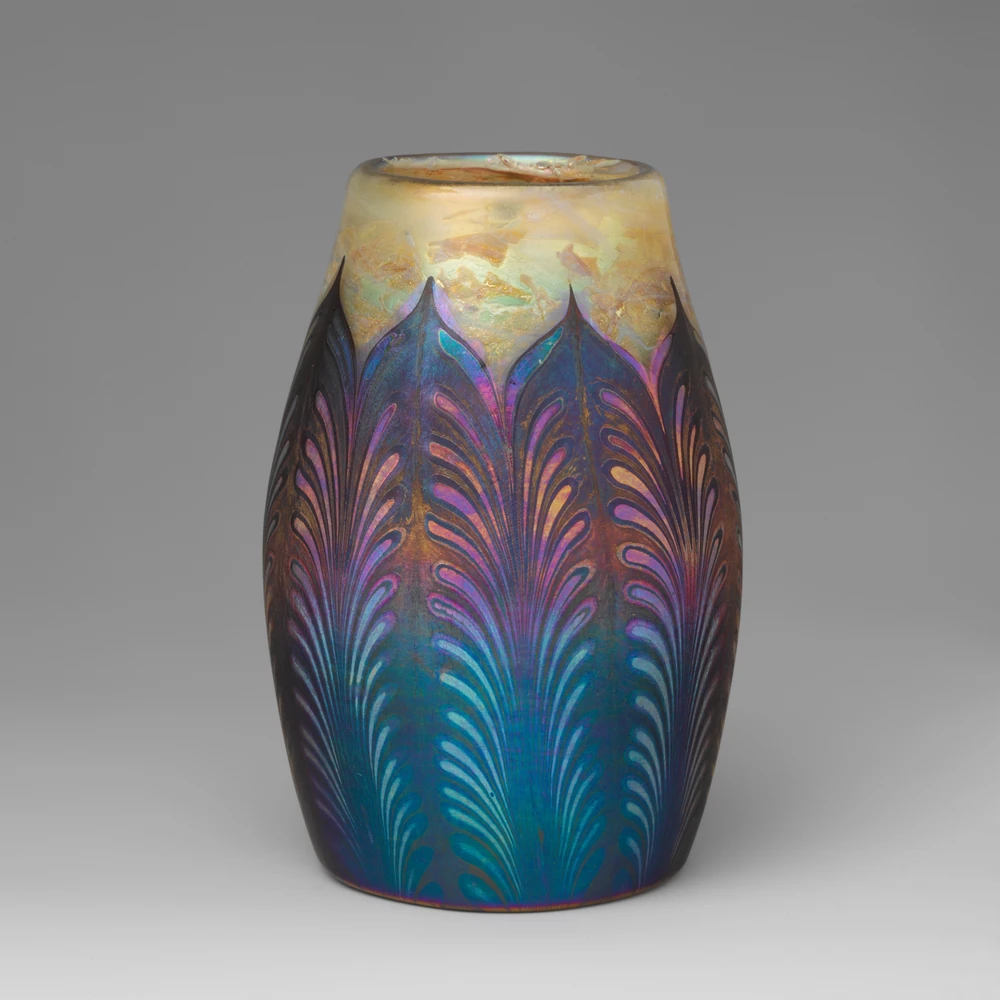
Aeqai’s back with its April issue, and we apologize that we’re about l0 days late. My computer broke for awhile–a few of this month’s columns were actually meant to be posted last month–and then I had to go on medical leave for about six weeks, but I’m back. I think our new issue is well worth the slight delay.

Painting in the Network: Algorithm and Appropriation, which is currently up at University of Louisville’s Cressman Center for the Arts, and curated by Chris Reitz, is involved in a dialogue that has been unwrapping itself for just about forty years (and arguably since the advent of photography): how does new media (in all of its forms) interact with painting, and what is painting’s future?
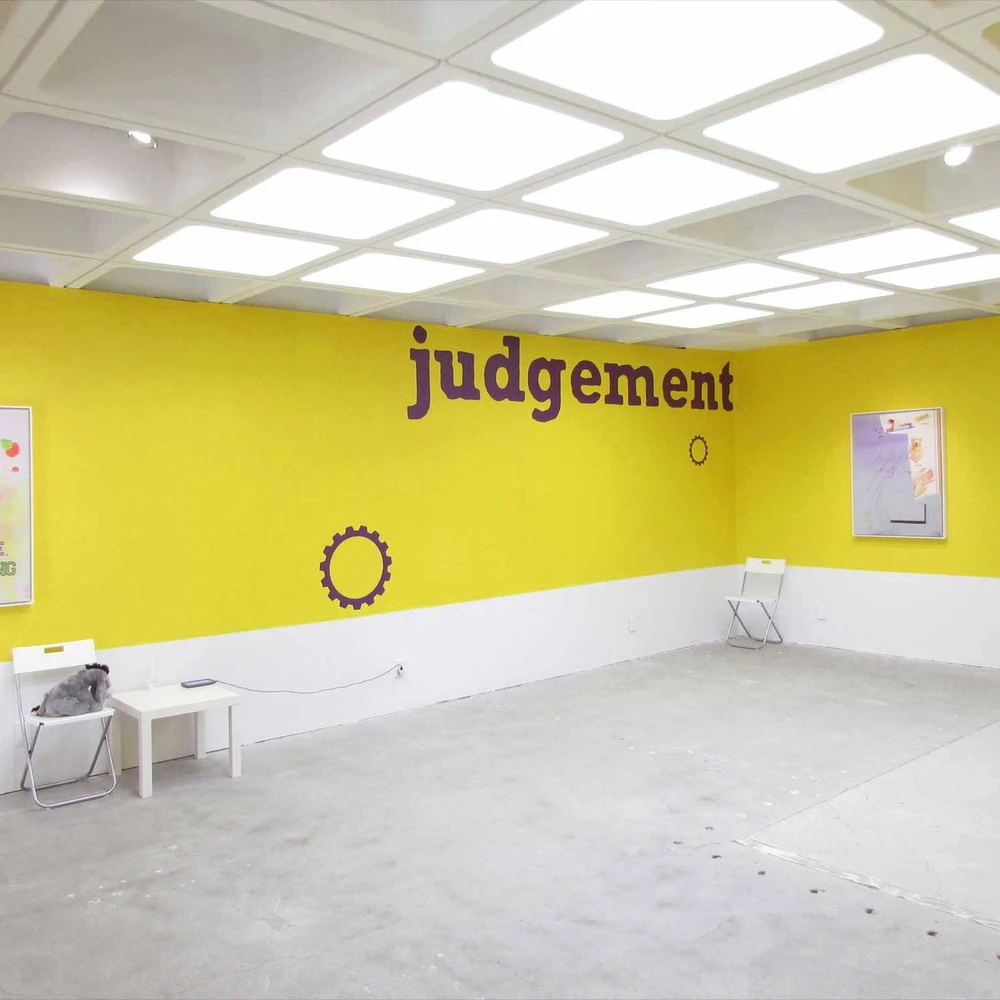
People can be so truculent, never missing an opportunity to censure others. That’s what makes Planet Fitness’ storied promise of a “Judgement [sic] Free Zone” so appealing. Yet behind the appeal is a shadowy void; the very act of establishing such a zone involves judgment.

The birds in Kevin Veara’s paintings are vividly alive in their stylized natural world. Birds of Paradise, an exhibition of a dozen or so of the artist’s recent works at Marta Hewett Gallery, Cincinnati, is on view in an area far from the door, almost as though these handsome creatures might fly right out if given the opportunity.

The Castle of Debris is situated first from the entrance to the large exhibition hall in Tokyo’s National Art Centre. Piled on the floor are the ‘monad’ pieces of heat-transformed polystyrene, burned and melted from identical and flat machine-turned replicas into figurations of seemingly infinite textural and topographical complexity, but all to some degree concave, hollowed-out carapaces.

Chinese and Japanese art come from radically different traditions and assumptions than Western art. “Chinese painters are always painting essences, not likenesses,” according to Curator Daniel Brown. Because Asian art looks for essences and is highly reductive, artists radically reduce the visual information included in their work to the barest of essentials.
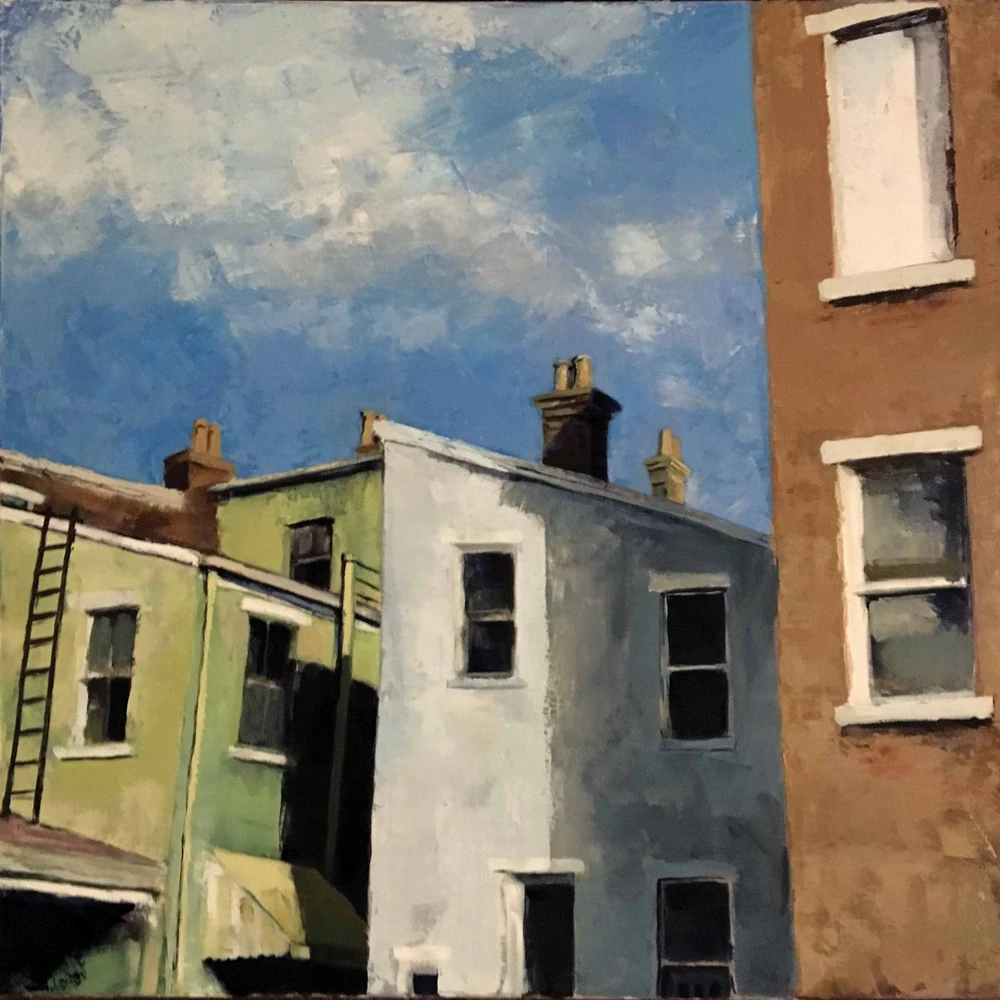
This show in the Main Art Gallery of the Fine Arts Center at Northern Kentucky University features four Cincinnati artists, Mike Agricola, Tina Tammaro, Celia Yost, and Amy Greene-Miyakawa. As his title indicates, gallery director David Knight selected works by these artists, all of whom are friends, in which color is a key element. The show ran from February 9 to March 3.

Twice the First Time was not the performance I expected. Sitting down in the darkened room of the Black Box Theater, I thought I knew what this was going to be. I had been anticipating this performance since I heard about it months ago. Napoleon Maddox performs the story of his great grand aunts, Mille-Christine, twins born into slavery and conjoined at the waist.

I can’t decide if I should leap for joy or feel cheated by the art world when I discover yet another marvelous woman artist who has not received appropriate mainstream recognition. Here’s Kay WalkingStick, now in her eighties and thriving in her studio practice, who has had a vibrant career with early New York accolades.

Anne Bjork, an artist whose work I was unfamiliar with until visiting the gallery; is originally from New Mexico and now resides in and is a part of the adjunct faculty in University of Kentucky’s Fine Art Department. Bjork’s work intends to ‘capture the essence of mystical ruins of the ancient Anasazi pueblos in her native New Mexico’.
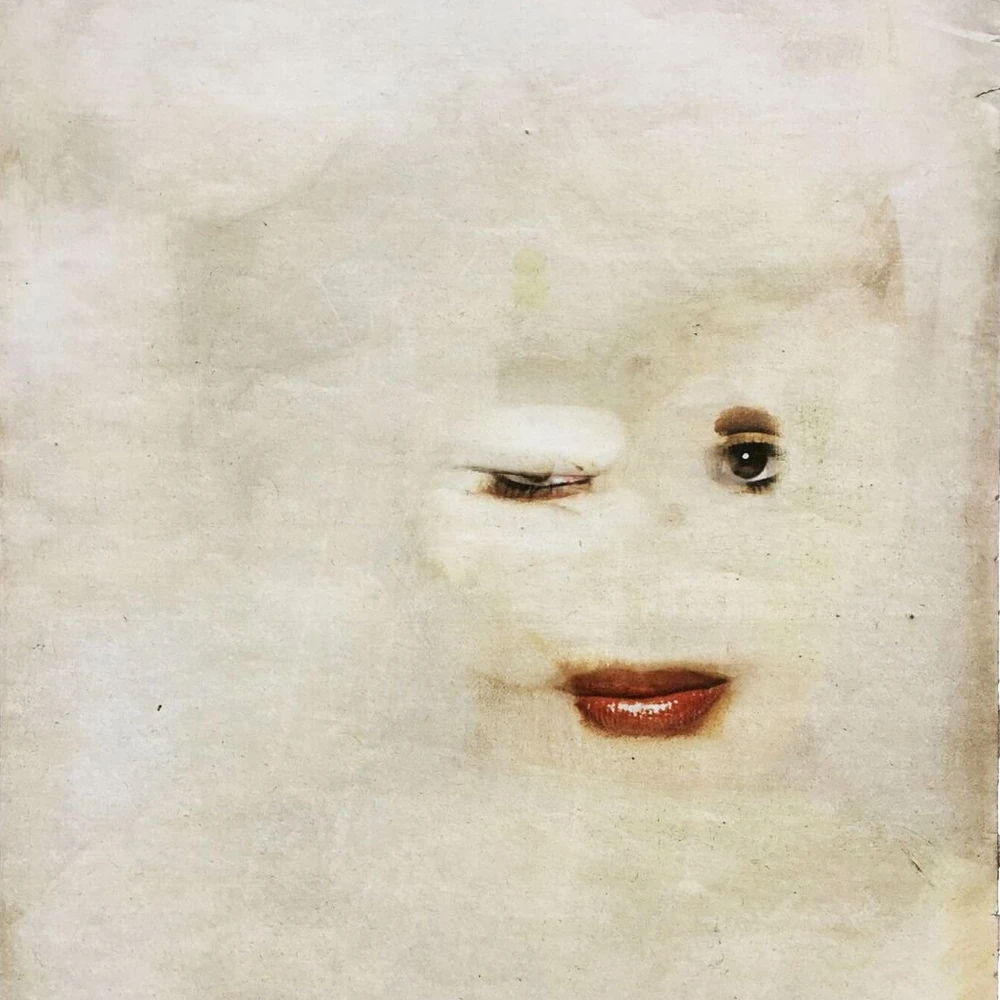
Noel Anderson’s “Study for a Blak Origin Moment” appears at Miller Gallery, located in an upscale neighborhood of Cincinnati. The show runs in conjunction with Anderson’s solo show at the Contemporary Arts Center downtown, his first solo show. Without a name or a title to go off, first impressions of the work do not unveil a specific identity.
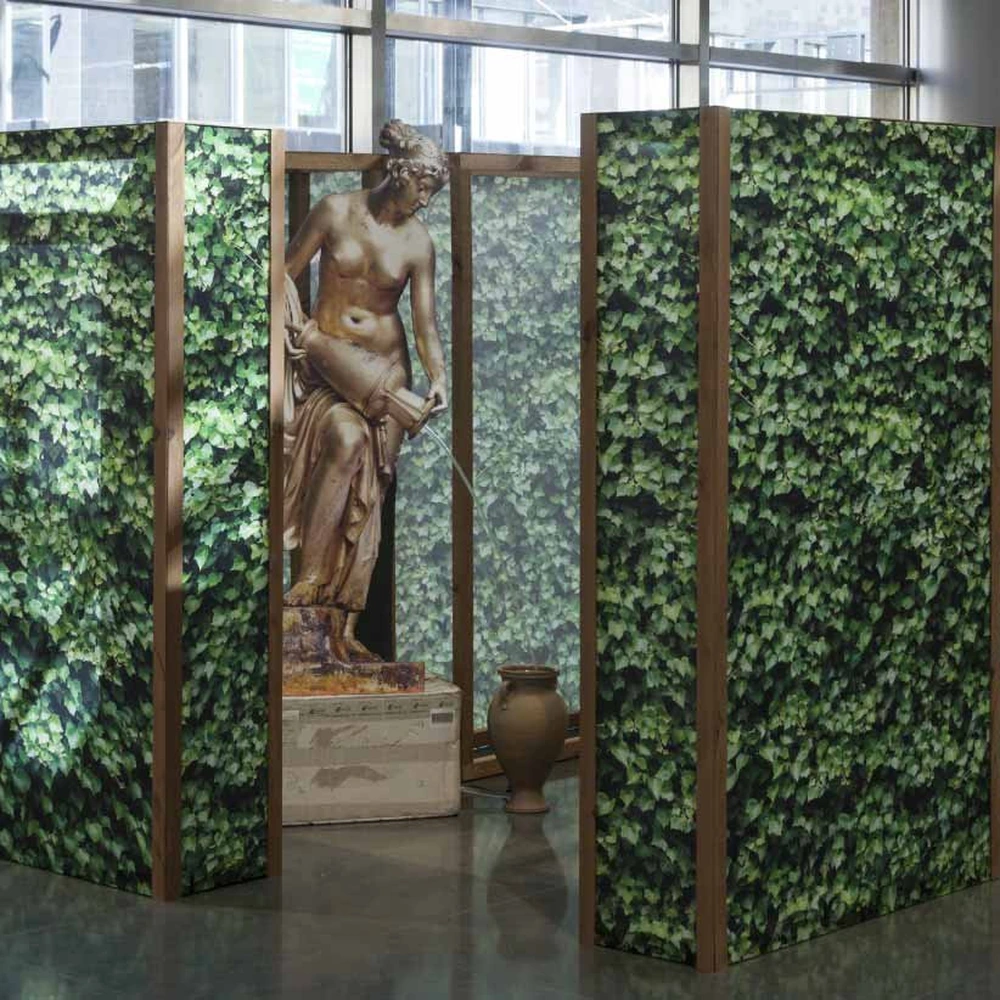
Artworks today enter digital markets of circulation. Even the seemingly dematerialized, non-commodifiable works of land art and conceptual art are subject to economies of reproduction and intellectual property. The contours and cracks of these networks inform four very recent artworks in The Wired, an exhibition currently on view at the Alice F. and Harris K. Weston Art Gallery street-level space.
Page 16 of 162 · articles 181–192 of 1,942
