1,942 reviews and essays published in ÆQAI between 2010 and 2017. Each bar is a month and its height shows how many articles it holds: choose one, browse the pages below, or meet the authors.
We aren’t able to sleep. Or maybe worse, we are. The panic comes and goes, and then it stays. As presidential orders are meted out at a dizzying pace by the American kyriarchy, art criticism can start to feel frivolous. Perhaps it is frivolous. There are protests to organize, senators to call, tweets to be retweeted, checks to be written, signs to be made. What can a 700-word art review do to combat fascism?
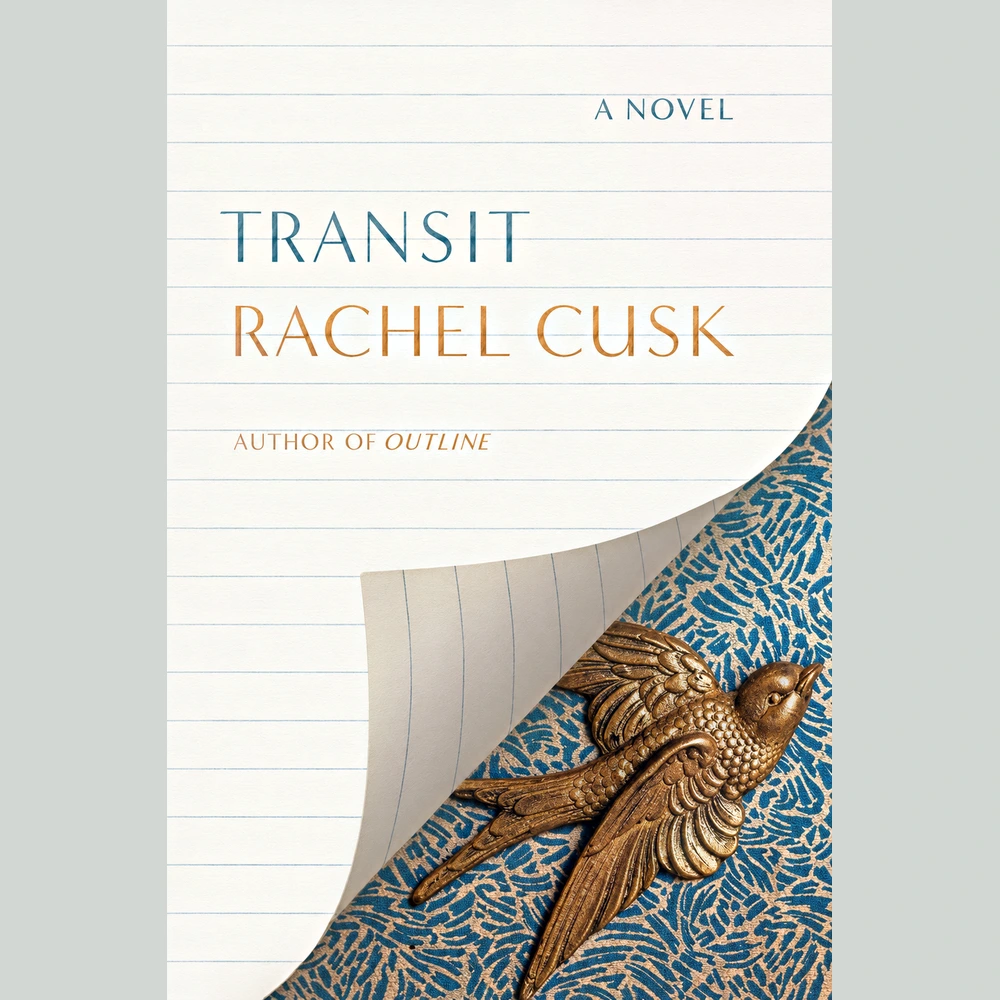
If you haven’t yet discovered the young English writer Rachel Cusk, I urge you to do so. Last year’s offering from her , Outline, was just a shard less spectacular than her just released new novel Transit (note the use of single words as her titles: her writing’s as spare as those one words, with their double/triple meanings and ambiguities).

Behind the scenes of an artist’s work are shippers, framers, restorers and conservators essential to an artist. Cincinnati has several people working in those fields. For this article, we talked with many people who perform such necessary tasks. One of the more experienced restorers and conservators is Doug Eisele, president/CEO, Old World Restorations, Inc. and Eisele Fine Arts, LLC, located in Fairfax.

“VOULKOS: The Breakthrough Years” at the Museum of Arts and Design (MAD) in New York City traces the evolution of Peter Voulkos from accomplished potter to one of the most—quite arguably the most—transformative clay artist of the 20th century.
My wife is expecting me to be the man I promised to be when I told her “even when we return to dust, I am certain our molecules will be holding hands creating something solid like we always have.” My wife is expecting a sober husband soon. One who tears through expectations like a bullet through glass, shattering them to the pieces which hold them. Using uninhibited talent to destroy mummified ambition.
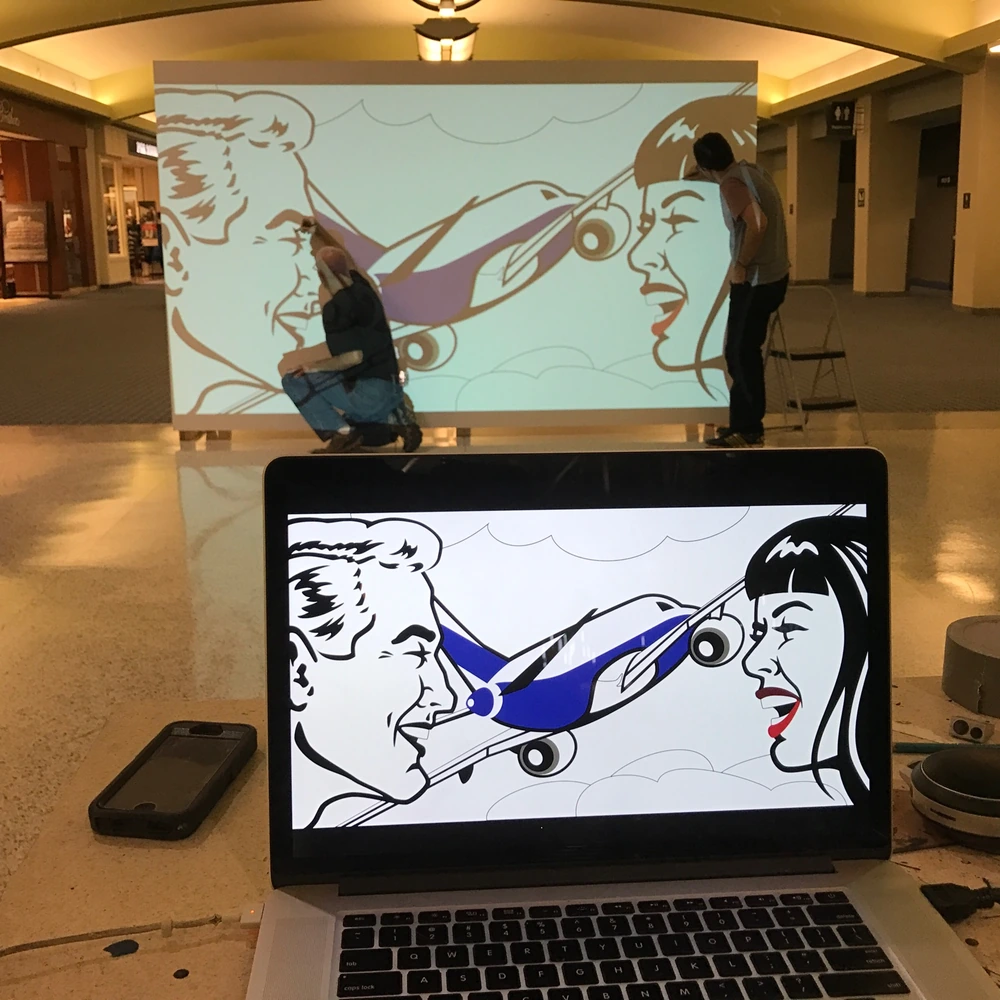
Kevin T. Kelly and his son, Jack Kelly, are in the same line of work. They are artists; they make paintings. This is often a solitary craft, practiced in the studio, possibly alone. Their recent project at the Cincinnati Northern Kentucky Airport was not at all like that.
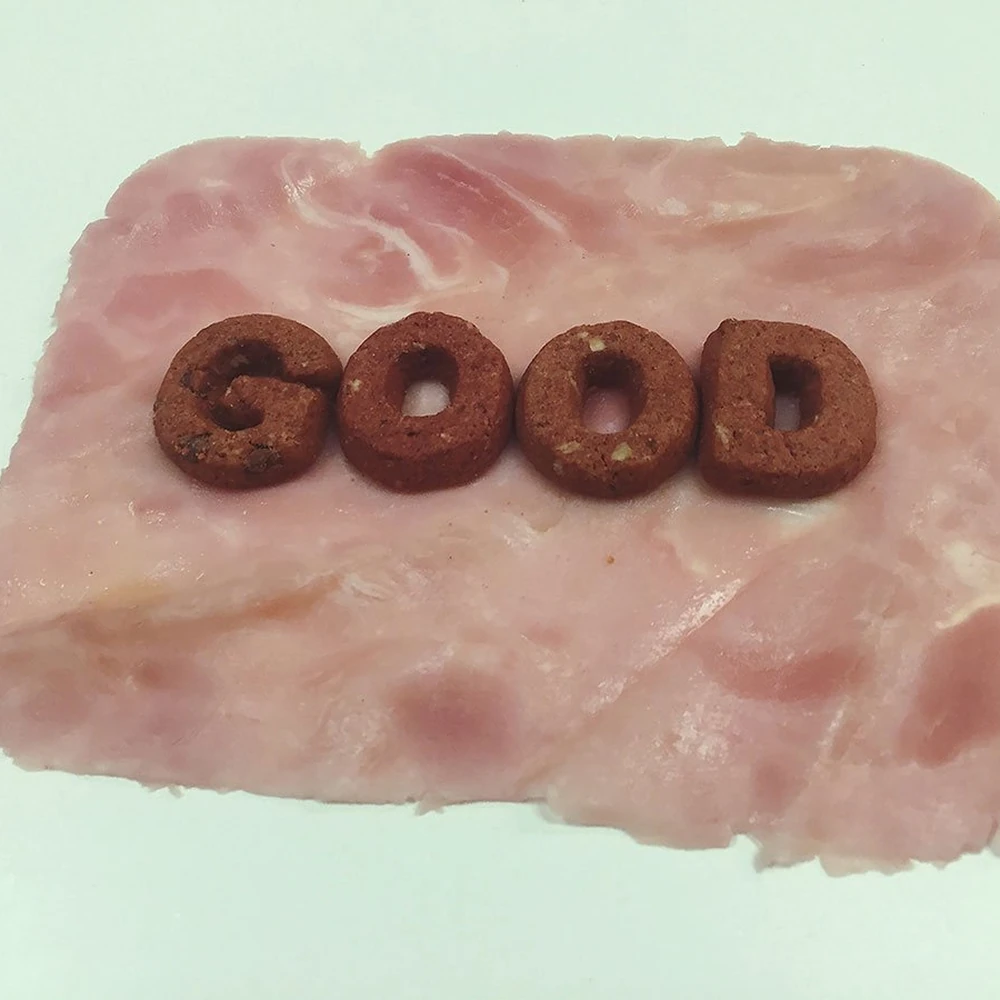
I stumbled across the work of Ella P. Weber on Instagram. I was thumbing through my feed as I normally do. I was feeling listless, waiting on laundry, my mind in a spin cycle from the shaken wake of the past week’s governmental proceedings. I was looking for an out. It’s been feeling most important to maintain perspective. I was looking for that dose of something else to shake the creep of paranoia.

In a month when most of us are struggling to find a concise slogan for our protest signs, Houston’s inner loop as usual is a nest of artistic treasures. This month, I couldn’t bring myself to pay to see Edgar Degas painting at the MFAH (if it’s really “more than ballerinas,” why are you still using ballerinas in all your marketing, MFAH?!), so I sought shows that address three of many, many things we need in 2017.
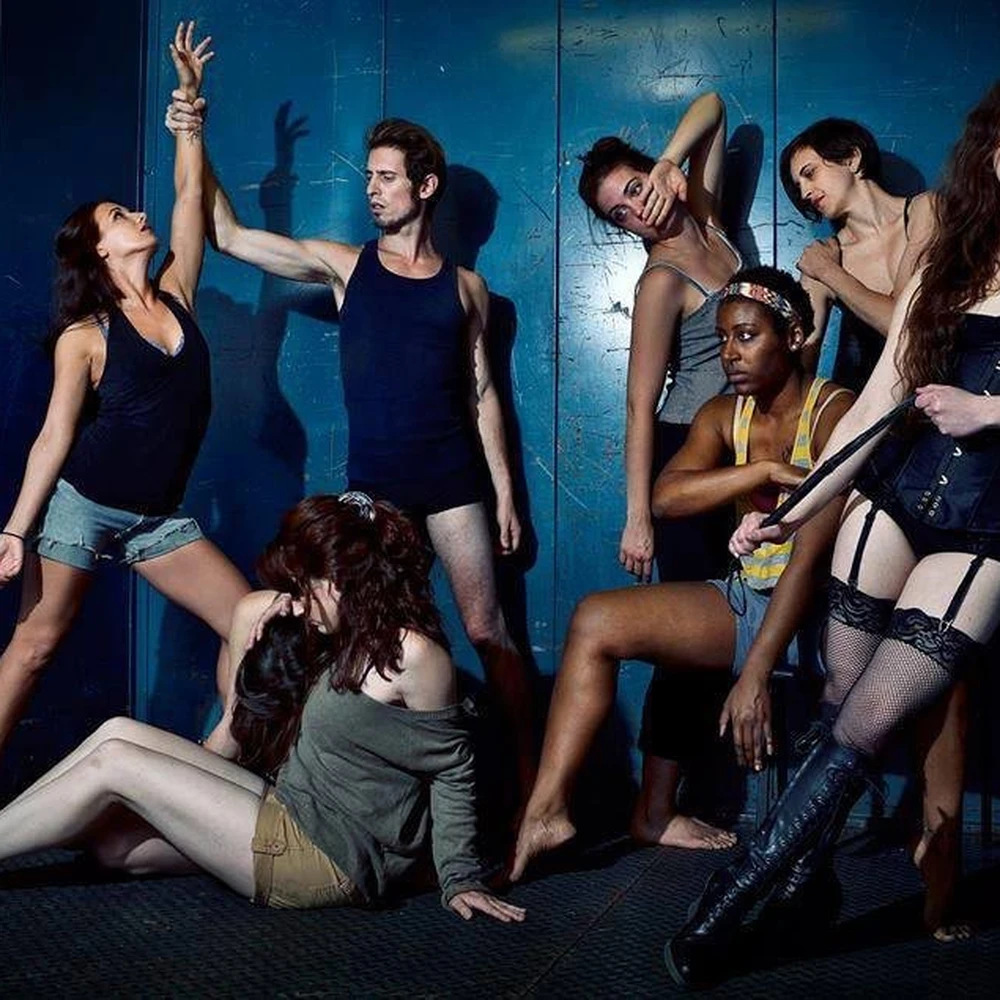
Cincinnati is changing. We have seen the revitalization of the urban center and new galleries popping up in each verging neighborhood. Although it has been exciting to live amidst this cultural renaissance, it is also easier to ignore the realities of living in the Midwest. The dedication of individuals to plant roots and create the city they want to inhabit, has brought us here today.
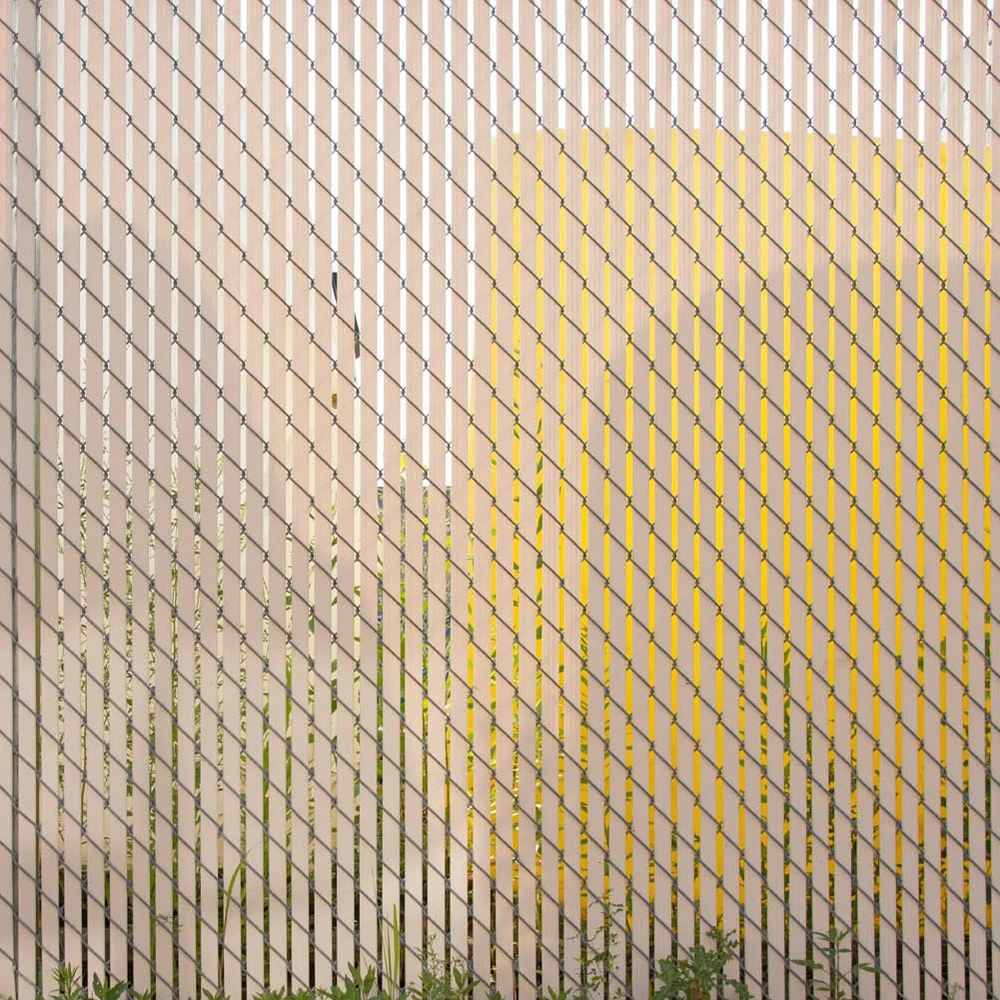
When I look closely at the world, I tend to see a collection of abstractions. This work is motivated by the possibility that, if enough of those elements can be assembled and arranged, something curious or sublime might emerge. Here, reality is filtered and mediated. This lends a sense of mystery to what lies beyond the barrier, elevating and ennobling it.
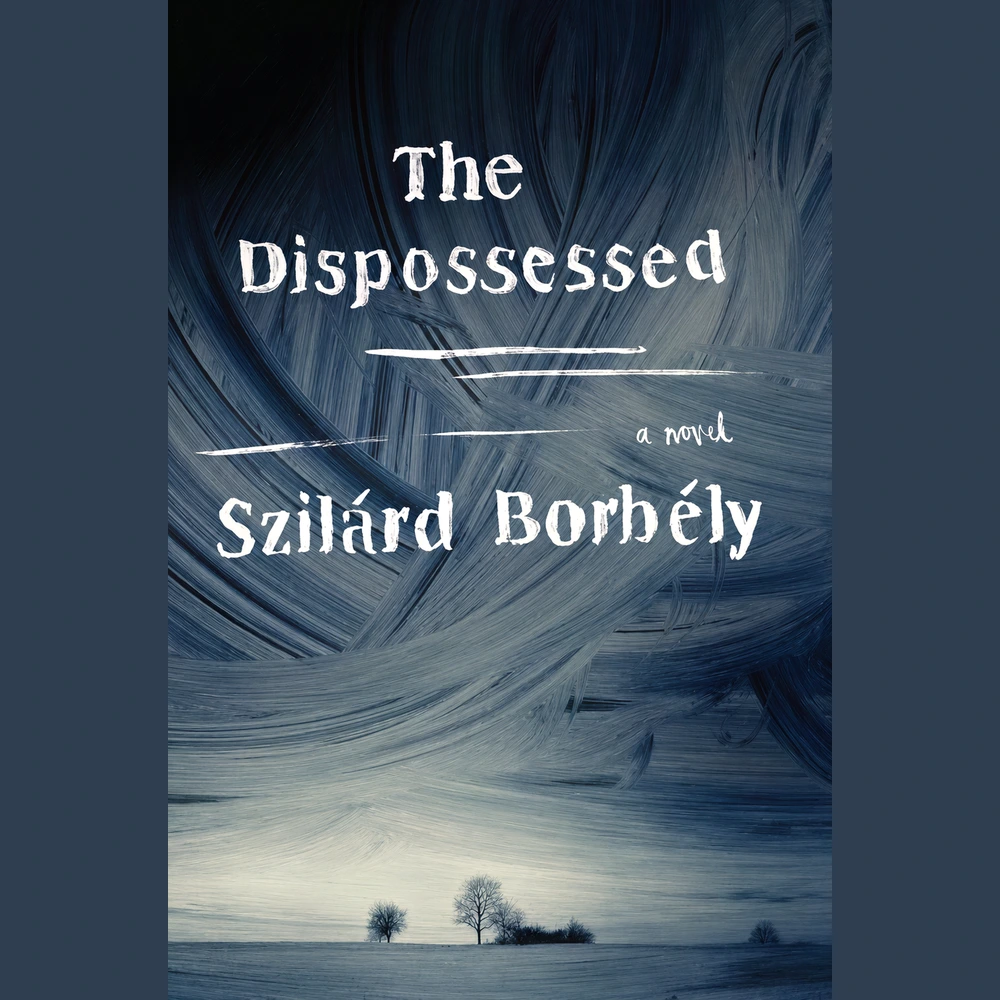
The grinding dailiness of poverty is so well delineated in Szilard Borbely’s novel The Dispossessed, that we realize that we may have become inured to the sufferings of other people (once known as “compassion overload” a couple of presidential cycles ago).
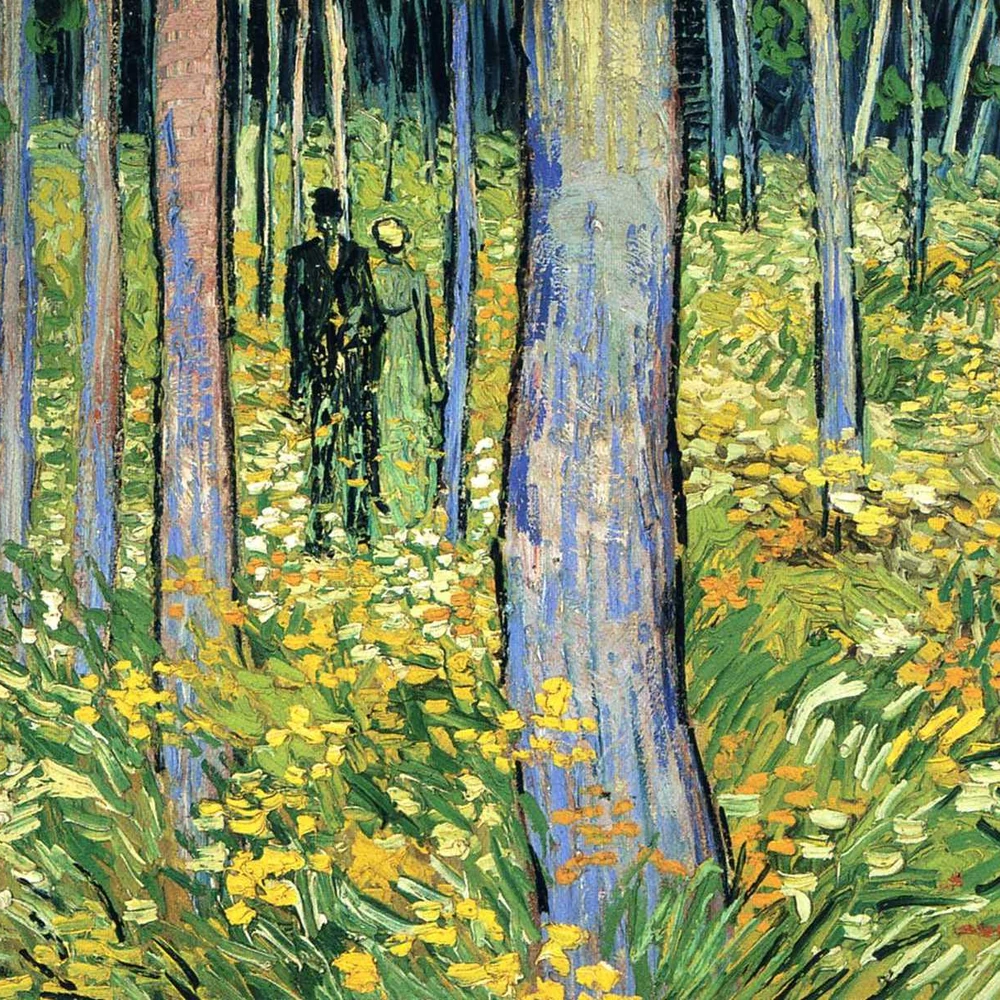
Okay, I’ll go first. In my decades of getting to know and love the Cincinnati Art Museum’s permanent collection, I had never really liked Van Gogh’s “Into the Undergrowth,” painted a month or so before he died in 1890 at the end of a whirlwind career that lasted no longer than ten years. “Into the Undergrowth” came to Cincinnati around 1944 when it was bought by Mary Johnston and entered the Museum’s collection in 1967.
Page 19 of 162 · articles 217–228 of 1,942
