1,942 reviews and essays published in ÆQAI between 2010 and 2017. Each bar is a month and its height shows how many articles it holds: choose one, browse the pages below, or meet the authors.
She lifts me like a balloon. She caresses me like a song that makes me cry. She destroys me like dynamite and I am new. Her spirit dawns like the moon-simple and luxurious. Her heart explodes like broken crystal. Her ample singing, like bees buzzing.
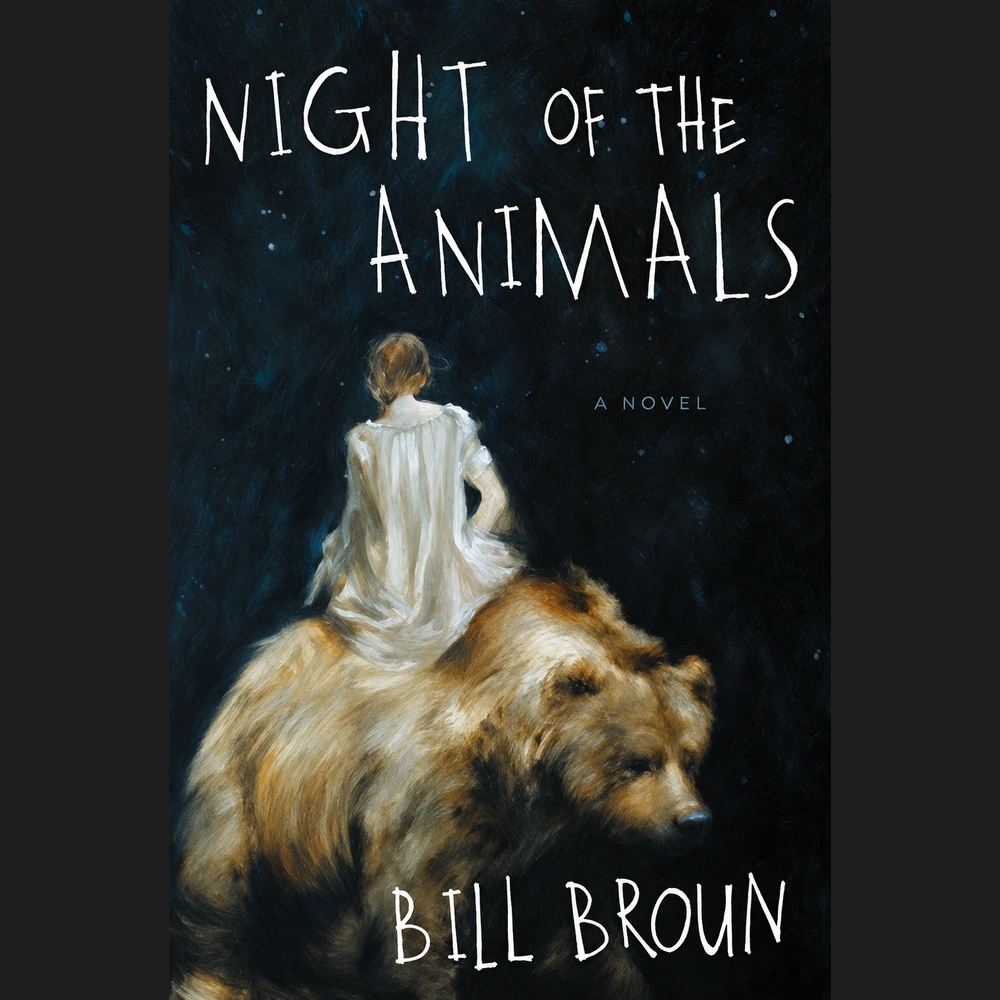
Communication and observation are constant and encroaching for the populace in Bill Broun’s big, unnerving novel, Night of the Animals, set in a London of the future but uncomfortably close to our own time. Its climactic events take place in 2052. Broun’s hero, Cuthbert Handley, is an Indigent, capital “I,” a specific class in this layered society.

Every night, in my room, in the comfort of dark, on my knees I prayed.
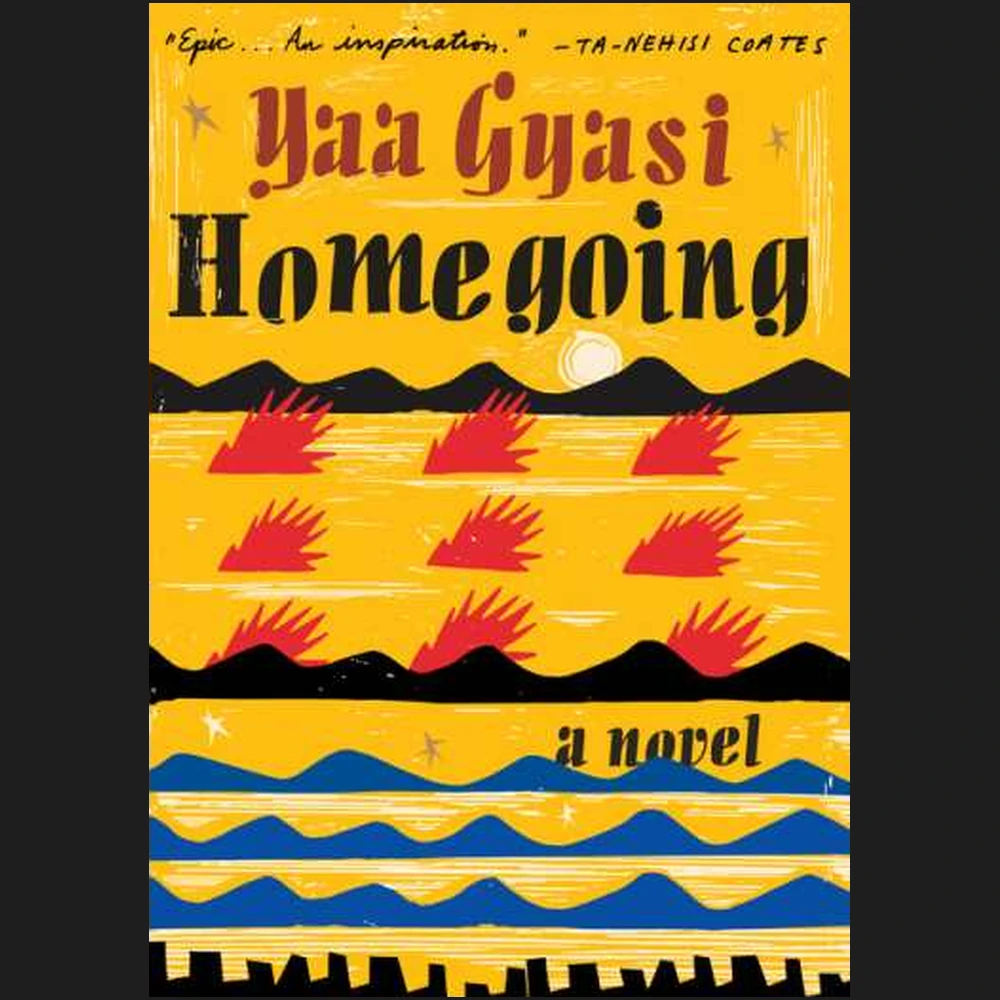
Yaa Gyasi’s Homecoming is an exceptionally fine debut novel from a young, African-American writer originally from Ghana, but now living in The United States. Gyasi, like Annie Proulx, uses the alluring and appealing trope of the family saga in an epic sweep of a novel.

Donald Ray Pollock, who’s from rural Appalachian Ohio, began to write fiction after nearly 35 years as a laborer and/or truck driver. His writing has achieved national acclaim, and deservedly at that. His story collection, Knockemstiff (named for the booze made in the hills of Appalachia), was remarkable, and his current novel, The Heavenly Table, is again exceptional.

Recently I took a road trip from the Queen City to the Motor City to see The Open Road: Photography and the American Road Trip at the Detroit Institute of Arts. On the way back I stopped at the Toledo Museum of Art to catch The American West: Photographs of a New Frontier.

Aeqai’s one combined summer issue, July/August, has just posted, and we think it gives an exceptional overview of the visual arts throughout our region, including both Dayton and Lexington.

What’s most provocative about Dress Up, Speak Up is that many of the core motifs that unite the objects on display–forms of protest through attire, identity performance, questioning meta-narratives, remembering the oppression and exploitation of minorities–gain increased potency and relevance due to the exhibition’s site-specificity. 21c Museum Hotel now occupies the former fifteen-story First National Bank and Trust Company building, built in 1913, which is less than one hundred feet from the block known as Cheapside Park.

In the past 35 or so years, Joel Meyerowitz has seen more than a dozen monographs of his photographs published, and has contributed pictures and text to others.

In a world of “Soft Kitty”, “Hello, Kitty”, and endless cute kitty videos, an ancient era which revered, feared and exalted cats is pretty hard to imagine. Yet, these quite ordinary, household pets are historically elevated at the Cincinnati Art Museum to “Divine Felines”. Loaned from the Brooklyn Museum’s vast collection, it reveals a dignified history of cats as gods in the time of Egypt’s pharaohs.
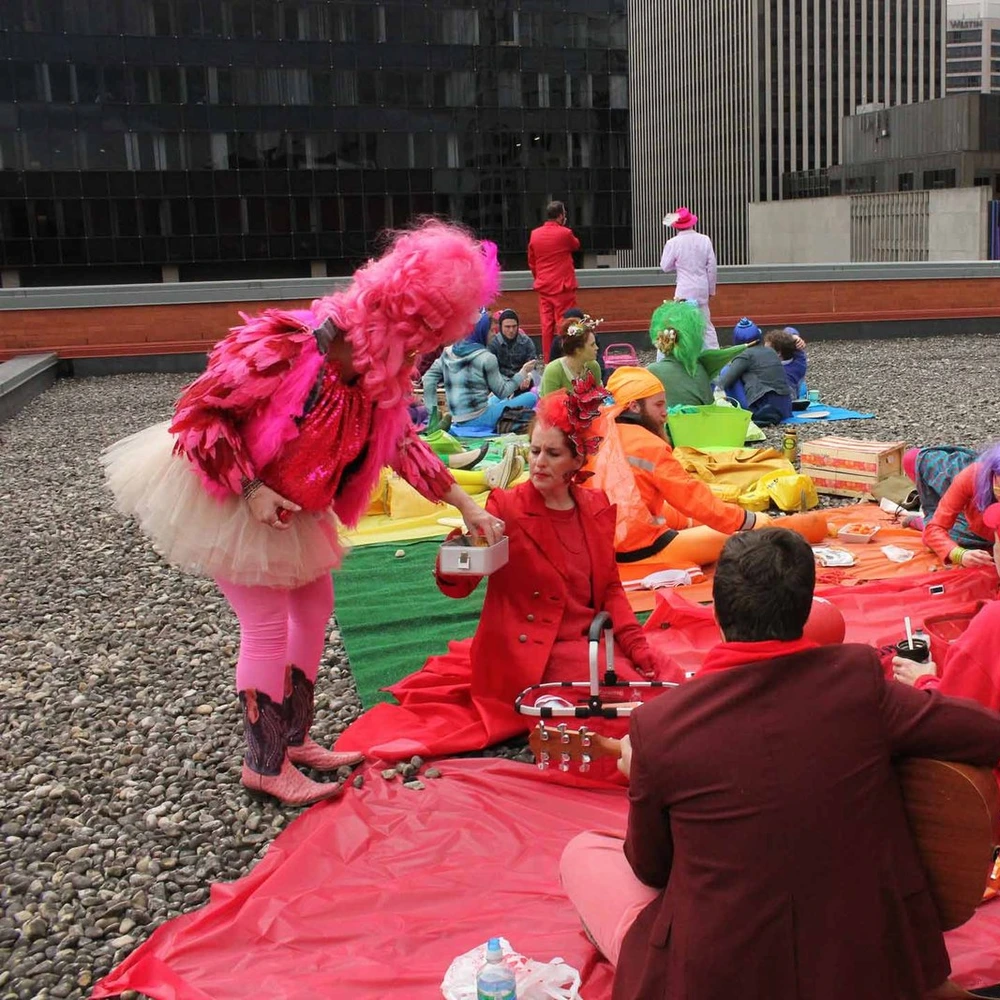
To be quite honest, watching performance art has always kind of sqeaked me out. More often than not during a performance, I find myself shifting in my seat, picking my nails or enamored by a particularly interesting speck on the chair in front of me. It’s uncomfortable for me- something I could never do. It balances so delicately on the line between prolific and self serving.
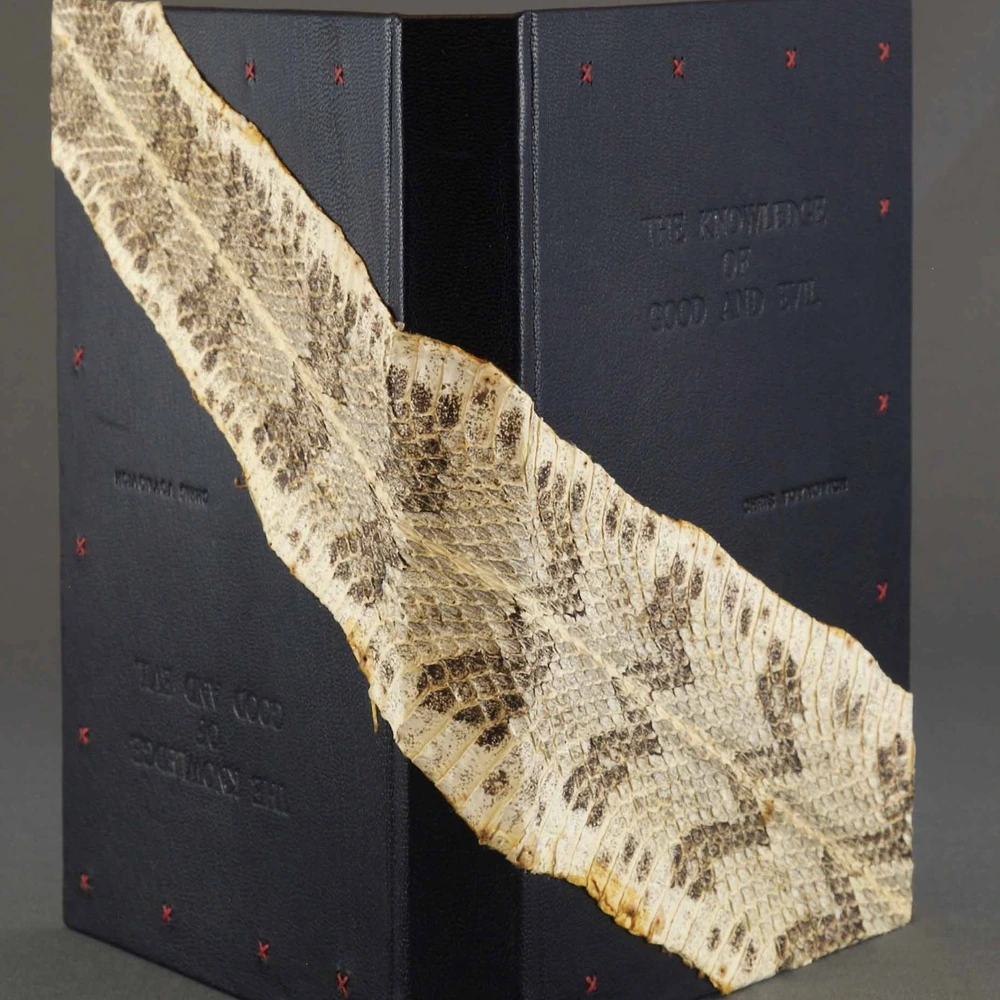
The 17th edition of the “Bookworks” exhibition boasts 48 works by 30 members of the Cincinnati Book Arts Society (CBAS), which organized the non-juried show. CBAS, founded in 1998, is dedicated to “creating a spirit of community among hand workers in the book arts and those who love books.”
Page 26 of 162 · articles 301–312 of 1,942
