1,942 reviews and essays published in ÆQAI between 2010 and 2017. Each bar is a month and its height shows how many articles it holds: choose one, browse the pages below, or meet the authors.

Carl Solway (and family) have been so deeply entwined with the art gallery scene in Cincinnati that it takes a timeline on the wall to keep it all straight. He graduated from Walnut Hills in 1952; ten years later, he opened Flair Gallery at Fifth and Race. Ten years after that, he had two galleries in Cincinnati.
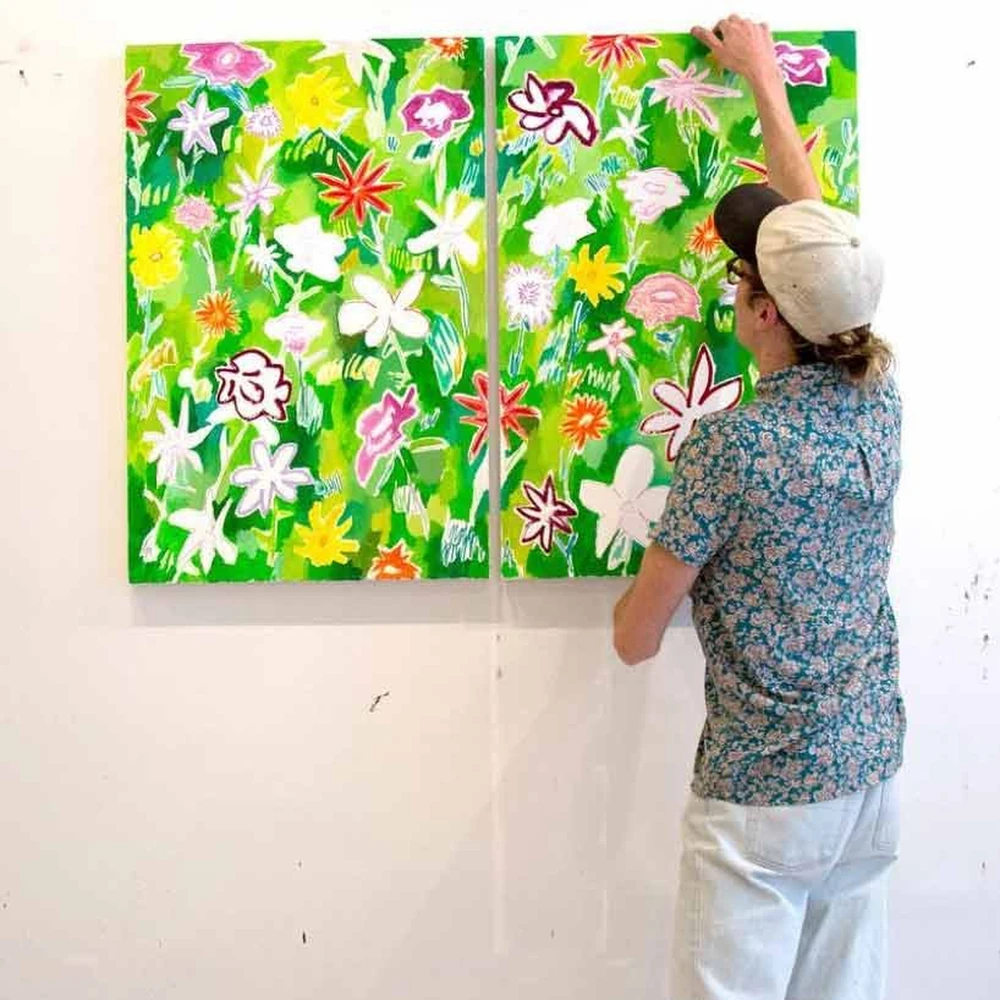
Cody Gunningham sits in the center of his narrow but roomy studio on Main Street, Over the Rhine. The storefront windows are blocked from the street with canvas, but the high ceilings make up for the lack of natural light. The walls are vibrating with large colorful patterns and swaths of marigold yellow and kelly green- paintings hanging stacked one above the other from floor to ceiling.
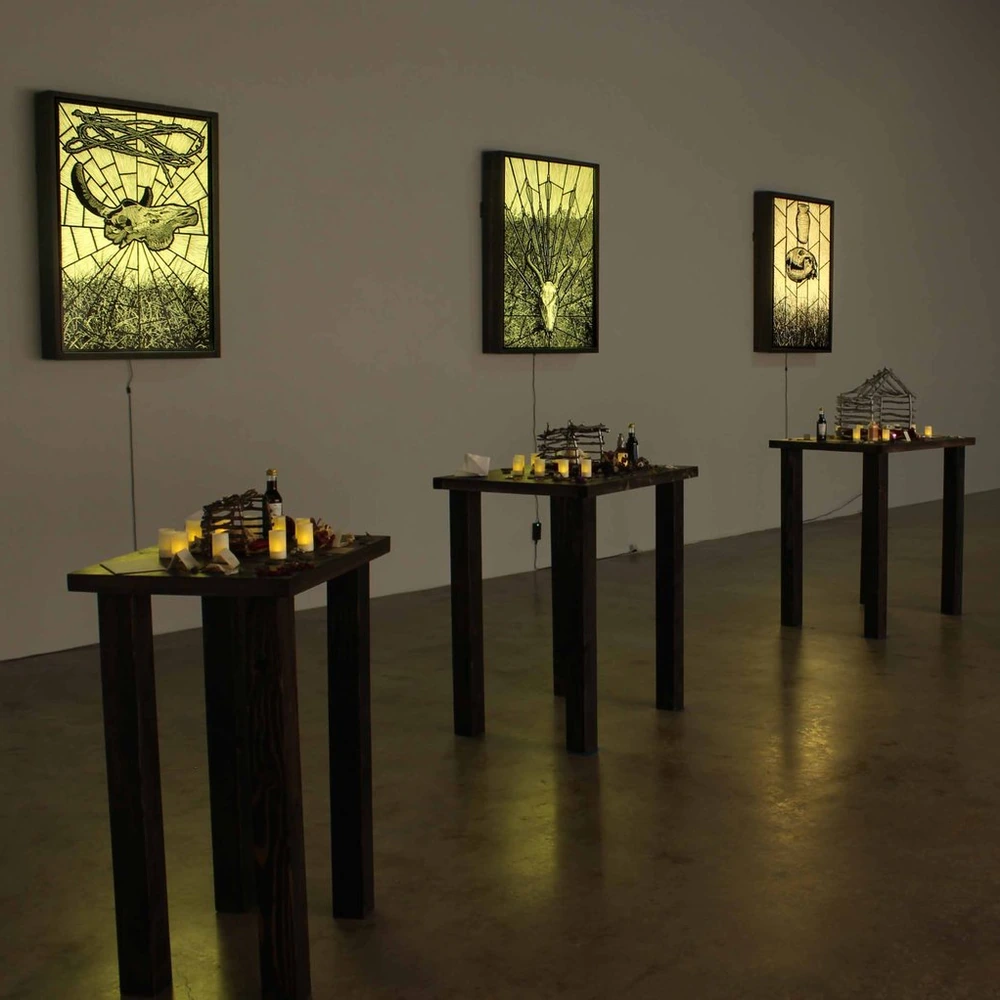
Dan Heskamp’s MFA exhibition Expanding Our Empathy opened on May fifth in Texas A&M Corpus Christi’s Weil Gallery. The exhibition featured a variety of media culminating his terminal education in an enormously successful display of woodcut light-boxes, aluminum and bronze cast altar pieces displaying locally sourced animal skeletons, and a series of smaller serigraphs.

On 416 Clark Street nestled in the Betts-Longworth Historic District in the West End is the William Betts House, the oldest brick house in the state still on its original site of 1804. Few people know about it.
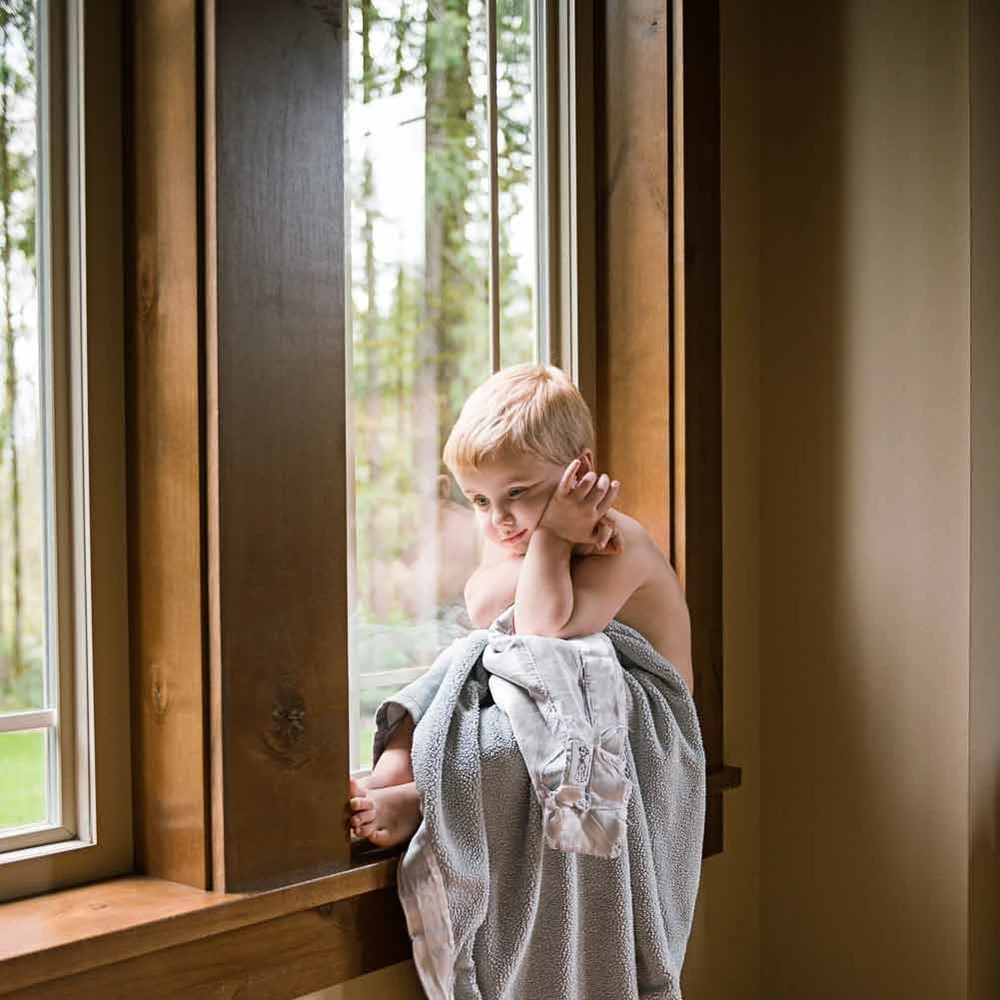
A comfort object is a toy or blanket that takes on emotional importance to a child. While I did not have one as a child, my three children have each had one. Like many parents I’ve hunted for it at bedtime, sent it along when leaving a child in another person’s care, and carefully packed it on trips.
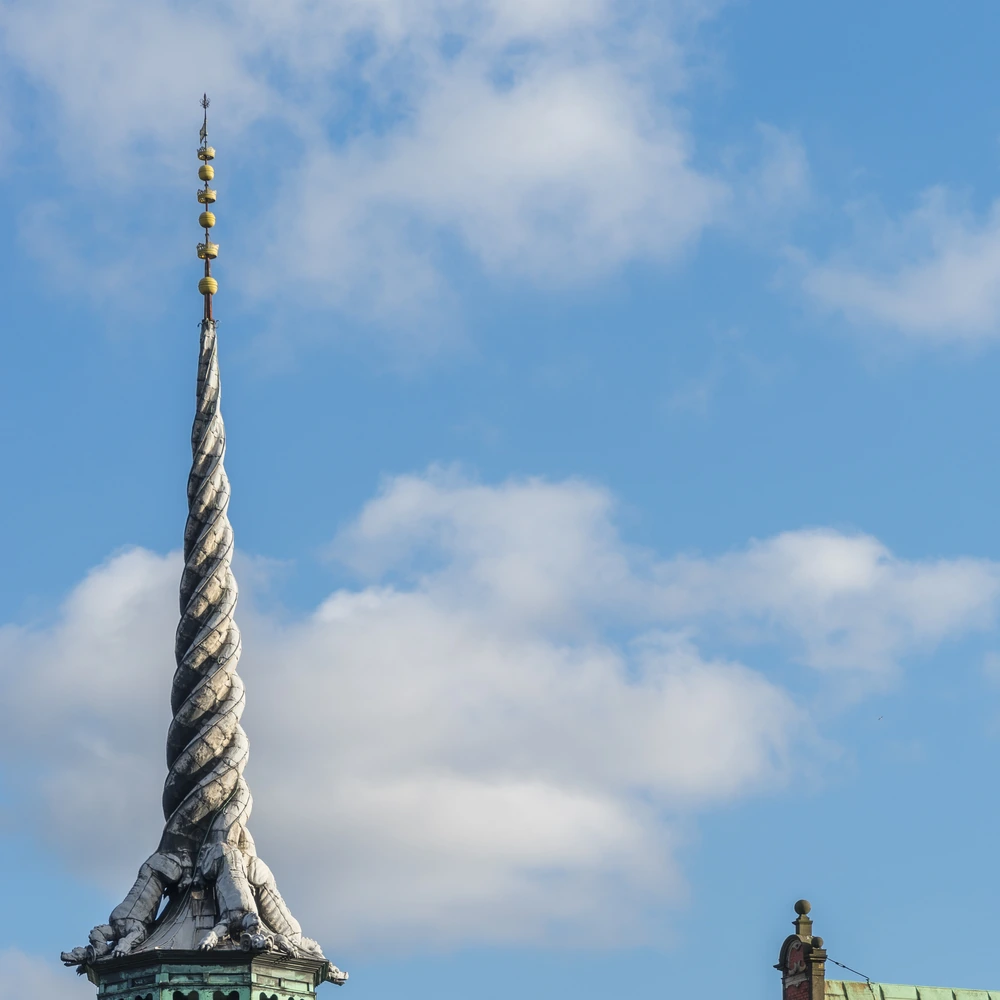
Three steeples patina glimmering mossy green after rain. Green as copper does after salt and pollutant-filled raindrops clobber for years, after intermittent wind burns and sun bleaches beat their surface like flint for fire; the parts most exposed are most faded, as with us humans.
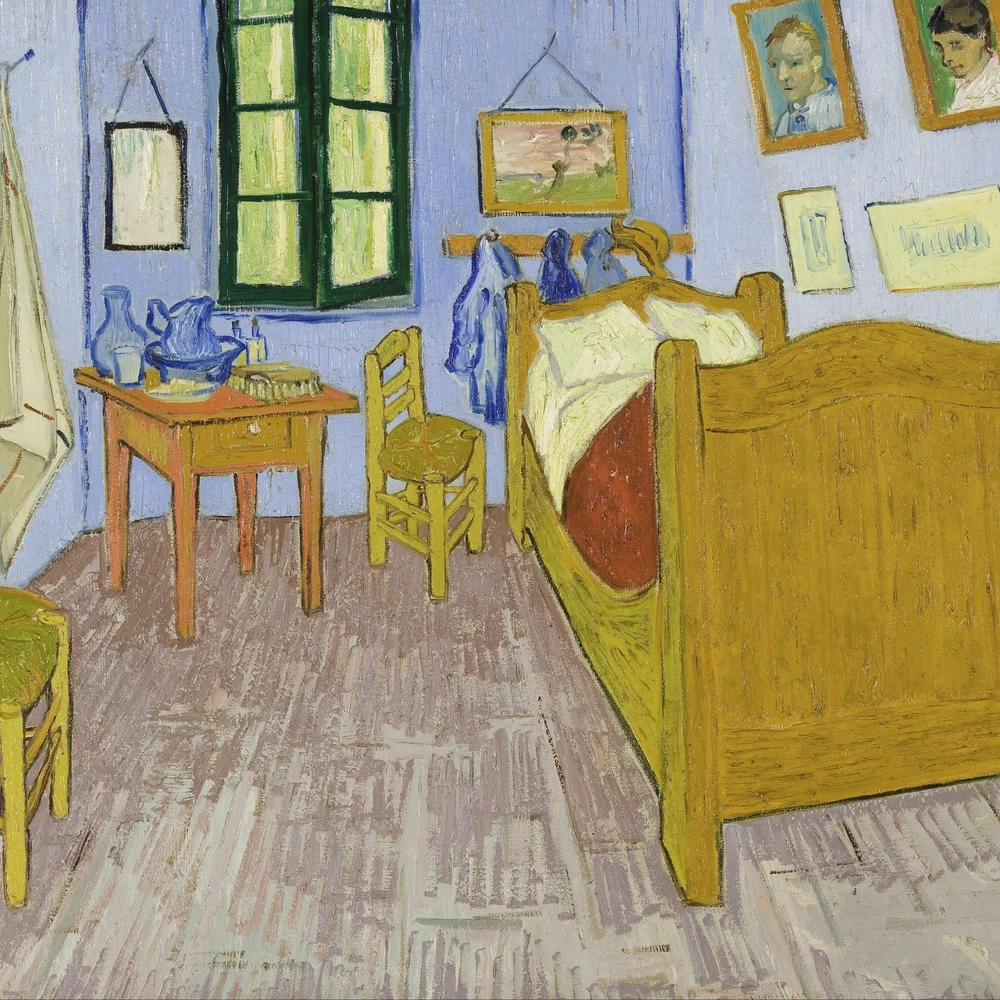
The April issue of aeqai has just posted, and it’s a very full issue: you may have noted that each issue of aeqai is getting bigger, and that’s because we’re getting a lot of national attention, as well as regional, and we’ve been finding superb writers in many other cities: we’re now covering Chicago, Los Angeles, Houston, Seattle, occasionally Austin, and New York, as well as Lexington/Louisville.
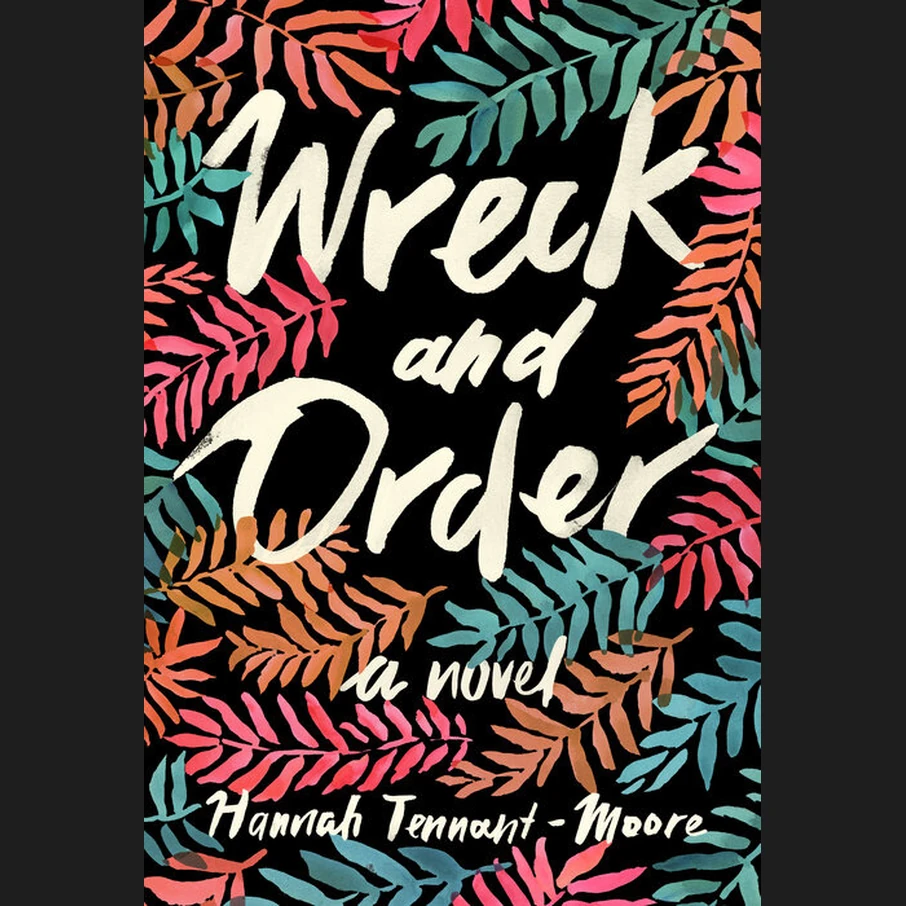
Two novels by young American women writers popped onto the literary scene in the past month or so; Wreck and Order (perhaps poorly titled), is a debut novel by Hannah Tennant-Moore, and Innocents and Others, the fourth offering by Dana Spiotta, one of the world’s most astonishing newer talents.
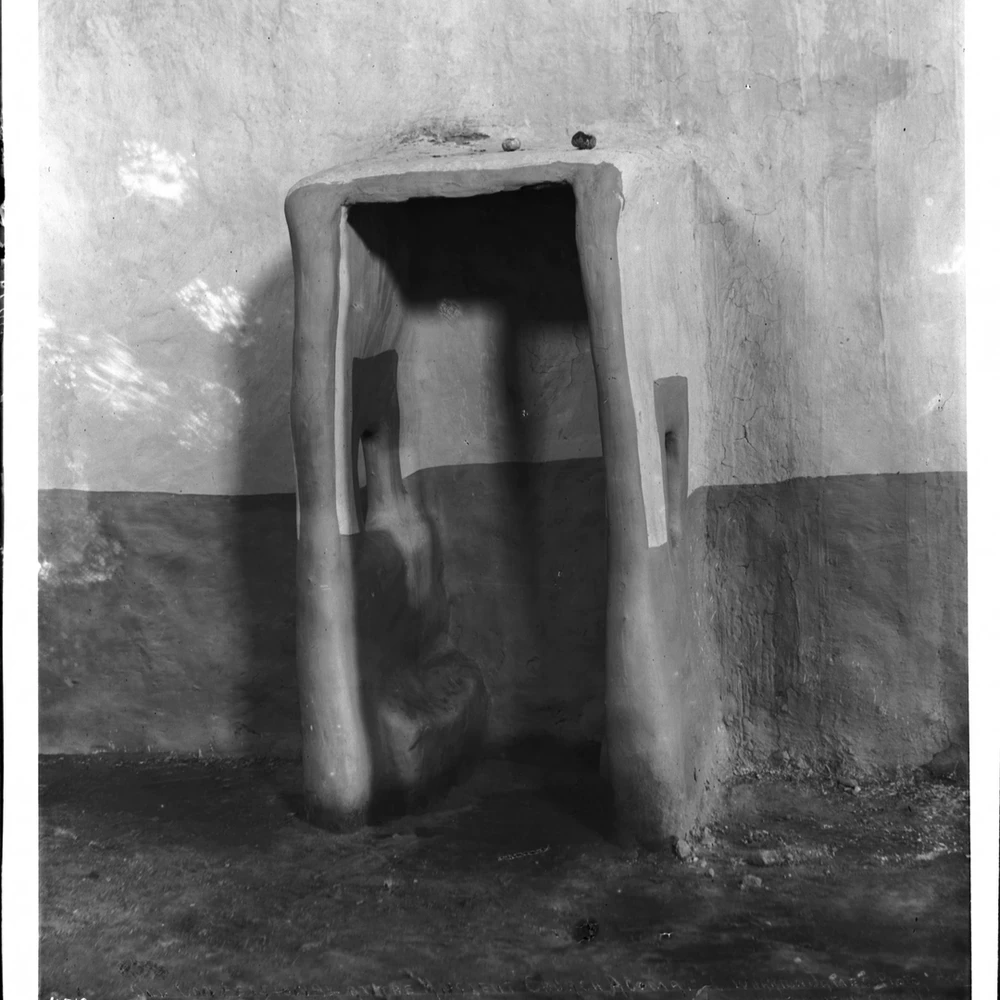
In the confessional, ramrod straight, mouth cotton dry, lips like crazed china, hands a fidget, I concentrate, rehearse, wait my turn. The window slides open. Father Keller’s ghostly image emerges, dour silhouette, a mystery barely discernable through the thin curtain. I cross myself mechanically. I can’t remember all the lies. Sins go unreported.
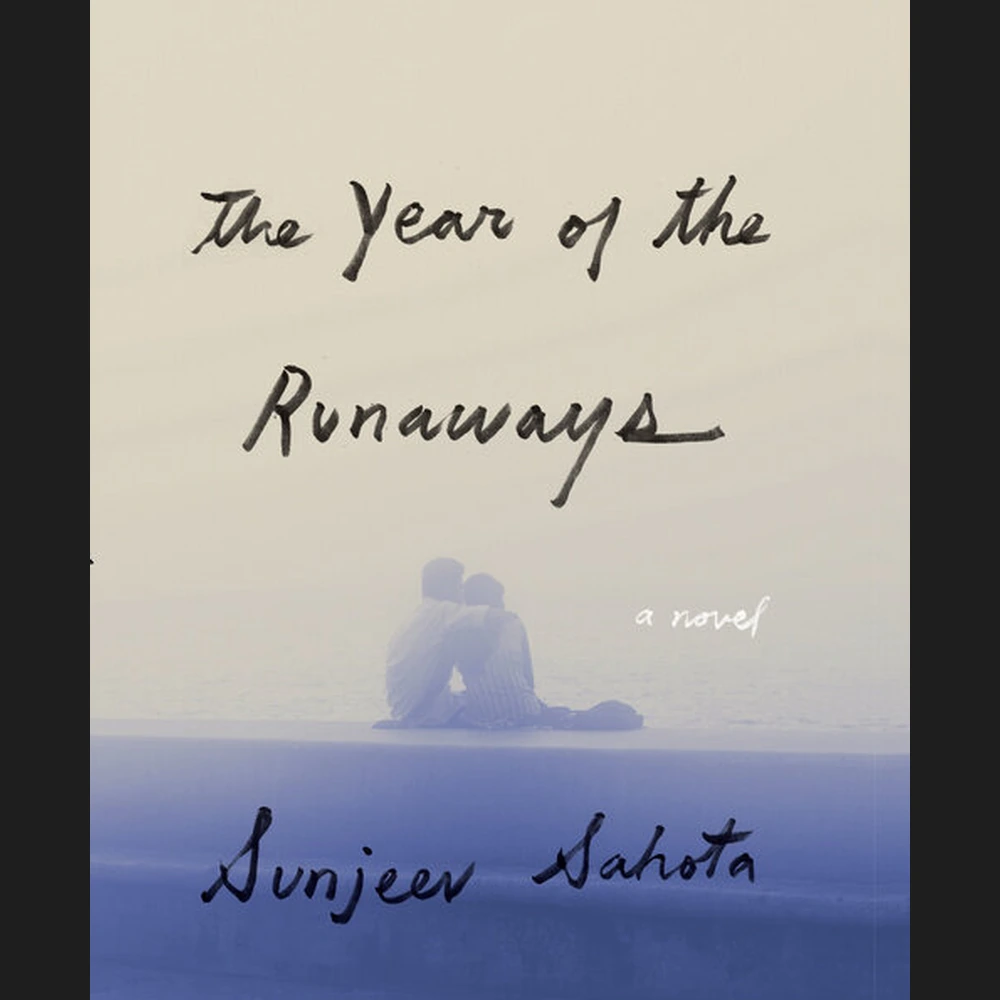
The Year of the Runaways, by Sunjeev Sahota, is the best novel to date of 2016, and may well end up as one of the year’s finest.
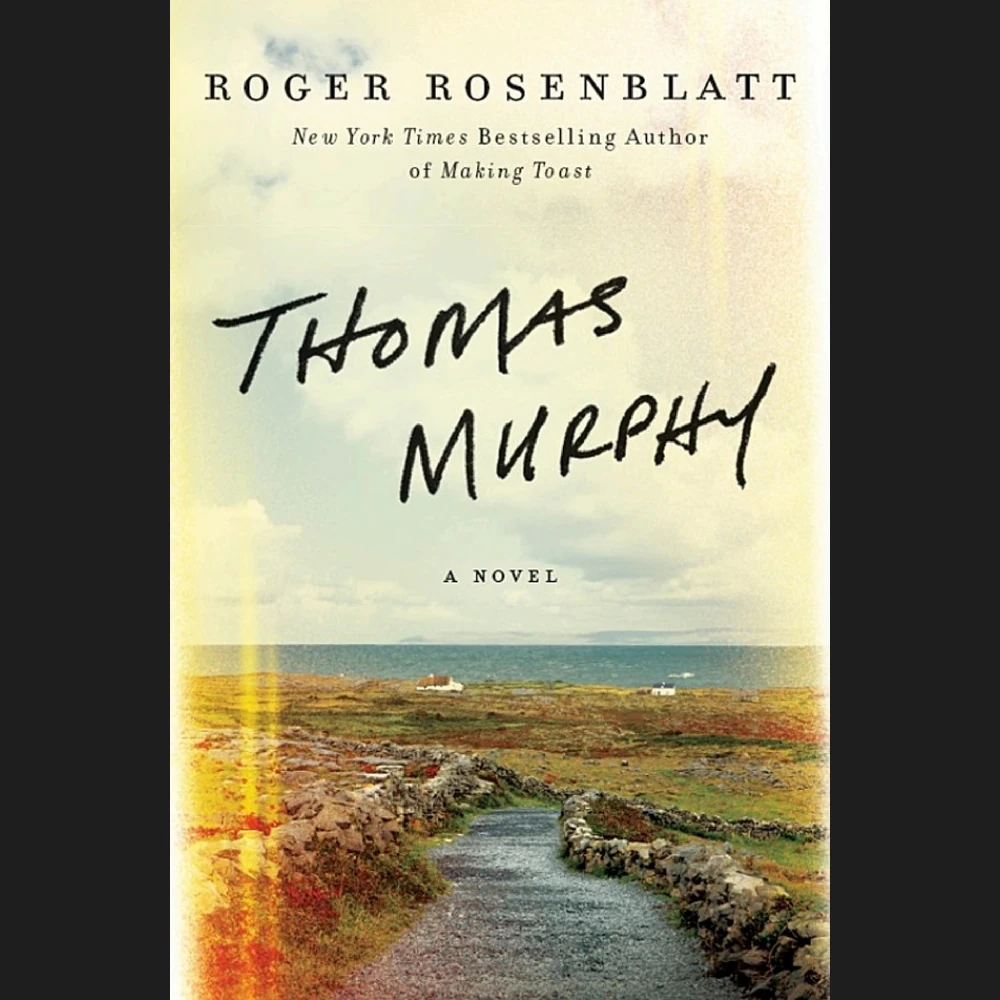
Yet another superb small novel appeared in the past couple of months, titled Thomas Murphy, and written by Roger Rosenblatt, better known to many as a playwright. This novel is roughly equivalent to last year’s small, splendid Academy Street, little noticed by critics, but listed on my “top twelve” books of the year as third.
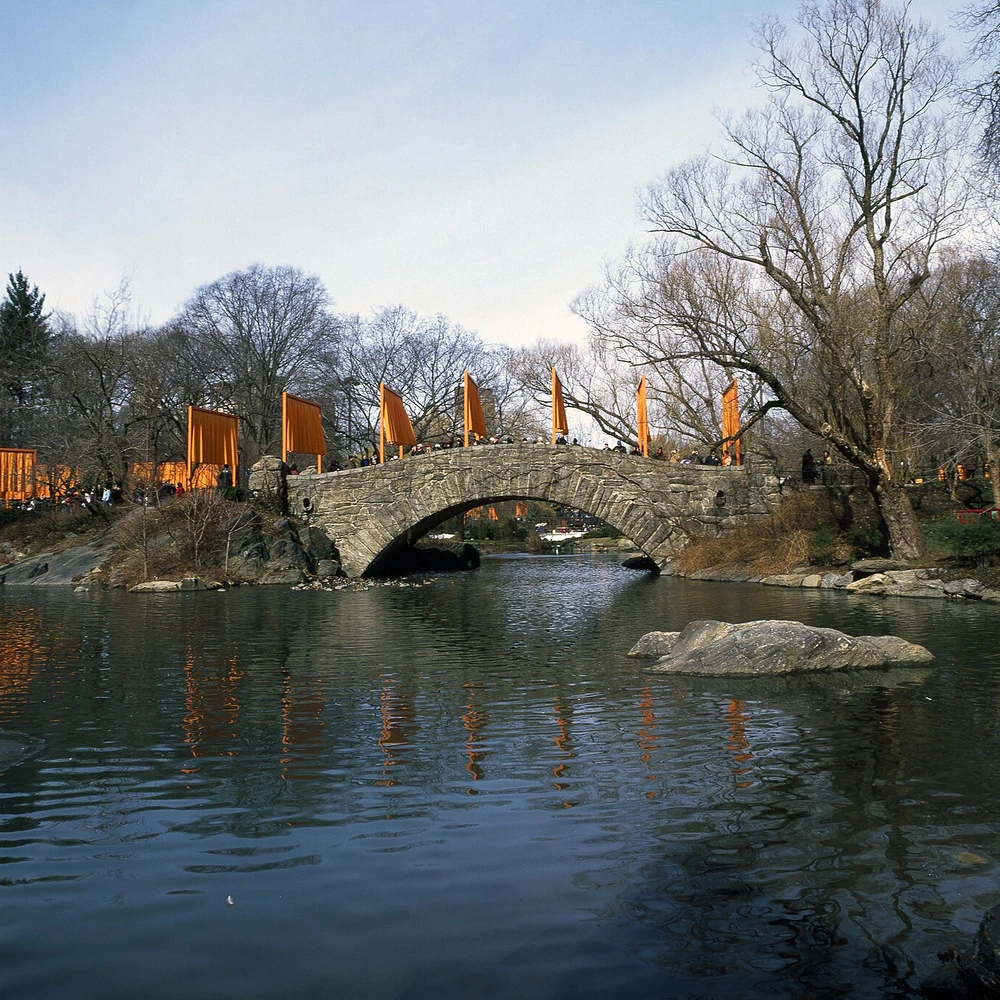
Here and now mercilessly morphs into there and then, but sometimes a news release Now brings up a Then. The Museum of Modern Art reports a new hanging of some of its permanent collection, bringing to mind a visit I made to New York in late winter, 2005, to see what the Modern was showing in then newly renovated and extended galleries, and also to experience Christo’s fabric “Gates,” installed throughout Central Park.
Page 33 of 162 · articles 385–396 of 1,942
