1,942 reviews and essays published in ÆQAI between 2010 and 2017. Each bar is a month and its height shows how many articles it holds: choose one, browse the pages below, or meet the authors.
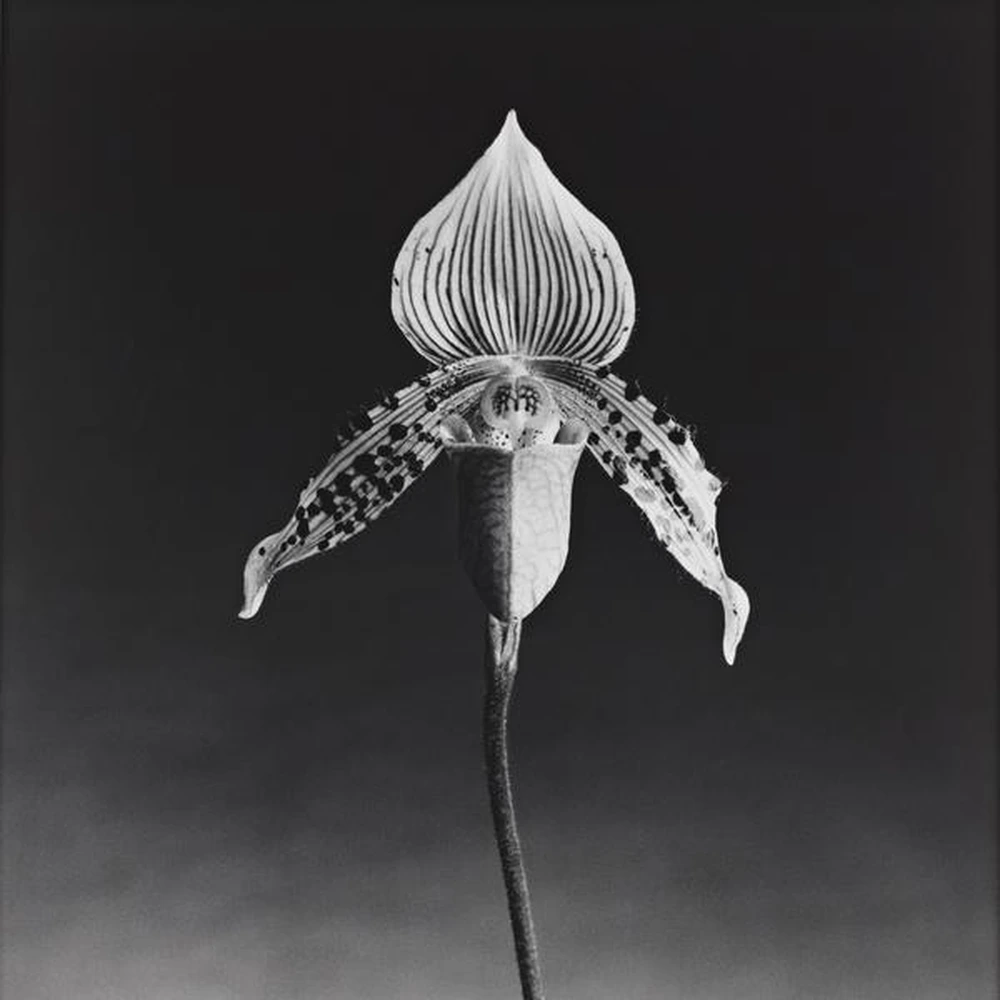
Robert Mapplethorpe was an aesthete’s aesthete, trying with each photograph he took to capture a kind of formal blissfulness that shreds philosophy, politics, conjecture, and any other form of bull-shit standing in the way of that “perfect moment” when what you see is exactly and horrifyingly and gleefully what you get, devoid of values, faith, hope, charity, whatever.
Three poems by Maxwell Redder: “Brink,” about a man who introduces the narrator to people and things that shape a life, until the narrator ends contact; “Prey Hunt,” a hawk circling a woman in a pink dress at dusk; and “Painting Cement,” about painted squares covering artwork on highway walls.
On Friday evening, October 23, FotoFocus invited about one hundred people to dinner and to a kick off lecture by Italian curator/critic/thinker/museum professional Germano Celant, widely regarded as one of the first and finest independent curators in the world.
The November issue of Aeqai, which is filled with reviews and profiles, has just posted. It’s an exceptional issue, reflecting smart art, artists, and ideas about culture competing for our attention.

The phenomenally gifted Geraldine Brooks has returned with her newest novel, The Secret Chord, and, like The People of The Book before it, it’s both magnificent, historically accurate, and often very moving. Her prose is as close to poetry, or prose poetry, as we are likely to see this year.
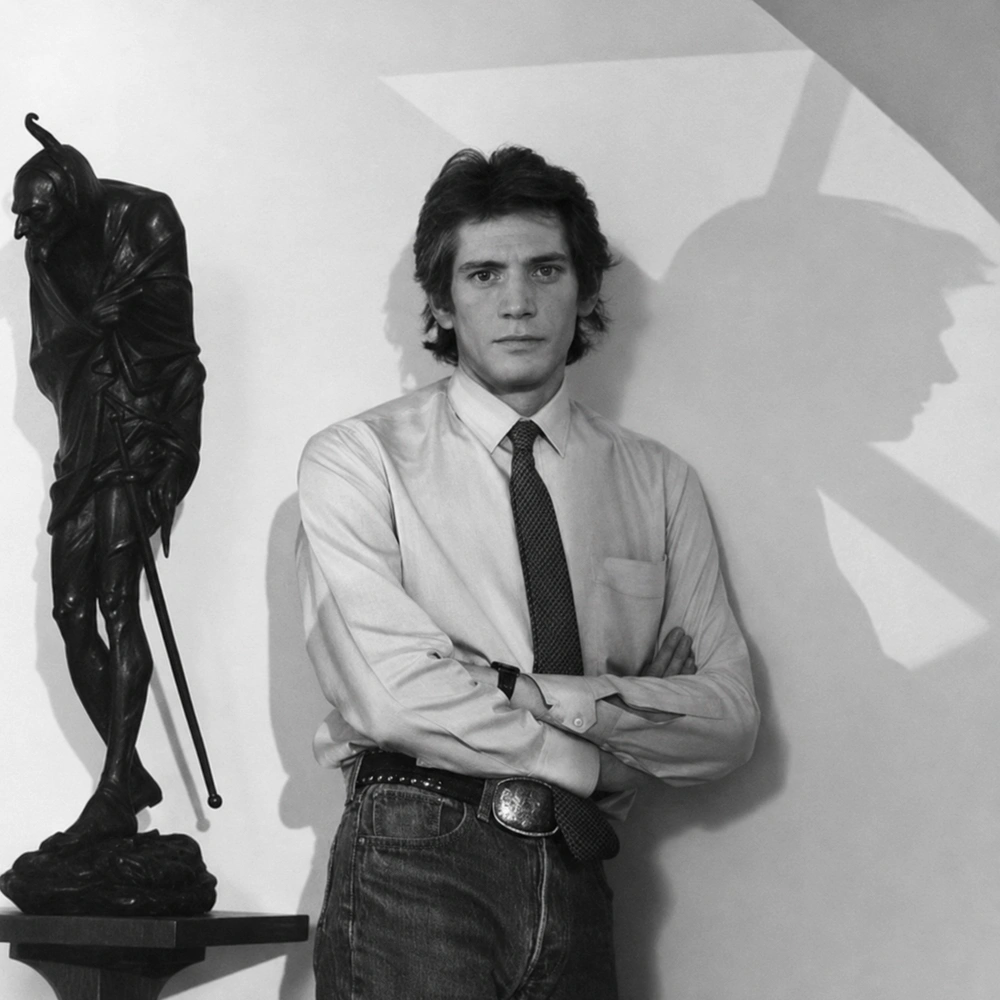
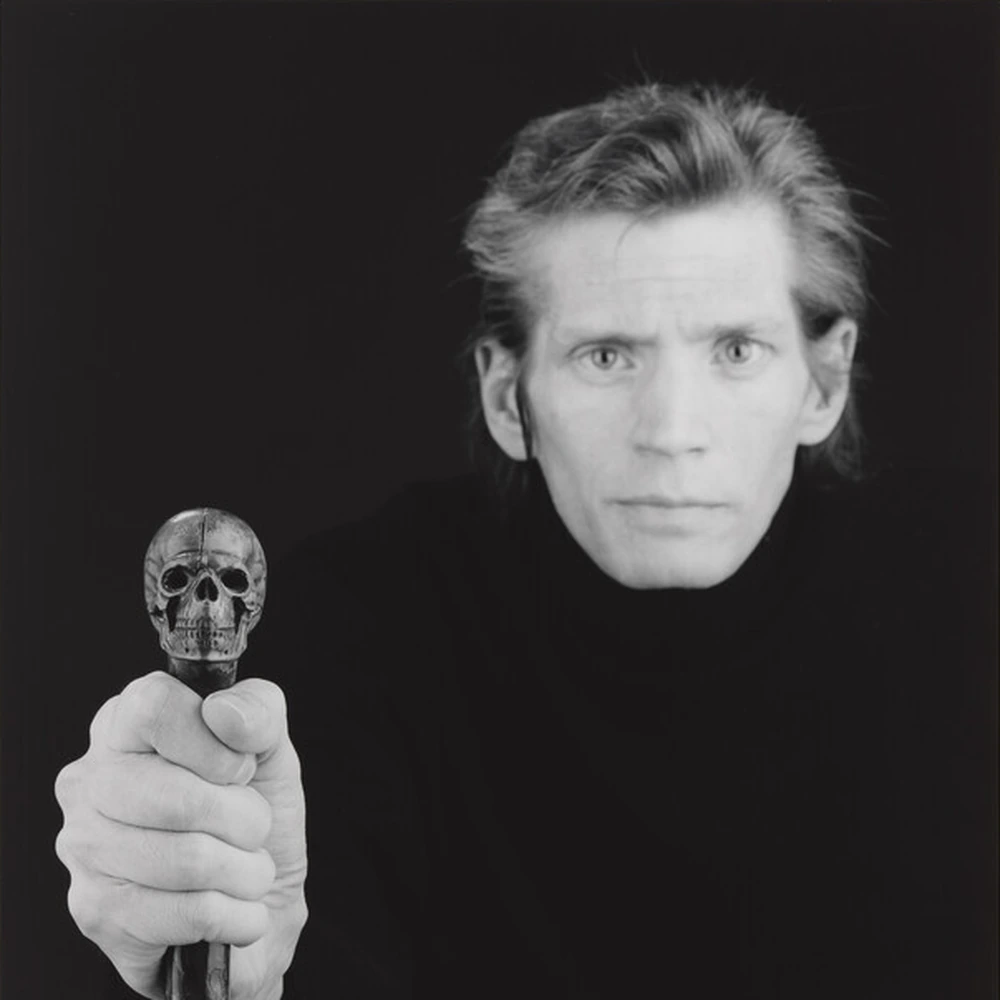
There are the obvious questions about Robert Mapplethorpe’s polarizing 1990 exhibit at the CAC, which, along with a more traditional retrospective, enveloped images of flowers, portraits of black men and S&M in three portfolios titled X, Y, and Z.
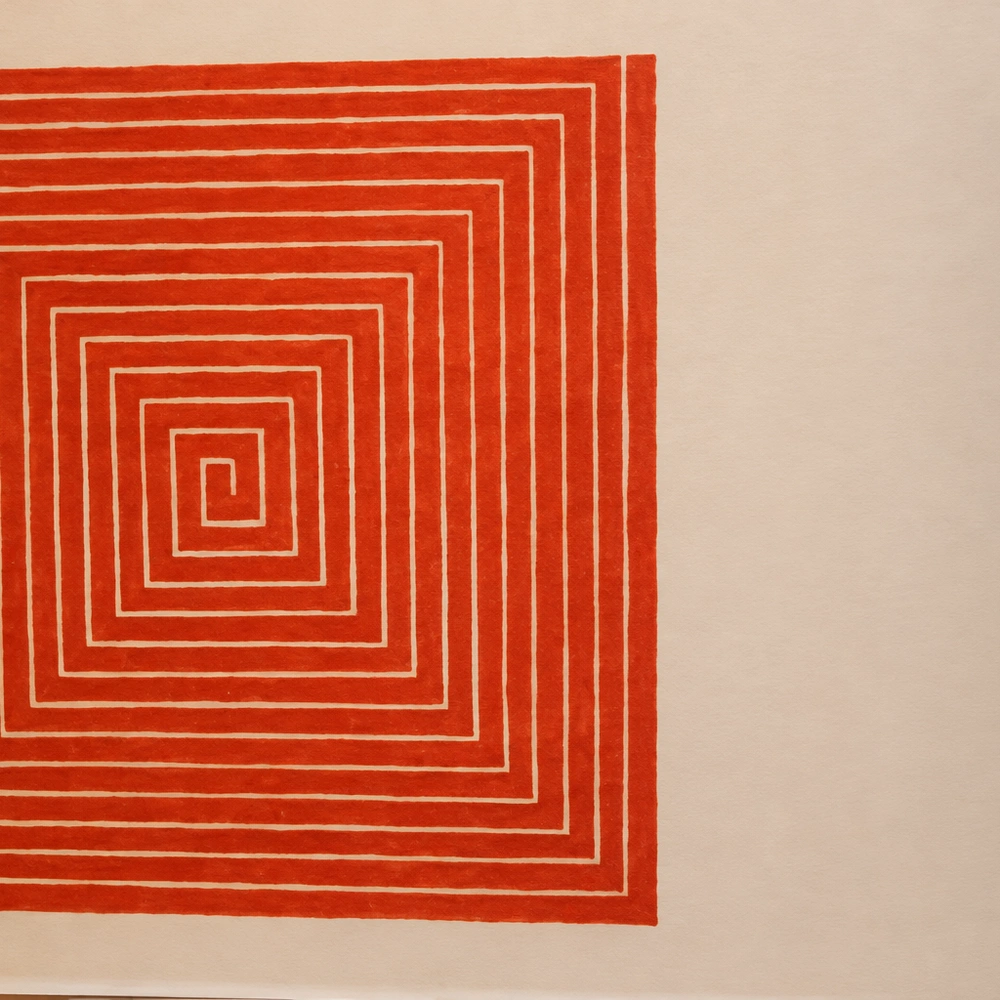
Collectors are a rare and wonderful breed. Through them art gains a purpose, functioning as a separate world wherein personal affairs of the heart are gathered together, for no other reason than that the gatherers cannot resist them.
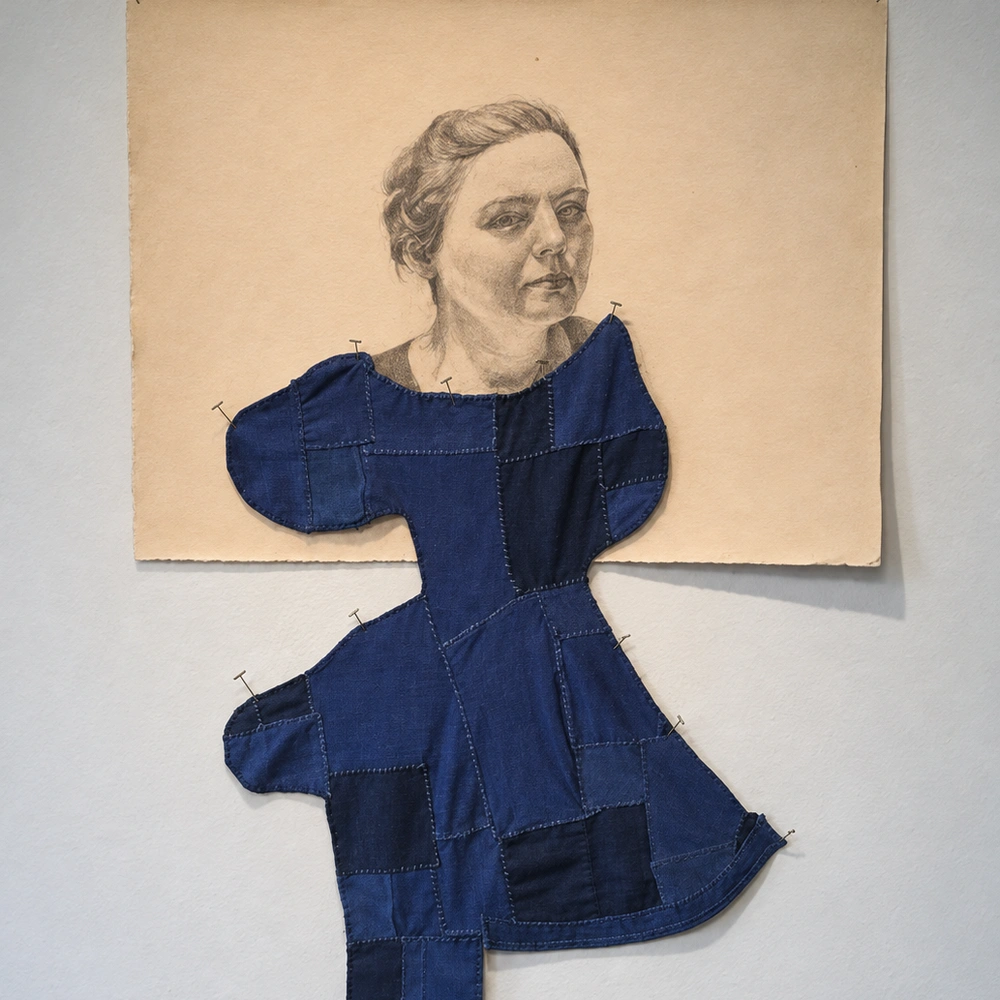
On the basis of some of the works, “Surface” may be described as a portrait show with an agenda beyond the business of likeness. Colleen Kelsey exhibits 2 works showcased in the front room.
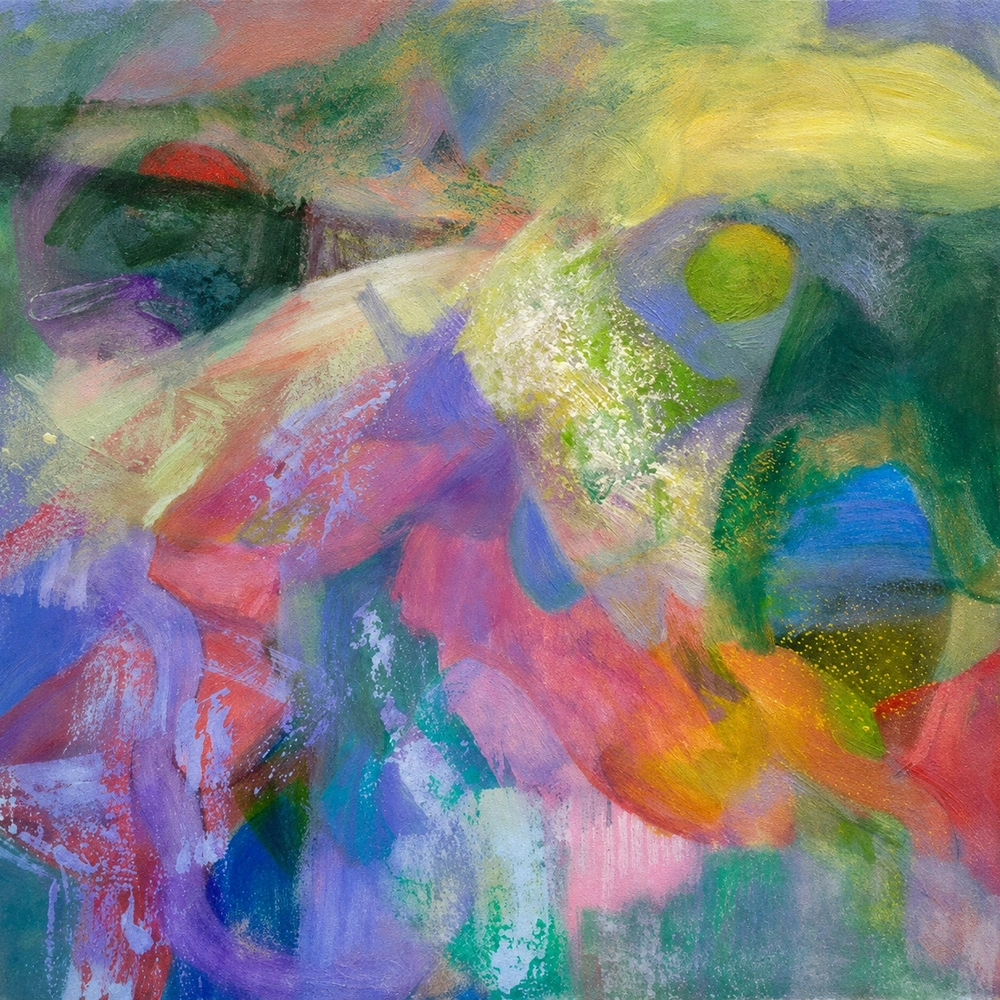
Susan Schuler’s paintings in the exhibition Havana at Malton Gallery in Hyde Park/Oakley speak for themselves, which is fortunate as the background information I asked for consisted of a statement by the artist relating to an earlier show, and when I requested a press release on this exhibition I was told they no longer do them, that no one pays attention to them.
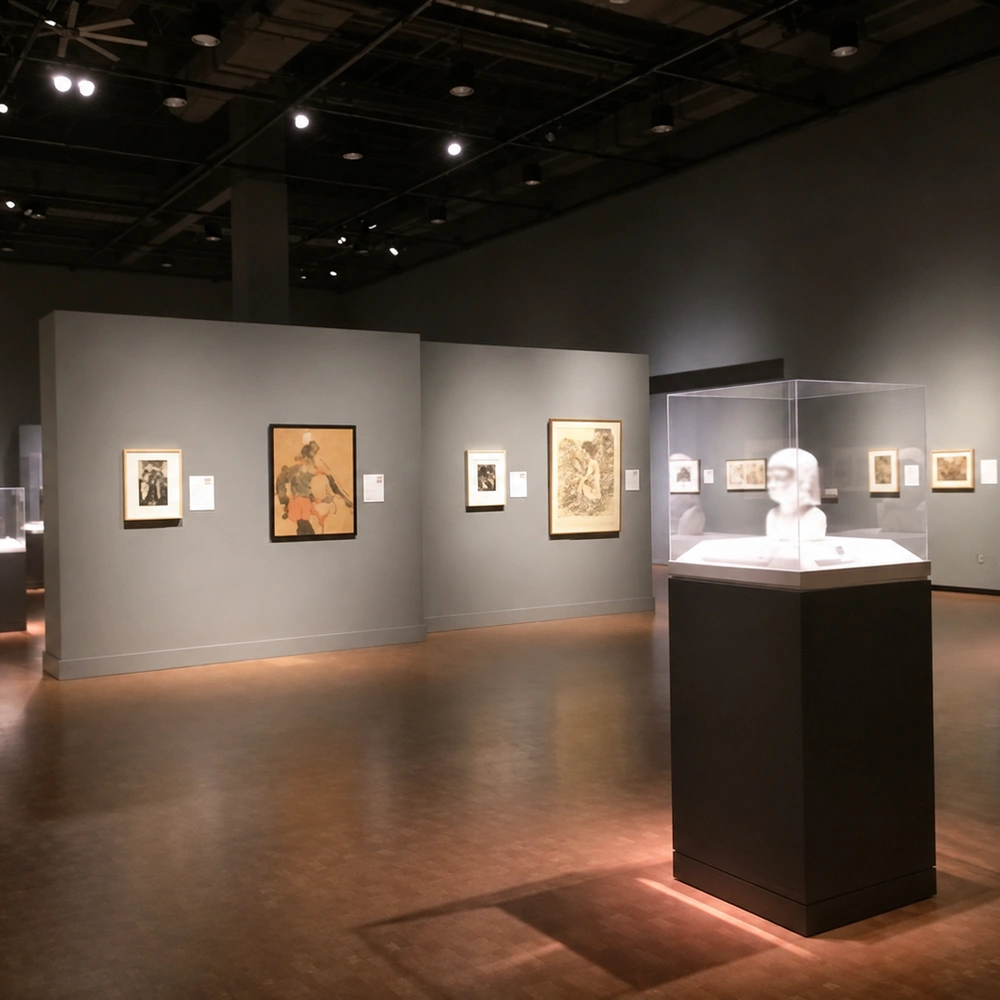
Making Their Mark: Illinois Women Artists, 1940-1960 opened October 17 and is on view until January 17, 2016 at the International Features Gallery of the Peoria Riverfront Museum in Peoria, Illinois. With this exhibition, the museum is contributing to the necessary scholarship on women artists.
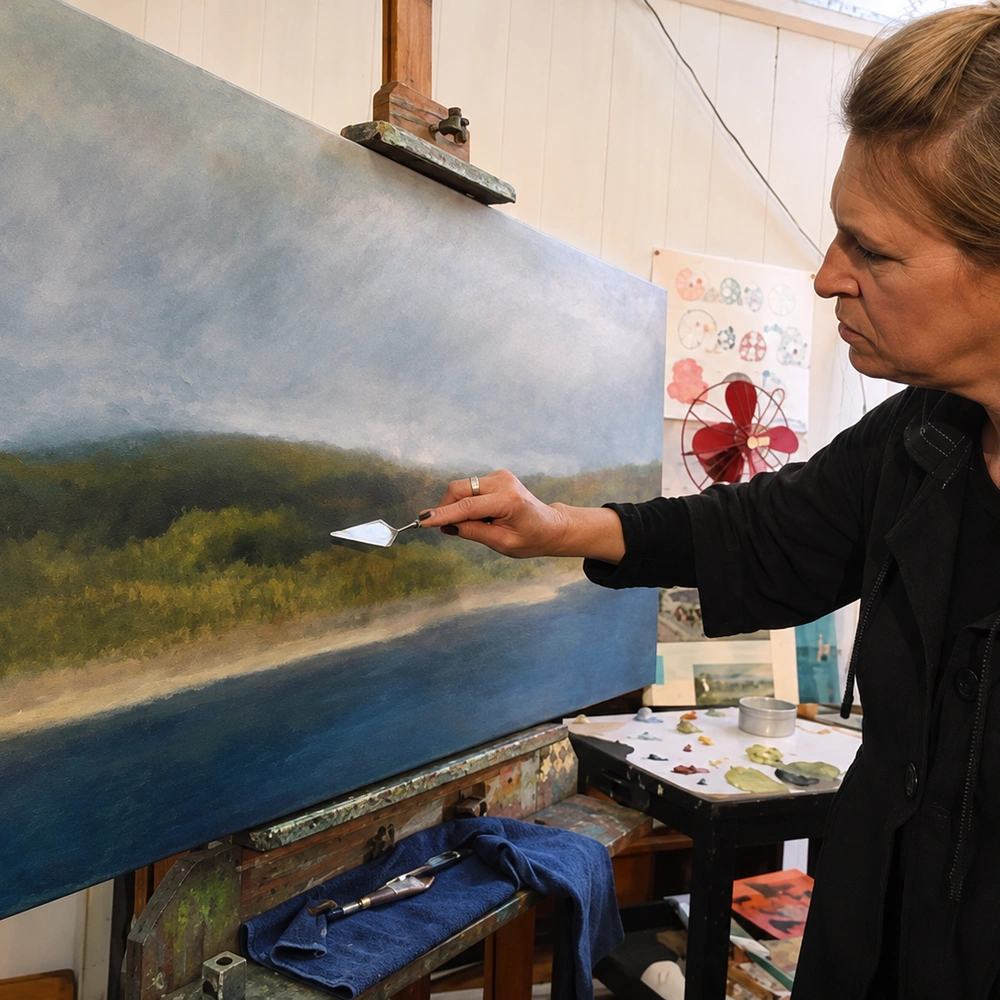
Born in Albany, New York, Lisa Molyneux attended The State University of New York at Geneseo and received a B.A. in theater and art. Her interest in art originated from two uncles who were artists: one, who was a watercolorist, and the other, a graphic artist.
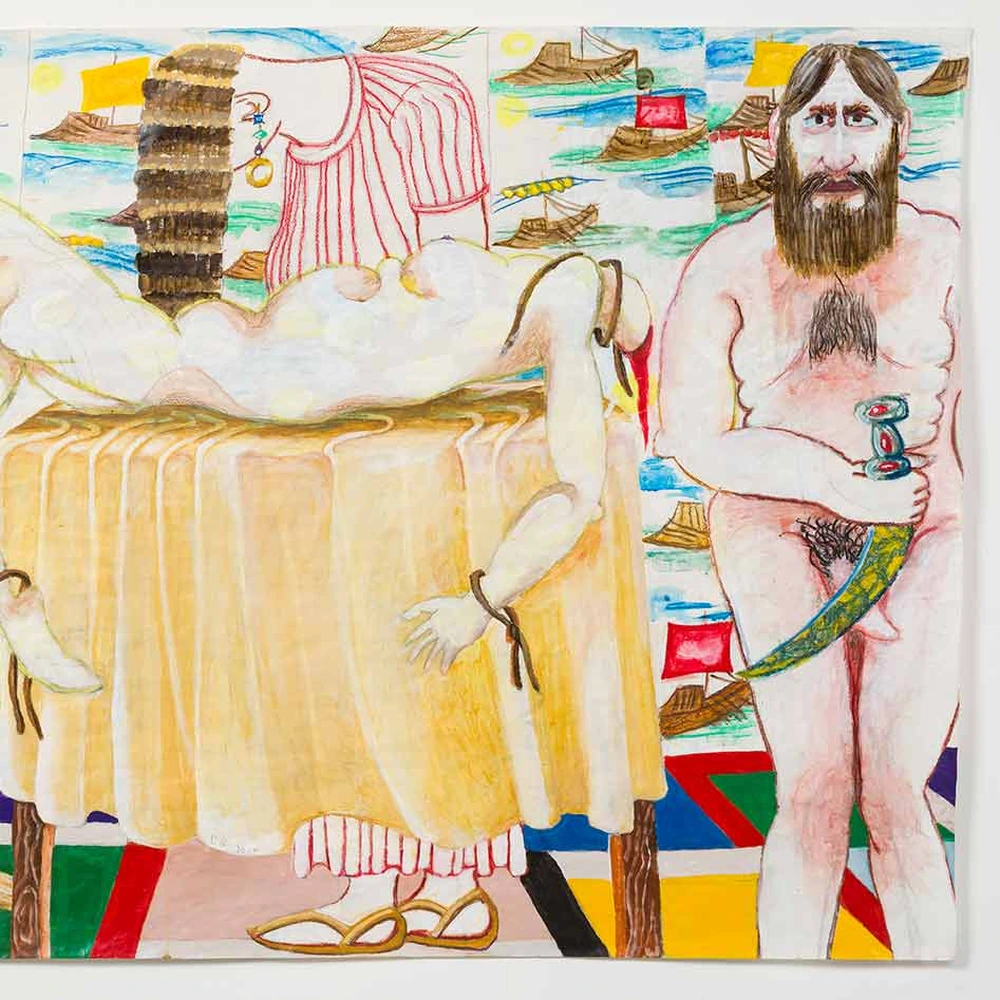
Charles Garabedian has long embodied a non-conformist approach to his practice. The “Bad” Painting movement of the late 1970’s is perhaps the only definitive genre with which he’s been aptly associated.
Page 44 of 162 · articles 517–528 of 1,942
