1,942 reviews and essays published in ÆQAI between 2010 and 2017. Each bar is a month and its height shows how many articles it holds: choose one, browse the pages below, or meet the authors.
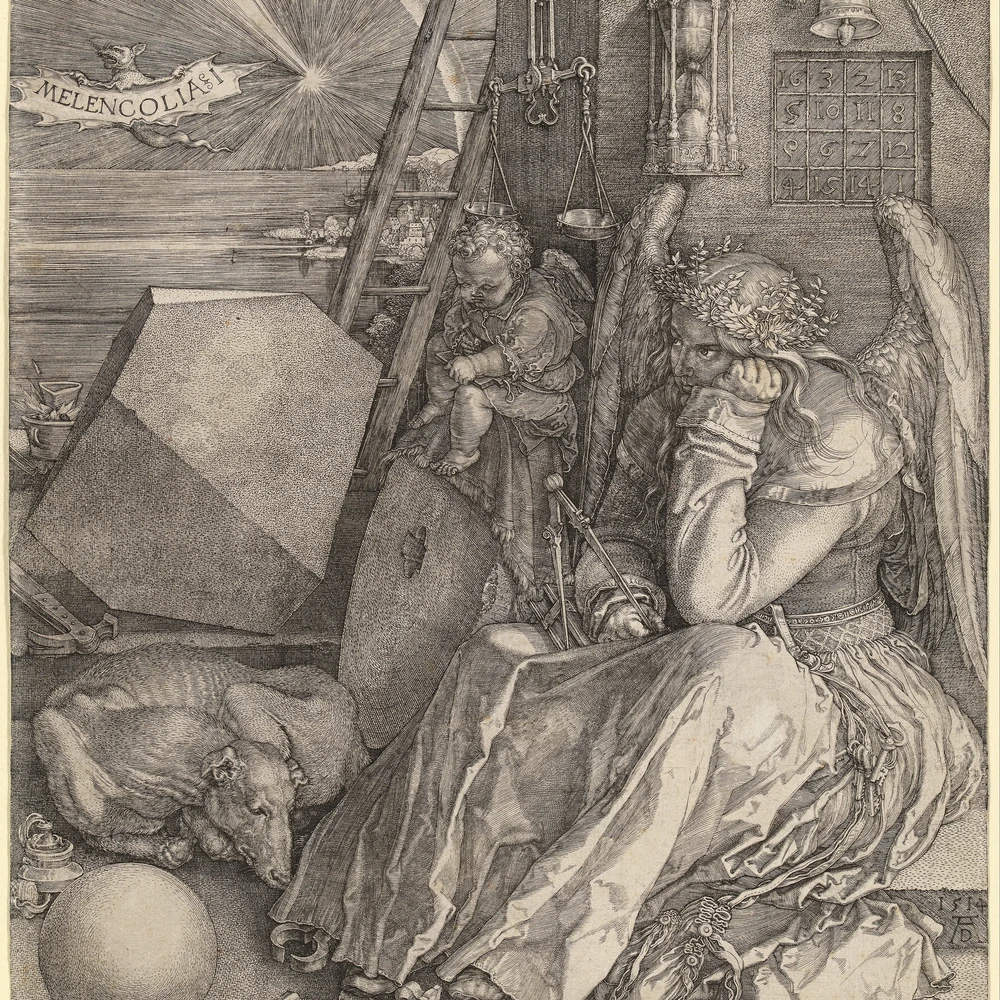
Lisaann Cohn’s recent small-format drawings in black and white inspire frequent comparisons to the work of illustrator Edward Gorey. However, at closer glance, her richly symbolic work shares a greater kinship with that of the Surrealists and other influences, such as Renaissance engraver Albrecht Dürer.
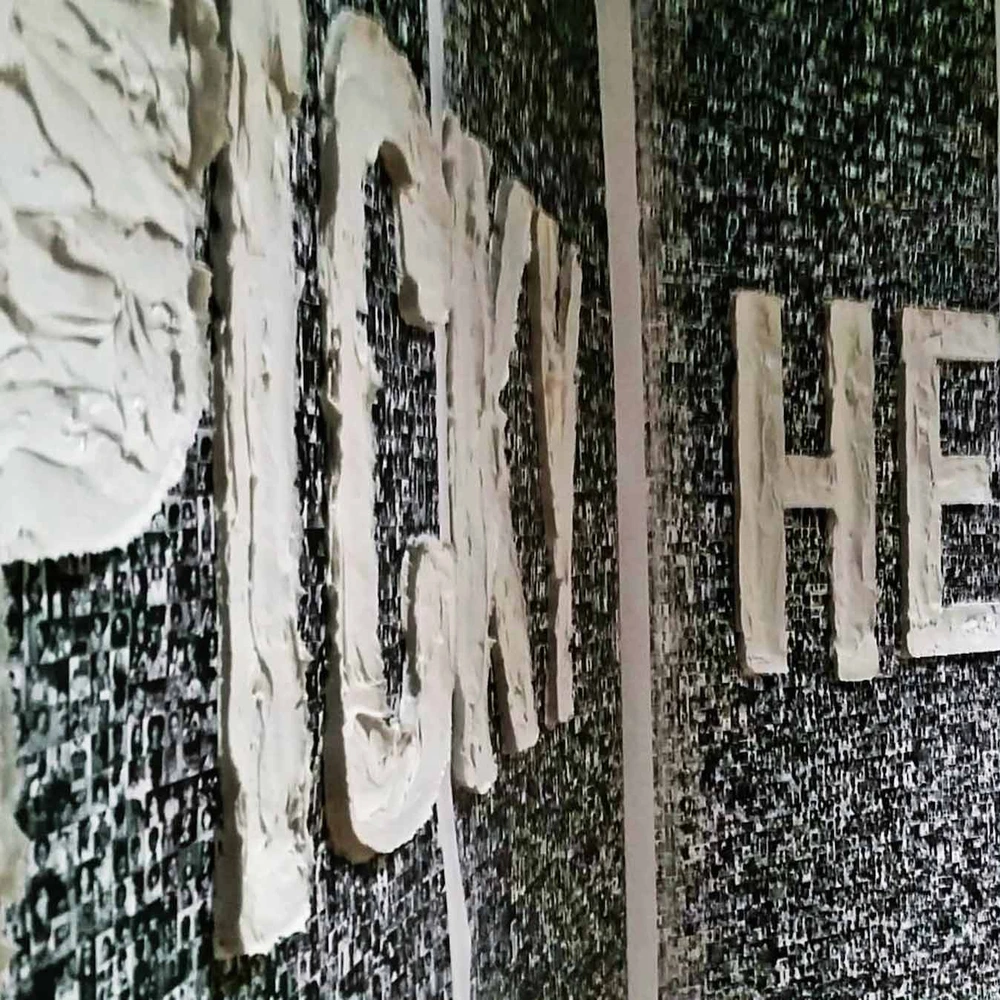
It’s difficult to believe that our country’s canonized definition of art history continues to lack a comprehensive representation of the various contributions that African American artists have made to abstract painting.
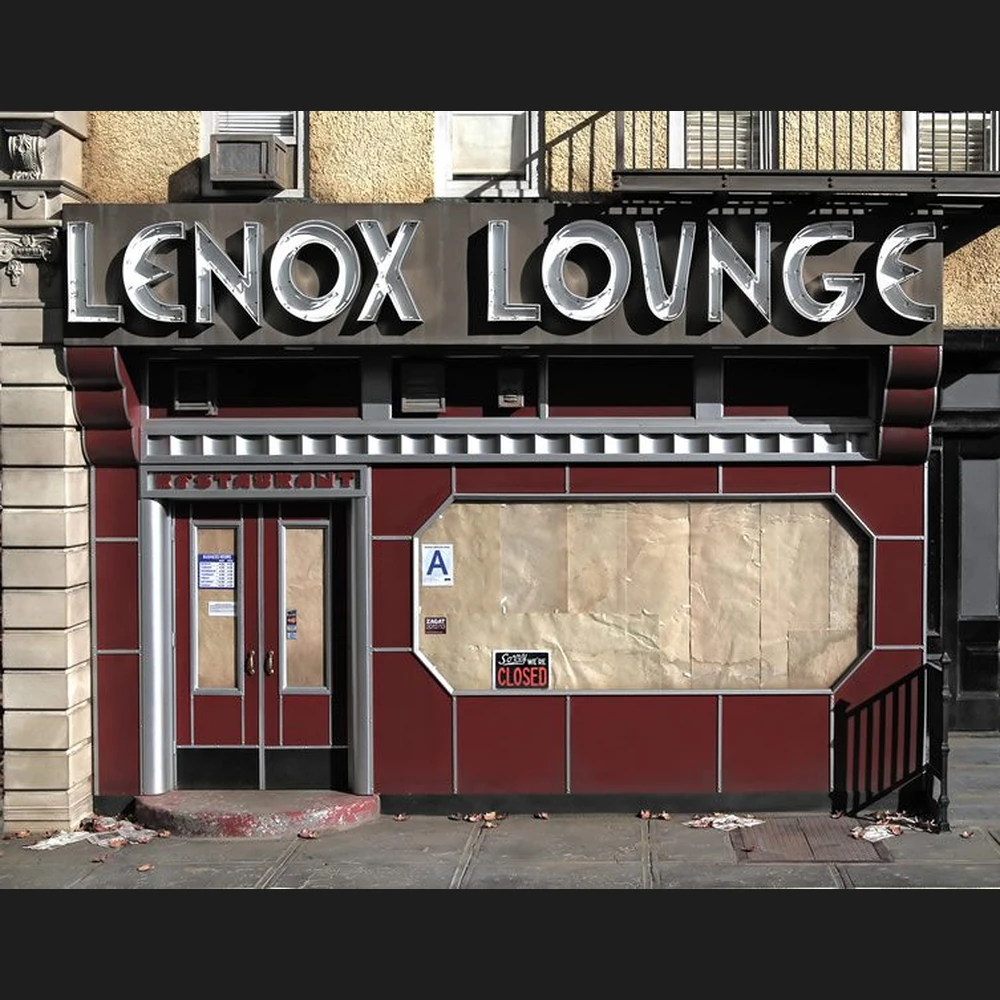
Los Angeles-based artist Randy Hage has been photographing New York City storefronts for nearly 20 years. Since the late 1990s, he’s amassed more than 700 photos from which he’s sourced the subject matter for his amazingly detailed photorealistic sculptures that depict mom & pop establishments, each of which retains an iconic symbolism representative of generations past.
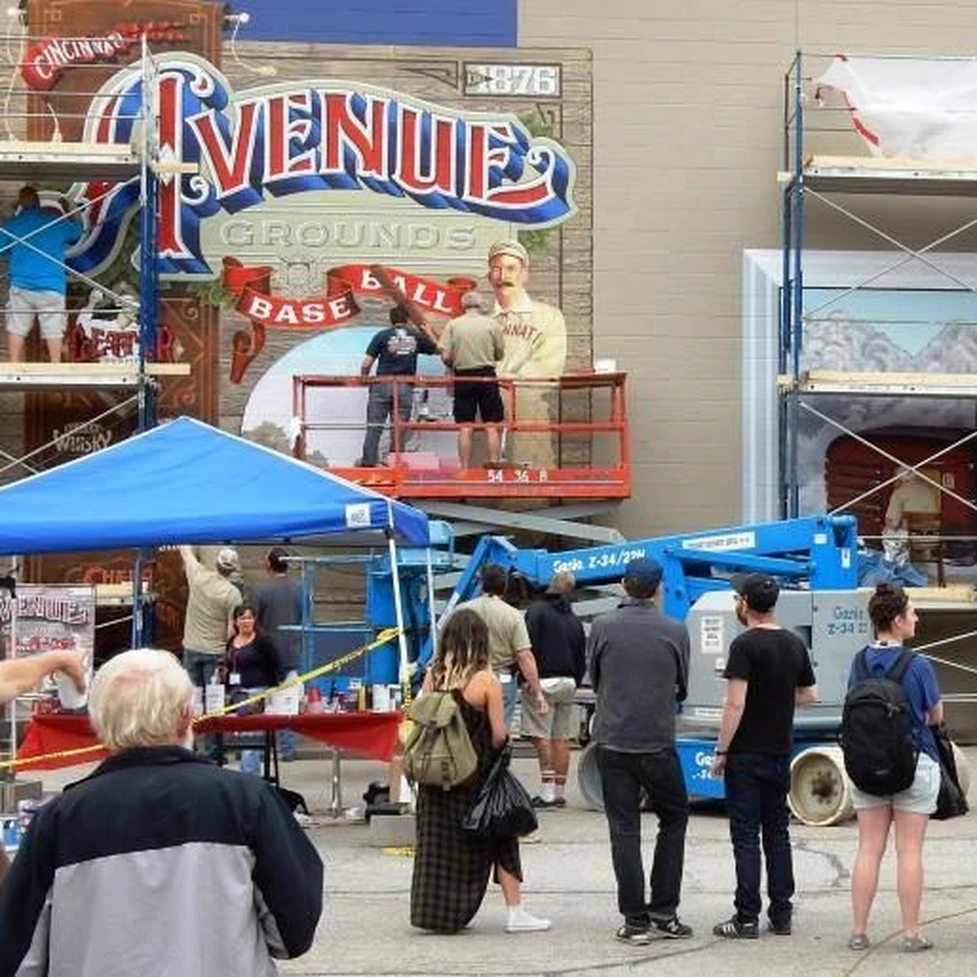
Lettering artists, calligraphers and sign painters of every type have nourished their love affair with the brush through centuries of human communicational needs. Sign design, featuring unique attractive shapes and the seductive element of neon, has been a ubiquitous element of the American landscape.
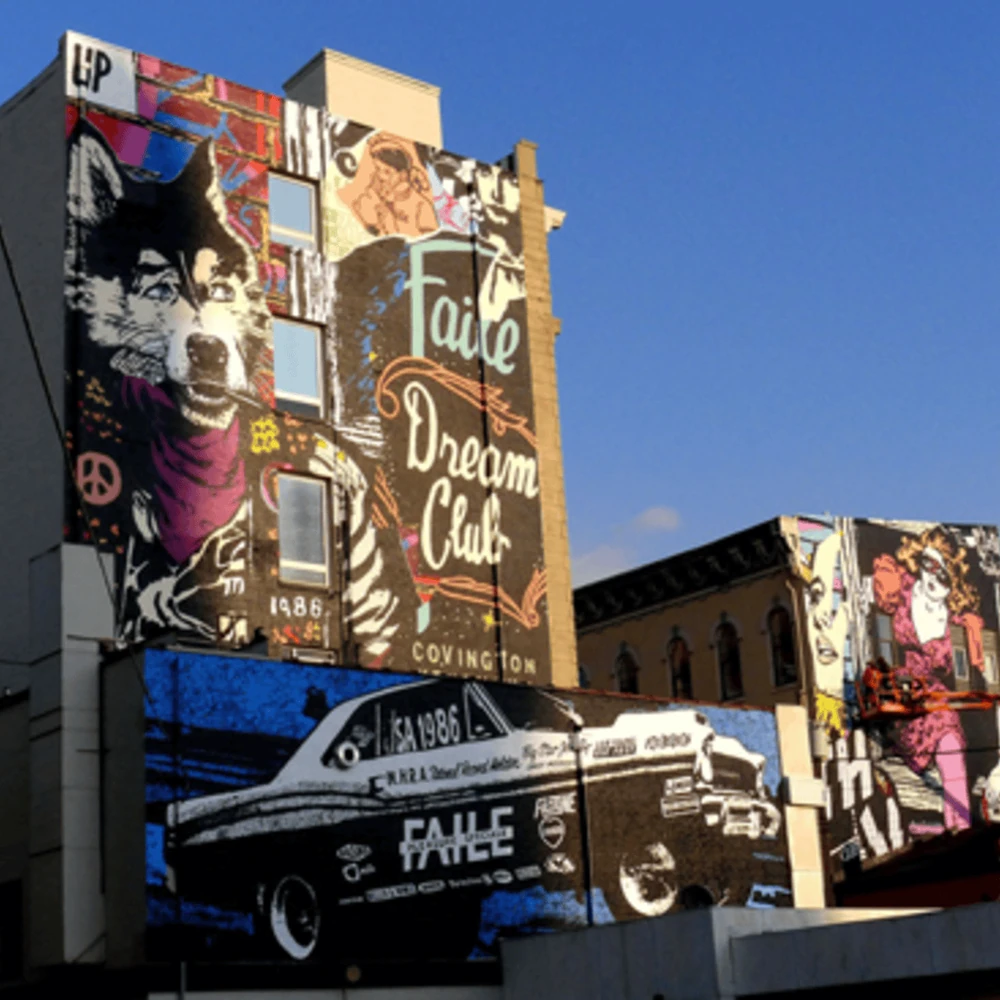
Our walls are changing for the better. Propelled by the global phenomenon of street art and sustained by an embrace of community-sanctioned murals, public art is back in a big way. In Cincinnati, when it comes to public art, the name ArtWorks is ubiquitous. With a hundred murals in thirty-six neighborhoods, formerly drab walls are becoming multi-story canvases, transforming the streets into a public gallery space.
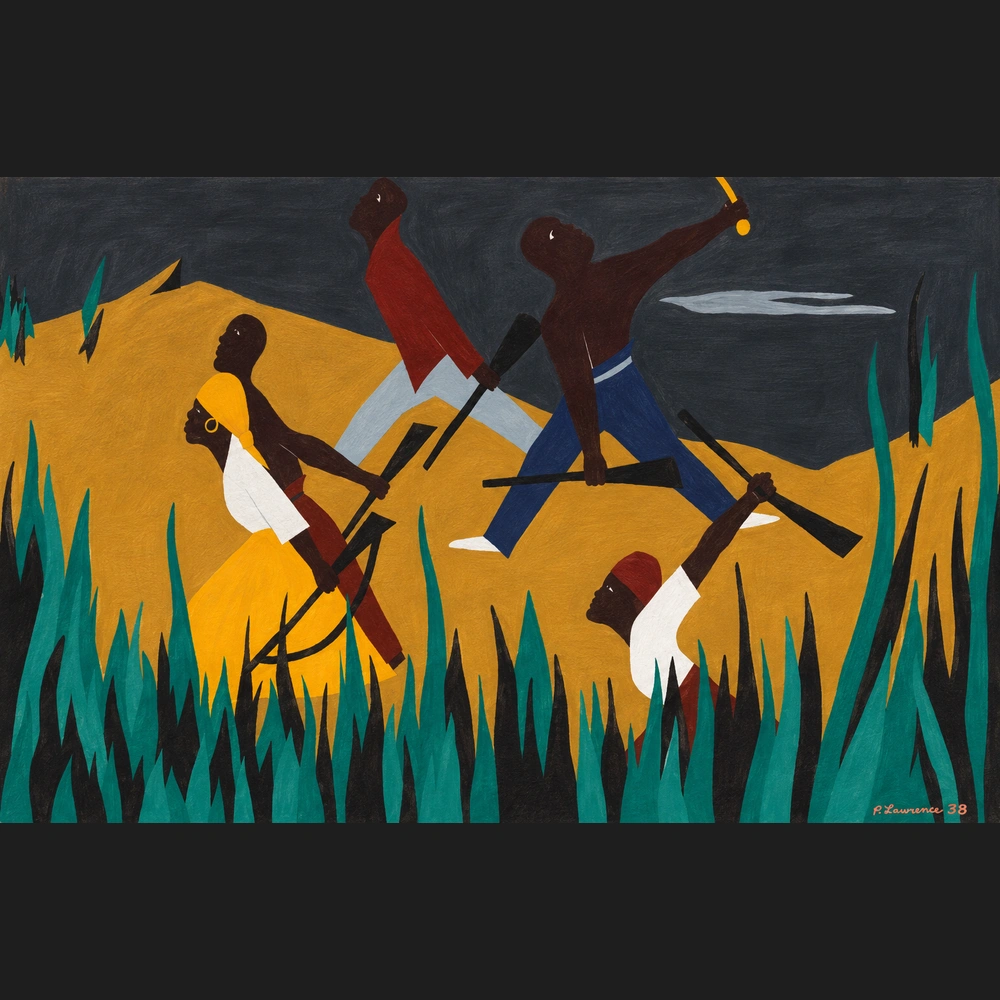
In the 41 tempera vignettes that make up “Heroism in Paint: a Master Series by Jacob Lawrence” (currently on display at the Taft Museum of Art through January 17, 2016), Jacob Lawrence dramatizes the life of Toussaint Louverture, revered as the founding father of Haiti who led Haitians in their fight against slavery in the late 18th and early 19th Centuries.
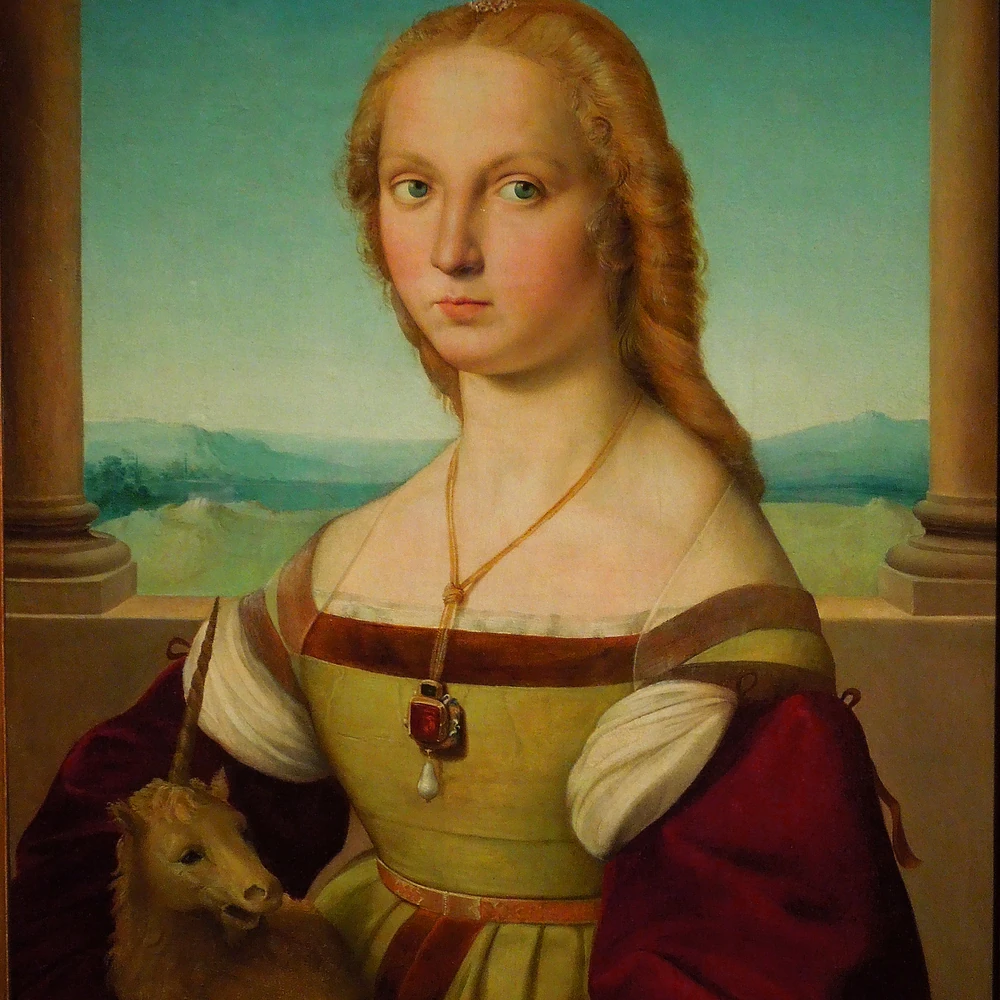
First of all, forget the unicorn. Or at the very least, hold it in abeyance. X-ray analysis of the painting shows us that before there was a unicorn on this young woman’s lap, there used to be a dog.
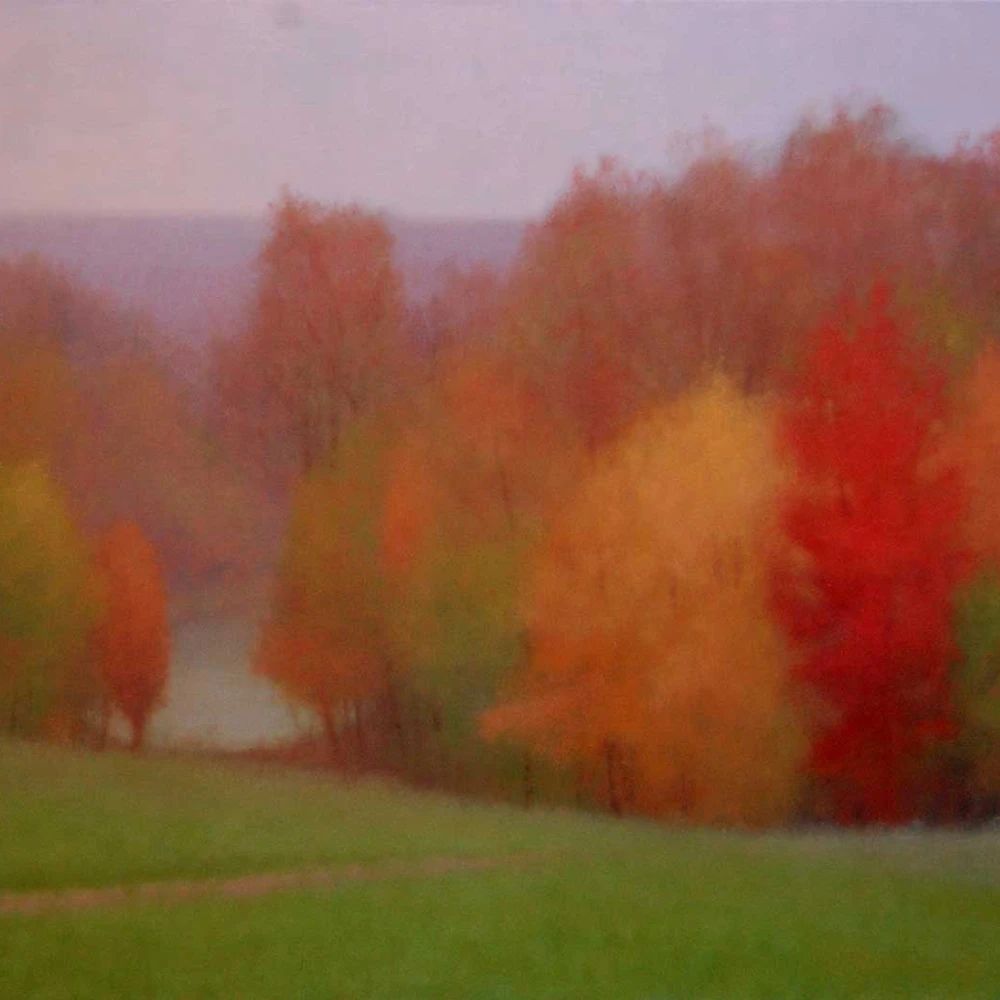
Mary Katherine Hurley’s oil paintings and pastel drawings are a contemporary version of the American Sublime, the 19th-century movement that followed from the Hudson River School and looked to the works of European Romanticists like J.M.W. Turner. Hurley’s works similarly express an awe of nature. Nonetheless, she vigorously, even radically, limits the amount of visual information each painting includes.
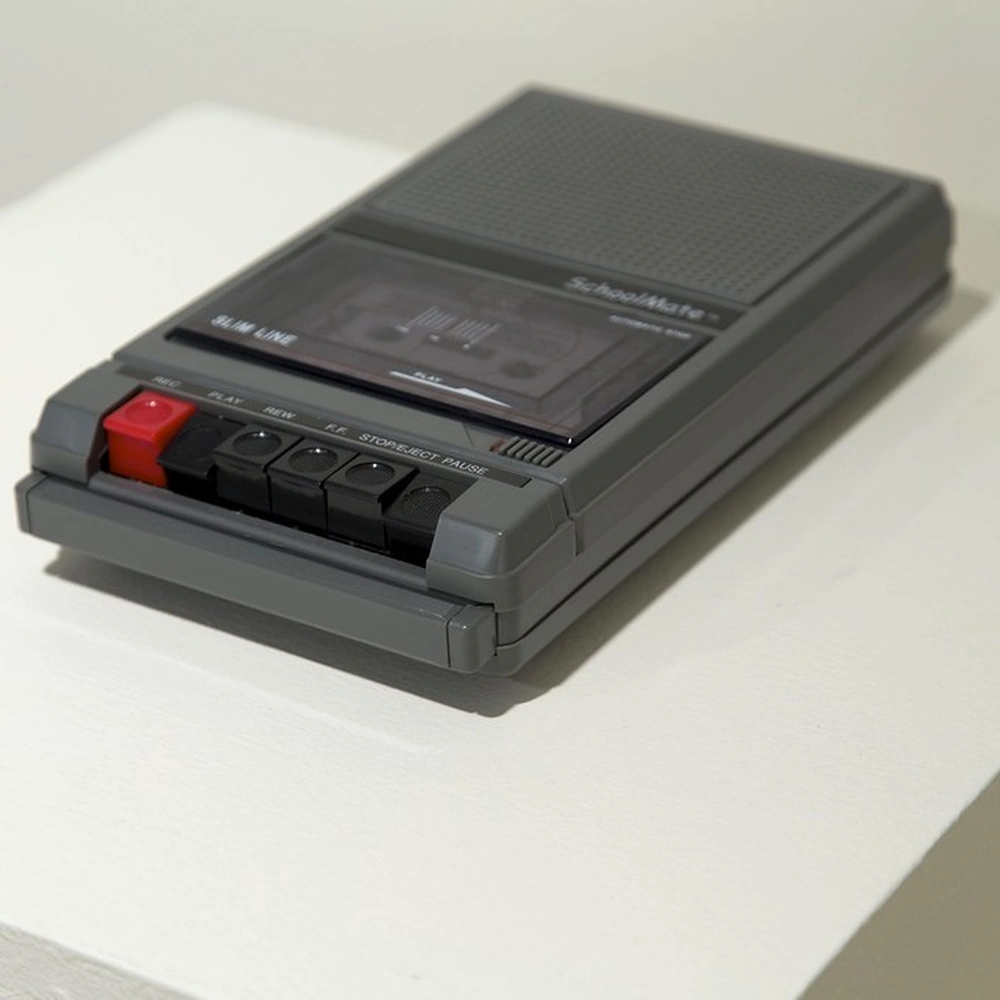
Walking us through the ephemeral life of a one hundred year old house and the people who have called it home, this exposition is imaginative and experiential. Carver’s contemplation of place and memory are at times sought through the audaciousness of a child, and at others, through the modesty of a layman.
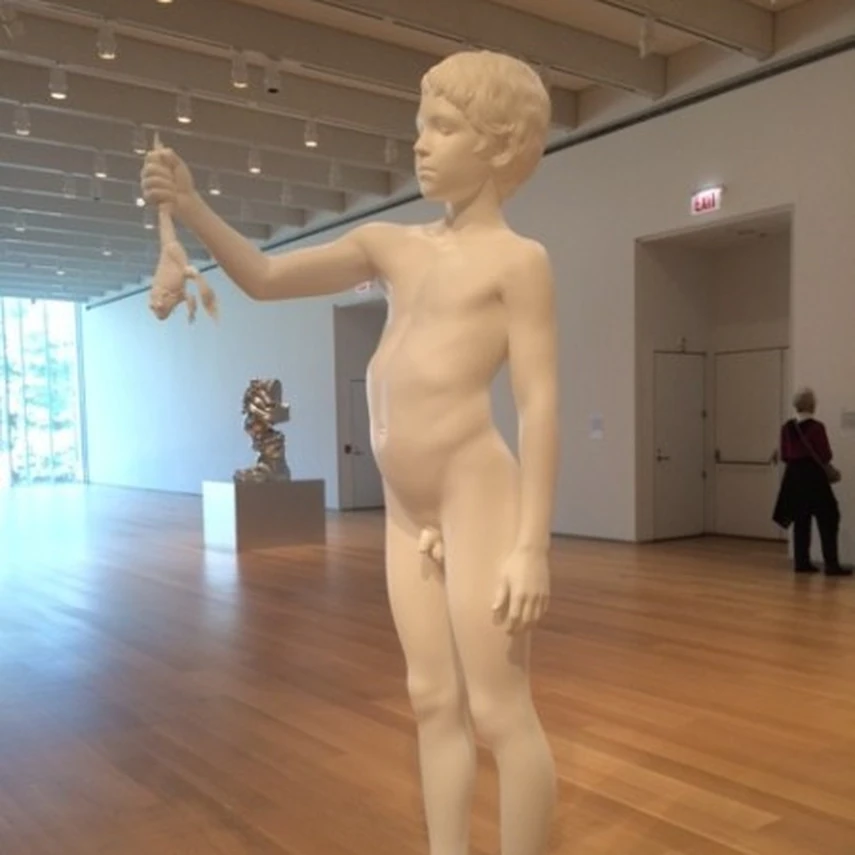
Midwest-born, Los Angeles–based sculptor Charles Ray’s mid-career retrospective, “Charles Ray: Sculpture, 1997–2014,” is a significant and revelatory exhibition which opened at the Art Institute of Chicago May 15, 2015 and concluded on October 4. The exhibition was co-organized by the Art Institute, its only North American venue, and the Kunstmuseum, Basel.
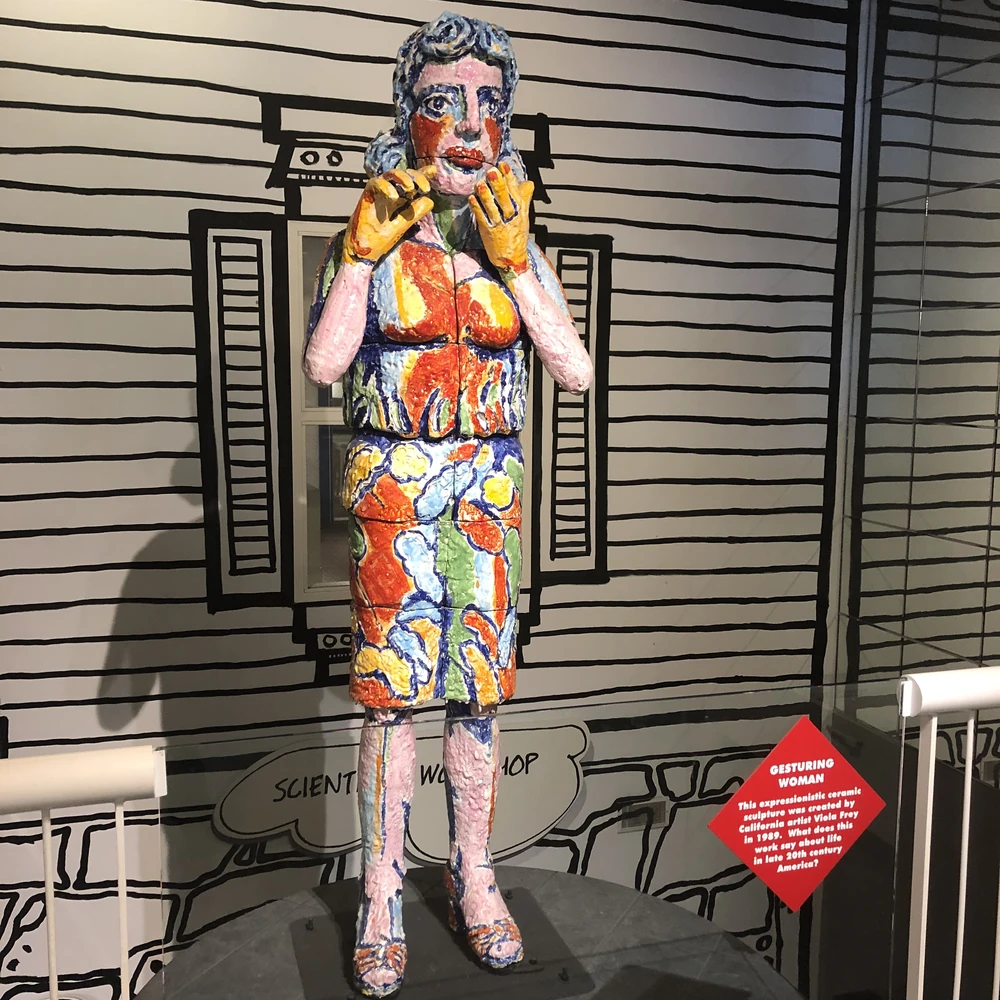
I had high hopes for “Fiber: The Next Dimension” at the Kennedy Heights Arts Center. The photograph of Amy Wallace’s Nature’s Vessel that accompanied the press release bolstered those hopes.
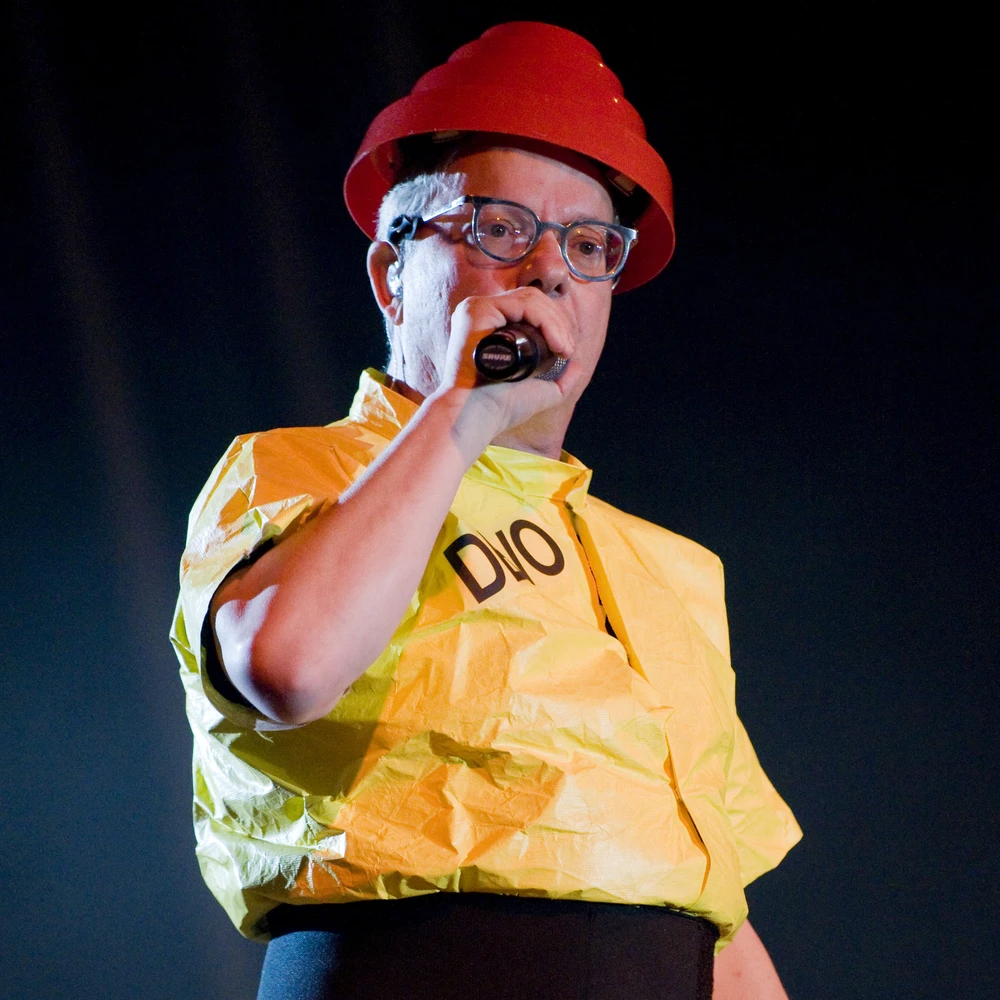
Walking into the Woodward Theater in OTR, the first person I noticed was Quinn. We had never met before, but judging by the swiftness of his steps and his frequent motion of hand to chin during the warm up I could tell that he had a lot to say.
Page 47 of 162 · articles 553–564 of 1,942
