1,942 reviews and essays published in ÆQAI between 2010 and 2017. Each bar is a month and its height shows how many articles it holds: choose one, browse the pages below, or meet the authors.
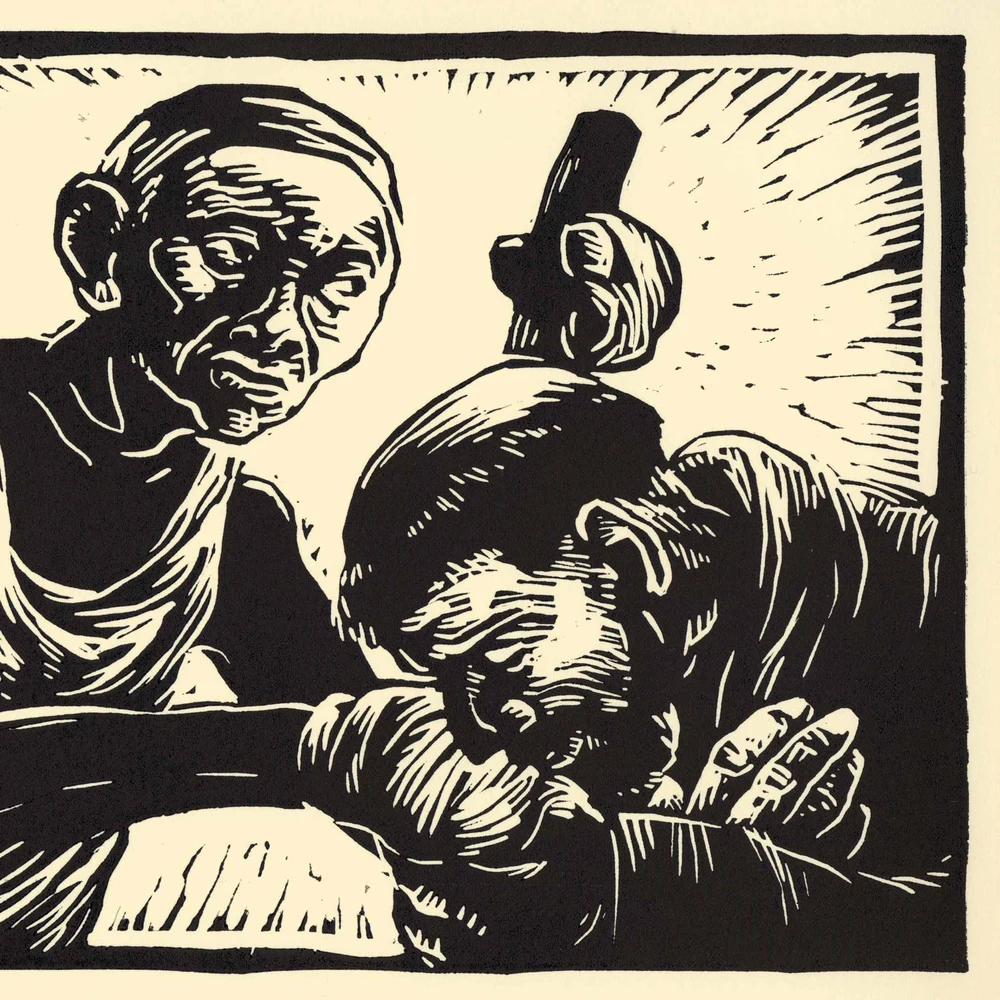
Julie Lonneman would not describe herself as an activist. Her social concerns are manifested in her everyday life choices, such as using public transportation, shopping at thrift stores and farm markets, composting, and planting wildlife-friendly native plants in her yard.
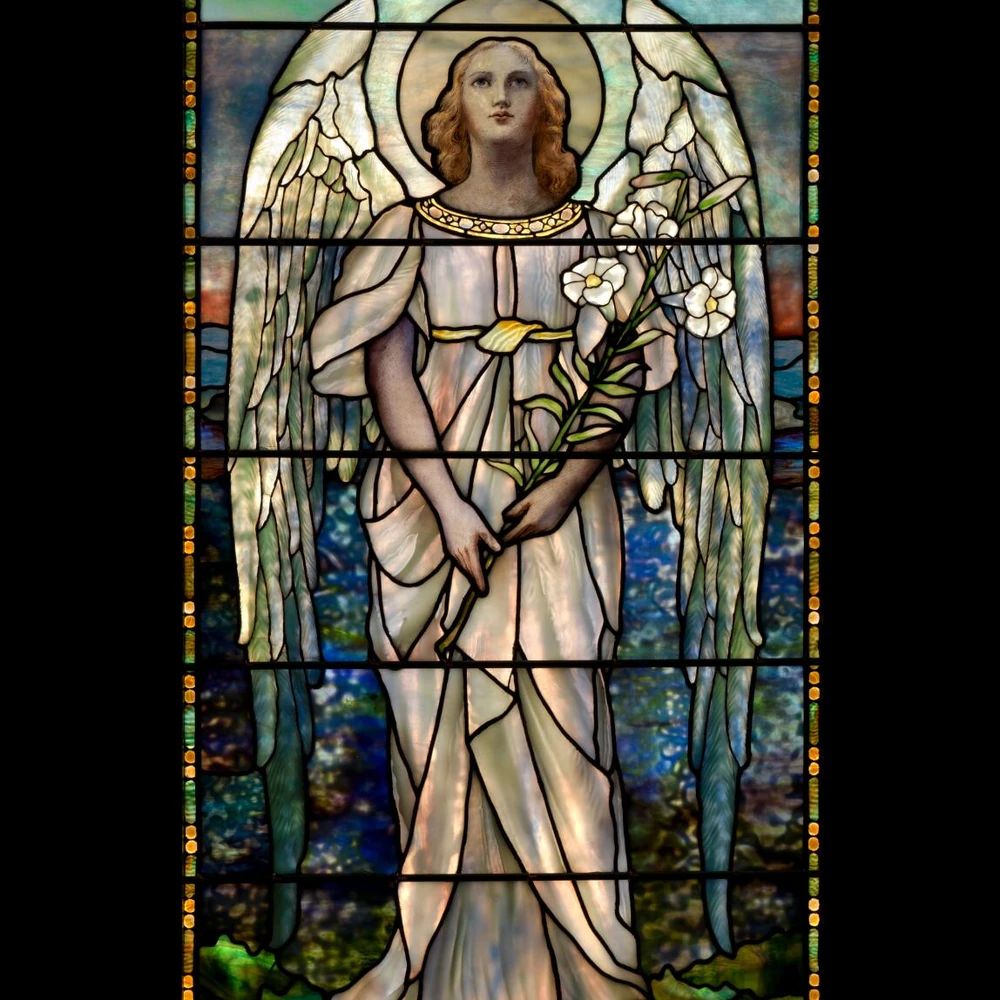
As you ascend the stairs to the just opened Nancy and David Wolf Gallery in the Cincinnati Art Museum’s second-floor ambulatory, you’re confronted with four stained glass windows made by the Tiffany Studio for Avondale’s Grace Protestant Episcopal Church and two tall glass vases, also by Tiffany.
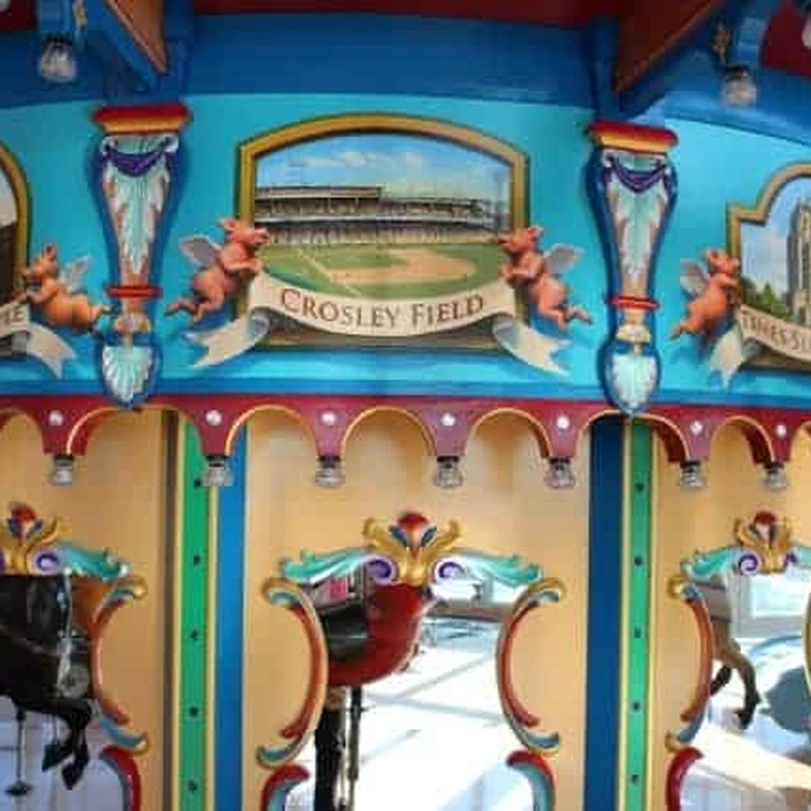
Any one who enjoys the Cincinnati Park system has monitored over the recent snowy winter with great anticipation the newest addition to the Riverfront: the John G & Phyllis W. Smale Park and the installation of Carol Ann’s Carousel that is it’s focal point.
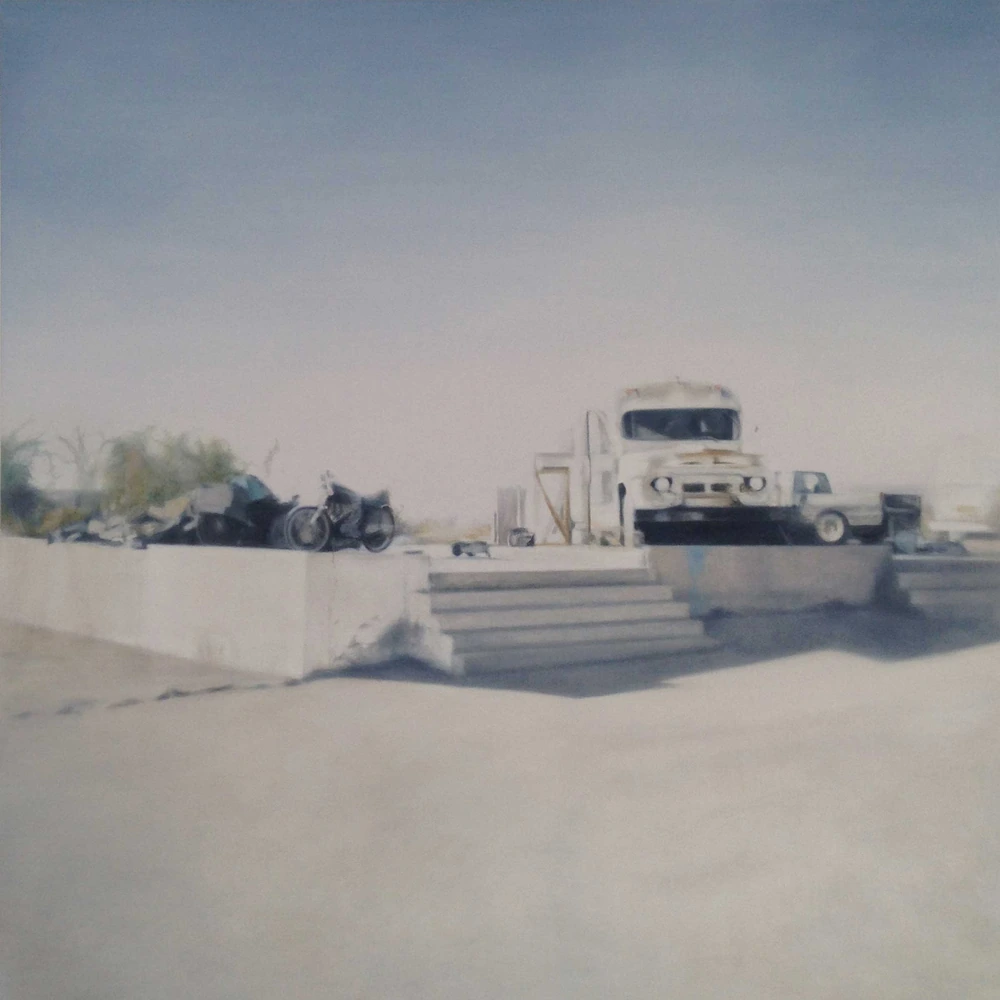
Walt Whitman wrote in the preface to the 1855 edition of Leaves of Grass, “The proof of a poet is that his country absorbs him as affectionately as he has absorbed it.” This theme manifests throughout the work of Deborah Martin, a contemporary realist landscape painter who conveys the essence inherent within marginalized communities that exist on the fringes of American society.
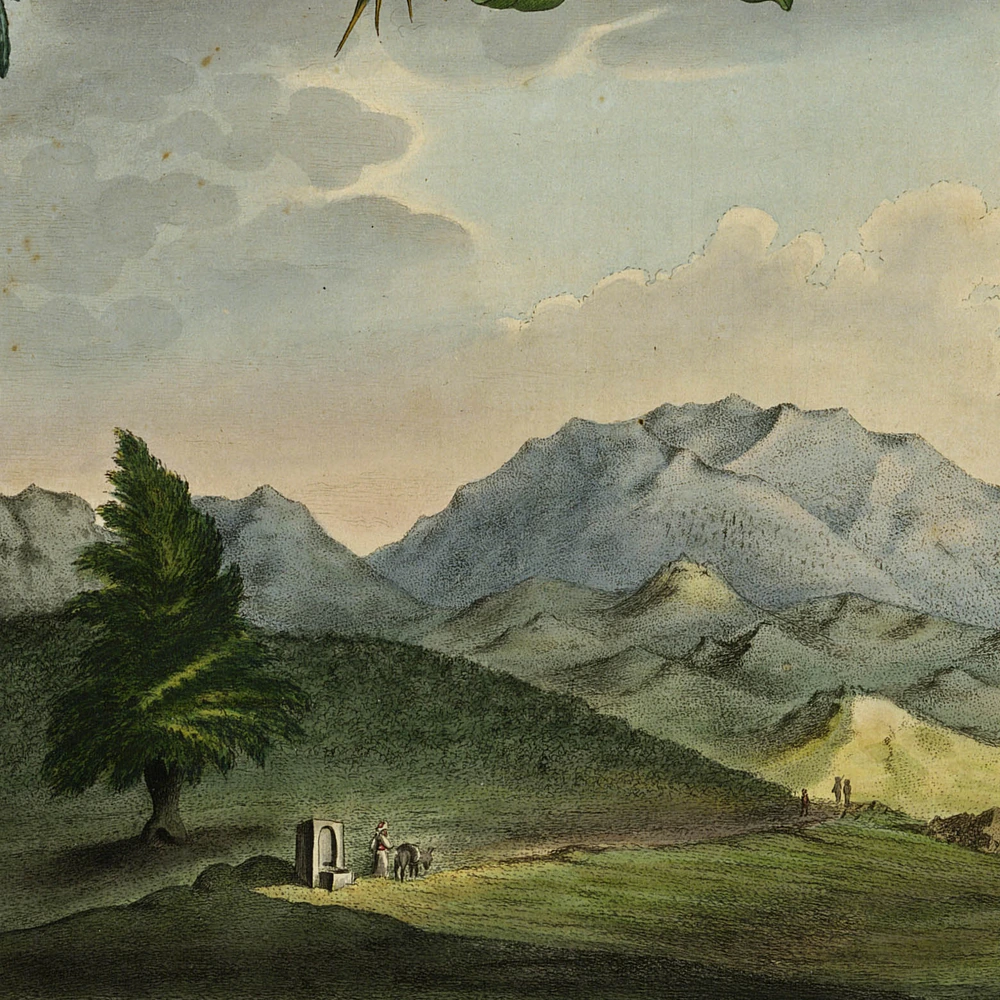
Cincinnati, OH – May 28, 2015: The Lloyd continues its tradition of promoting both academic and artistic research in Cincinnati with its latest round of Fellowship Awardees.
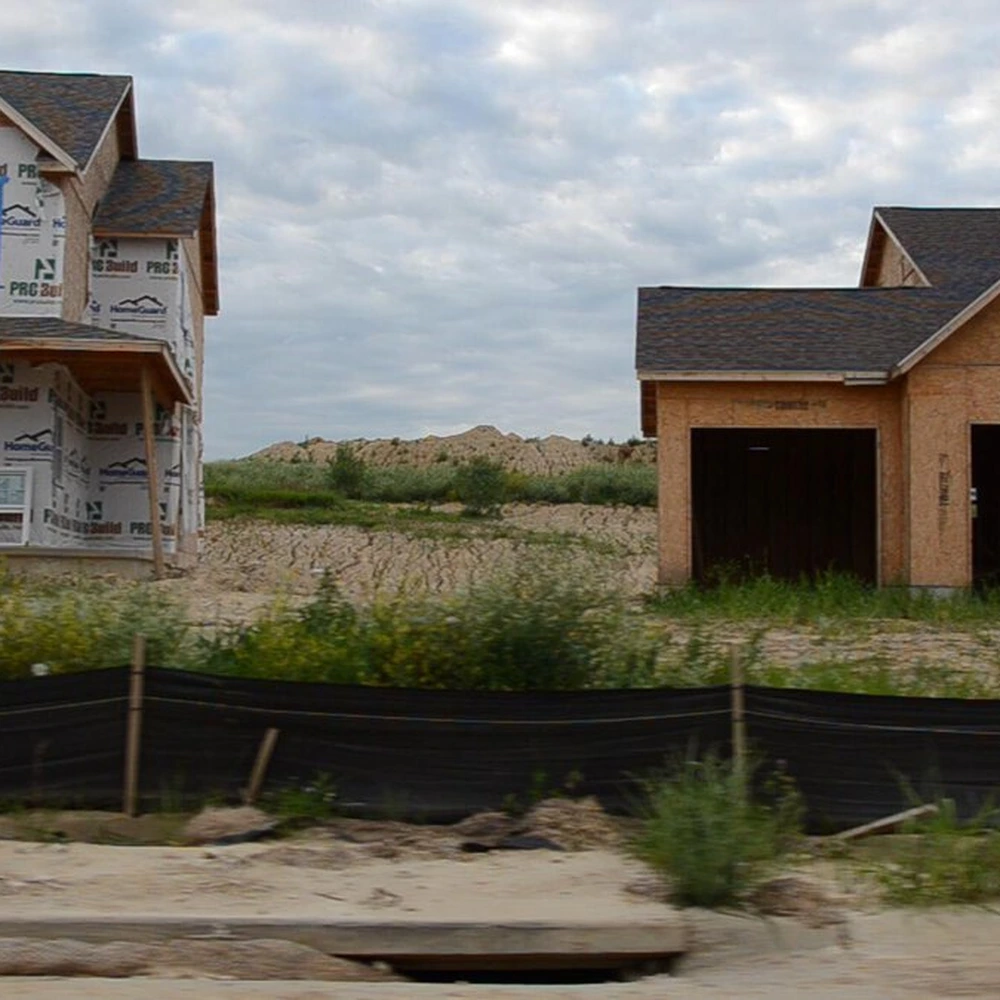
The Sub-Mission is now accepting proposals for the 2016 exhibition year. Located below The Mission, The Sub-Mission is an alternative installation project space dedicated to the development of artists living and working in Chicago.
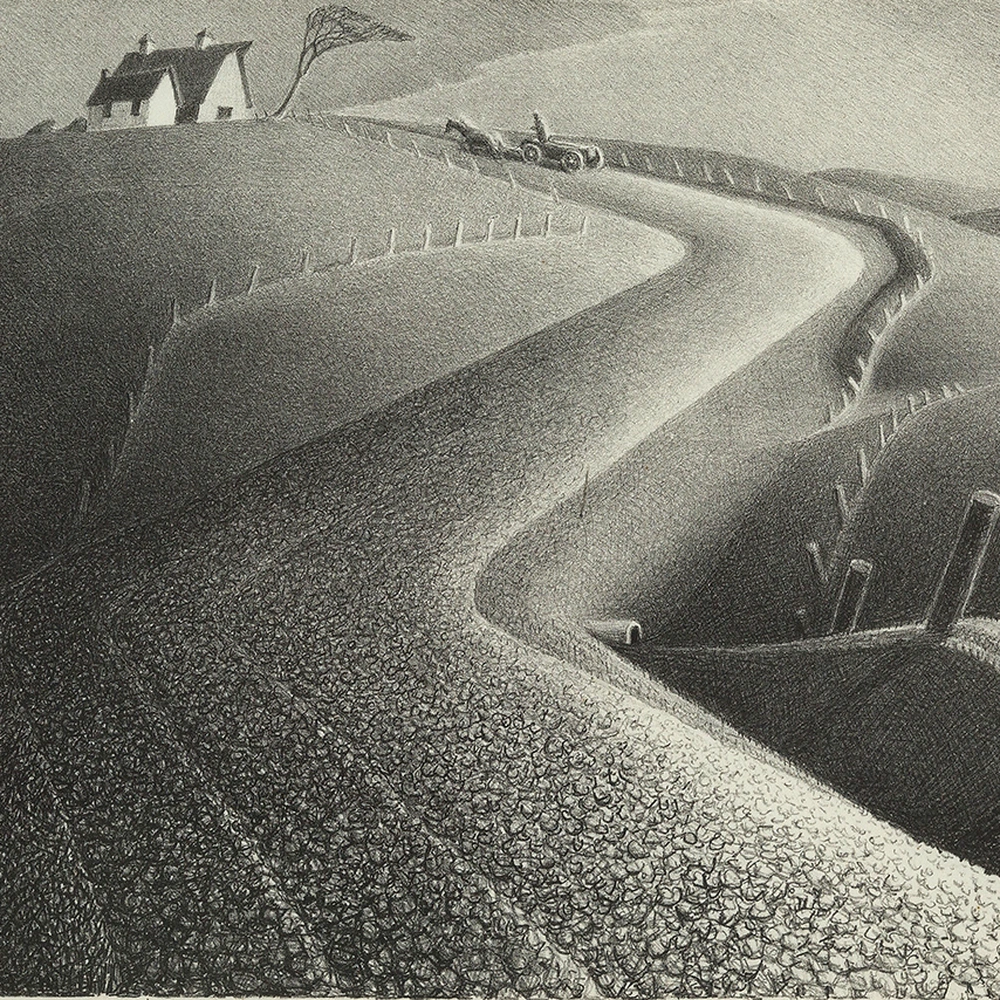
While many large American arts institutions, such as Cincinnati Music Hall and the Cincinnati Art Museum, were founded in the 19th century, it wasn’t until just before and after World War II when such cultural institutions were planted in many smaller cities, like Springfield, Ohio.
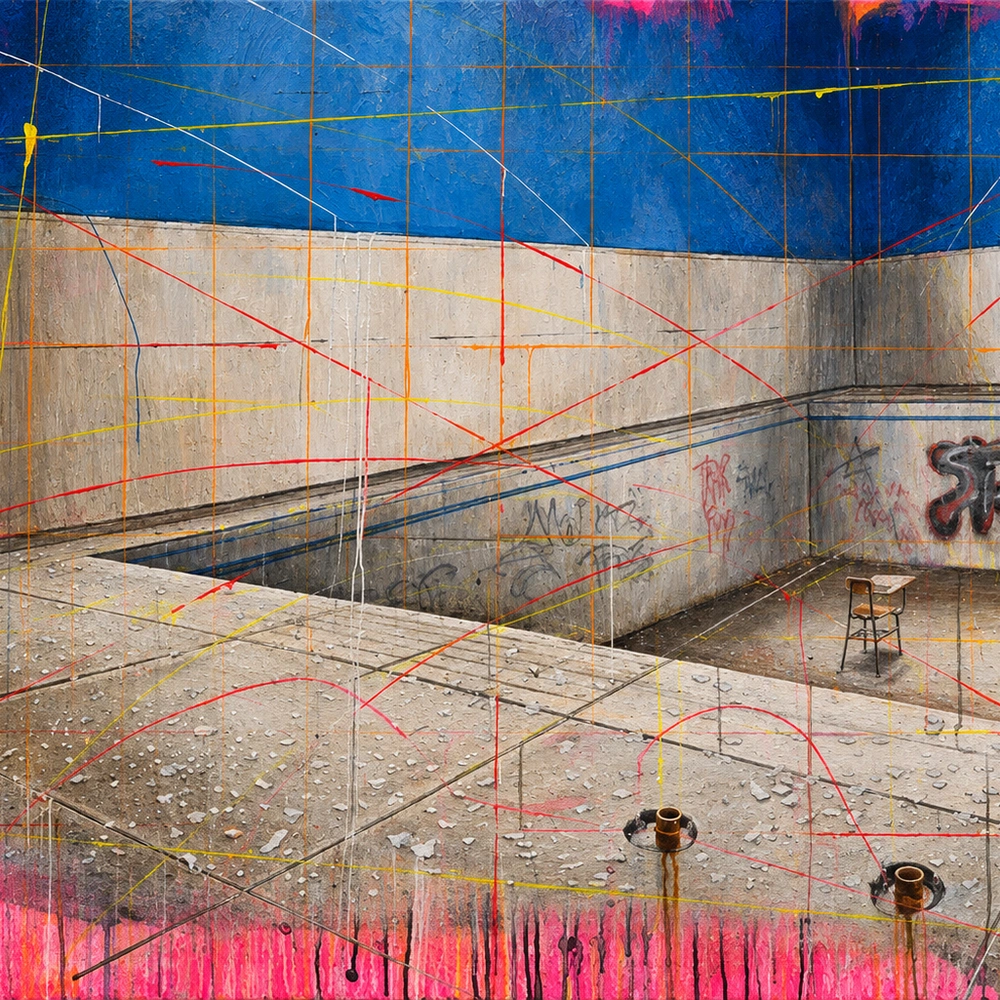
Artist Peter Waite approaches architectural panel painting as an experienced tourist explores a new city. He takes in the recommended key sights and then discovers the fascinating hidden places that most tourists and residents miss. His impressions of Cincinnati are embodied in a solo exhibition, The Cincinnati Series, at the Carl Solway Gallery in the West End.
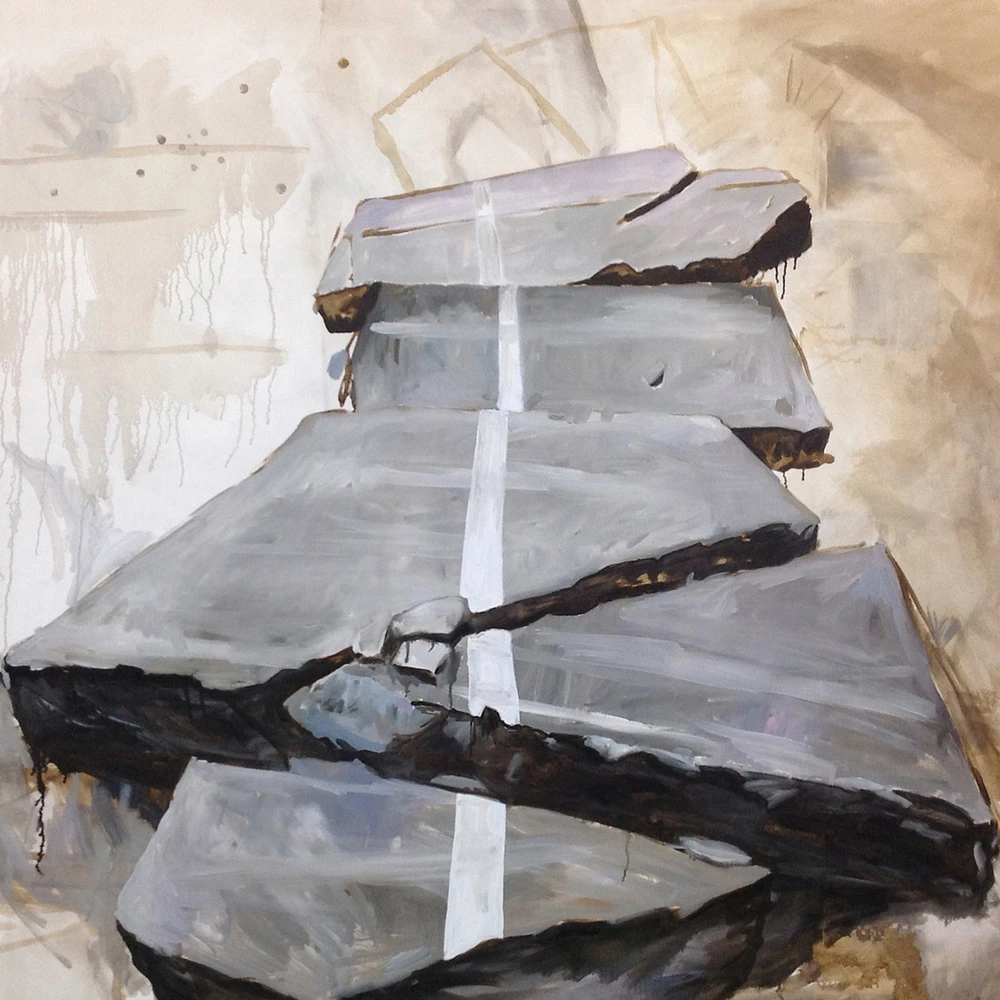
It makes sense that Sonja Schenk’s latest body of work provides a perspective that only a few would even consider. Absent of a horizon line, the improvised landscapes that comprise Schenk’s solo exhibition, Hovenweep, provide an elevated point of view that few rarely if ever have the opportunity to glimpse.
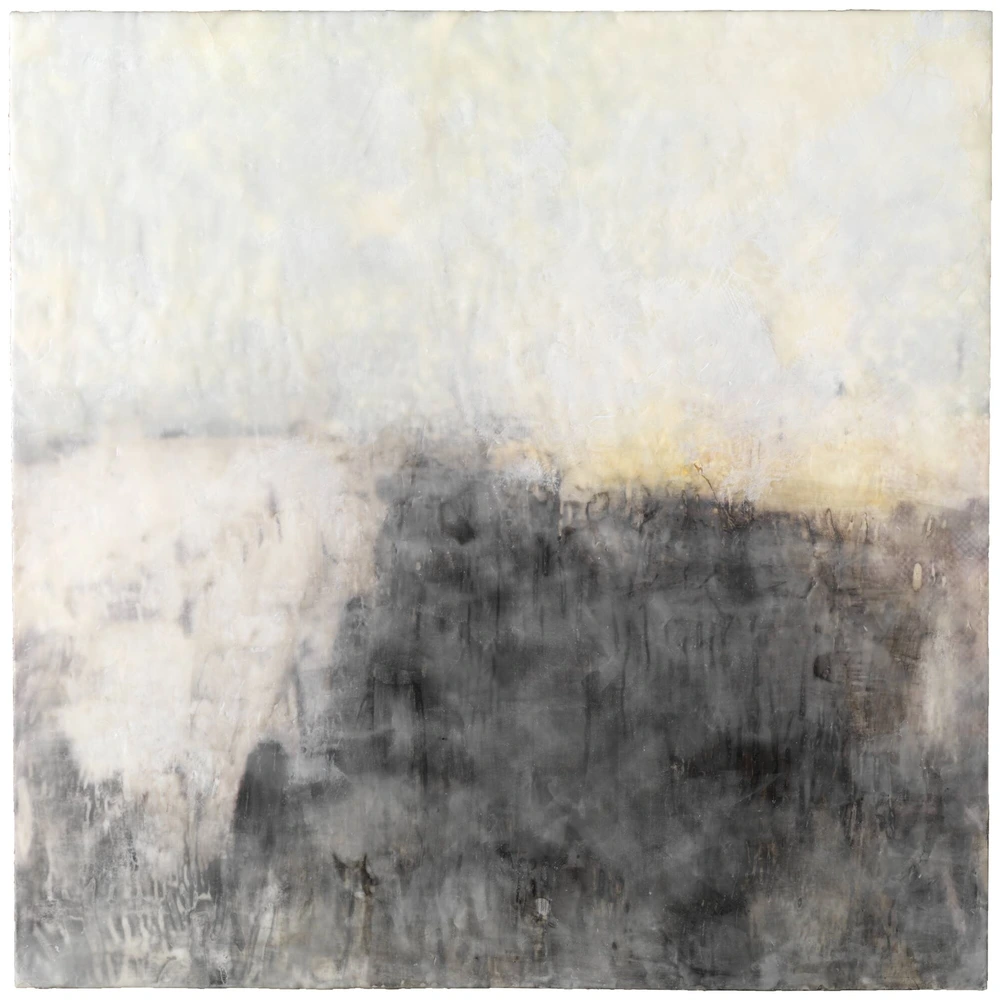
Aisle Gallery on the third floor at 424 Findlay has a reputation for presenting high quality exhibits of local artists’ work. Spaces such as Aisle and Semantics in adjacent Brighton represent the kind of quirky but serious spaces that fuel vibrant art communities. Aisle has been absent on the scene for a few years. That’s partially why I was excited to see the work of Kim Flora, Mike Hancock, and Bill Renschler.
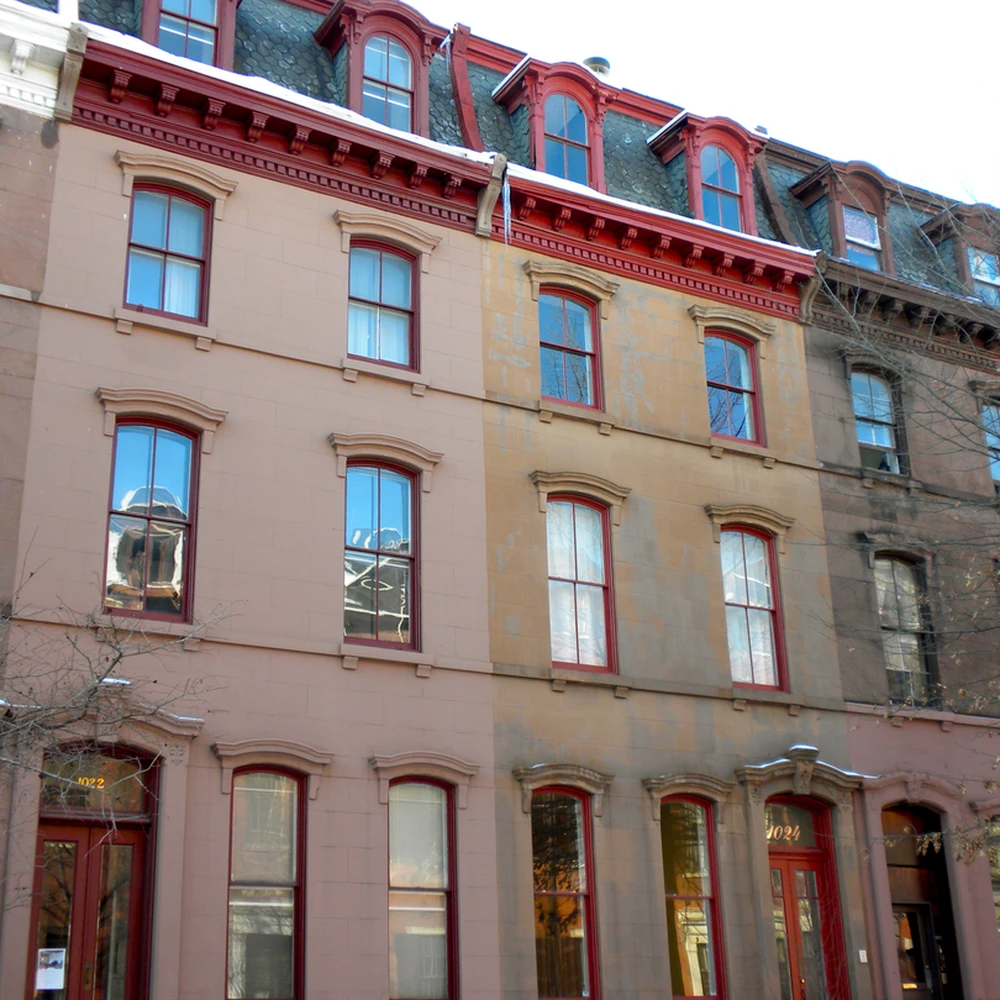
Four poems by Huck Fairman, published in AEQAI in May 2015. They move from the brick streets of a city in winter to a stone chapel, a forest road in autumn and old letters, and ask what we keep of the selves we were.
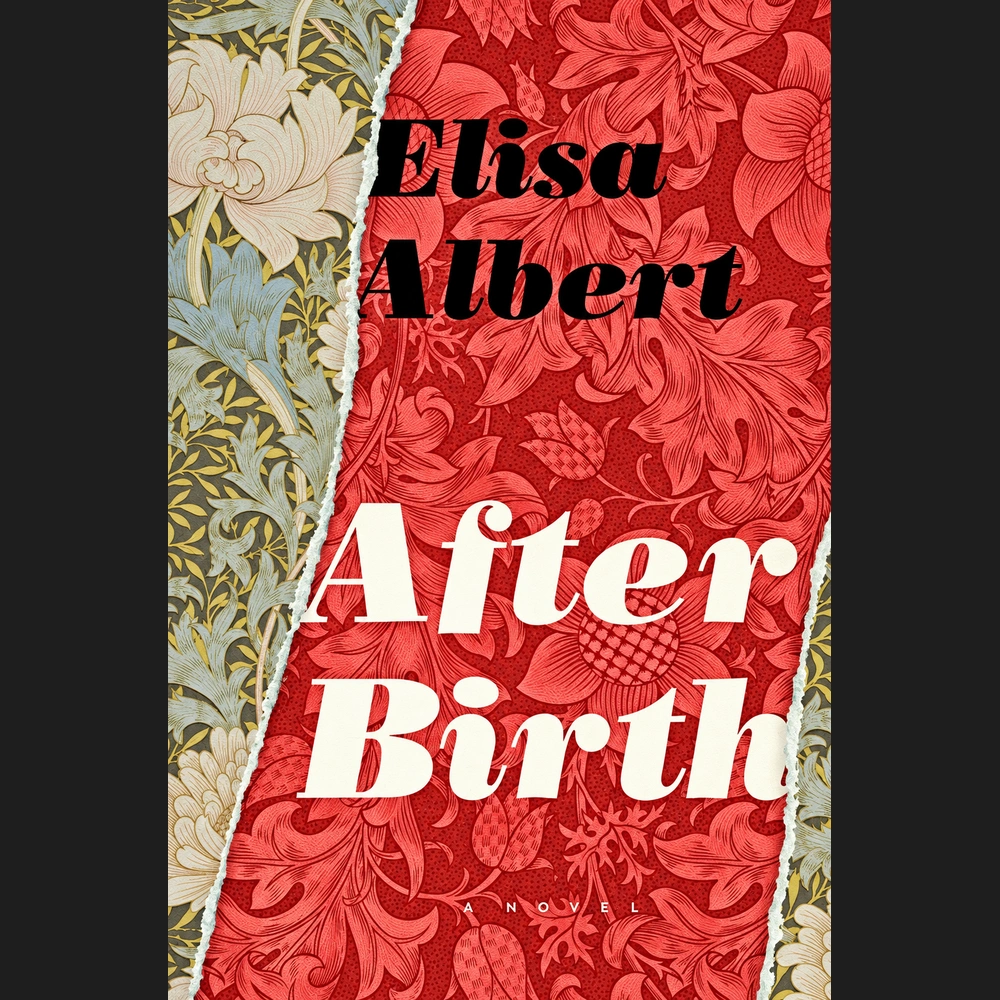
I am ongoingly impressed and reassured by the very high quality of fiction written by younger generations of writers, both American and internationally, from countries including England,Japan, Kenya, Nigeria, Australia Afghanistan, India, amongst others. In spite of all the digital hoo haa that we hear every day, legions of younger fiction (and non-fiction) writers still long to have their work out in print, in books.
Page 53 of 162 · articles 625–636 of 1,942
