1,942 reviews and essays published in ÆQAI between 2010 and 2017. Each bar is a month and its height shows how many articles it holds: choose one, browse the pages below, or meet the authors.
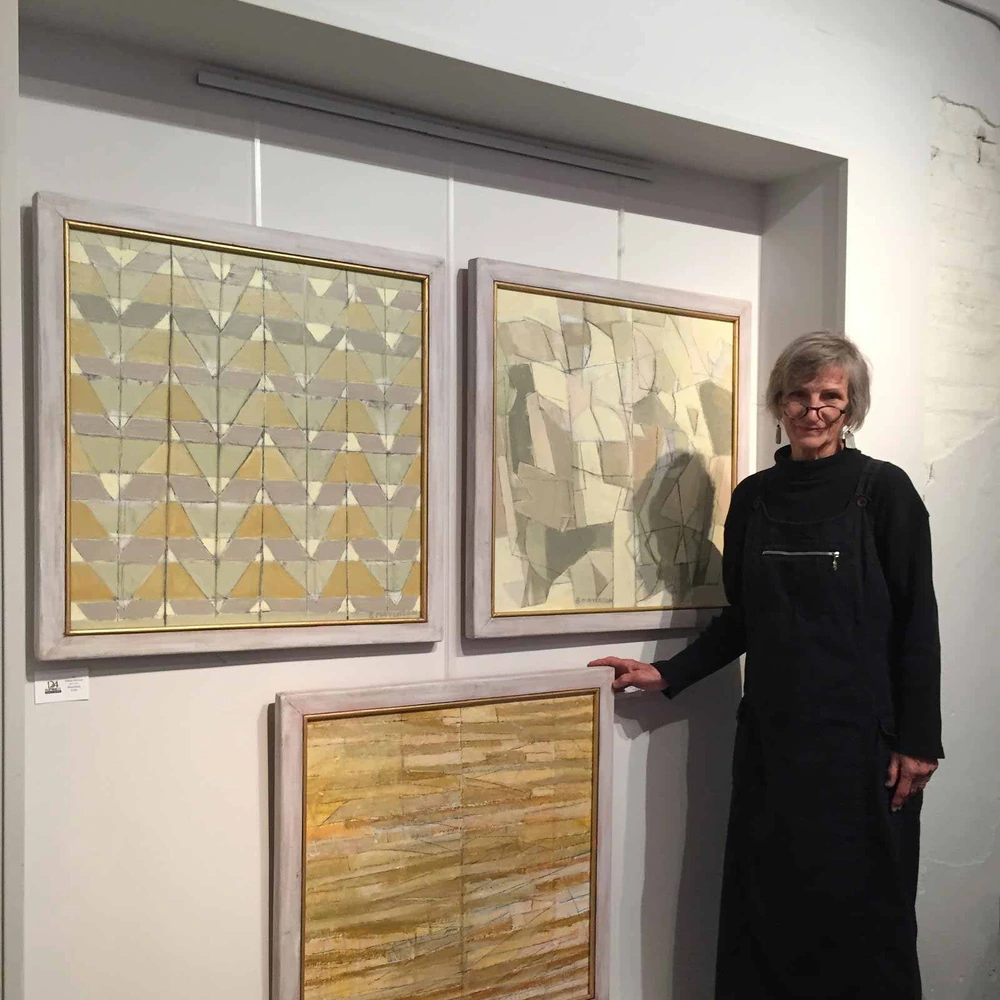
Named after its street location, a new gallery called 124 W. Pike St. opened September 15 in Covington in Duveneck Square, listed as an Historic District by the National Register. Curated by long-time artist and gallerist Suzanna Terrill, the gallery currently features abstract paintings by Barbara Mayerson, a modern artist originally from Dayton, with work by her husband, Jeff Sutherland, a sculptor.

There’s been a huge amount of positive, excited build-up towards the publication of “My Absolute Darling”, a new novel by a new writer, Gabriel Tallent (who is aptly named). One often is concerned by marketing hype these days, as there’s so much of it, and the product rarely lives up to its advance billing.
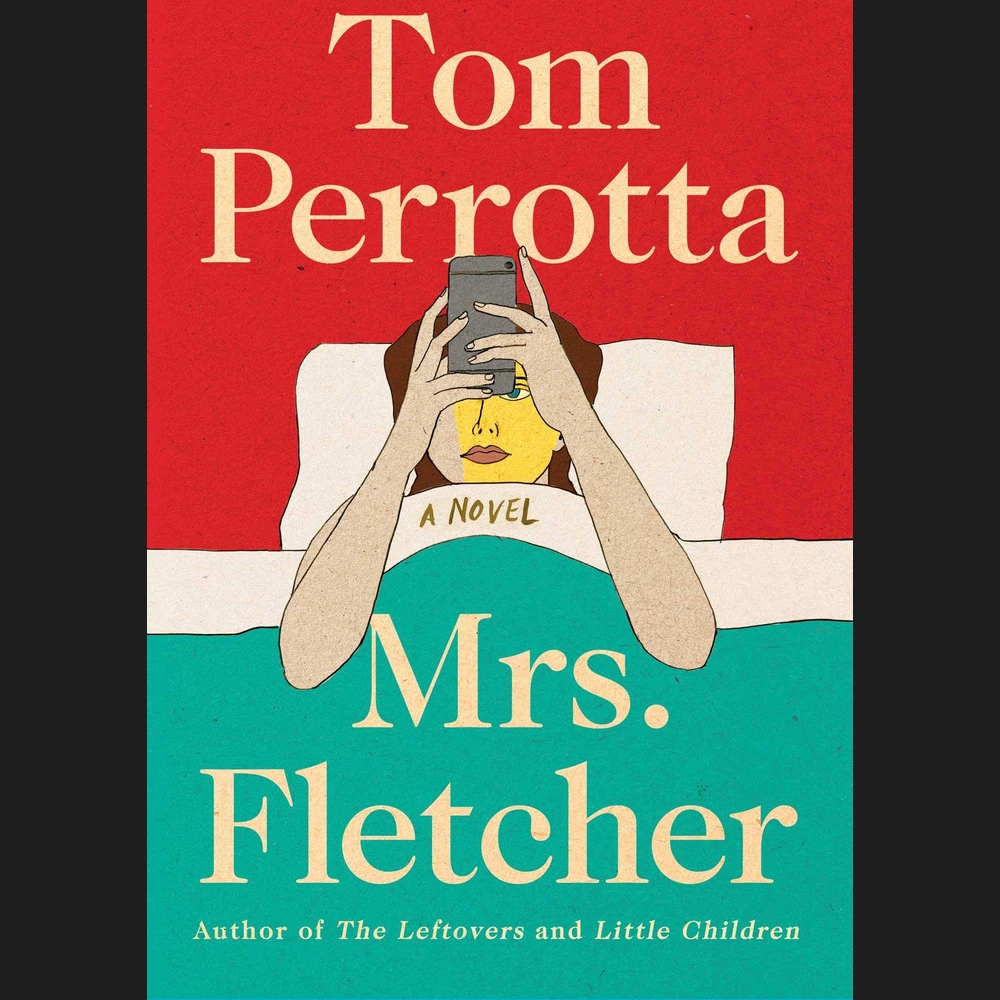
Perrotta has studied and learned Gender Studies, which is part of what makes Mrs. Fletcher, the novel in question, so successful and so very contemporary. Mrs. Fletcher, or Eve, is a woman in her mid-forties, divorced, living with her galumphing oaf of a son, the classic jock/drinking boor so familiar to Americans from the fifties to the recent past.
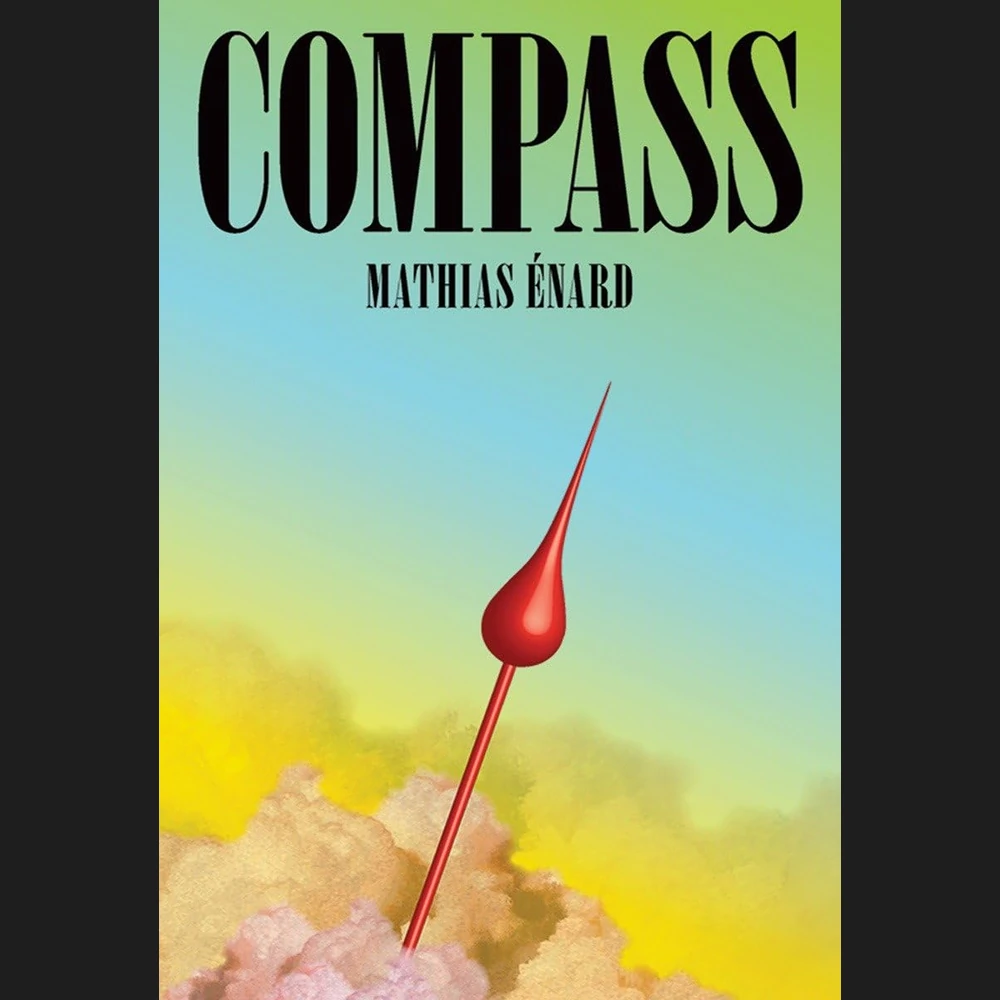
Compass, a long and erudite novel by Mathias Enard, is the surprise novel of the summer.

Laura A. Hobson, owner, Hobson Mosaic, received a first place award for best feature writing in the freelance category for a story about the Civic Garden Center in Aeqai. Hobson also received a best feature writing second place for her work in Hyde Park Living.
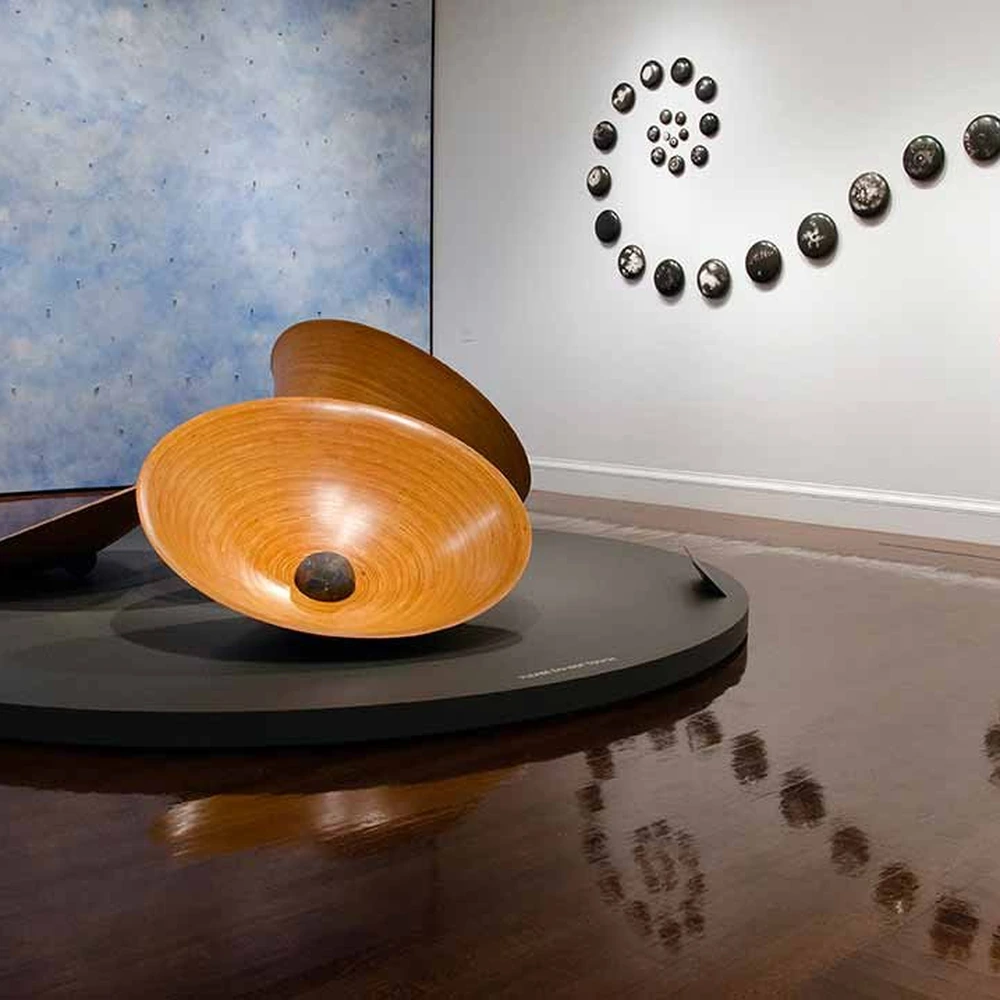
Clay is, essentially, dirt, or, to be more poetic, earth. Many artists use clay metaphorically, including Ana England. However, she takes her material to a higher level, using it to represent the cosmos as well. England is an accomplished ceramist.

Despite Southern California’s large Hispanic population, Latin American art is seldom shown. Aside from some museums’ pre-Columbian sections and paintings by well-known artists like Frida Kahlo and Diego Rivera, the Americas south of ours might as well be unconnected to our landmass, perhaps on the opposite hemisphere. As of this month, all this has changed, at least temporarily.

When you walk into HudsonJones Gallery, at first glance it might appear bare. The one room gallery is flooded with light, flanked with beautiful red brick and accented with sleek light wood. It is a beautiful space – contemporary while highlighting its industrial bones. Throughout the center of the room stand three walls and nothing else. You might ask yourself if you have caught the gallery in between shows.

Just prior to the great solar eclipse which traversed our country a few weeks ago, I attended the opening of a show at the Kennedy Heights Arts Center entitled Edge of Perception featuring the latest work by Pleasant Ridge based artists Mallory Feltz and Emily Bruns.
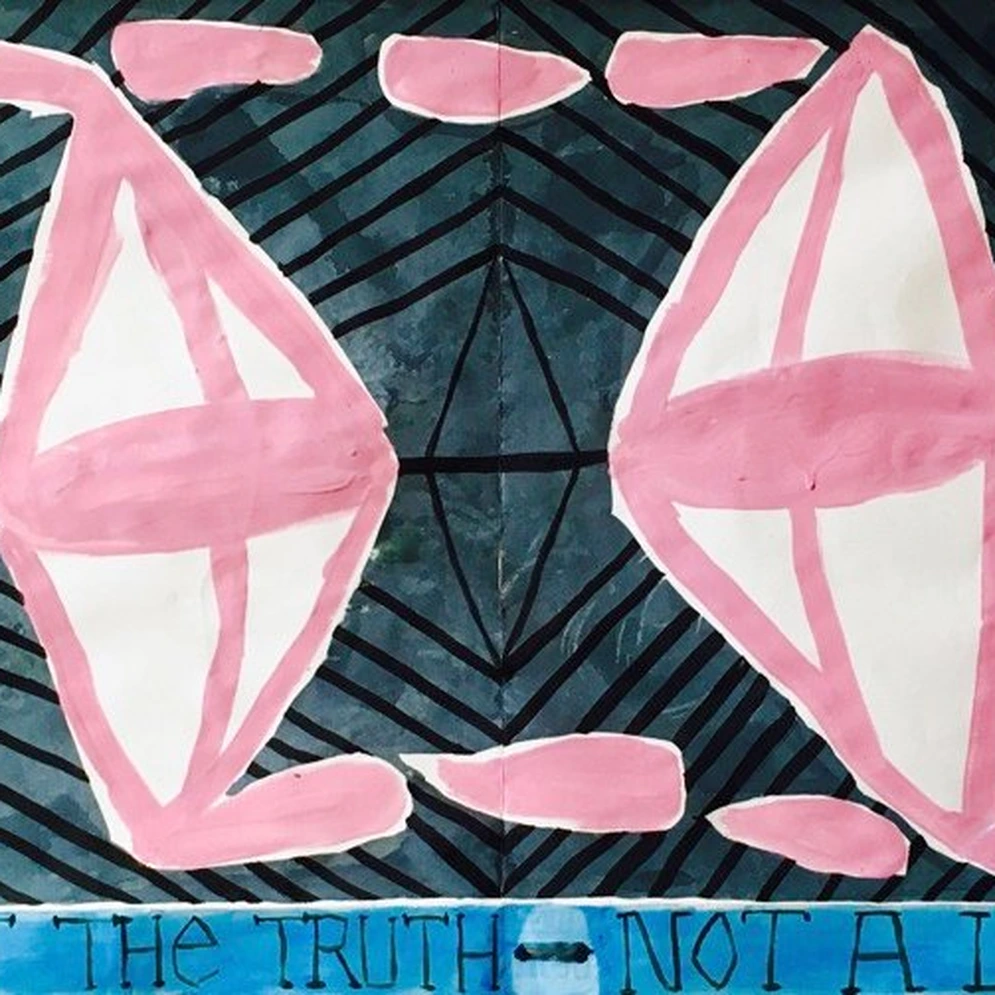
Like most of the country, I watched in shock and horror as white supremacists swarmed the city of Charlottesville in a menacing rally of racist anger and hatred. The violence they ignited ultimately reached a deadly turning point when a neo-Nazi plowed his car into a crowd of anti-white supremacist protesters, killing Heather Heyer. It was soon reported that the driver was from Ohio.

On September 12, 1940 four French boys stumbled into a complex network of caves in southwestern France. Their discovery of innumerable Paleolithic cave paintings dating to 17-15,000 BCE (Figure 1) soon led to excavations of the Lascaux cave system and in turn significantly altered scholars’ conceptions of human development.

Summer 2017 may very well be one of the most important art seasons in recent memory. In the wake of political turmoil and the record sale of a Basquiat for $110.5 million at auction, the art fairs of Europe aligned to create a Grand Tour for contemporary art devotees around the world at a moment where contemporary art is alternately as political as ever and as commodified as possible.
Page 9 of 162 · articles 97–108 of 1,942
