1,942 reviews and essays published in ÆQAI between 2010 and 2017. Each bar is a month and its height shows how many articles it holds: choose one, browse the pages below, or meet the authors.

Even though the computer ate gallery owner Marta Hewett’s “What Is Contemporary Art?” essay for aeqai, it set her to thinking about the question. (For how other citizens of the art world answered that question, see the September issue.) Once on this path, Hewett came up with the most expansive response possible: contemporary art is art that is being made today by living artists.

Some exhibitions are big, but lackluster. Others are small, but juicy. Happily, the latter is the case with the Cincinnati Art Museum’s What’s New: Fashion and Contemporary Craft.
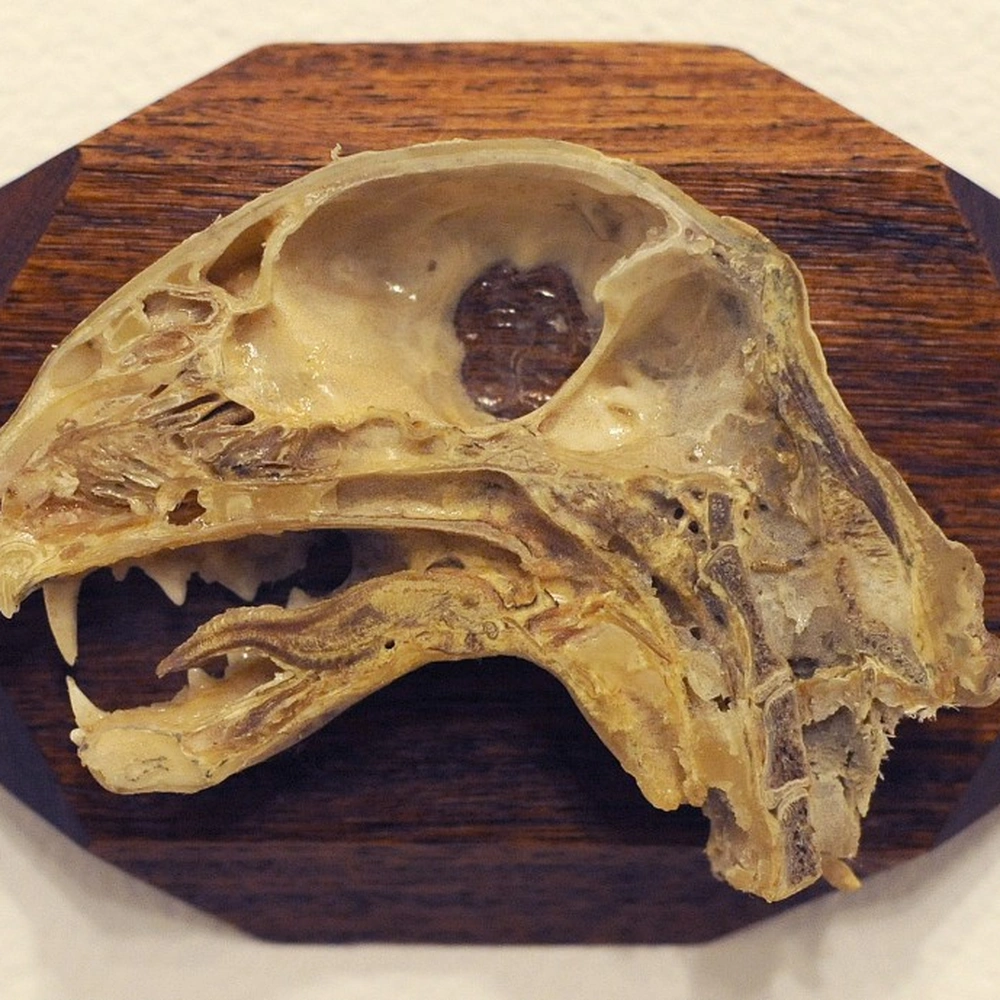
Science is fertile ground for mystery. Neo-Platonic notions of the fertility of the soil; animal magic; the cooperation of the tribe; the numinous atmosphere; the ungraspable vastness of the universe; infinity; the void. Our best scientists are by necessity also poets and artists. In the end, are the three really different?

“Telling Tales” at the Taft makes its case for American art the hard way. This excellent loan exhibit from the New-York Historical Society surveys American painting with very few of the go-to works or crowd pleasers that might make it an easy sell. There are no works by the early limners and no delightfully enigmatic folk pieces. There are hardly any pure portraits, either flashy or stern.

It was a rainy April afternoon in 2006 when for the first time, I was challenged with the question does activist art really effect change. Sitting in a Contemporary Art and Theory class, a battle of wits ensued as one argument was made in favor or against. To me the question seemed easy; yes, artists or anyone for that matter could be a catalyst for change.

A docent was giving a tour of “Matisse: A Life in Color” at the Indianapolis Museum of Art when I was strolling through. I overheard her say, “Matisse didn’t have any social causes in his work. He didn’t want his art to be weighted down with those kinds of messages. He wanted to please people with his art.”

Columbus Ohio’s favorite son of the art world, George Wesley Bellows (1881-1925), has returned to his hometown museum, the Columbus Museum of Art, for a compact but enjoyable and educational show. Bellows was, and is, a titan of American early 20th century art. The Museum is renowned for the Howald Collection of American Art, and Bellows may be a cornerstone of that collection.

I was able to visit Ana England and Steven Finke’s Imminence with my colleague, Bob Wallace, and I returned a week later with my husband and son. I felt particularly drawn to Steven’s side of the exhibit, since it relates to much of my recent work as a poet.
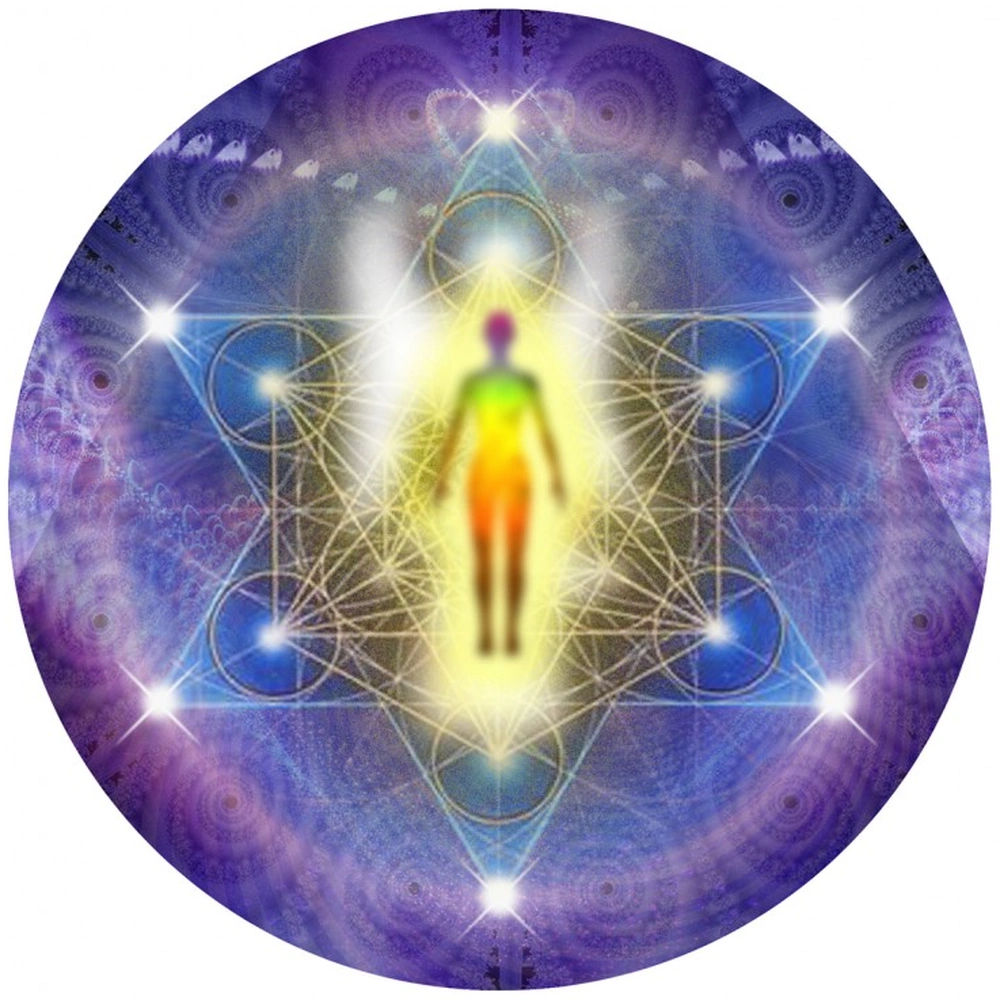
Artist, curator, and Professor Emeritus of the Art Academy of Cincinnati, Gary Gaffney invited 26 artists, working in a variety of media, to visually express their understanding of the subject of angels “giving them personal freedom in tackling the exhibit’s theme”. These works were subsequently presented within the Rotunda and Duveneck Gallery of The Carnegie.

It was a typical Friday night. Immediately after dinner I was going to drive into Cincinnati over the Big Mac Bridge, check out the show at the Weston Gallery near the Aronoff, drop in at Hewett Gallery near the Pendleton, and then head up to the Bow-Tie Café on Mt. Adams to hear some favorite students read their poetry. The evening turned out differently than I had planned.

Steven Matijcio is heading into his fifth month as new curator at the The Contemporary Arts Center (CAC)-one of the nation’s oldest and most celebrated contemporary art institutions.
In a field full of impossible queries and infinite philosophical musings, there is no doubt that the question of what is contemporary art? has, and will continue to take up countless hours of discussion in classrooms, lecture halls, panel bureaus and book pages.
Page 96 of 162 · articles 1,141–1,152 of 1,942
