1,942 reviews and essays published in ÆQAI between 2010 and 2017. Each bar is a month and its height shows how many articles it holds: choose one, browse the pages below, or meet the authors.

A TAIL OF BINARY CITIES, Cincinnati ? Once upon a dirty old rinds-end of Ourtown, a strange and withered fruit grew from a twisted avenue Vine.

Though the show is titled “Wild About Wildflowers,” the Lloyd’s current show is constrained in many ways. It is a truly small exhibit, taking up little more than a half dozen standing cases, though it is also an absorbing show: there was a guy who was there when I arrived still looking at things when I left.
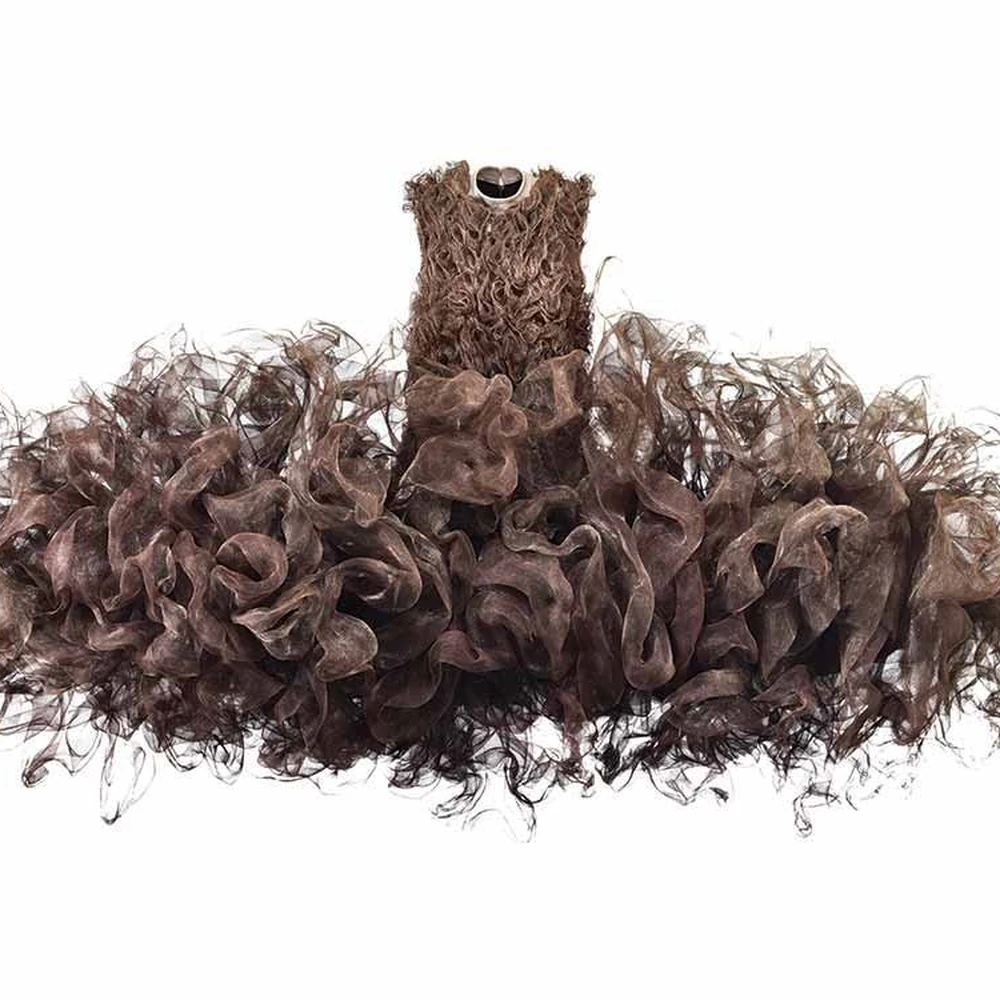
The title of the Cincinnati Art Museum’s new exhibition showcasing the work of Dutch fashion designer Iris Van Herpen is very aptly named Transforming Fashion. Van Herpen’s creations have changed the face of fashion design while redefining what it means to be a fashion designer in the 21st century. The exhibit itself has left this author transformed.

Paul Mpagi Sepuya was born in San Bernardino, California in 1982. He currently lives and works in Los Angeles. Sepuya is known for his extensive photographs of domesticated scenes of friends, fellow artists, and lovers. His photographs vary anywhere from portraiture and figure studies to photographs of collaged elements from previous studies that have been installed and collaged within his studio and then photographed.
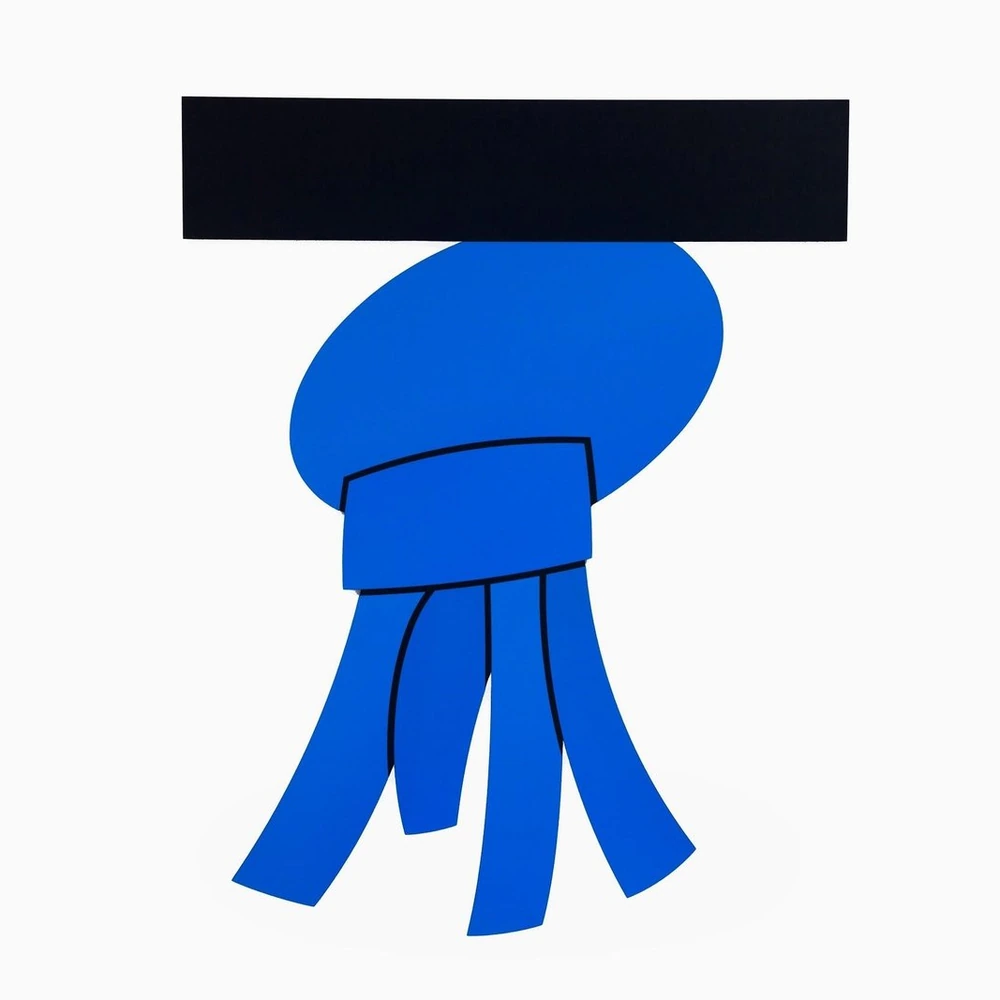
The Museum of Northwest Art (MoNA) is showing a retrospective of Mel Katz’ work dating back to 1966. Concurrently at Russo Lee Gallery, more recent work by Katz is on display. The museum show includes a video and drawings that show traces of erasure, as well as more three-dimensional works, providing an avenue to understand the flat panels on the walls of the gallery.

In case you haven’t noticed, figurative painting is alive and well and the absorbing interest of any number of young artists. Two such artists are recipients of the 2017/18 Manifest Artist Residency award and are currently established in their respective studios at the Cincinnati gallery. We talked with each of them for this issue of Aeqai, and found them busy, productive and pleased to be at work in that atmosphere.

Situated at the southwest corner of Elm and 12th Streets on the recently renovated Washington Park, the Cincinnati Shakespeare Company’s new Otto M. Budig Theater is another important cultural/performing arts addition to the renaissance of Over-the-Rhine.
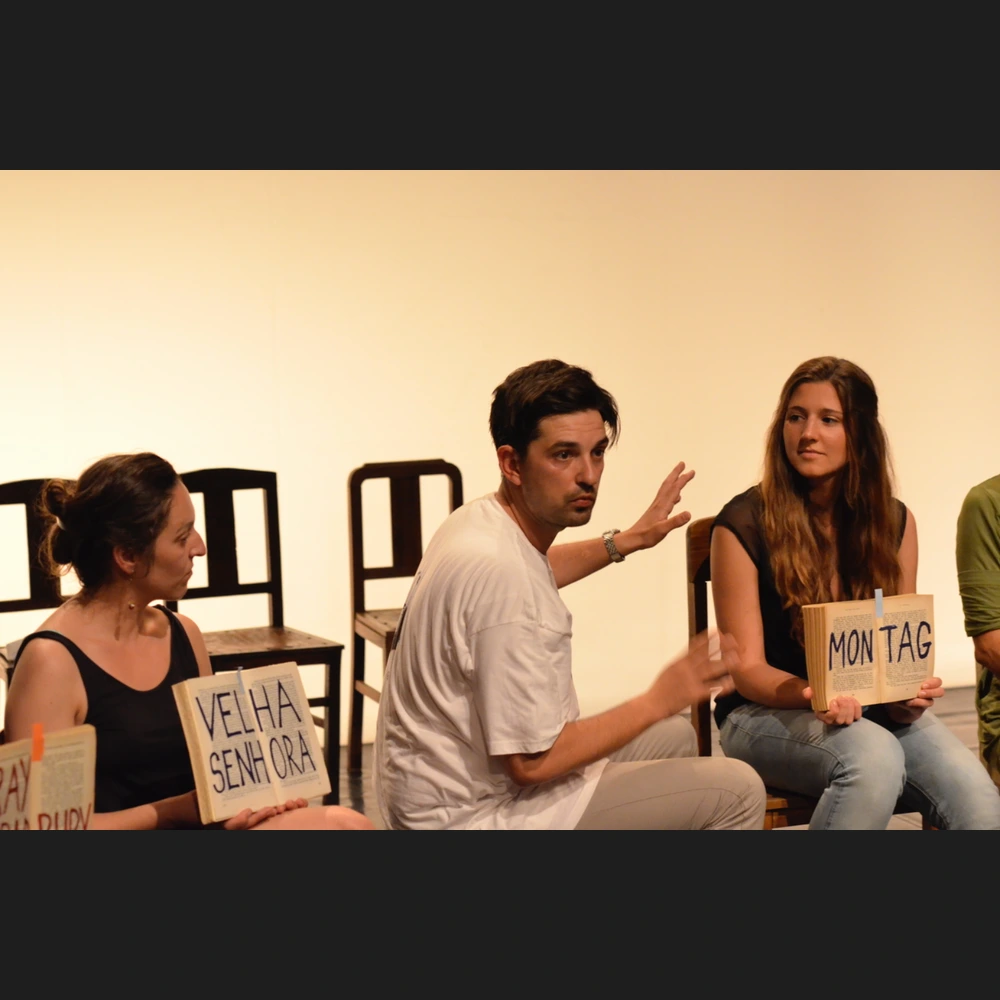
Tiago Rodrigues sits on a stool in the center of the stage. He has five chairs arranged on either side of him. Flipping through a book, he casually glances up as the audience shuffles in. They settle and he looks up at the staff to confirm it is time to start the show. He is wearing jeans, sneakers and a white t-shirt. He is casual and approachable.
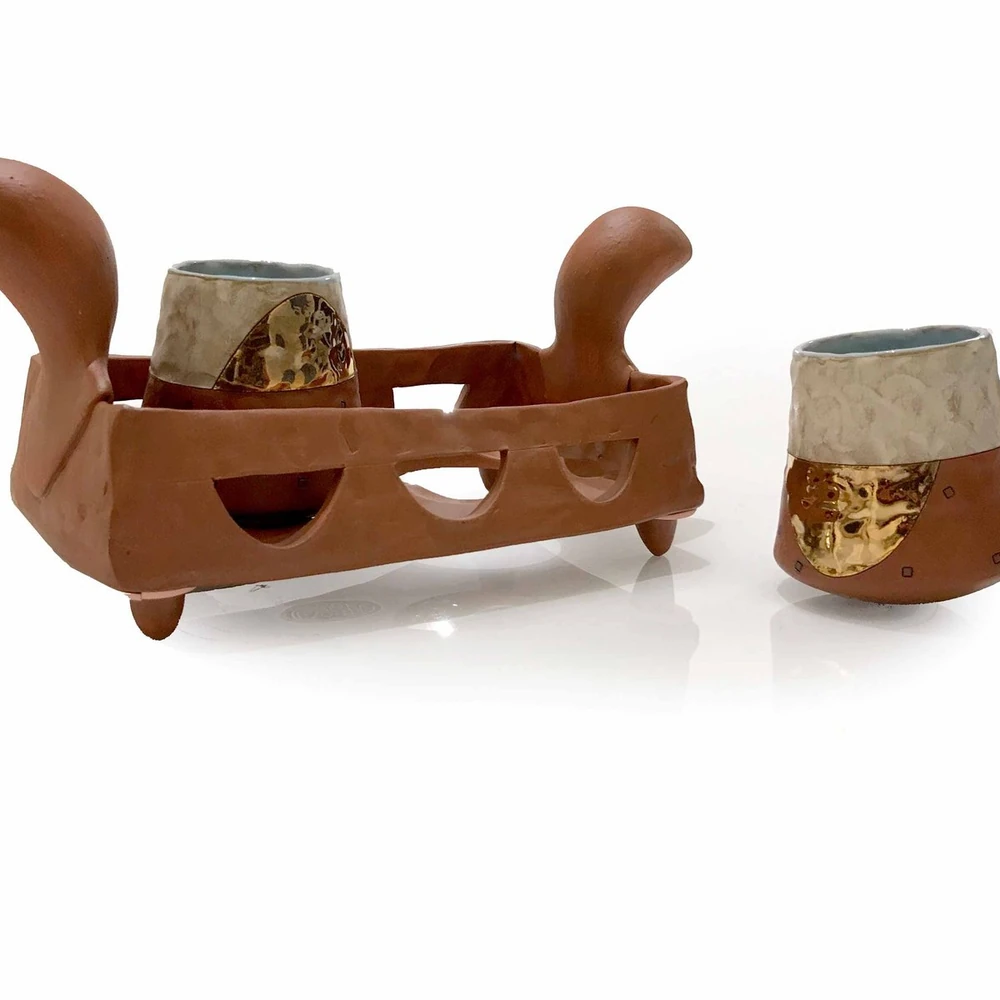
The three artists in this elegantly mounted show at the YWCA Women’s Art Gallery produce powerful effects on a small scale. The visual appeal of their work results from the details they apply to each piece with meticulous care. However, the natural, at times rough-hewn, manner in which they approach color, shape, and texture gives their monotypes and ceramics their real strength.
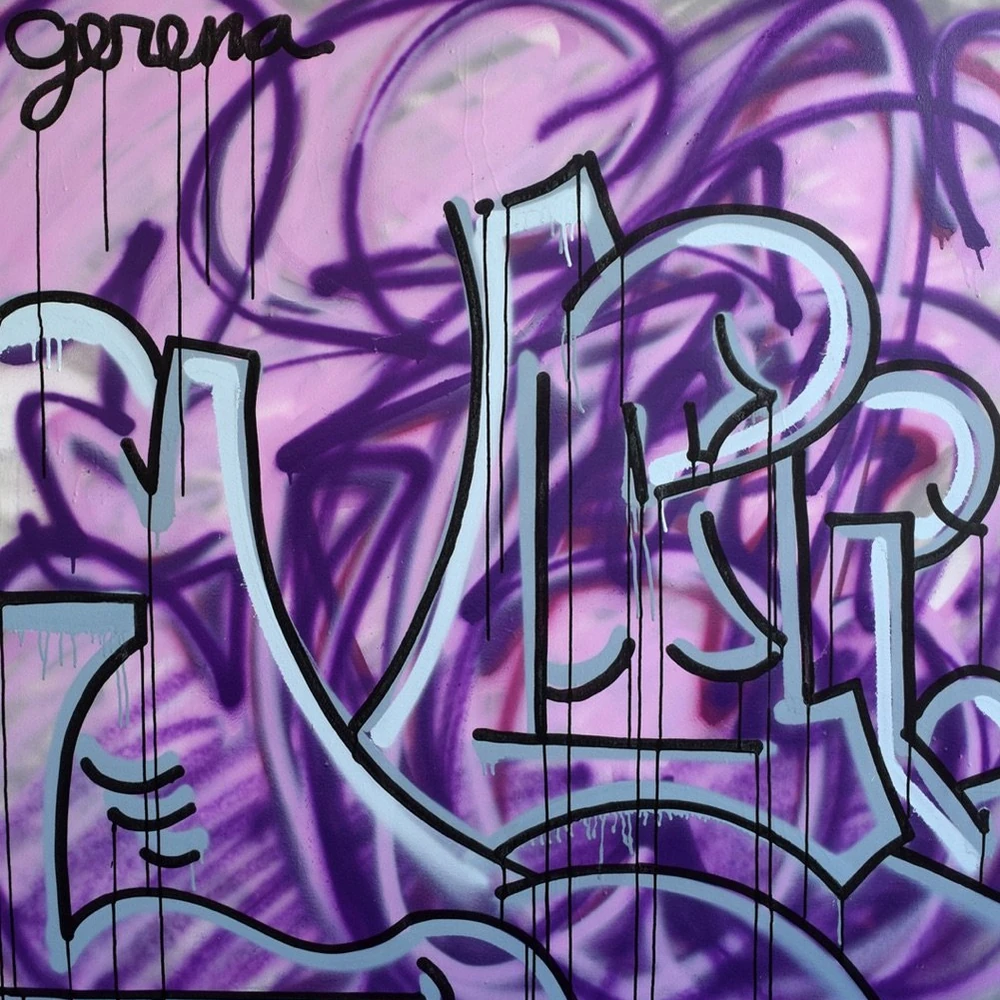
David Gerena’s show, History Of Graffiti Pt 1, is displayed now at Cincinnati Art Underground in Cincinnati’s Over-the-Rhine neighborhood. It chronicles his early work in street art and graffiti through his current oil on canvas works in a style he terms figurative graffiti.

As a preface, I’m writing this piece whilst questioning my intent in writing it. This exhibition had some serious flaws. On one hand, Expectations was presented like a body of student work, t-pinned artist statements printed on printer paper and all; and the gallery wasn’t big enough for two collections of work, let alone two collections that didn’t speak to each other.
Lullabies in my head humming while by myself while you’re upstairs in your magic suit two sizes too big for you I know you’ll grow into it.
Page 5 of 162 · articles 49–60 of 1,942
