1,942 reviews and essays published in ÆQAI between 2010 and 2017. Each bar is a month and its height shows how many articles it holds: choose one, browse the pages below, or meet the authors.
Charles Woodman is a multifaceted new media artist, whose work spans the semblance of public art forums, temporal installations, documentary modes, and multi-channel projections.

The title of the National Gallery of Art’s exhibition “Posing for the Camera” is a bit of a misnomer since quite a number of the 70-some photographs feature people caught unawares, not posing. But I don’t want to quibble over nomenclature, especially since several of my favorite photos are anything but posed. When an image could be projected onto a light-sensitive ground and fixed, marked the moment photography was born.
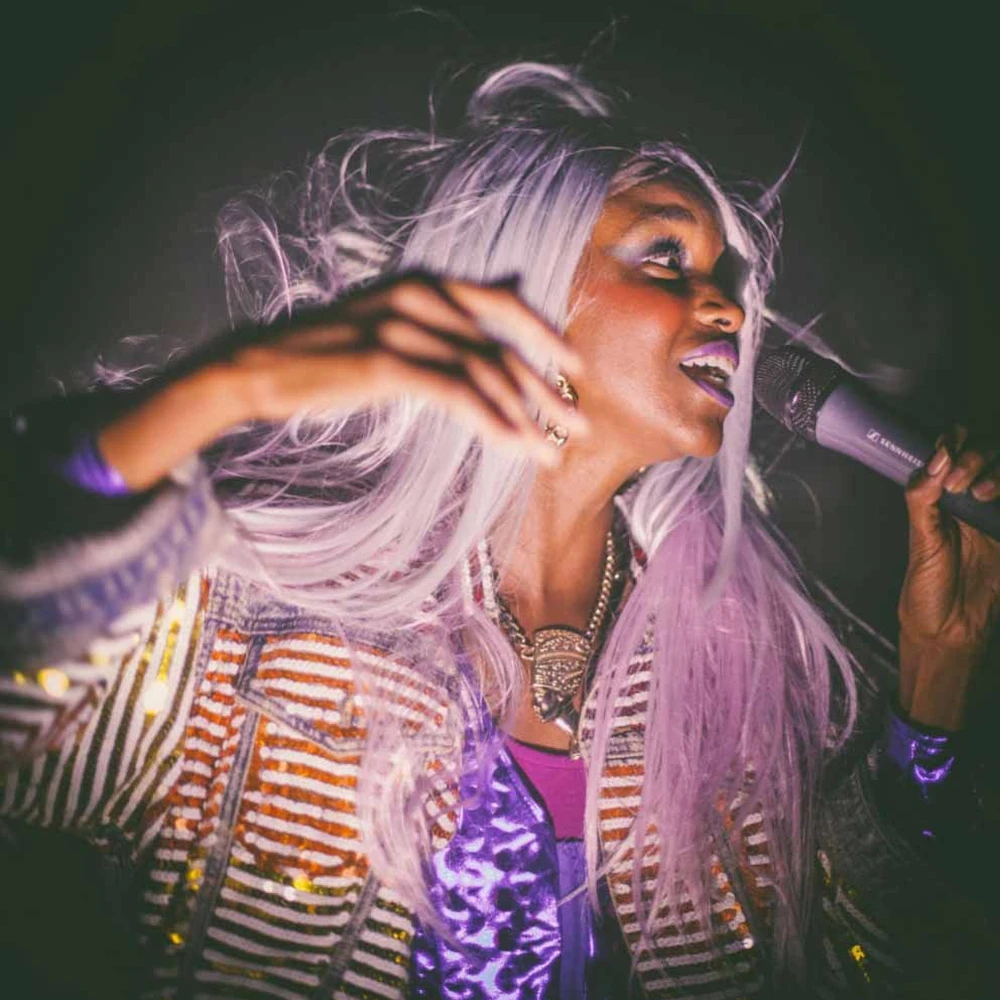
Grab a drink. Come in, enjoy the music. The lights are low but the energy is high. The DJ is playing ‘Hot in Herre’ by Nelly. You haven’t heard it in years. People are dancing and the air is getting heavy. Colored strobes make patterns across the walls and illuminate pockets of moving bodies. Just a little bit of, uh uh, and a little bit of, uh uh.

People often think of miniatures as little more than dollhouses. They can be a fresh and contemporary way to look at the world and have moved away from the purview of the artisan or craftsman into the fine arts. Robert Off, a local miniaturist, turned to miniature boxes when he retired from the real estate business 12 years ago and became fascinated by the creative process. He learned about miniaturism when he was a child.

Even as the US federal government renounces Obama-era efforts to improve relations with Cuba, the Art Academy of Cincinnati is displaying the results of several years of artistic collaboration between the two countries.
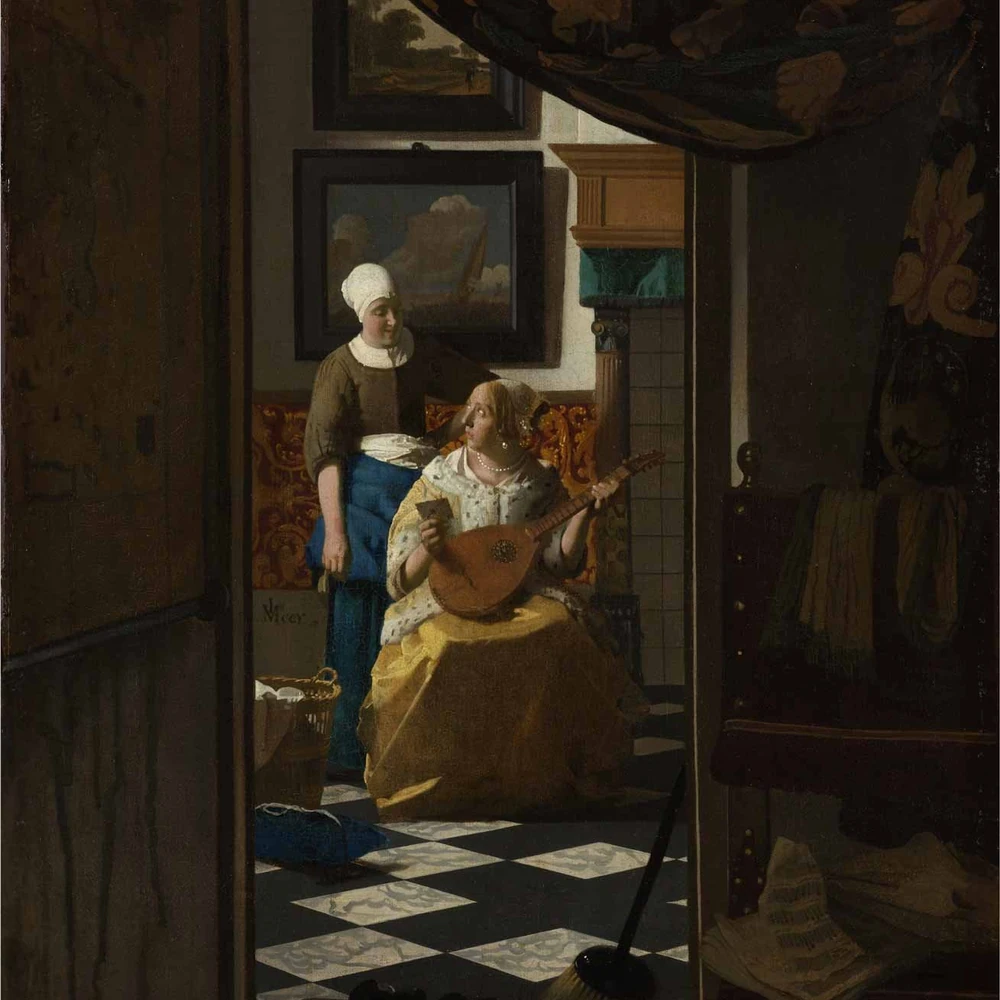
I think one of the appeals of 17th-century Dutch genre painting is that the narratives they present are familiar to us. Lutes may be in short supply today, but guitars and other stringed instruments abound. Women still fuss at their toilette. Today we read emails on our phones, instead of having the tactile experience of holding a sheet of paper. But human nature hasn’t changed that much.

As you walk into Caza Sikes in Oakley to see the ambitious mini-retrospective of Cole Carothers’s paintings, you are greeted by a large scale self-portrait called “Livestrong” (2005). In it, he is standing in what for many of his paintings is his home away from home, the corner of his studio. It is brashly hung—it is the work of his you’re likely to see first on your way in—and yet it’s also unprepossessing, almost shy.

I get cynical about politically inspired art much of the time. Such art is often self-serving (great way for an artist to get a solo show in our hyper-correct gallery and museum environments.) Or simply, it is handy for an artist to use the rhetoric of displaced persons/the environment/politics of race-gender-class and so on. Sounds good even if the artist never gets his or her hands dirty.
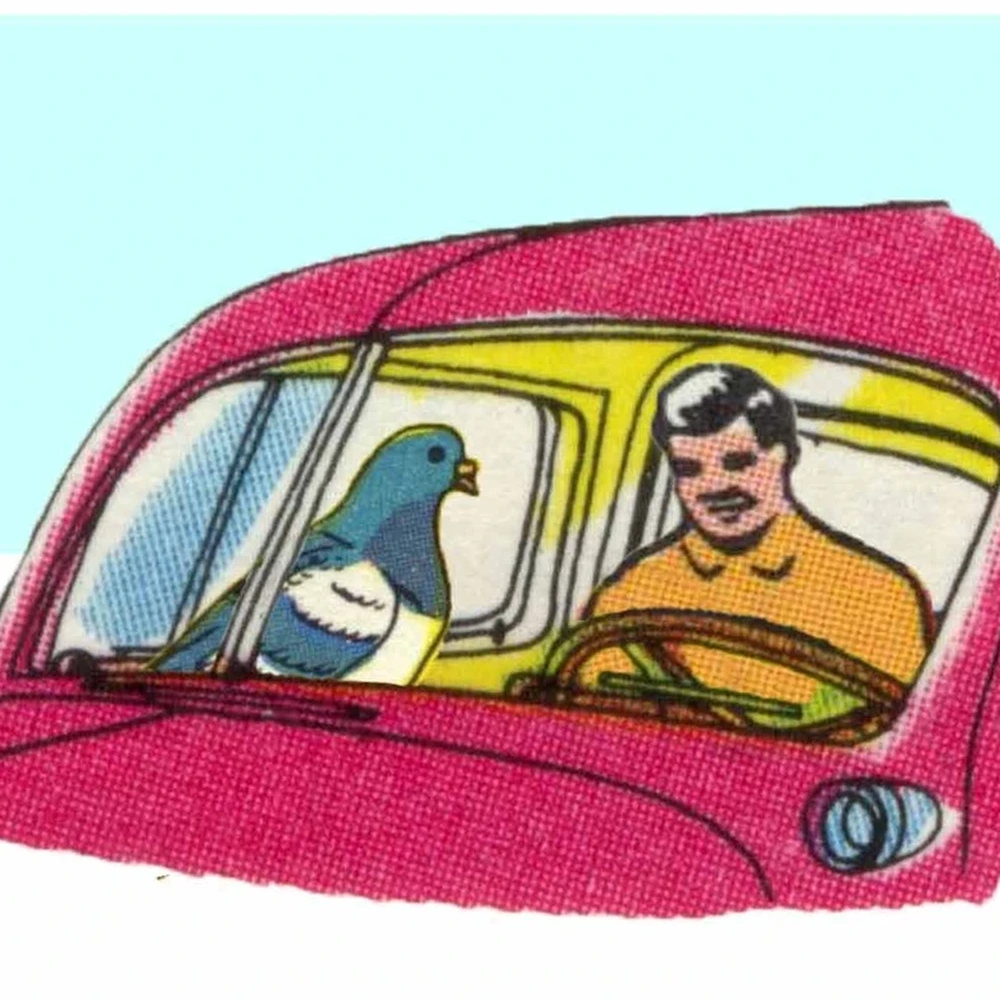
Whether appearing in pictorial narratives of the hunt or anthropomorphic representations of cultural traditions, the iconography of the nonhuman animal stalks the pathways of human epistemology. Wave Pool Gallery’s Animal Magnetism alludes powerfully to that history, not as a culminating insight but as the backdrop against which to make more subversive arguments.

Art fairs, biennials, and public art festivals, on the rise since the 1990s, define much of the post-1989 international art world. From Venice to New Orleans to Gwangju and everywhere in between, urban centers transform into art world Meccas and back again all over the globe, creating a map of flickering lights and a web of traveling artists and curators.

In the Music Room at the Taft, all of the paintings are grand. A few are truly monumental. In the Taft’s Sinton Room right now is an exhibition of another sort of painting, eight of them in all, the largest dimension of which is just a hair over a foot and a half tall.

The Harriet Beecher Stowe house is located at 2950 Gilbert Ave. in Walnut Hills. The 5,000 square-foot house was completed in 1833. It is an historic house museum and cultural site focused on Stowe, author of Uncle Tom’s Cabin . The house itself reveals a rich history of 185 years of social activism and African-American history. The Cincinnati Park Board maintains the adjoining grounds.
Page 4 of 162 · articles 37–48 of 1,942
