1,942 reviews and essays published in ÆQAI between 2010 and 2017. Each bar is a month and its height shows how many articles it holds: choose one, browse the pages below, or meet the authors.
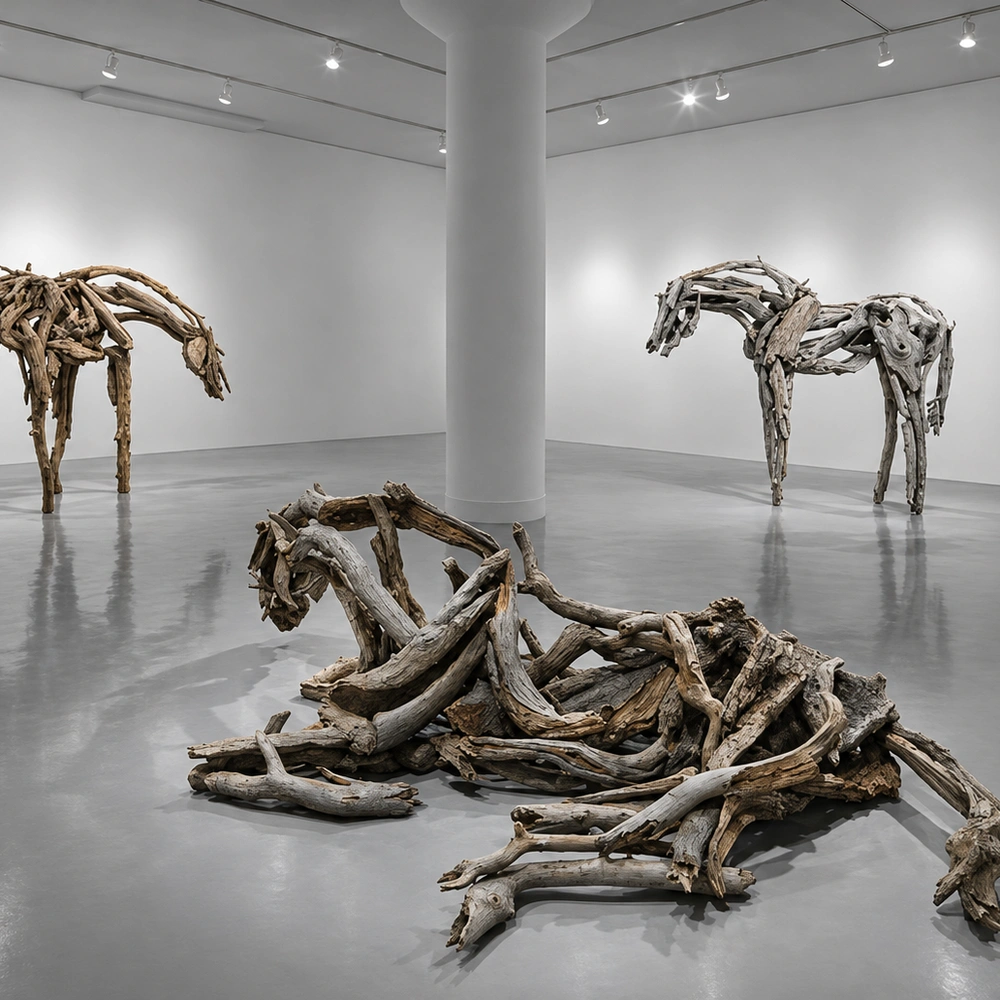
Deborah Butterfield’s sculptures are not like the sculptures of the civilized and perfectly groomed horses standing beneath important men that adorn public places. They’re just themselves, seemingly contemplating their own existence with a serenity that belies their power.
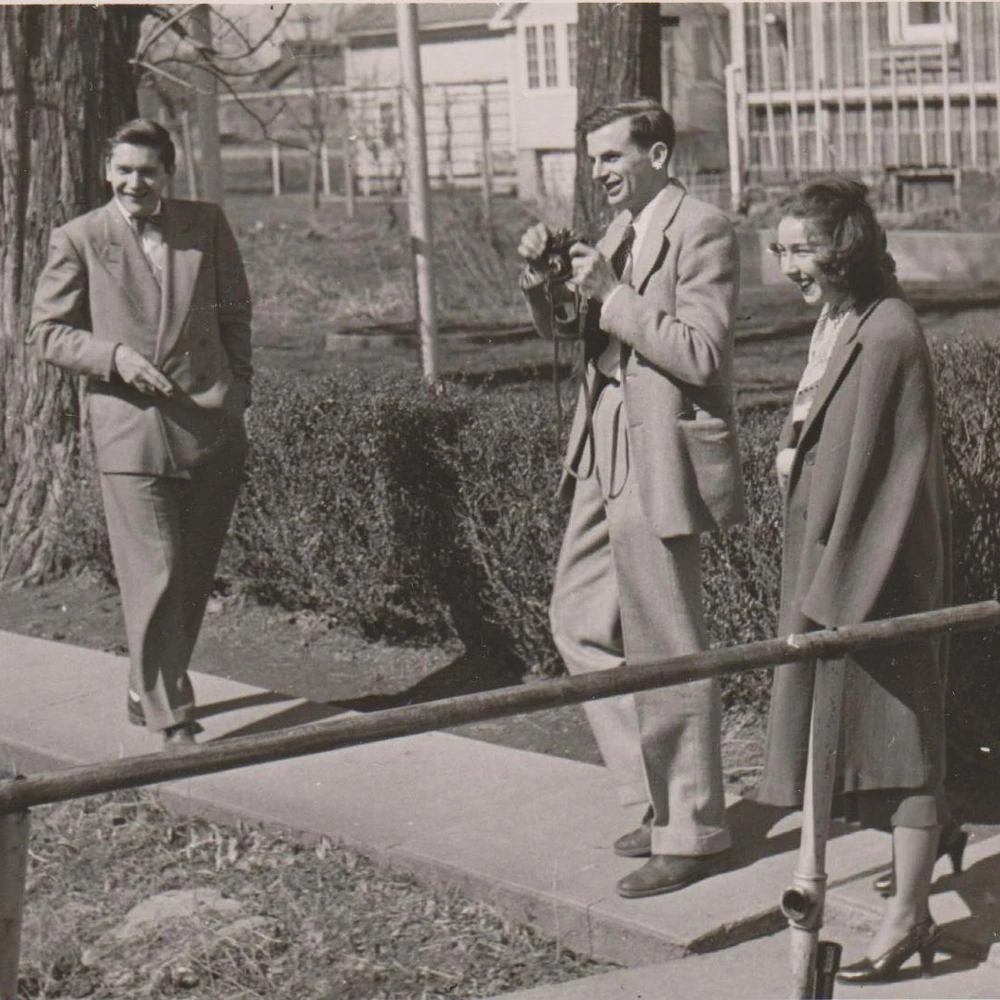
For those who are not familiar with Flannery O’Connor’s fiction—a mix of Catholicism, horror and humor: the things that dark satire is made of—Thunder-Sky, Inc., Gallery’s current exhibition, entitled, “The Meanest of Them Sparkled: Visual Artists Respond to Flannery O’Connor’s Fictional Universe,” is the place to introduce oneself to the author, both as a woman and as an artist.
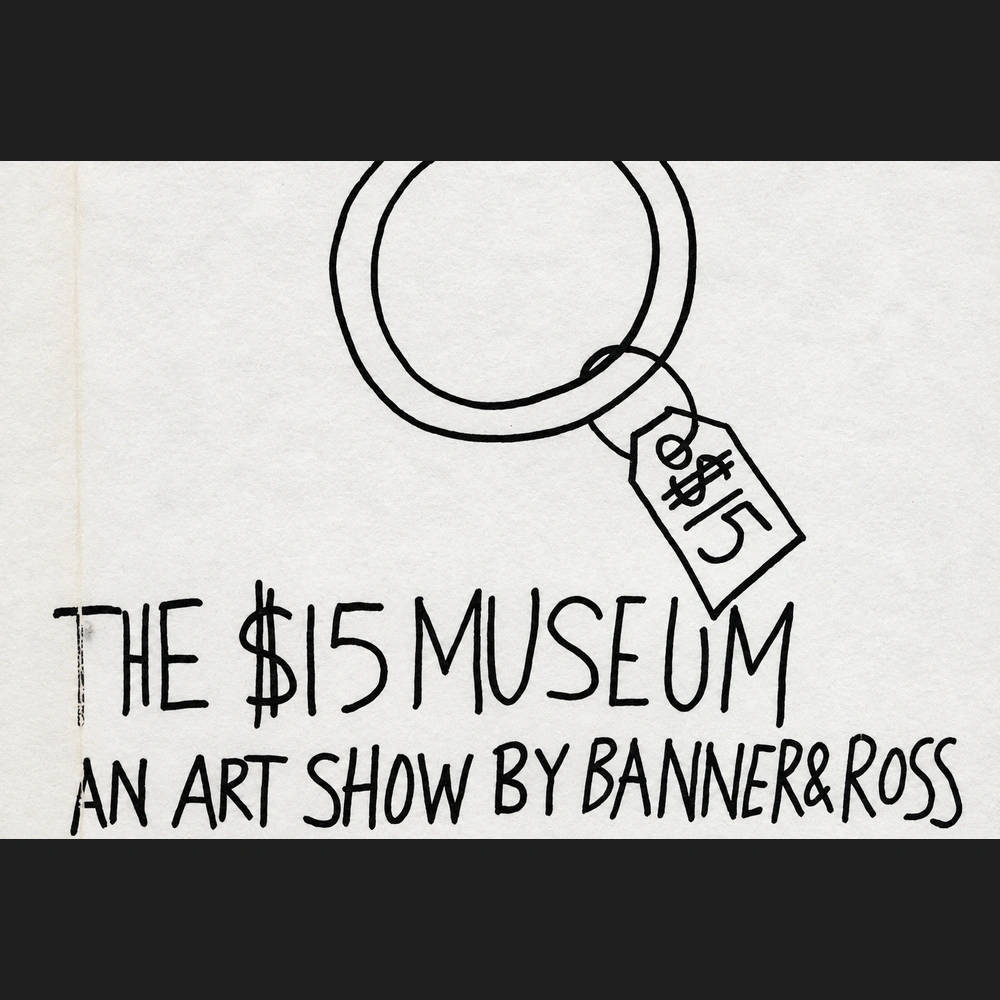
Almost 25 years ago, Bill Ross and I had our first two-person art show in Indianapolis, Indiana at 431 Gallery. We were both 24 years old. The title was “The Fifteen Dollar Museum” and was a manifesto of sorts, an accidental action plan for the rest of our lives.
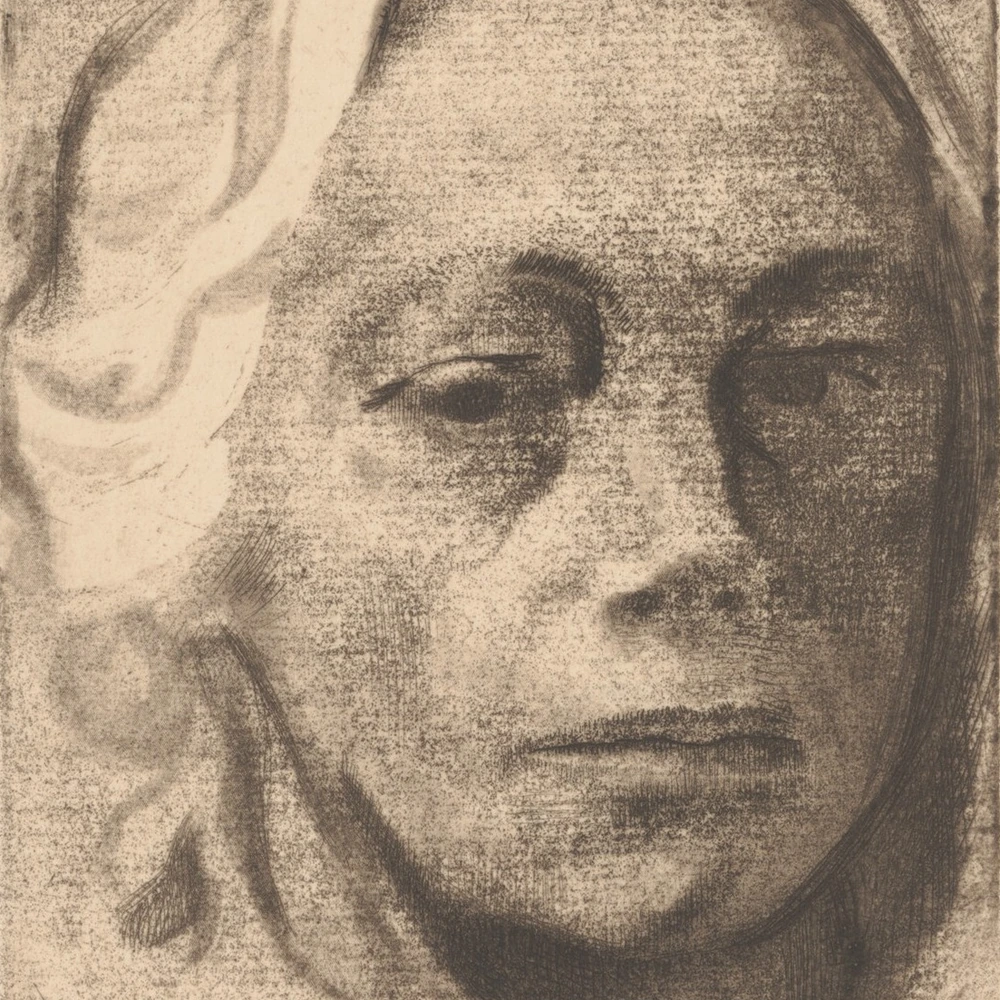
In spite of sailing scenes, landscapes, and portraits, it’s not possible to miss the sharp tang of cynicism in German Expressionism. Like all movements in art, it was initially founded on defeating the traditional bourgeois tastes of the majority.
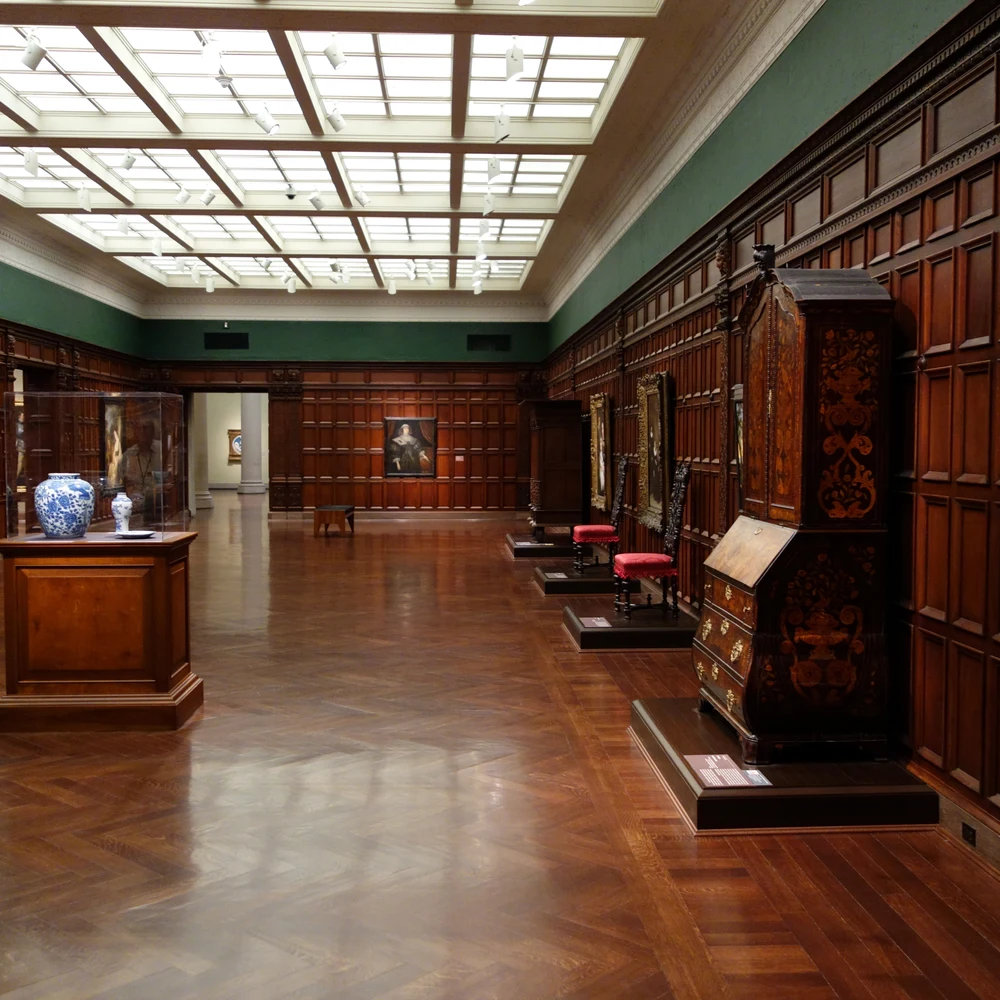
We have been hearing for several decades now that the arts have to compete with all entertainment. Since the advent of the “24/7” work schedule, wherein everyone is supposed to be available all the time, made significantly worse by the advent of technology, people who work have less and less available free time.
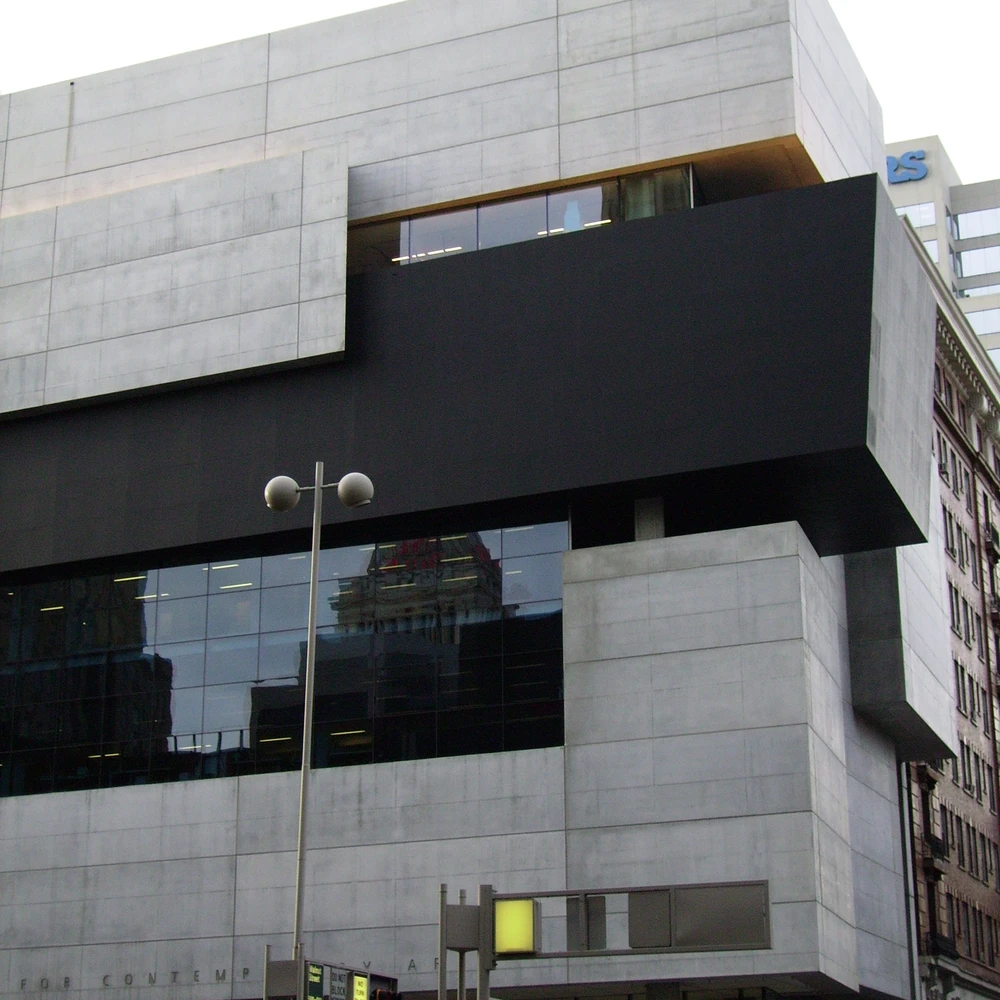
It started me collecting contemporary art. During my college years I had taken Art 101, and had also seen an exhibit in New York City, at the then Museum of Non-Objective Art, of all Kandinski’s, which opened my eyes to abstract art. In 1946, when I returned home to Cincinnati, The Cincinnati Contemporary Arts Center was already in existence.
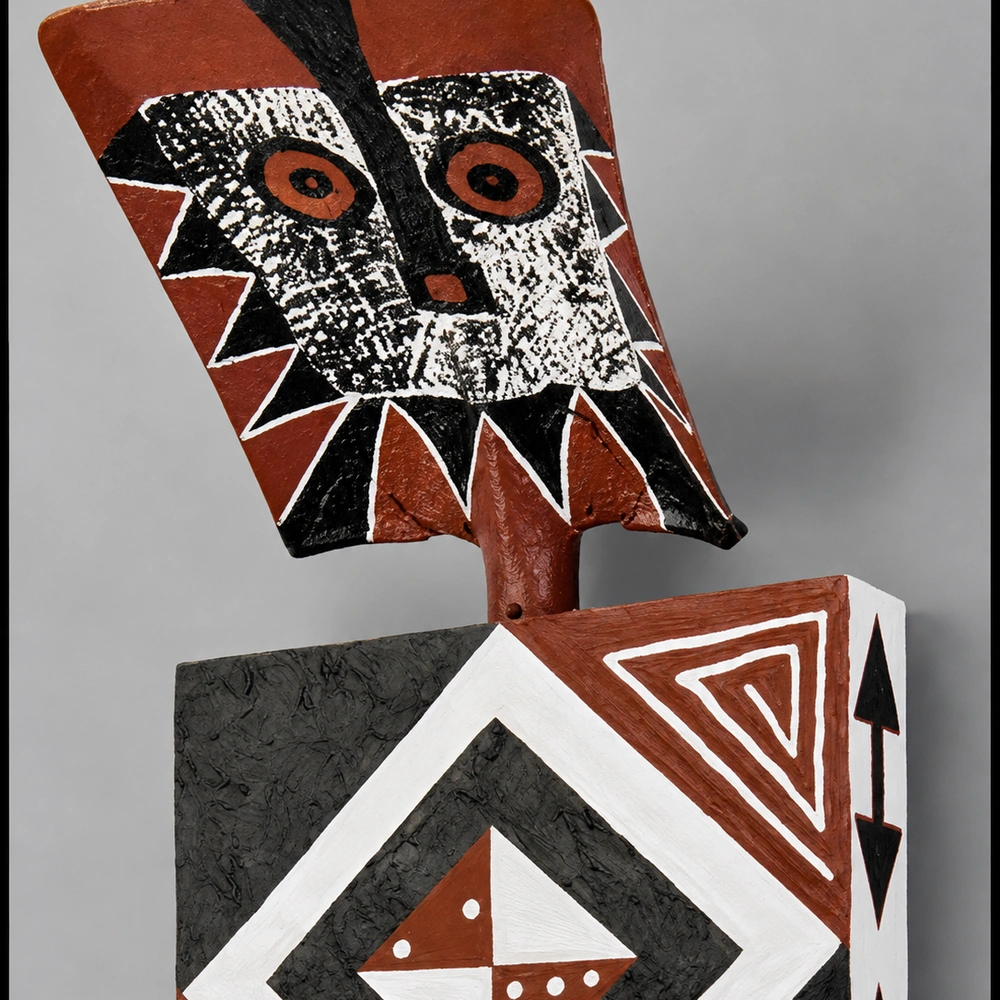
A frequent traveler with her retired husband Fred, Straus has visited West Africa several times. As a result, her art reflects tribal influences in color, design and texture.
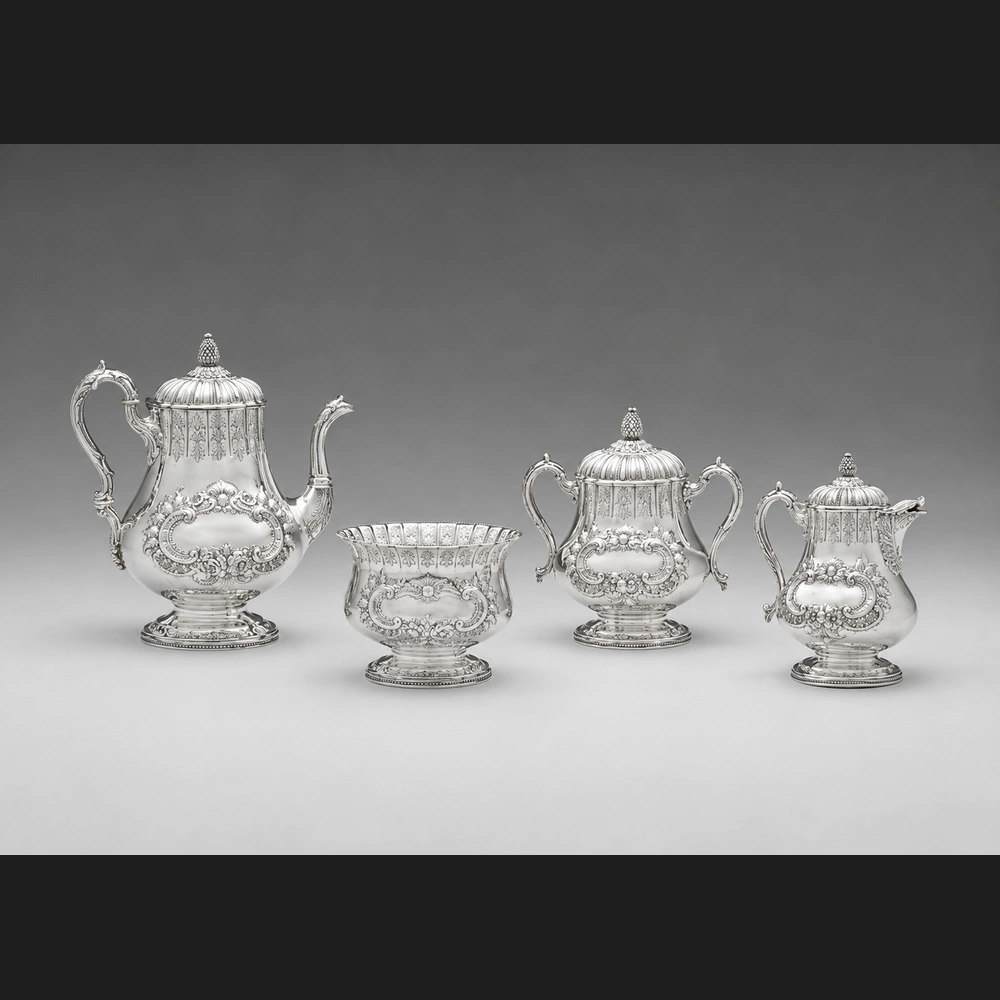
It was a dark and mysterious gallery, relieved only by spotlighted display cases of historic silver. Shining back at visitors with the liquid reflections of fine silver, a story of a mighty city’s beginning unfolded via the items its leading citizens chose to ornament their tables and their lives.

Lois Rosenthal’s recent and untimely death gives pause to all of us as we think about her contributions to the arts and towards our increasingly unknown future with those same arts here. I have always thought of Lois, to use the language of business, as an entrepreneur, rather than a manager.
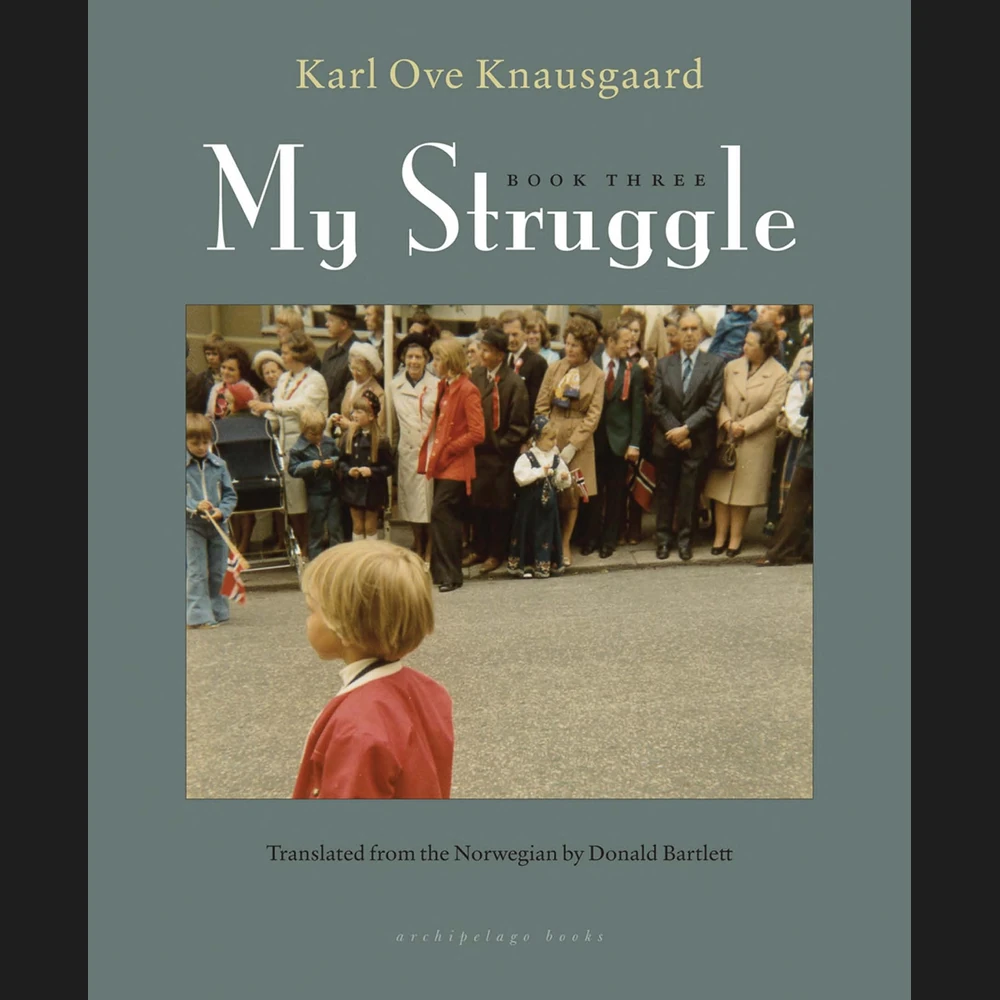
Book 3 of Karl Ove Knausgaard’s six volume novel/autobiography/memoir has just been published. These novels have been widely praised all over the world for their use of a different model of what constitutes fiction, or the novel itself. I went a bought Book 1 and Book 2, to see what the hype is about.
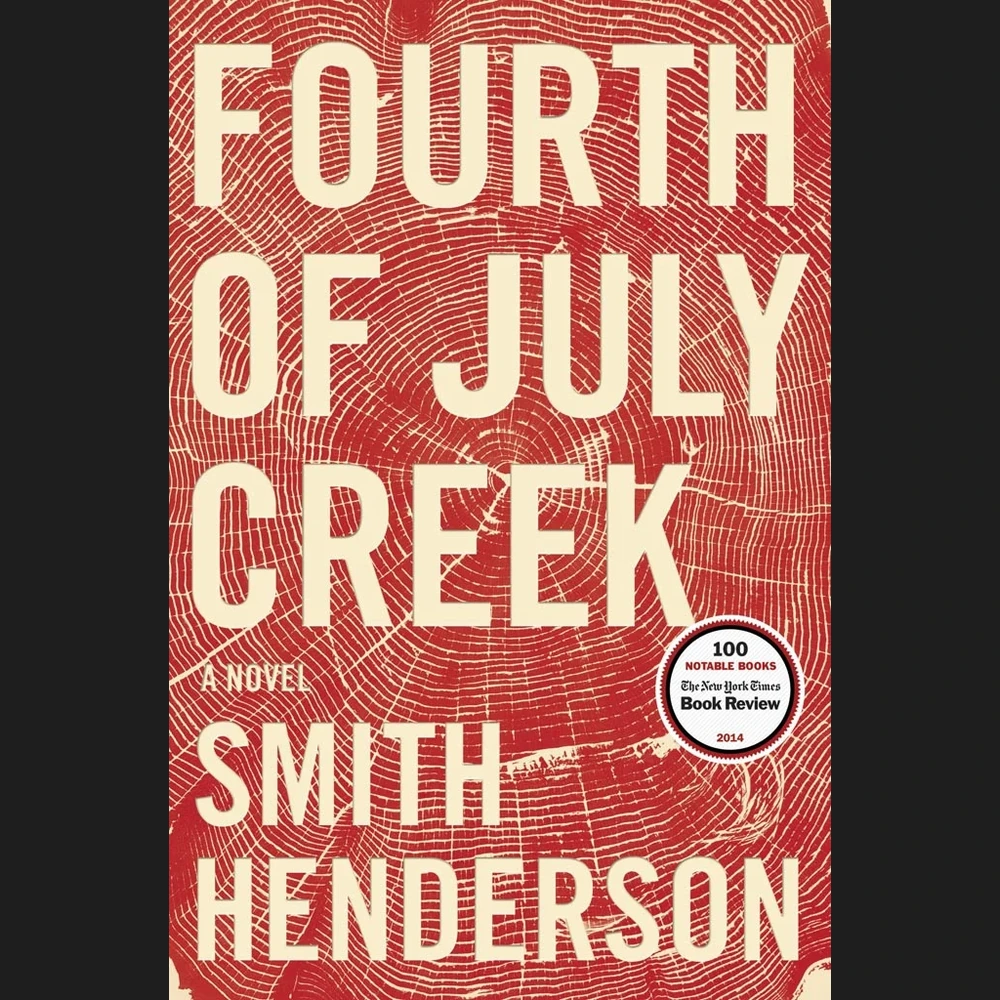
A very pleasant surprise is in store if you read Fourth of July Creek by Smith Henderson. This nearly epic novel is the author’s first, and he exhibits a maturity in his thinking, his writing, in the complexities of his plot, his delineation of character, and his extraordinary empathy for his people.
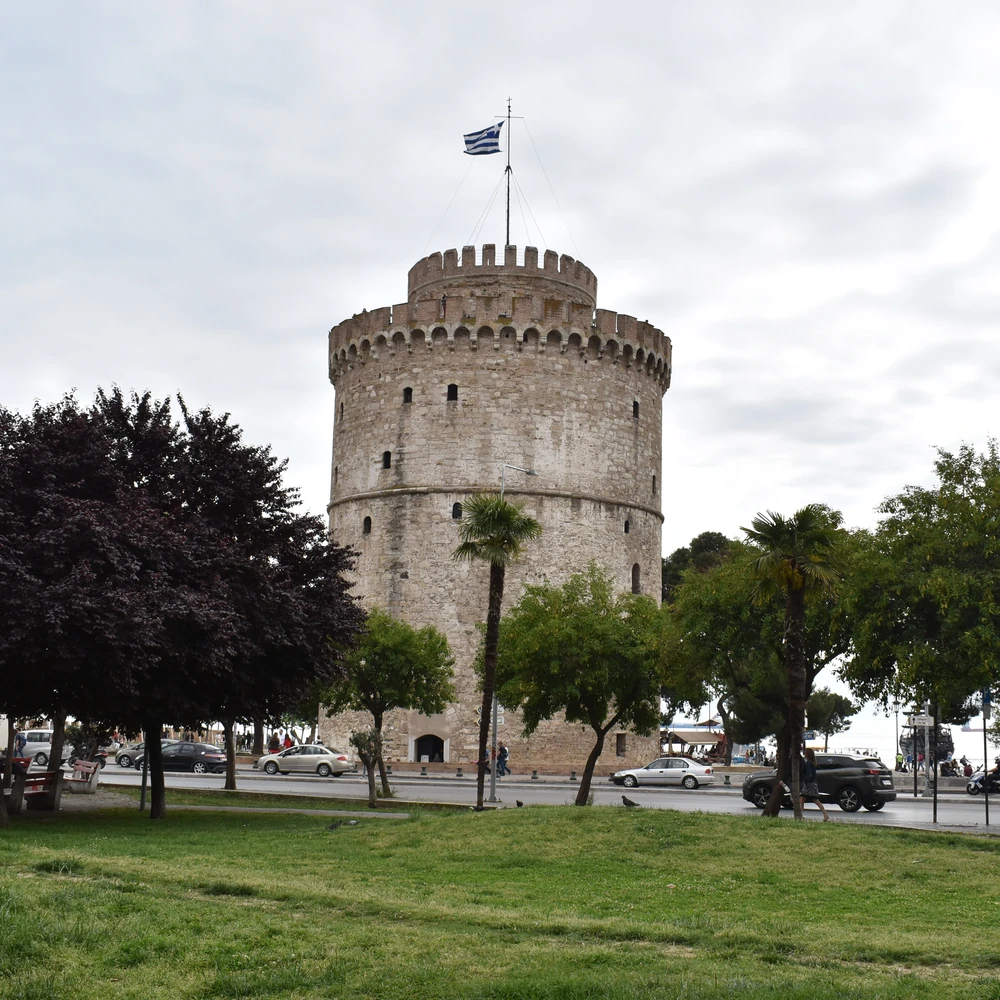
In April and May of this year, during my second art research trip to Greece, I had many long discussions about art and politics with my good friend, fellow artist and professor Xenis Sachinis.
Page 68 of 162 · articles 805–816 of 1,942
