1,942 reviews and essays published in ÆQAI between 2010 and 2017. Each bar is a month and its height shows how many articles it holds: choose one, browse the pages below, or meet the authors.
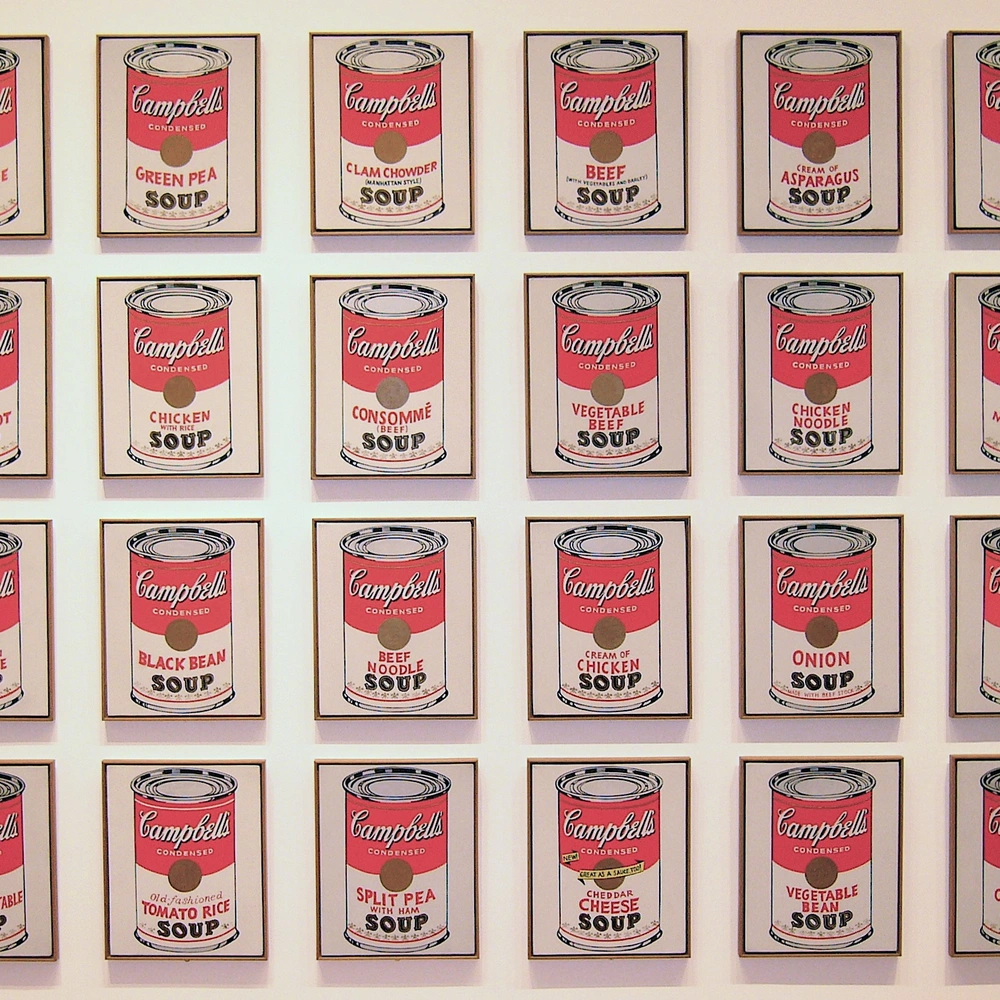
As we near the end of another art season, which is generally thought to run from September through June, much like the academic year, some patterns have emerged which we should note. The predominant movement seems to be towards a near complete domination of the visual arts by non-profits, and the very shaky existence of commercial galleries: at the heart of this matter may be art collecting itself.

Posh, intelligent and no-nonsense, “Cries in the Night: German Expressionist Prints around World War 1” (June 21, 2014 to August 17, 2014 at the Cincinnati Art Museum) is both a scholarly tour de force and a pleasure just to look at.
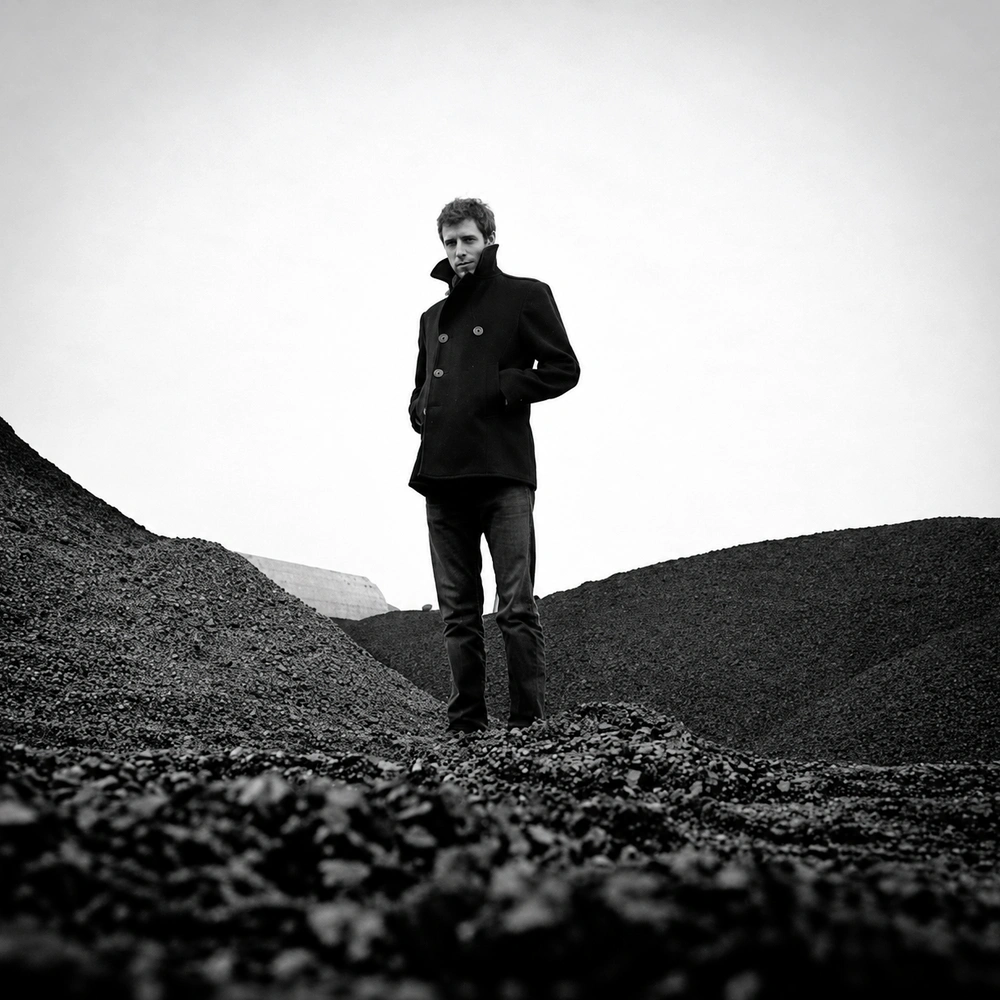
When I think of photos of musicians, I immediately visualize them caught up in the performance, on stage, perhaps dramatically lit, with maybe a glimpse of an appreciative audience – raucous or captivated.

There is plenty of spiritual energy in the great landscape paintings of 19th century America, but it is usually Emersonian in nature–Christian by implication and default rather than intention. That spirit is sometimes dreamy and solitary, and sometimes busy with life and labor. Sometimes it is found in the smallest details and sometimes it is in the sublime sweep of empty space.
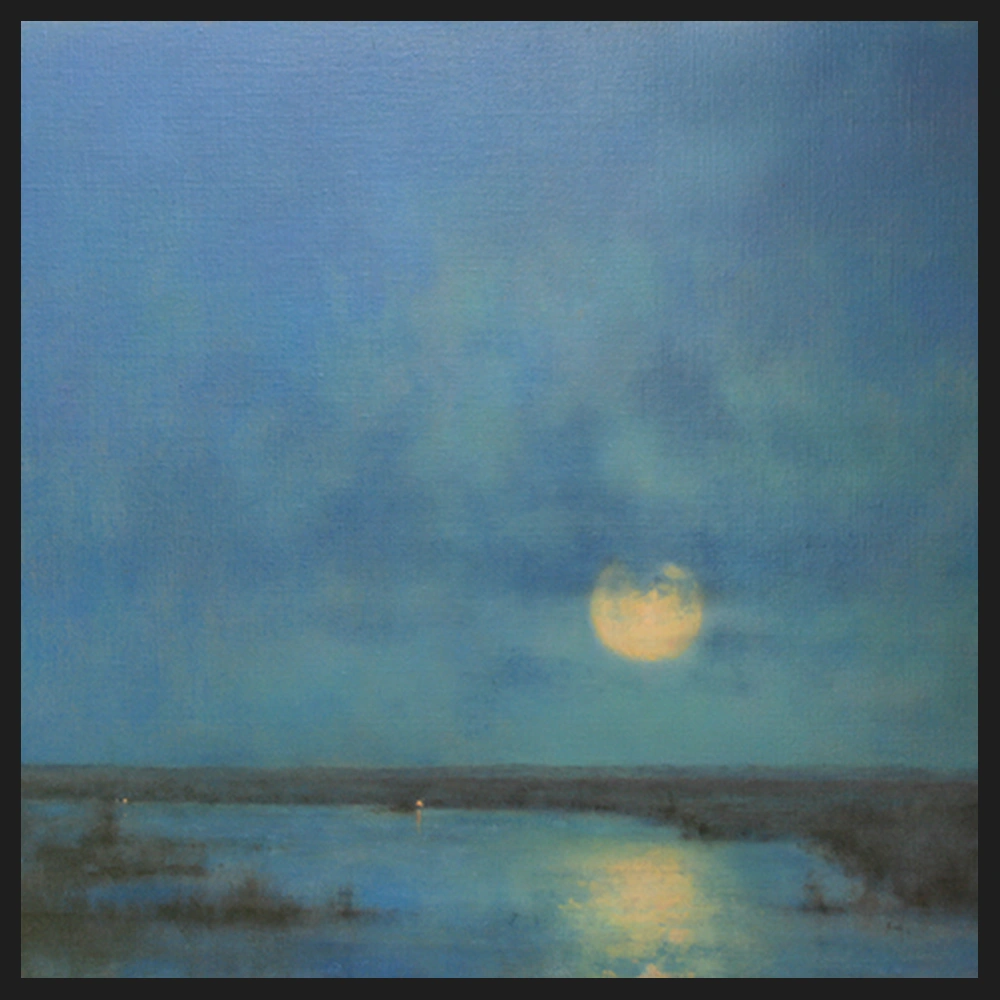
Ah, Texas; is there any place that elicits such polarized opinion as the Lone Star state, regardless of whether one has actually set foot within its borders? Even my dad, whose Scottish forebears were in Texas for three generations before his parents left to start a school next door in New Mexico, liked to tell my brothers and me that the slogan for Lucky Strike cigarettes—“L.S.M.F.T.”—actually meant “Lord Save Me From Texas.”

The Manifest Artist in Residency Program has been expanded to include a double position this year. The work of Jeremy Plunkett and Nicholas Anthony Mancini produced during this residency term is exhibited at the Woodburn avenue gallery.
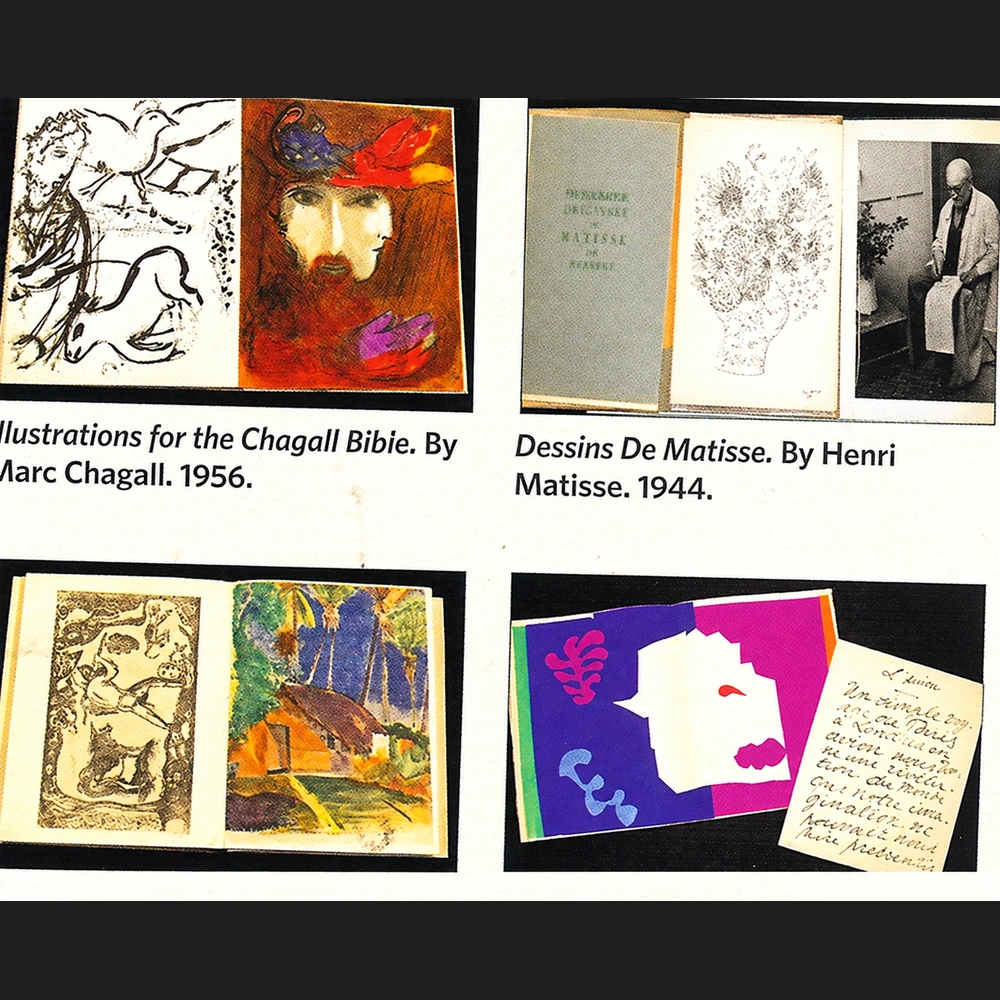
Nothing could be more natural than the mix of art and books. Both benefit, and the public is the biggest winner of all. Unfortunately the rarest and most beautiful of this partnership are kept safe from harmful light and the dirt and oils of human hands, often not even known of until an exhibit of gems of an era are put on special exhibit.

A visitor winds her way off interstate roads to reach artist Beverly Erschell’s home, tucked away in a house overlooking the Ohio River in Northern Kentucky.

I’m staring at a Maker’s Mark glass. It’s quirky. It has a red plastic base that gives it the appearance of dipped and dripped wax. “Oh, Liz, Go ahead, take it. It’s a great souvenir.” It did make sense to take it home.

The sulfur smell of the marsh, the waves of the Atlantic rolling up onto the surrounding beach communities, afternoon rain showers, the funky smell of the historic downtown streets on a hot, humid day…oh, and the restaurants, and of course, Spoleto. There is much to recommend in a visit to the Low Country in late May and early June.
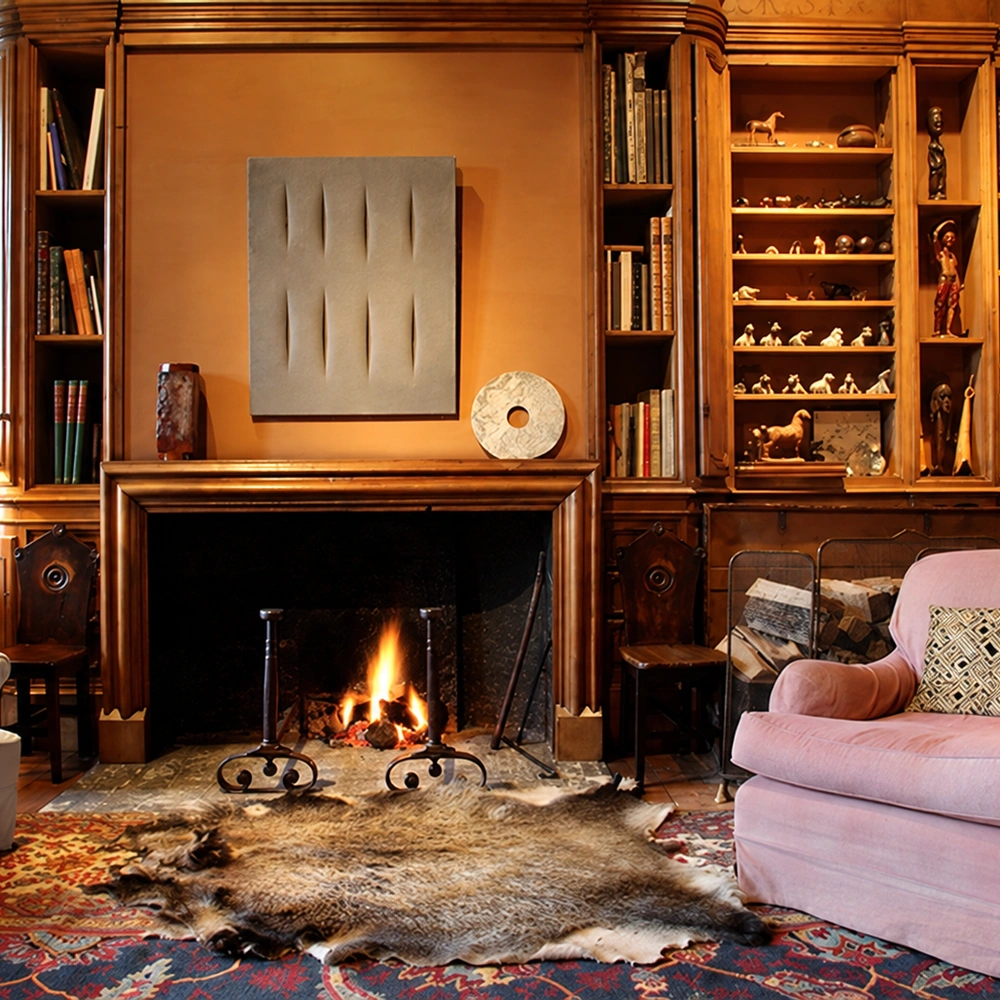
It’s difficult to talk about the unnecessary rift between art, design and craft without being somewhat didactic and hypocritical. The “disciplines” need to be separated to some degree to begin a conversation about them in the first place. It’s ambiguous at best to later backpedal and claim that art, design and craft are in fact the same at some very elemental level.

Andrew Au, a Cincinnati-based artist, was born in1972 in Chicago, IL; he grew up in Keyser, WV. Au has drawn ever since he was able to put pen to paper, influenced from an early age by science fiction, religion, reading and art.
Page 70 of 162 · articles 829–840 of 1,942
