March 2018: 27 reviews and essays published in ÆQAI. The dark bar marks this month; choose another one, go back to the whole archive, or meet the authors.

Yoko Molotov is recognized locally as a rather prolific artist whose confessional, dystopian, and gender-fluid drawings are a recognizable feature of Louisville’s online landscape. Typically pulling from irony, humor, horror, and kawaii, Molotov typically creates cartoonish narratives that are both easily recognized and self-referential.
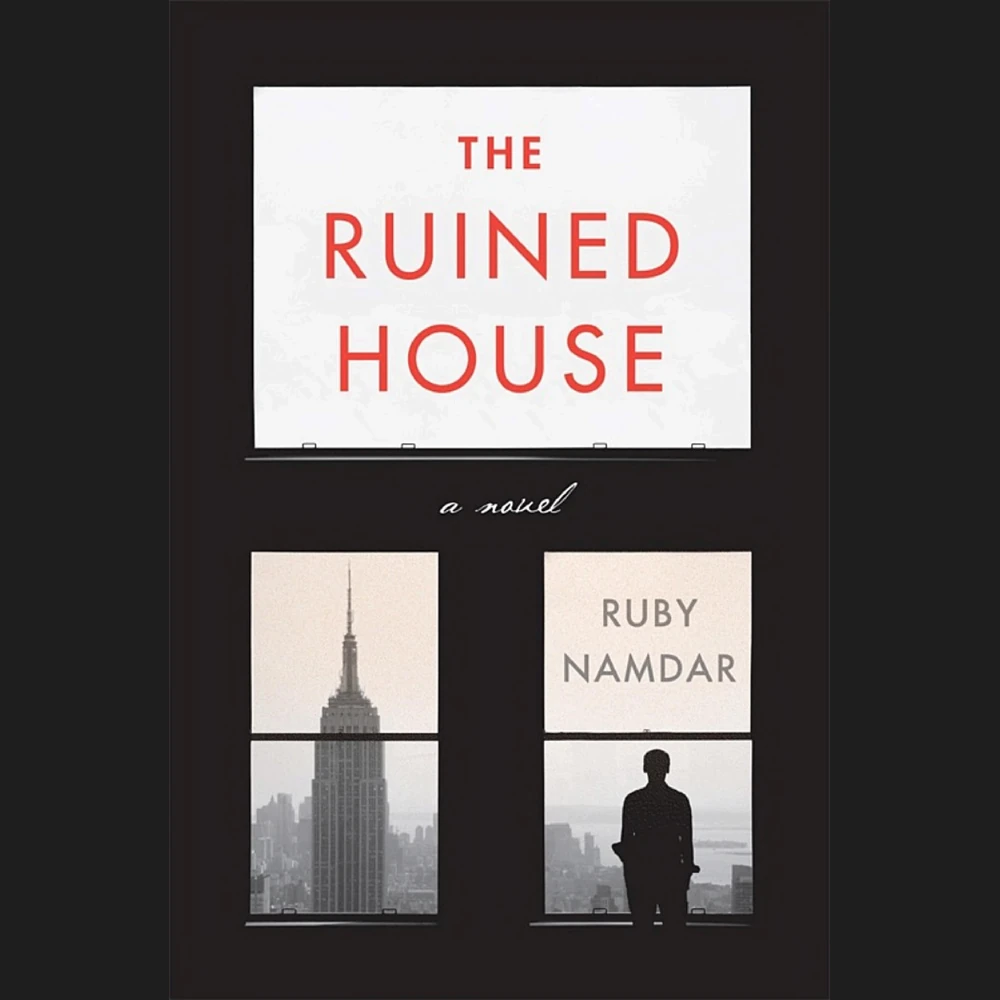
Ruby Namdar is an Iranian-born Jew now living in Israel, and his new novel “The Ruined House” is one of the most fascinating and intelligent novels around, brilliantly researched and with fascinating spiritual-psychological implications that seem unusually relevant for today’s postmodern, postreligious, materialist culture.

Jamie Quatro (who is a woman) is fast becoming one of America’s most impressive and accomplished younger writers, nearly in a league with such already greats as Jennifer Egan, Rachel Kushner, Nicole Krauss. Quatro’s short stories, “I Want to Show You More”, were some of the most impressive when published about two years ago, and her new novel, “Fire Sermon”, is absolutely first rate.

Cincinnatian Roger William Heuck descends from a family with an impressive artistic heritage. He is the great grand nephew of John Henry Twachtman on his mother’s side and on his father’s side is Edward Eisenlohr, who painted in Texas.
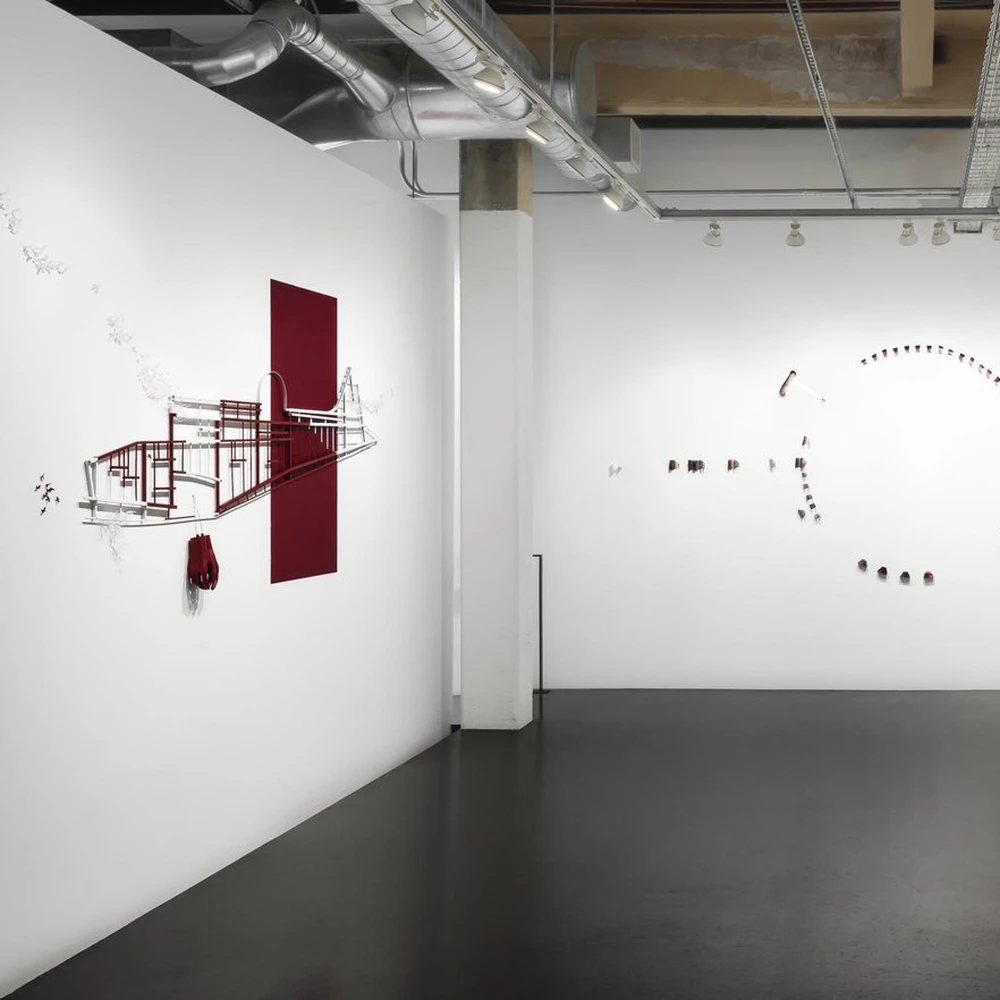
The Tashiro-Kaplan Building in downtown Seattle houses a variety of artist-run galleries and artist residences. 4Culture anchors a corner of the building, providing experimental gallery space and other artist services.

Karen Hochman Brown’s series, “Botanic Geometry,” is a vivid collection of digitally manipulated photographs, printed on aluminum, that invoke the detailed symmetry of crushed glass, reflected through the lens of a kaleidoscope. Even more, the intense vibrancy of the work brings to mind the cosmic patterns that we recognize as the mandala.

On the Cincinnati banks of the Ohio River sits the National Underground Railroad Freedom Center, a museum commemorating historic events of three decades prior to the Civil War. Slaves crossed the river to freedom from Kentucky. Cincinnati is where the Underground Railroad originated. Many people consider the center’s existence controversial.

In her thought-provoking show at the Clifton Cultural Arts Center Ellina Chetverikova, who immigrated to the United States from Ukraine to continue her study of art, offers sixteen self-portraits. The largest is 10X12; many are much smaller.

Critical Mass II was the second in a series of panel discussions around various urban centers within Kentucky. This particular installment was arranged by the Kentucky Museum of Art & Craft, in collaboration with UnderMain, Inc. and arranged in partnership with the The Great Meadows Foundation.

The gallery we were gathered in was lined with her work, city scenes familiar to Cincinnatians. We know the face of the Union Terminal building, the streets of the west end where she lives “one neighborhood away from Over-the-Rhine” she would explain to me later. Geometry, as she talked about it to this audience, took on an aspect some of them may never have suspected. “Architecture reflects it,” she told them.

On January 6 in Los Angeles, Ernie Wolfe Gallery opened a show titled “Eddie M and the FAVs,” featuring Ed Moses’ paintings alongside elaborate Ghanaian coffins which the proprietor calls “fantastic afterlife vehicles (FAVs).” Eleven days later, Moses died of natural causes.
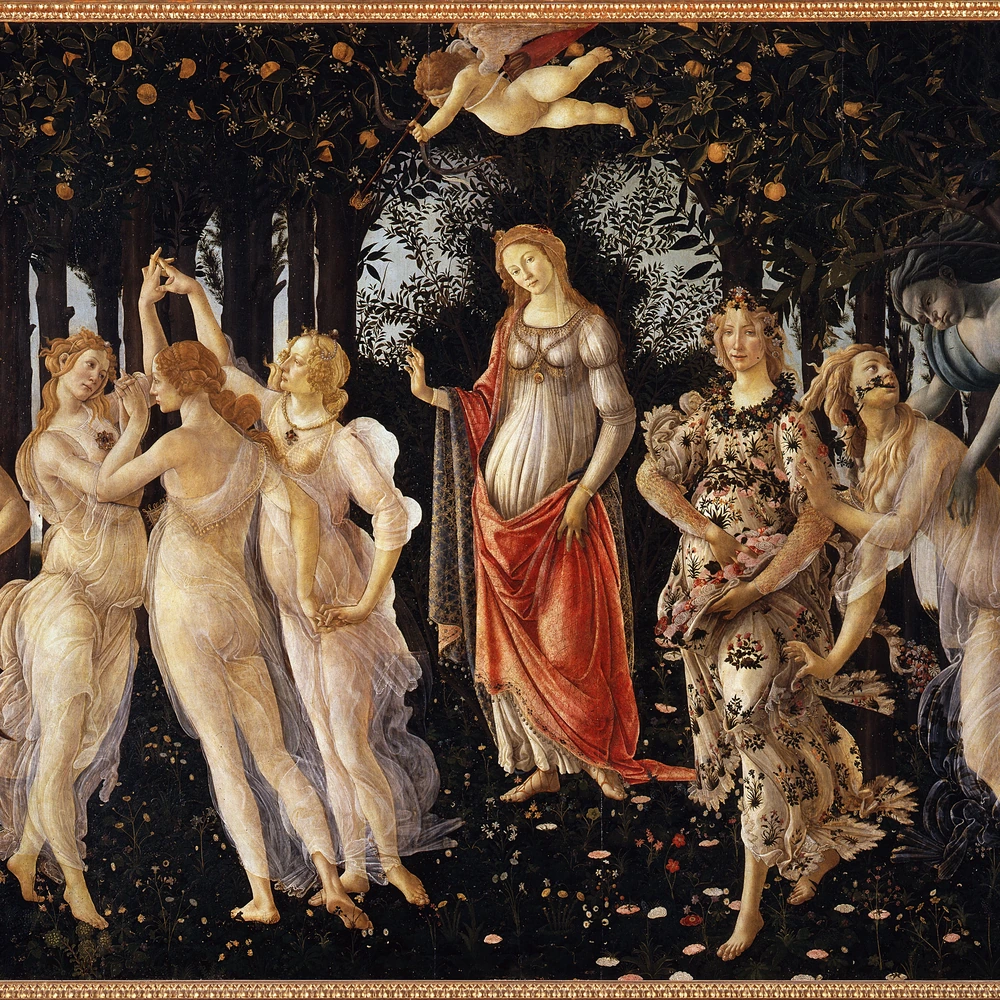
The art scene around the country is blossoming just as Nature provides her own new life and growth in this time of renewal, regeneration and hope. The March issue of Aeqai provides a range of reviews and artist profiles consistent with a newly politicized interest in social justice, race, gender, and class, and an examination of power relationships.
Page 1 of 3 · articles 1–12 of 27
