May 2018: 25 reviews and essays published in ÆQAI. The dark bar marks this month; choose another one, go back to the whole archive, or meet the authors.

The Speed Museum exhibition “Women Artists in the Age of Impressionism” brings together over 80 paintings by 37 different female artists. Their achievement becomes more remarkable as it was accomplished in the historical context of denial of academic access in a world dominated by men. European study and salon success was the prescribed path for all to a successful professional career in the fine arts.
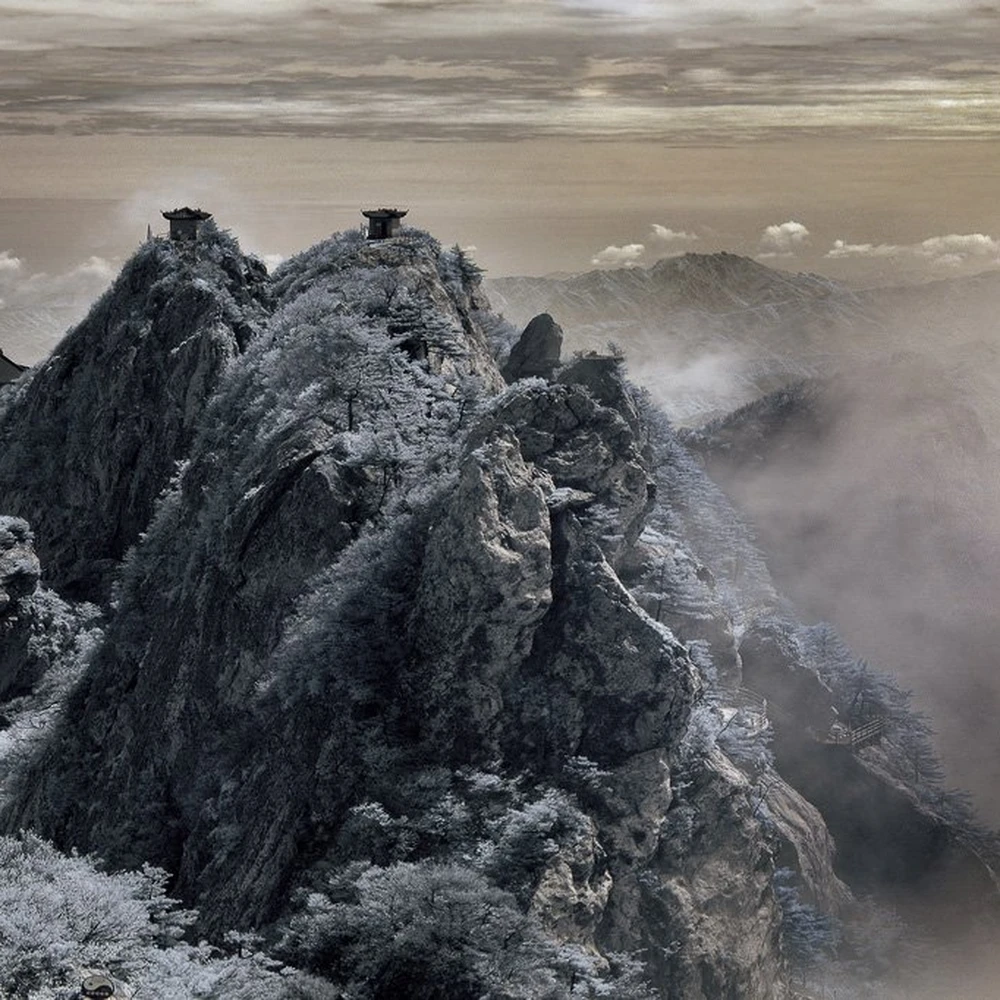
I met Zhao in Houston this past March at FotoFest. Here are selected photos from his Swan Series and Works of the King.
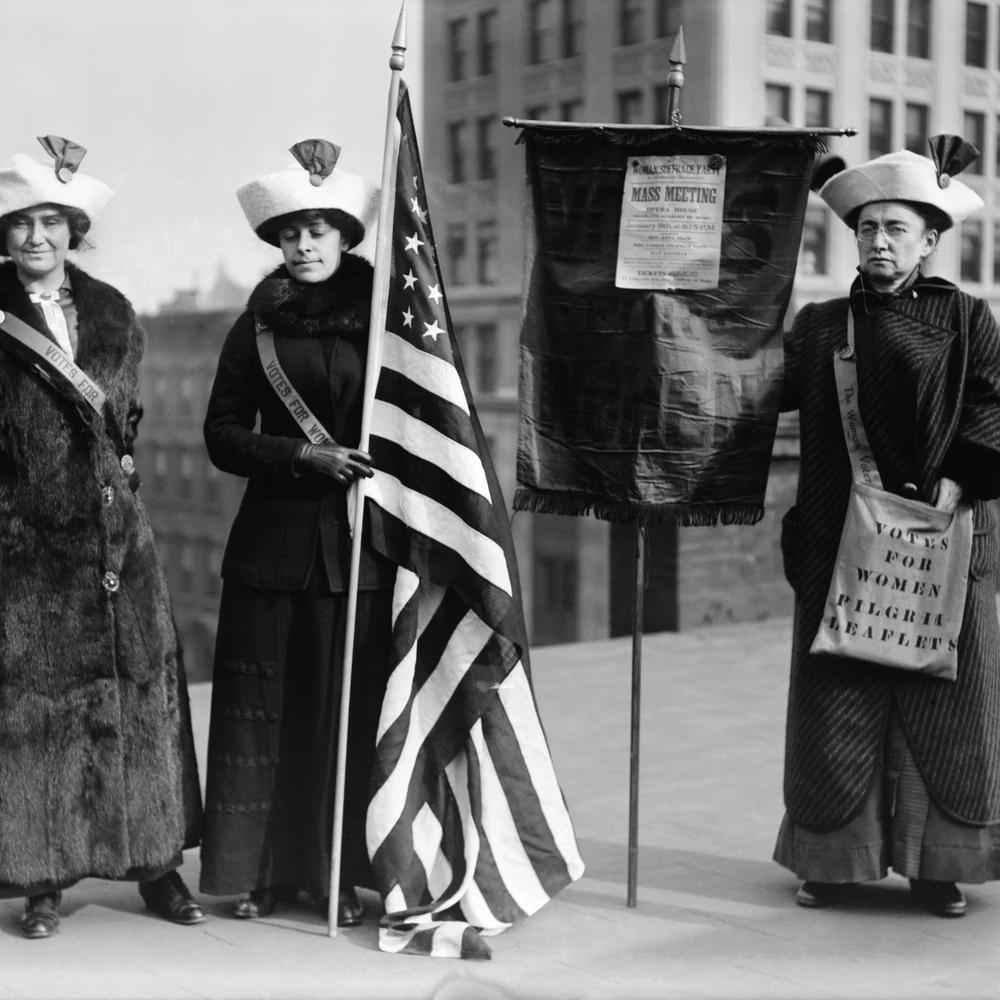
How many times do we look at something quickly and make a snap judgment about it? In what is often a one-second glance, we assess what we see and form an opinion about it given only the information and content we have in front of us. The ability to quickly make judgments is actually a survival mechanism that, evolutionary-speaking, has served us well. However, are some things worth a second glance?
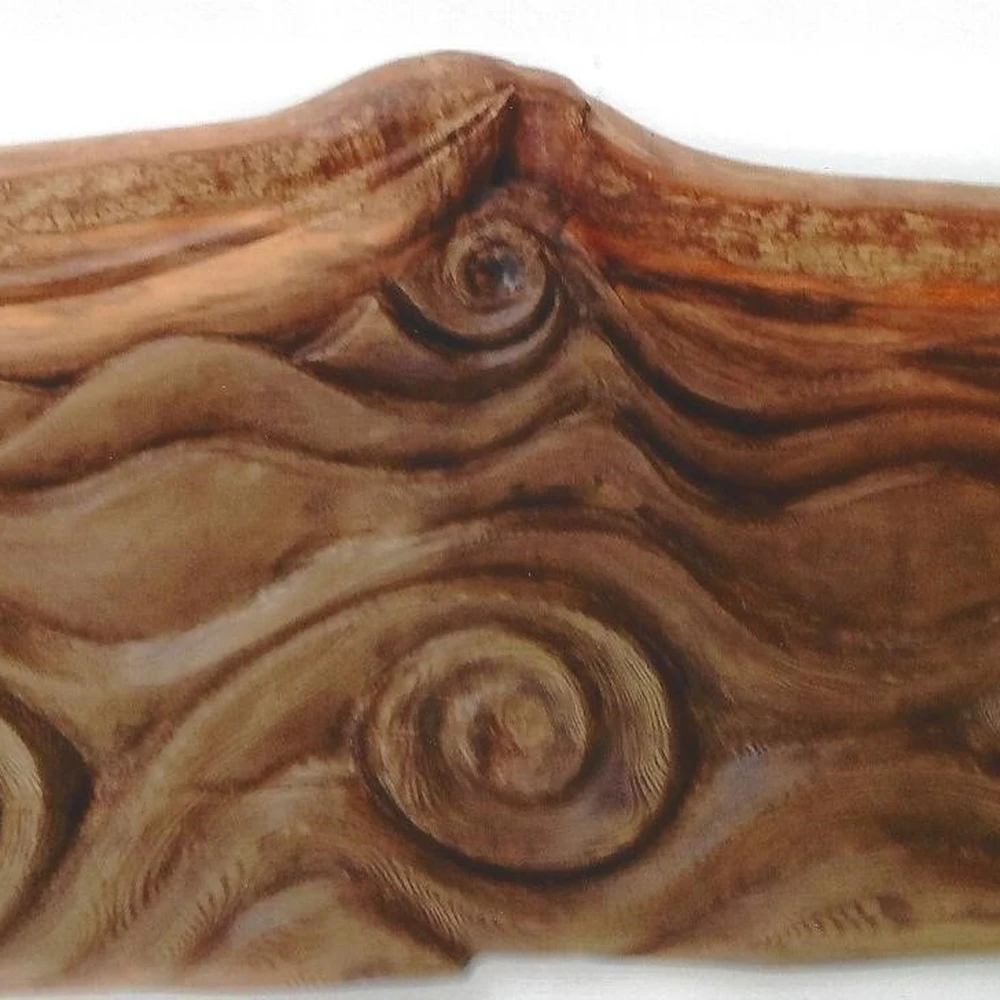
Steve Jensen is a prominent and prolific artist on the Seattle scene, with public sculptures from Washington to Florida and China. His work is in museums in Washington and California. When I first saw his work in 1999, he was carving naturally felled logs into shapes reminiscent of a blend of Polynesian and Pacific NW totems. In this show, two-dimensional carvings like “Fish Tail” follow the theme of his early work.
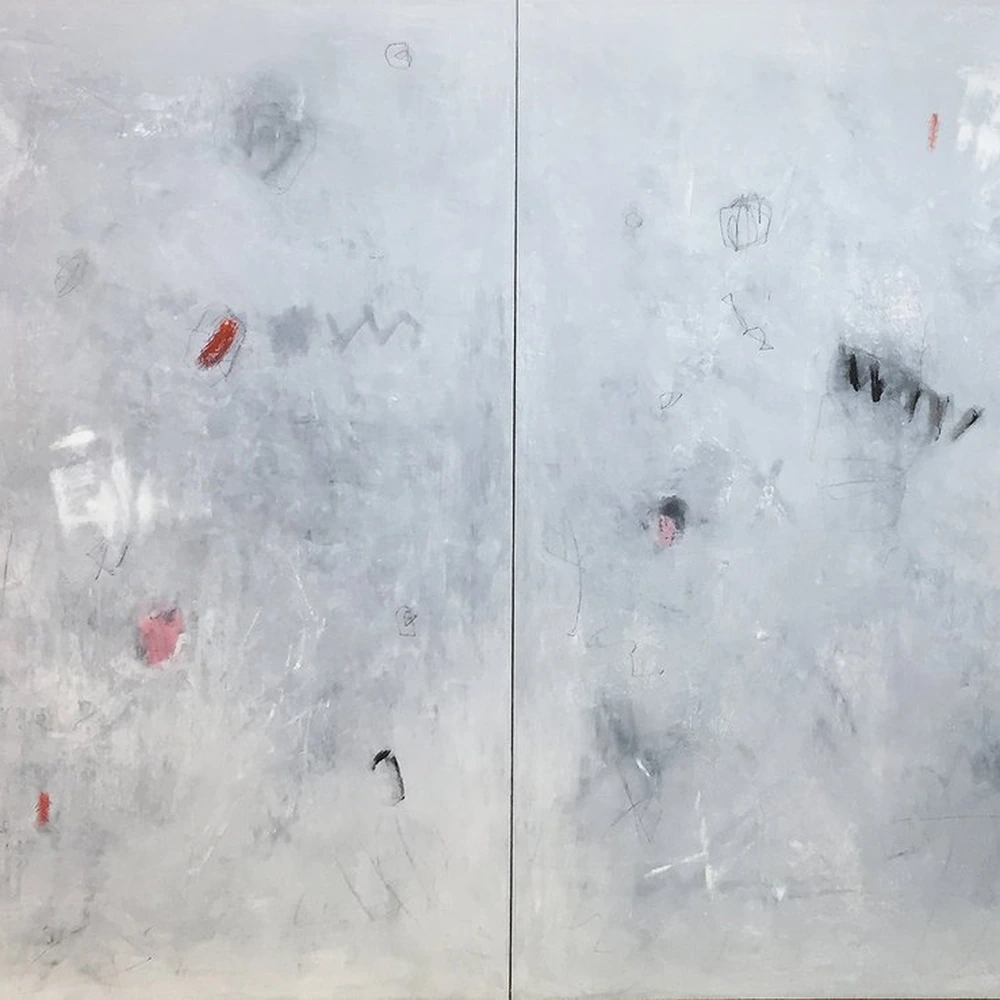
Liz Zorn likes a square canvas. Not always, of course, but more often than many artists, she confines her compositions to a canvas measuring the same on every side. Her works as seen in “Liz Zorn Solo Show” at 124 West Pike Street Gallery in Covington now through May 26th are seldom enclosed in frames and are perfectly sufficient without that addition.
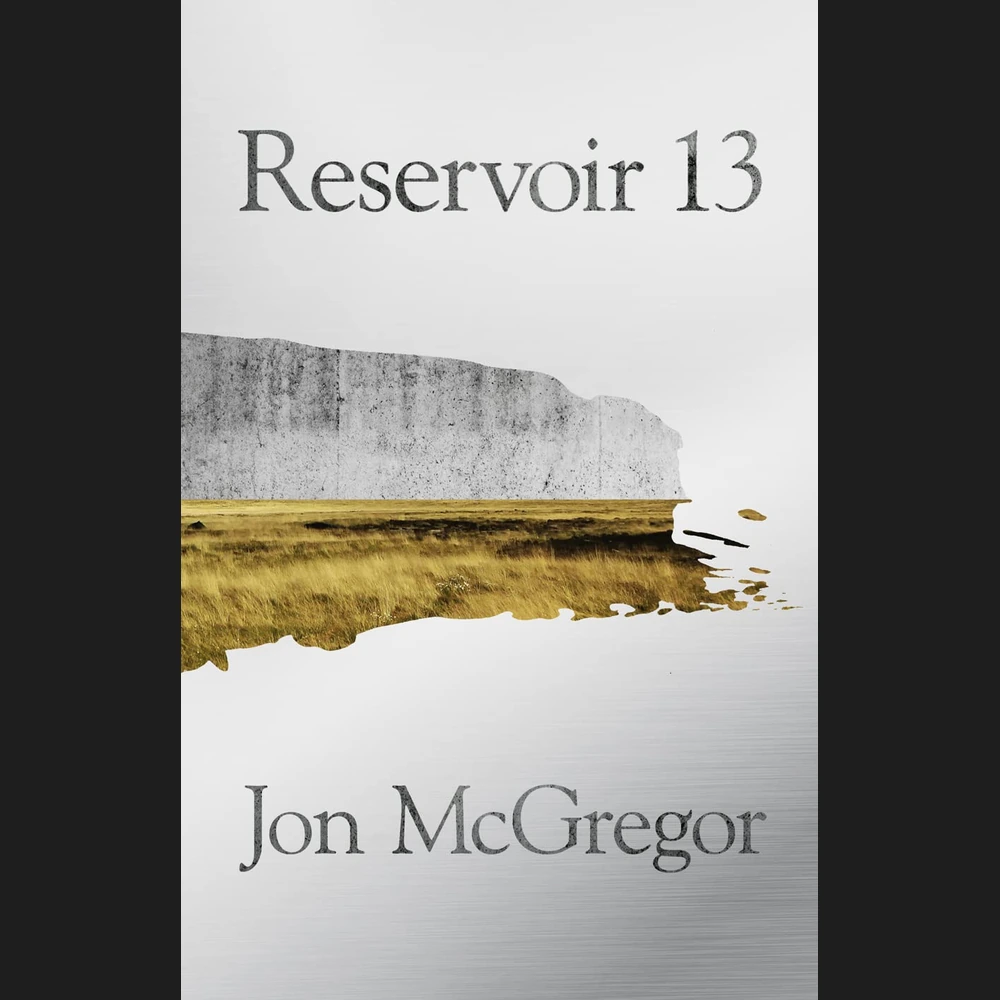
Jon McGregor’s new novel “Reservoir 13” contains some of the finest writing in recent contemporary fiction. Its basic plot is relatively simple: in a small town/village in either the North of England or the Midlands, a family has come for a vacation and is renting a guest house on an area property, when their 13-year old daughter goes missing.
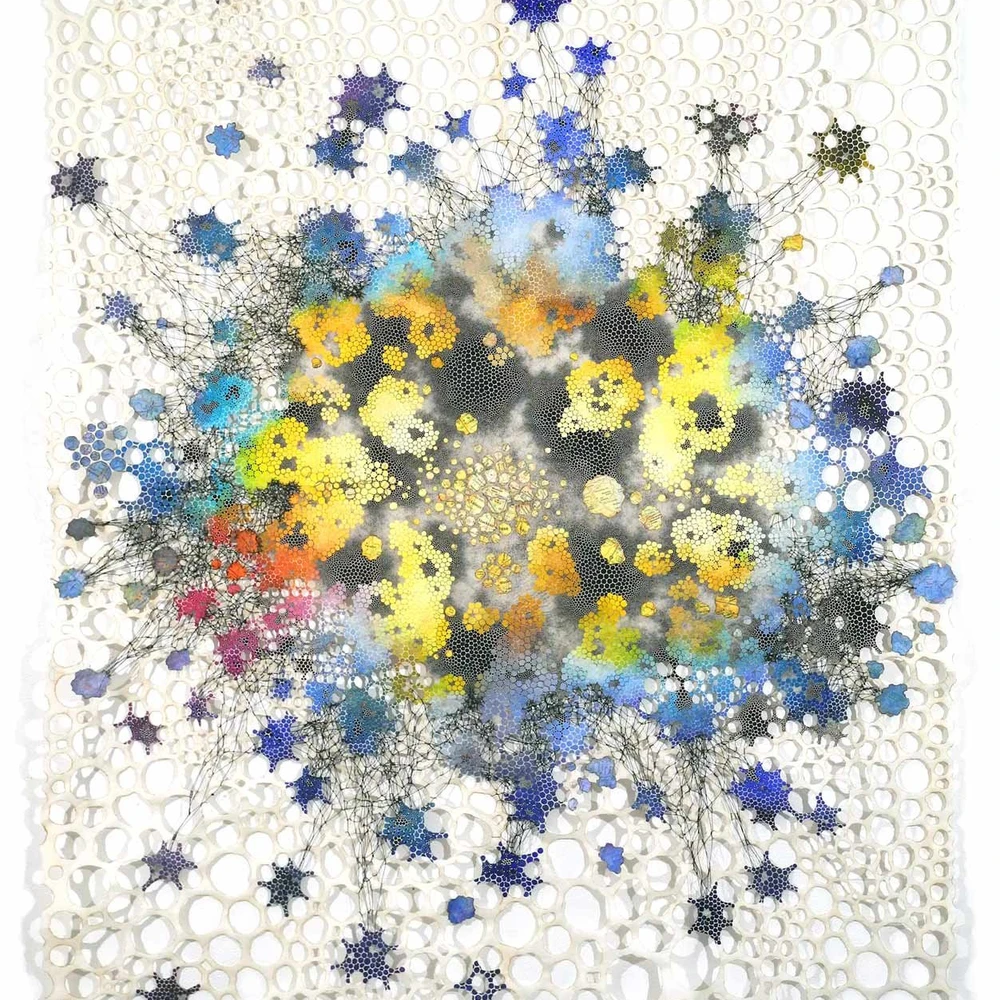
Having pervaded Western societies for centuries, the archetype of huge and showy artworks seems to have reached a pinnacle in our era where large and loud look better online. Karen Margolis’ delicate, meditative collages, on view through May 12 at Garis & Hahn in Los Angeles, pull the proverbial rug out from under the preconceived notion that artworks should dazzle at first sight.
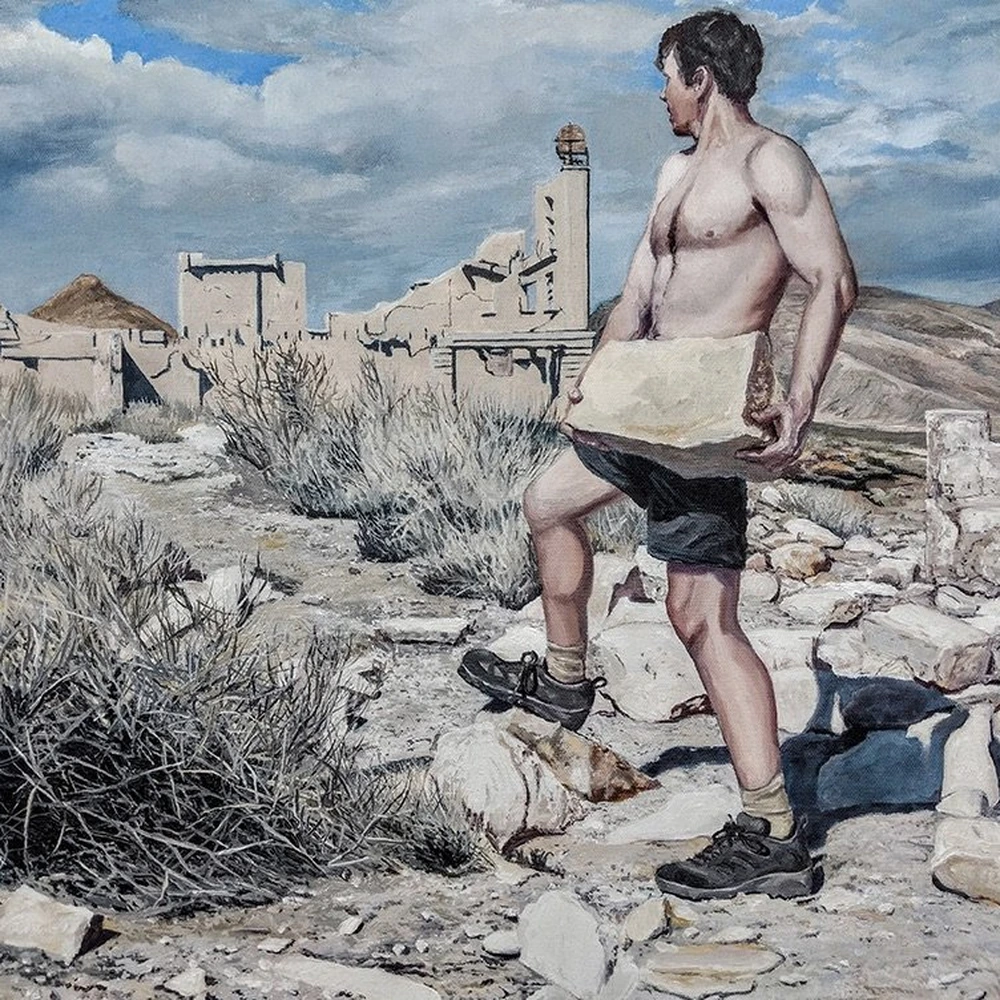
Kevin Muente’s show “Forgotten Land” is currently up at Marta Hewett Gallery, located in Cincinnati’s Pendleton neighborhood. He uses figures within these landscapes to create a narrative through single or multiple images. Often the images echo classical or referenced figures from orthodox art.
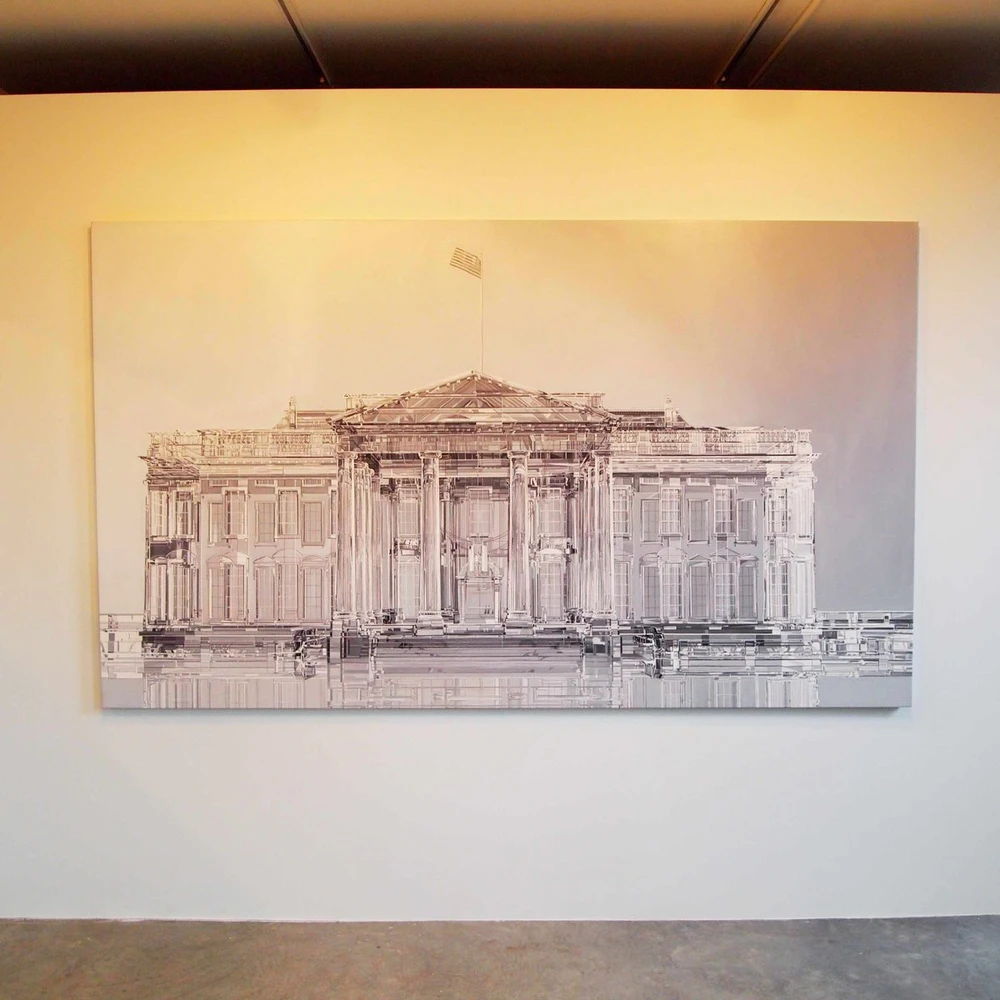
Paired with an image of the White House on a brochure, “Transparent?” is a pointed question. And, in 2018, it can take as little as a cursory glance at Twitter to feel like we might be seeing too much of our commander-in-chief’s inner dialogue. But of course, true transparency in government institutions is a phantom.
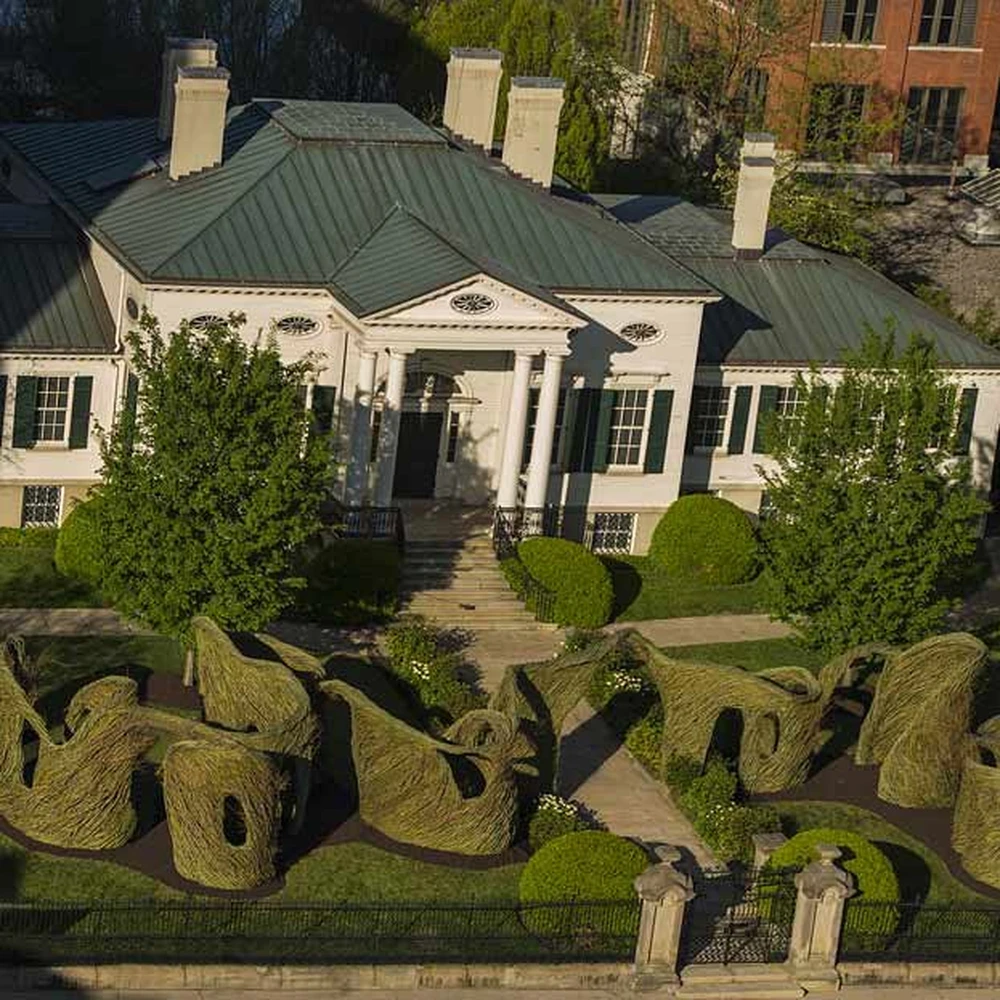
Something odd happened on the front lawn of The Taft Museum of Art. The world-renowned sculptor Patrick Dougherty, with the help of 150 volunteers, twisted and turned six tons of willow-tree saplings into Far Flung,a sprawling sculpture that visitors are encouraged to touch, walk through, or even sit a spell in.
The April/May Aeqai has just posted. We’ve combined these two issues due to a recent move on my part, with all the attendant chaos moves create. I can now locate about 75% of what I need. This late spring time of year has been offering a wealth of excellent shows, particularly at Greater Cincinnati area nonprofits.
Contemporary art has a number of interpretive frameworks, attempts to historicize the present moment that both distinguish it from what came before and draw genealogical lines from established art historical concepts. One branch of this diverse range of concepts is the return to romanticism in what some critics have referred to as New Sincerity, Post-postmodernism, or Metamodernism.
Page 1 of 3 · articles 1–12 of 25
